Quick answer
Choose a sling for one camera and fast access, a backpack for multiple lenses and all-day carry, and a shoulder bag for quick lens swaps with a classic look. For most mirrorless shooters, the WANDRD ROGUE Sling 6L V2 is the best starting point because it combines hands-free carry with quick access, while a backpack wins when you need to carry a full kit.
How to match the bag type to your camera and lens count
The right camera bag type depends less on brand loyalty and more on how many lenses you carry and how often you need to get the camera out. A sling bag is designed for a single camera with one attached lens, plus a spare battery, cards, and a small accessory. A backpack is for two or more lenses, a flash, and a tripod, where you can set the bag down to work. A shoulder bag sits between the two: it holds a camera and one or two extra lenses, and it lets you swap lenses while standing.
- One camera, one lens, fast access: sling bag.
- Two or more lenses, all-day carry: backpack.
- Camera plus one or two lenses, quick swaps: shoulder bag.
Access speed and working style
Access speed is the main practical difference. A sling bag rotates from your back to your chest without removing it, so you can shoot within seconds. A shoulder bag hangs at your hip and opens quickly, but it shifts weight to one side. A backpack must be taken off and set down for full access, which is slower but more comfortable for long walks. If you shoot street or travel and want to keep moving, a sling or shoulder bag keeps the camera closer to hand.
Comfort, capacity, and weight distribution
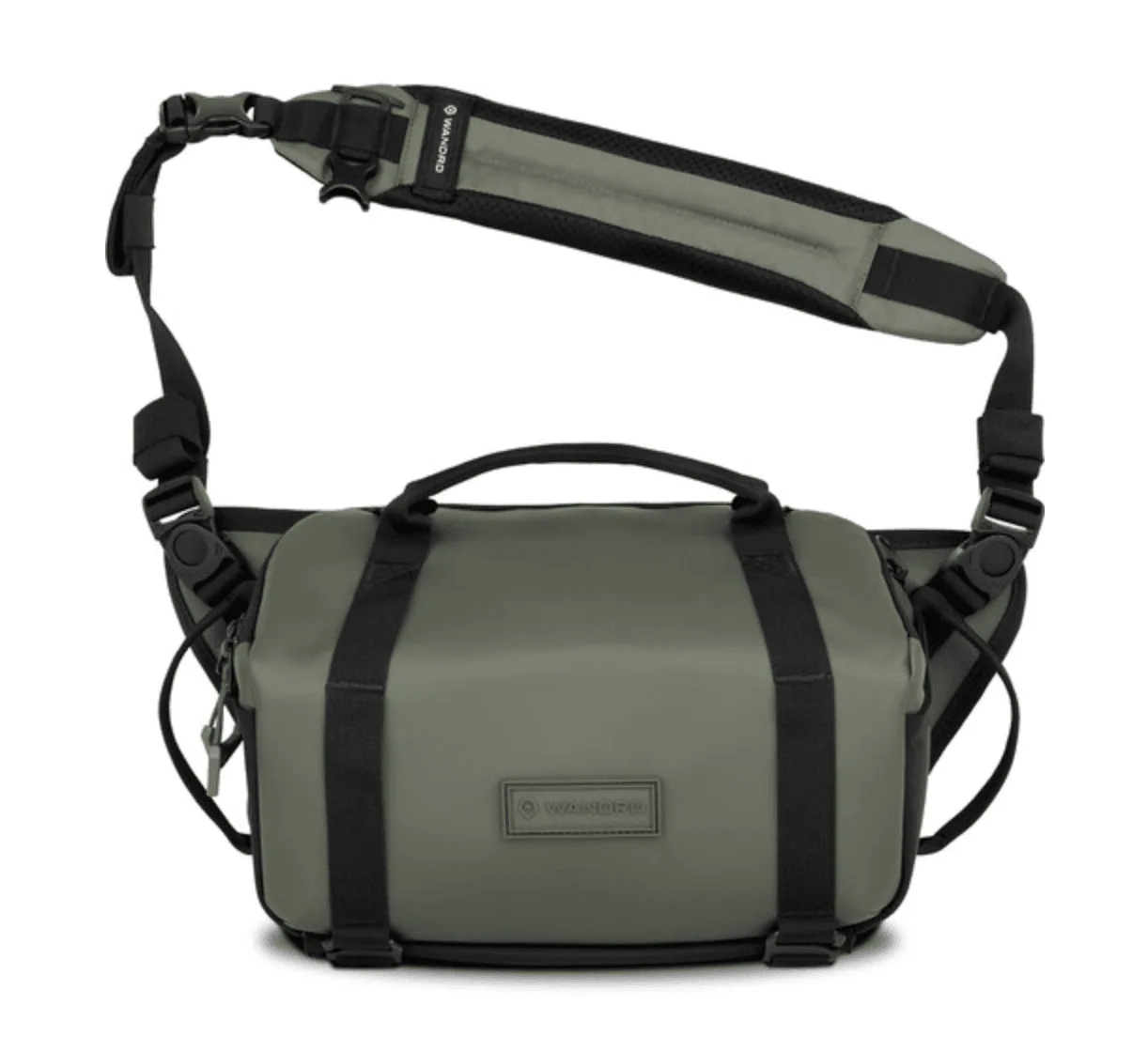
Backpacks distribute weight across both shoulders and a hip belt, which matters when you carry a full-frame camera and fast lenses for hours. Slings and shoulder bags concentrate weight on one shoulder, so they work best with lighter mirrorless kits. The WANDRD ROGUE Sling 6L V2 offers a 6-liter capacity, enough for daily carry items and a compact camera, but it is not a replacement for a multi-lens backpack. If your kit grows beyond one camera and one lens, a backpack becomes the more comfortable choice.
Weather, security, and travel
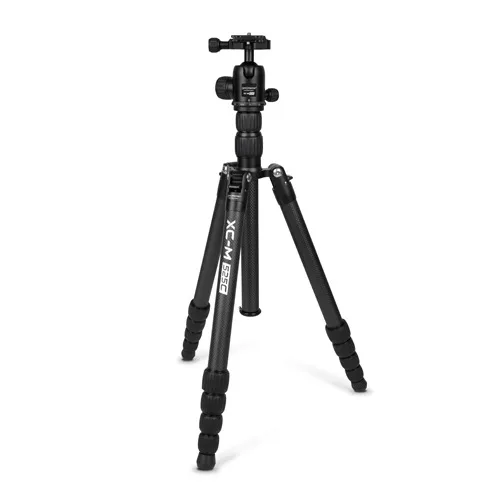
A sling worn across the chest keeps the bag in front of you in crowds, which can feel more secure than a backpack. A shoulder bag can be tucked under an arm, but it swings. A backpack protects gear best in rain when it has a cover, and it carries a tripod or laptop more easily. None of these types is universally better; match the bag to the environment. For air travel, a backpack that fits under the seat is often the most practical.
Trade-offs at a glance
- Sling bag (e.g., WANDRD ROGUE Sling 6L V2): Fast chest access and hands-free carry, but limited to one camera and one lens with a 6-liter capacity. Best for street, travel, and everyday carry with a compact mirrorless camera.
- Backpack: Carries multiple lenses, a tripod, and a laptop with balanced weight, but requires taking it off for access. Best for full-day shoots, hiking, and air travel with a full kit.
- Shoulder bag: Quick lens swaps and a classic look, but uneven weight on one shoulder and less security in crowds. Best for portrait sessions and events where you swap lenses often.
Product facts that affect the choice
- WANDRD ROGUE Sling 6L V2 Wasatch Green: 6-liter capacity offers ample storage for daily carry items; sling bag style allows quick access and hands-free carrying. The 6L size fits a compact mirrorless camera with one lens and daily essentials, but not a full multi-lens kit.
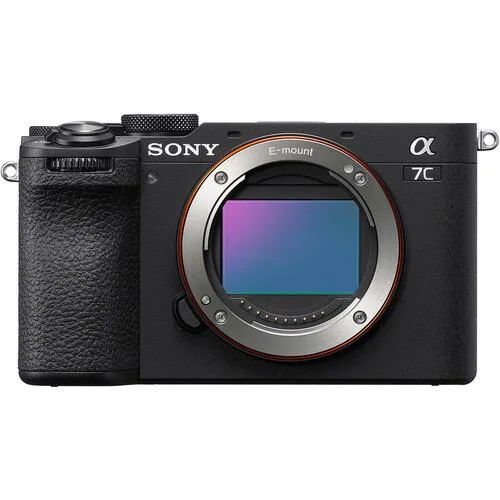
- Sony a7C II Mirrorless Camera (Black): Full-frame CMOS image sensor with 33.0 effective megapixels. A full-frame camera like this benefits from a bag with more support, such as a backpack, if you carry multiple lenses.
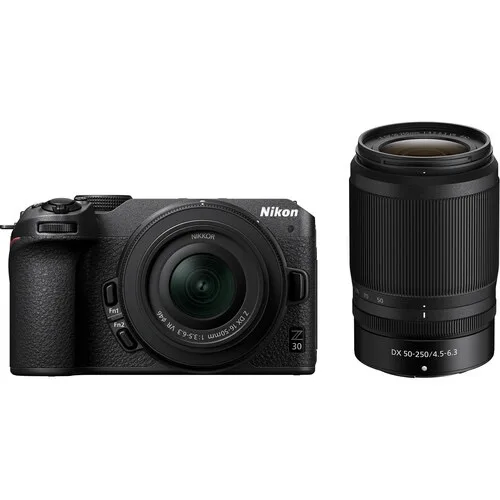
- Nikon Z30 Mirrorless Camera with 16-50mm and 50-250mm Lenses: Effortless Live Streaming up to 60P; Full HD 60p and 4K 30p video needs. A compact mirrorless kit like this is a good match for a sling or shoulder bag when you carry one lens.
Which camera bag type fits you?
Best for
- Photographers who carry one mirrorless camera and one lens and want fast access.
- Travelers and street shooters who need hands-free carrying and quick shooting.
- Event and portrait shooters who swap between two lenses while standing.
Not for
- Photographers carrying multiple lenses, a flash, and a tripod all day.
- Hikers or travelers who need balanced weight distribution and a laptop compartment.
- Shooters who need to carry a full-frame camera with fast telephoto lenses for hours.