Quick answer
A sling bag sits high and tight across your back or chest, so it works best for a phone, wallet, keys, and a few flat items. A crossbody bag hangs at your hip, giving you a taller main compartment that can hold an iPad Mini, a small notebook, or a compact camera. For daily carry with minimal gear, choose a sling; for travel or days when you need a bit more organization, choose a crossbody.
Sling bags and crossbody bags solve the same problem: carrying your essentials without a backpack. The difference comes down to where the bag sits on your body and how that shape changes what you can realistically fit inside. A sling hugs your torso, while a crossbody hangs lower and often uses a taller, more structured body.
That positional difference matters more than most people expect. It affects how quickly you can reach your phone, how the bag feels on a bike, and whether an iPad Mini or a passport fits without bulging. This comparison uses real bag examples to show what each style holds, so you can match the bag to your actual daily load.
How the carry position changes what fits
A sling bag sits diagonally across your chest or back, held close by a single strap. Because it stays high, the main compartment is usually shorter and wider. That shape is great for flat items like a phone, a slim wallet, and keys, but it limits taller objects. A crossbody bag, by contrast, rests at your hip or lower back. The extra drop gives it a taller profile, so items like a small tablet, a passport, or a paperback can slide in upright.
The trade-off is access and stability. A sling stays put when you lean forward, making it a strong choice for cycling or crowded transit. A crossbody swings a bit more unless you adjust the strap, but it offers a more natural hand entry at your side. Neither is universally better; the right pick depends on whether you prioritize a locked-in feel or a little more vertical room.
- Measure your largest everyday item before choosing. A phone and wallet fit in either style; a tablet or full-size notebook usually needs a crossbody.
- If you often wear a backpack, a sling can ride on your chest without fighting the straps. A crossbody may feel crowded against a backpack hip belt.
What fits in a sling bag for daily carry
A typical sling bag for daily carry holds a phone, a slim card wallet, keys, earbuds, a small power bank, and a compact sunscreen or lip balm. Some slings add a front zippered pocket for quick-access items, which keeps your phone separate from your keys. The limit is depth: once you add a water bottle or a folded paperback, the bag starts to bulge and feel heavier on one shoulder.
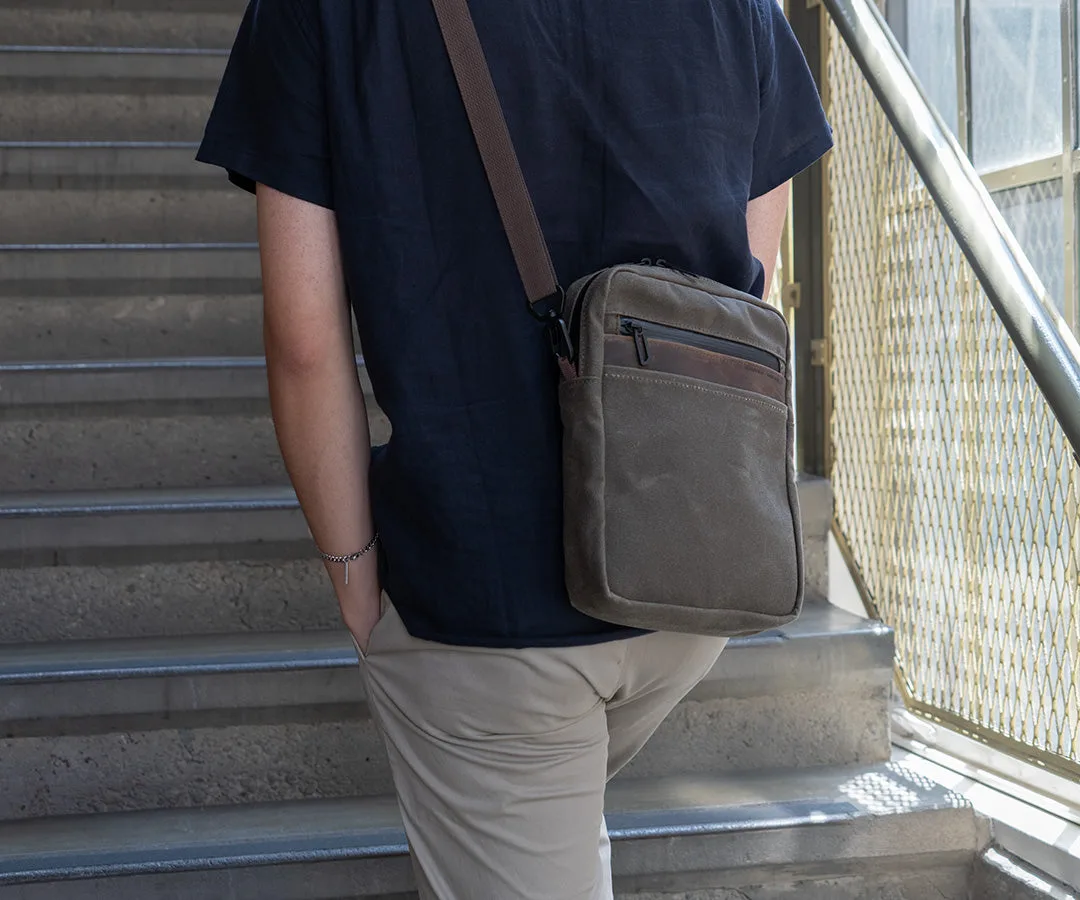
For a concrete example, the https://sfbagsexp.com/products/essential-crossbody-pouch-45b574968a8f8a01b6a4a05f-1309996Essential Crossbody Pouch is described as fitting an iPad Mini in its main compartment, with a front zippered pocket and an open front pocket for frequently accessed items. That puts it at the larger end of the small-bag spectrum. If your daily load includes a tablet, this style of crossbody gives you a home for it without stepping up to a full backpack.
- Keep the heaviest item closest to your body to reduce bounce.
- Use the open front pocket for items you grab dozens of times a day, like a transit card or phone.
What fits in a crossbody bag for travel
For travel, a crossbody bag often becomes your personal item: passport, boarding pass, phone, wallet, a small camera, and a compact charger. The taller body lets you stand documents upright, and a zippered main compartment keeps them secure. Some crossbody bags also include a dedicated tablet sleeve, which is useful if you want to leave your laptop in a larger bag and carry only the essentials through the airport.
The trade-off is weight distribution. A crossbody carries more than a sling, but all of that weight sits on one shoulder. If you pack it heavily, you will feel it by the end of a travel day. A sling distributes less weight but also holds less, so it works better as a secondary bag for quick errands once you reach your destination.
- Choose a crossbody with a wide, adjustable strap if you plan to carry a tablet or camera all day.
- Keep your passport and cards in a zippered interior pocket rather than the open front pocket.
When a sling beats a crossbody (and vice versa)
A sling wins when you want your bag to disappear: cycling, walking a crowded market, or moving through a city where you prefer your hands free and your bag tight to your body. It also pairs well with a larger backpack, since you can wear the sling on your chest and keep your phone and transit card accessible without taking off the backpack.
A crossbody wins when your essentials include something tall or flat and rigid, like an iPad Mini, a small notebook, or a passport. It also gives you a more traditional look for work or dinner. The honest trade-off is that a crossbody can swing and feel heavier on one shoulder, while a sling can feel limiting if your load grows beyond the basics.
- If you carry a tablet daily, start your search with crossbody bags that list a tablet sleeve or an iPad Mini-friendly main compartment.
- If you mostly carry a phone, wallet, and keys, a sling will feel lighter and more secure.
Trade-offs to weigh before you choose
- Carry position: A sling sits high and tight across your chest or back; a crossbody hangs at your hip. The sling stays put during movement, while the crossbody gives you a taller compartment and easier side access. Choose a sling for cycling or crowded transit; choose a crossbody for upright items and a more traditional look.
- Capacity limit: A sling typically holds a phone, wallet, keys, and small accessories. A crossbody can add an iPad Mini, a passport, or a compact camera because of its taller body. If your daily load includes a tablet or documents, a crossbody is the safer starting point.
- Weight and comfort: Both styles put weight on one shoulder. A crossbody carries more but can feel heavier as you add items; a sling carries less but stays closer to your body. Pack only what you need, and look for an adjustable strap so you can fine-tune the fit.
Product facts that show the difference
- Essential Crossbody Pouch: Designed for quick accessibility, the crossbody has three areas to organize your essentials: a main compartment that fits an iPad Mini, a front zippered pocket, and an open front pocket to store frequently-accessed items. This is a concrete example of a crossbody that fits a small tablet, so you can compare it directly against a sling that would only hold a phone and wallet.
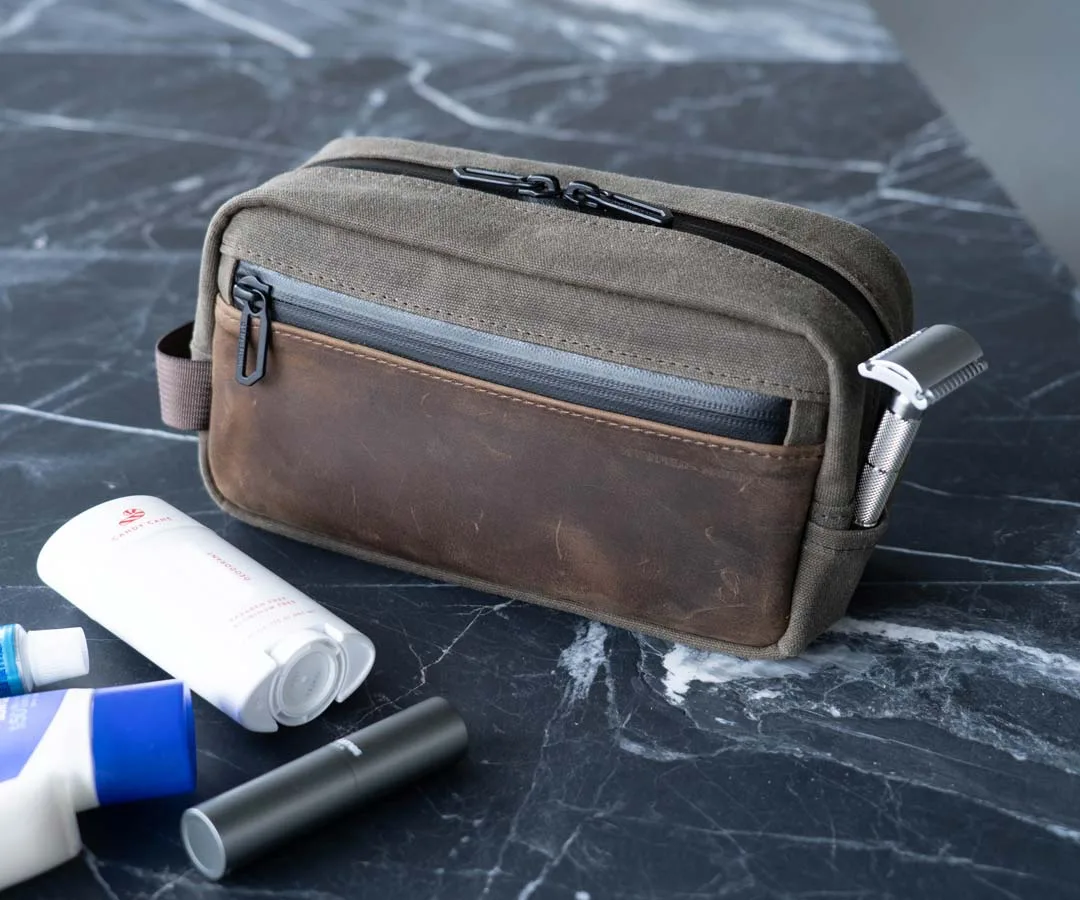
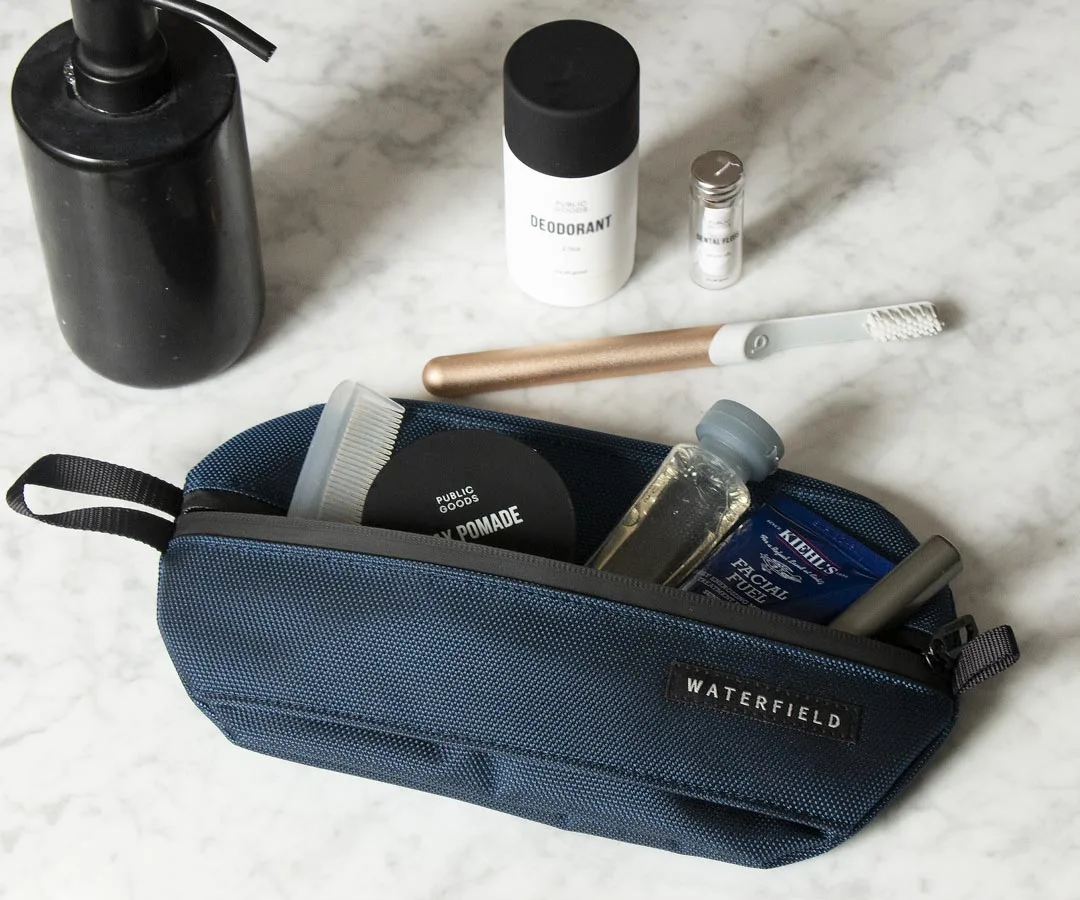
- Travel Toiletry Bag: The Travel Toiletry Bag organizes your grooming essentials in one handy place. Two handy side holders keep a toothbrush and razor upright and ready for use, an upgrade from old-school Dopp kits. The wide opening has two zipper pulls so you can easily store and retrieve items. If you travel with a crossbody as your personal item, a separate toiletry bag keeps small liquids and grooming tools from crowding your daily essentials.
Which should you carry?
Best for
- Daily carry with a phone, wallet, keys, and earbuds
- Cycling or active commutes where you want the bag locked to your body
- A secondary bag worn on your chest while using a backpack
Not for
- Carrying an iPad Mini, a full-size notebook, or a passport upright
- Days when you need a water bottle and a light jacket
- Travelers who want one bag to hold documents and a tablet
Start by listing your largest everyday item. If it is a phone, a sling keeps things light and secure. If it is a tablet or a passport, a crossbody like the Essential Crossbody Pouch gives you the vertical room and organization you need. Match the bag to your real load, not the other way around.