If you have a reactive dog, you know the struggle of every walk: barking, lunging, and pulling at the sight of other dogs, people, or even squirrels. Traditional collars and harnesses often don't provide enough control, and retractable leashes can be a safety hazard. That's where a slip lead comes in—a simple yet powerful tool that can transform your walks and help your dog learn to stay calm.
In this guide, we'll explore the benefits of using a slip lead for reactive dogs, how to use it correctly and humanely, and why it might be the missing piece in your training toolkit. We'll also share practical tips to help you and your furry friend enjoy peaceful, stress-free walks.
What is a Slip Lead and How Does It Work?
A slip lead is a leash with a loop at one end that tightens around your dog's neck when you pull, and loosens when you release the tension. Unlike a standard flat collar, a slip lead provides gentle but effective communication through pressure and release. It's a favorite among trainers because it mimics the natural corrections a mother dog gives to her puppies.
For reactive dogs, the slip lead offers a quick and effective way to redirect their attention. When your dog starts to react, a gentle upward or sideways tug can break their focus and encourage them to look back at you. The key is to use it as a communication tool, not a punishment device.
- Quick to put on and take off—no buckles or clips.
- Allows for fast adjustments in pressure, ideal for training.
- Can be used as a collar and leash in one, reducing gear.
Key Benefits of Using a Slip Lead for Reactive Dogs
One of the biggest benefits of a slip lead is the control it provides. When a reactive dog suddenly lunges, you need to regain control instantly. The slip lead's tightening action gives you a secure hold without the bulk of a harness. This can prevent escapes and keep both you and your dog safe.
Another advantage is the clear communication it offers. Dogs respond well to consistent pressure and release. The slip lead allows you to signal your dog to stay close, stop pulling, or turn around—all without yelling or yanking. Over time, this can help reduce your dog's reactivity because they learn that calm behavior leads to loose leash and freedom.
- Enhances safety during unexpected triggers.
- Improves communication and responsiveness.
- Helps in teaching loose-leash walking.
How to Use a Slip Lead on a Reactive Dog: Step-by-Step
Using a slip lead correctly is crucial for both effectiveness and your dog's comfort. Start by placing the loop around your dog's neck, with the loose end coming from the top. The correct position is high on the neck, just behind the ears, which gives you the most control. Make sure the loop is not too tight when at rest—you should be able to fit two fingers between the lead and your dog's neck.
When your dog begins to react, give a quick, gentle tug to the side or upward, then immediately release the pressure. This should be a 'pop' rather than a sustained pull. The goal is to interrupt the reaction, not to choke your dog. As soon as your dog looks at you or relaxes, reward them with praise or a treat. Consistency is key—with practice, your dog will learn that reacting leads to pressure, while calm behavior leads to rewards.
- Practice in a low-distraction environment first.
- Use a high-value treat to reward calm behavior.
- Keep sessions short and positive to avoid frustration.
Choosing the Right Slip Lead for Your Reactive Dog
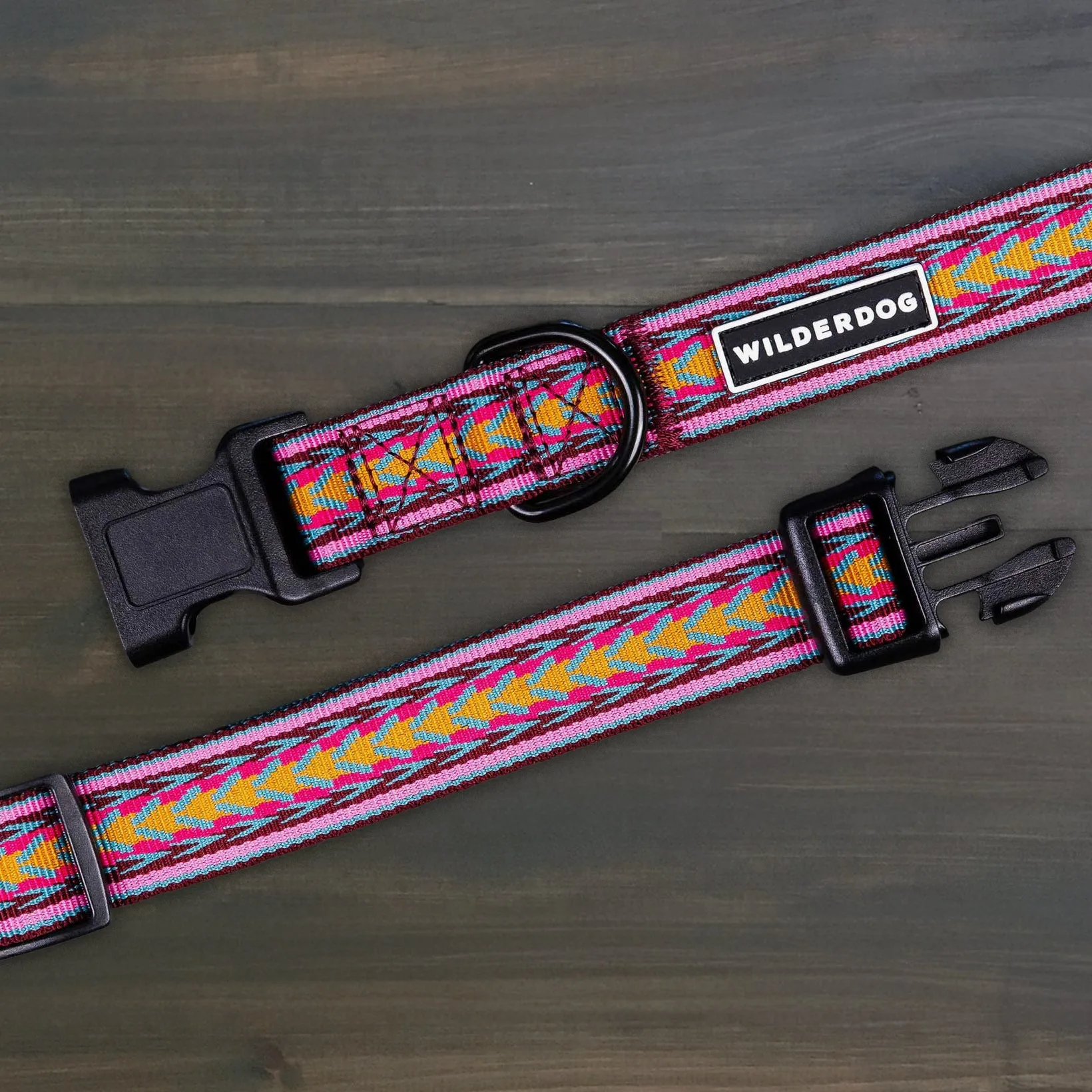
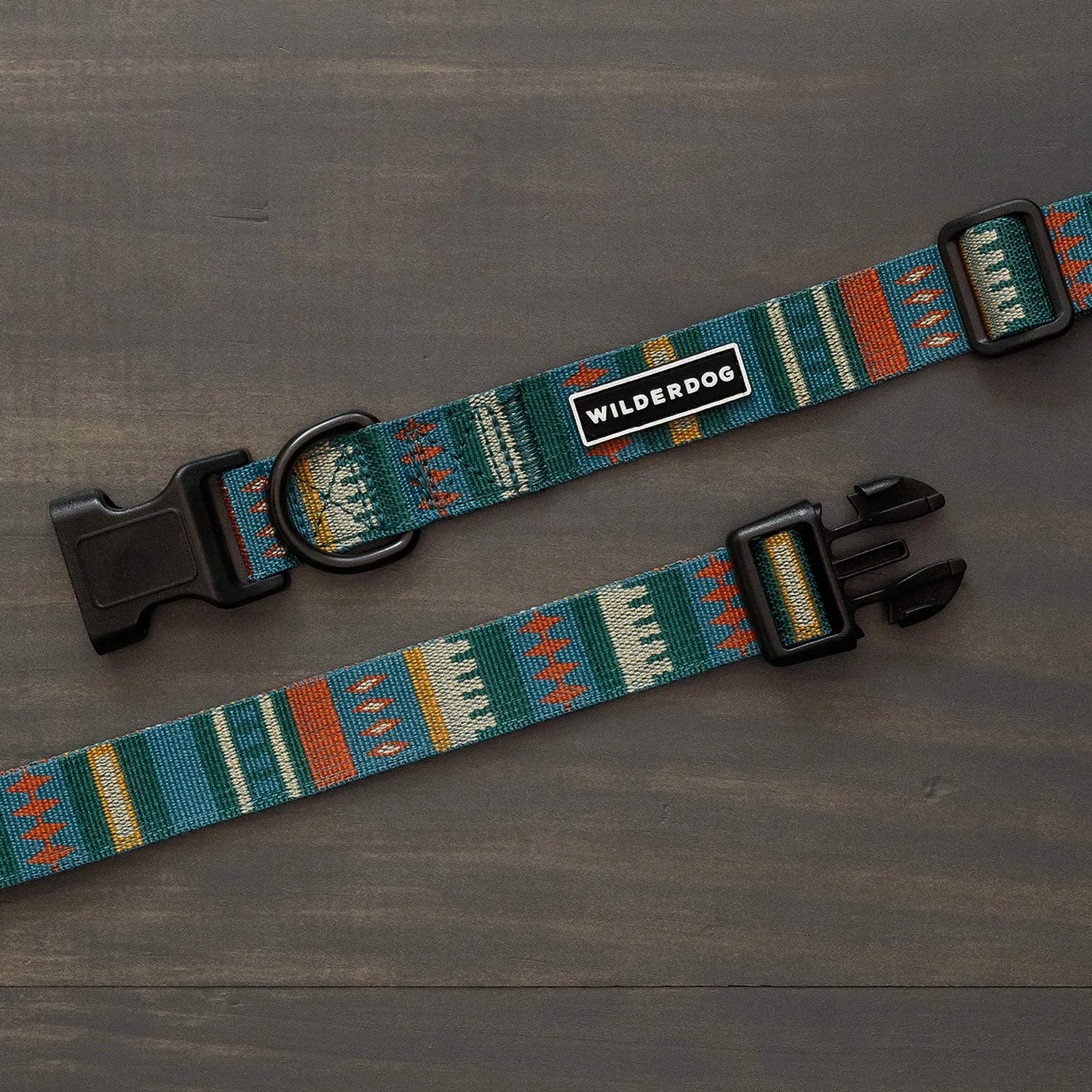
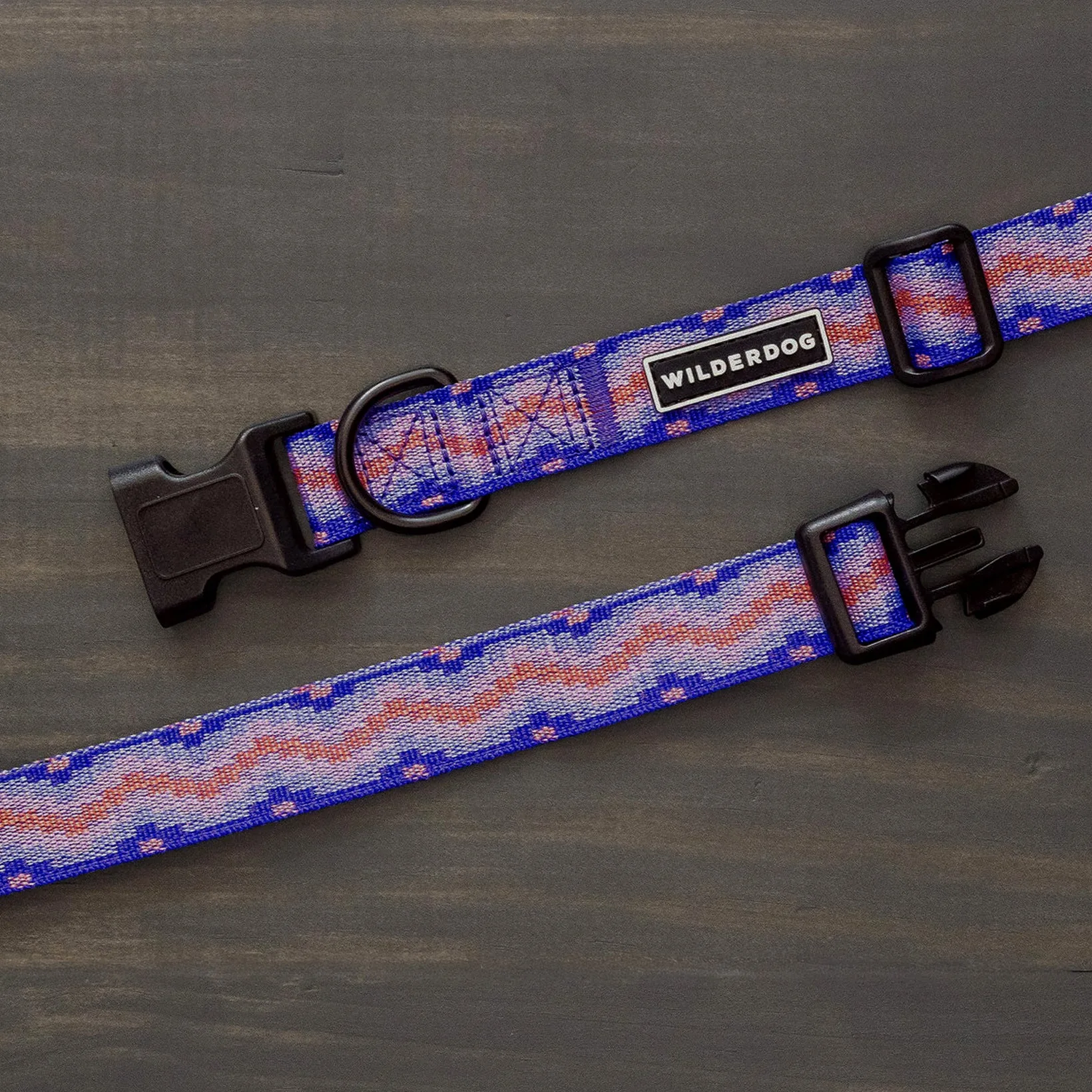
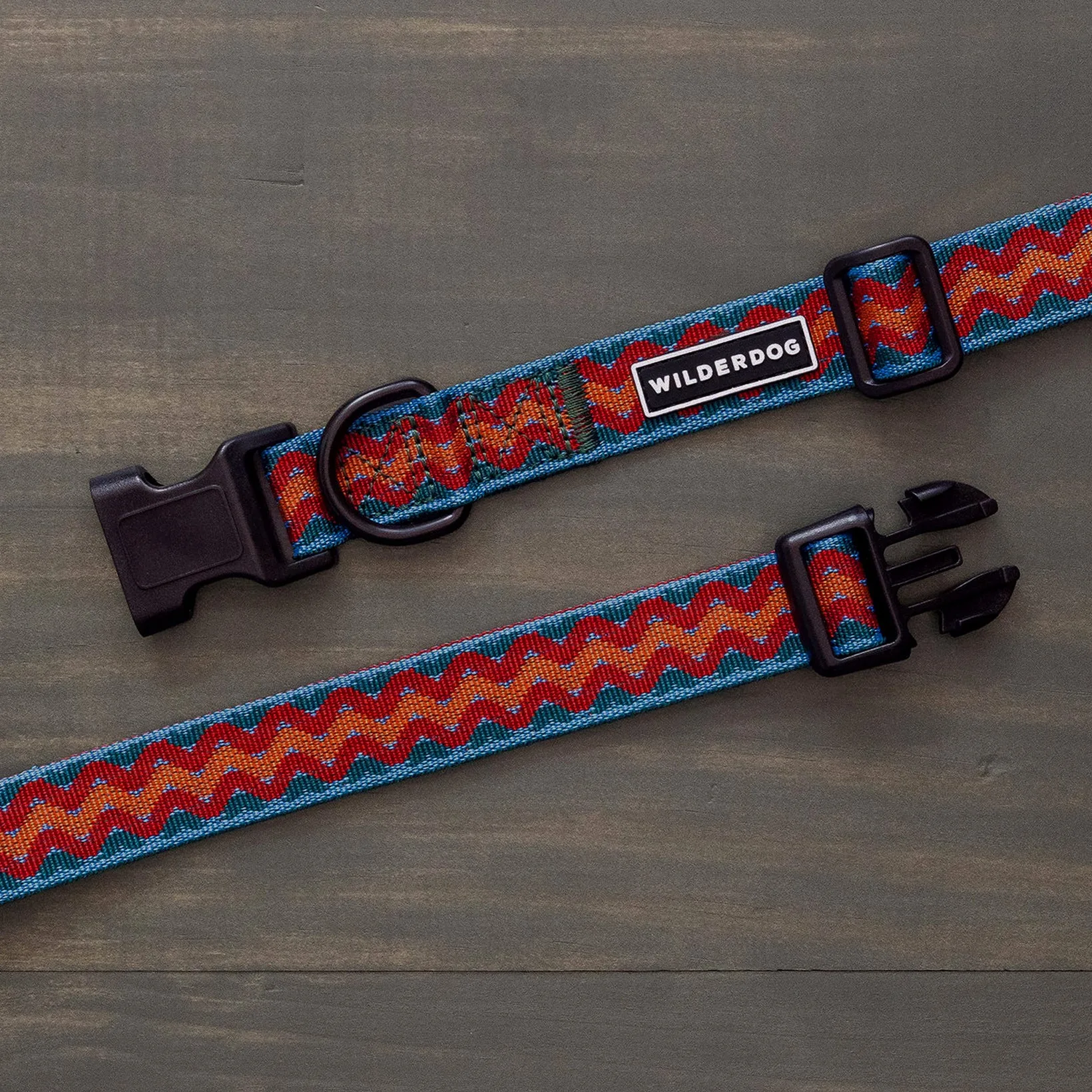
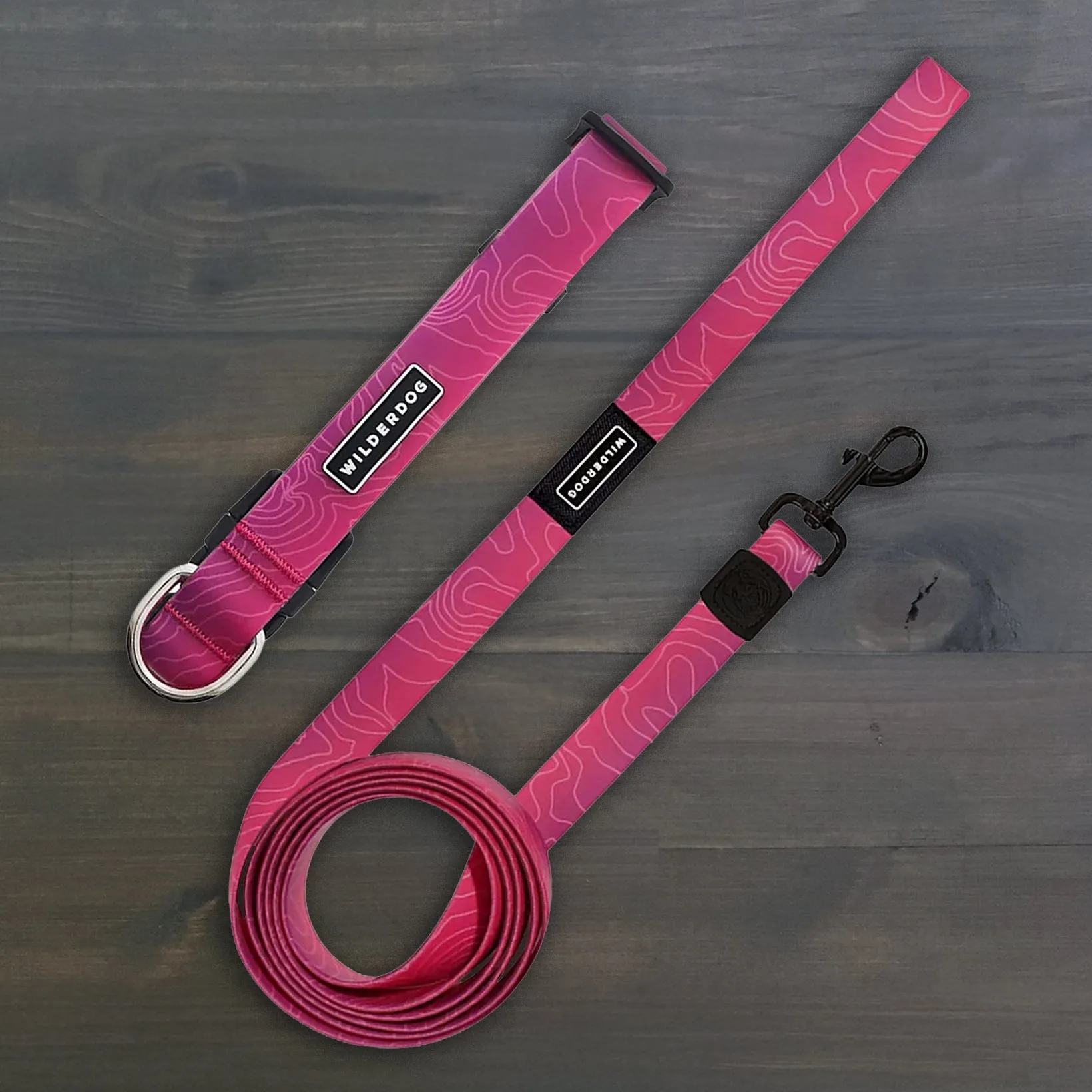
Not all slip leads are created equal. For reactive dogs, you want a lead that is durable, comfortable, and easy to adjust. Look for materials like high-quality rope or nylon that won't cause rope burn. At Wilderdog, we offer a range of slip leads and collars designed with both comfort and control in mind.
For instance, the Sandstone Ultralight Collar is a great option if you prefer a collar that can double as a slip lead. It's lightweight, making it ideal for dogs who are sensitive to heavy gear. Alternatively, the Marina Ultralight Collar offers a pop of color while providing the same functionality. If you're looking for a dedicated slip lead, consider our Playa Ultralight Leash, which is lightweight and easy to handle, perfect for training sessions.
- Opt for a width that matches your dog's size—1/2 inch for small dogs, 3/4 inch for medium, and 1 inch for large breeds.
- Check the stitching and hardware for durability.
- Consider a reflective feature for early morning or evening walks.
Common Mistakes to Avoid When Using a Slip Lead
One of the most common mistakes is keeping constant tension on the leash. This teaches your dog to pull against the pressure, making reactivity worse. Always keep the leash loose when your dog is calm, and only apply pressure when you need to redirect.
Another mistake is using the slip lead as a punishment tool. Jerking harshly or repeatedly can cause fear and anxiety, which exacerbates reactivity. Instead, use it as a training aid to guide and reward. Also, avoid using a slip lead on puppies under six months or dogs with respiratory issues, as it can be too harsh on their necks.
- Never tie your dog with a slip lead—it's a training tool, not a tie-out.
- Don't leave a slip lead on your dog unattended.
- If your dog coughs or gags, you're using too much pressure—loosen up.
Combining Slip Lead Training with Other Techniques
A slip lead works best when combined with positive reinforcement training. Use treats to reward your dog for focusing on you, and gradually increase the distance from triggers. You can also pair the slip lead with a clicker to mark desired behaviors. Over time, your dog will associate the pressure of the slip lead with a cue to check in with you, making walks more enjoyable.
Remember, reactivity is often rooted in fear or frustration. The slip lead is a tool to help you communicate, but it's essential to address the underlying emotions. Consider working with a professional trainer if your dog's reactivity is severe. With patience and consistency, you can help your dog become calmer and more confident.
- Use high-value treats like chicken or cheese to build positive associations.
- Practice 'look at me' exercises to strengthen focus.
- Gradually expose your dog to triggers at a distance where they remain calm.
A slip lead can be a game-changer for reactive dogs, offering control, safety, and clear communication. By using it correctly and pairing it with positive training, you can help your dog stay calm and enjoy walks again. Explore our range of high-quality slip leads and ultralight collars at Wilderdog to find the perfect fit for your furry friend. With the right tools and techniques, you'll both look forward to your daily adventures.