Quick Answer
For stopping pulling, a slip lead gives you more immediate control because it tightens evenly around the neck when your dog pulls, then loosens when they stop. A martingale collar is the safer choice for dogs who back out of regular collars, but it won't stop pulling on its own. If your dog pulls hard, pair either tool with training, and choose a slip lead for active training sessions and a martingale for everyday safety.
How a Slip Lead Actually Stops Pulling
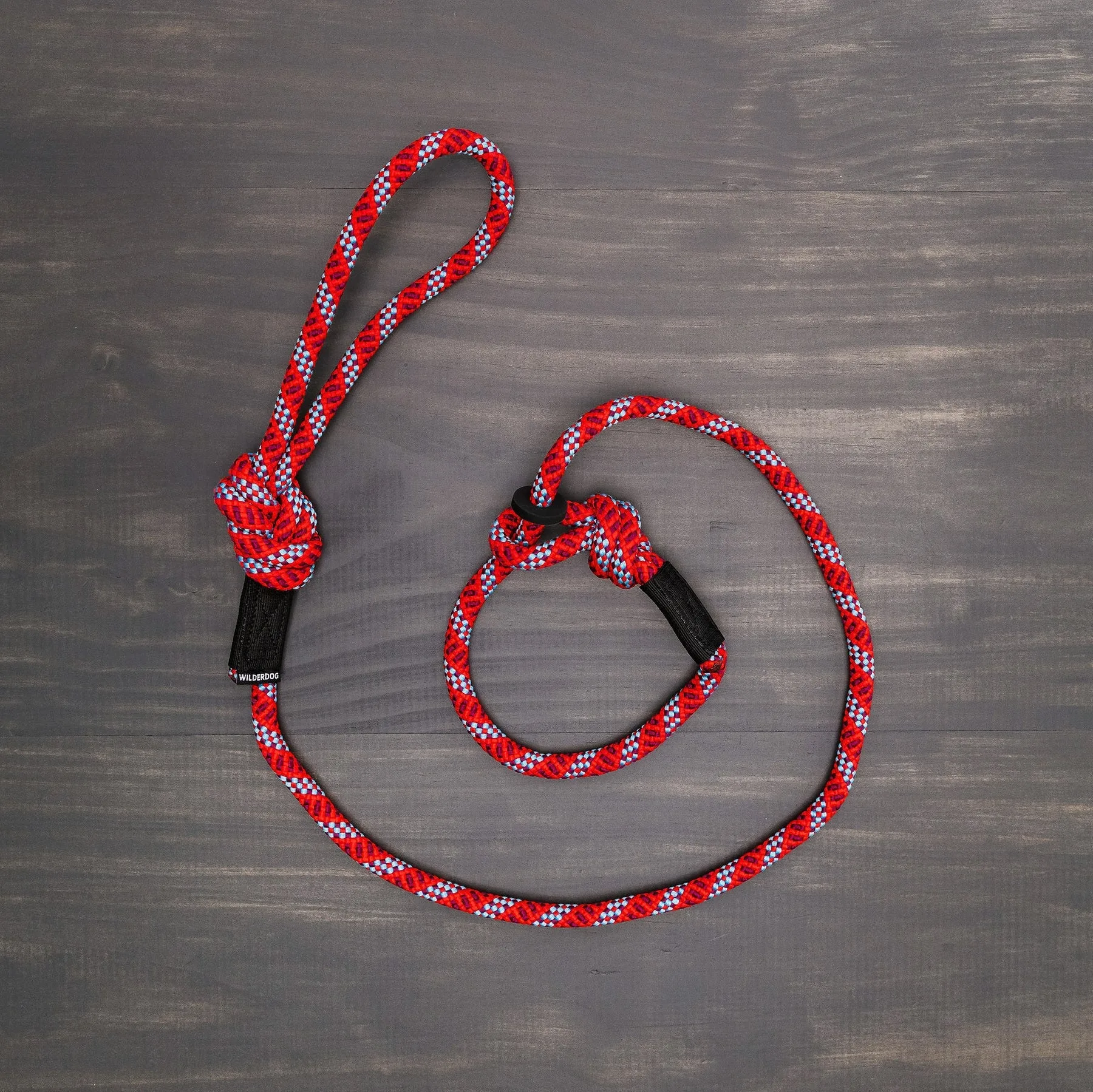
A slip lead is a single loop of rope that tightens when your dog pulls and loosens the moment they stop. This gives you a direct, gentle signal to your dog's neck. The key is timing: the pressure releases as soon as your dog yields, which teaches them that pulling creates discomfort and walking politely makes it go away. For dogs still learning recall, a long lead like the Pacific Blue Reflective Long Lead - 30ft gives them room to roam while keeping them safe, but it's not a slip lead—it's a long line for distance work. For close-up pulling, a standard 6-foot slip lead is the right tool.
What a Martingale Collar Does (and Doesn't Do)
A martingale collar has two loops: a larger one that goes over the head and a smaller control loop that tightens when you pull the leash. It was designed to keep sighthounds and narrow-headed dogs from slipping out of their collars, not to stop pulling. The tightening action is limited—it won't choke your dog—but it also won't give you the same level of control as a slip lead. Think of it as a safety collar for dogs who are escape artists, not a dedicated anti-pull device.
The Trade-Offs: Control vs. Safety
Slip leads offer more control for training but require careful use: they can cause discomfort if your dog lunges hard or if you don't release pressure promptly. Martingale collars are safer for daily wear because they won't tighten indefinitely, but they don't actively discourage pulling. If your dog pulls like a freight train, a slip lead paired with a reward-based training plan is your best bet. If your dog is a Houdini who slips collars, a martingale is the safer everyday choice.
Fit Matters More Than the Tool
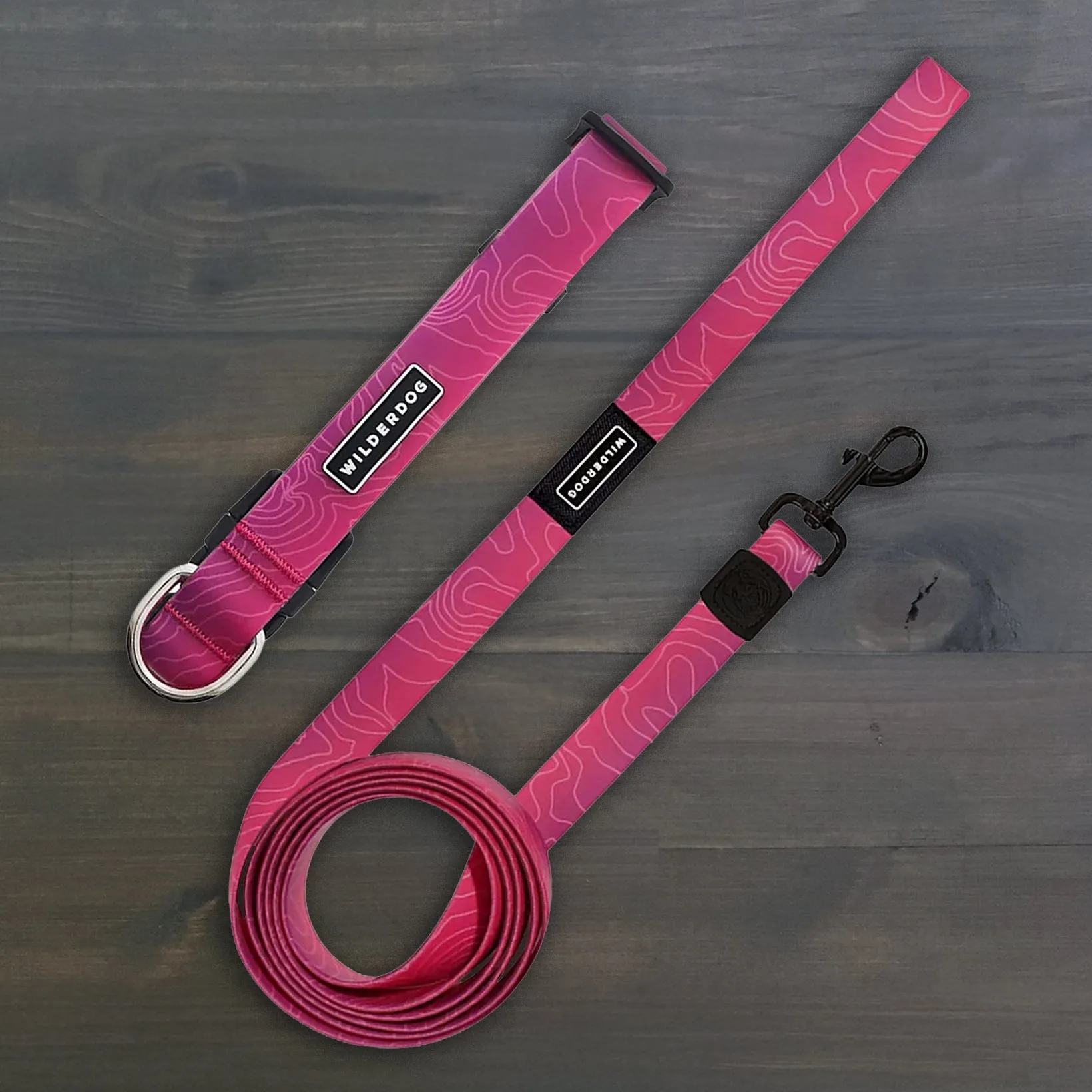
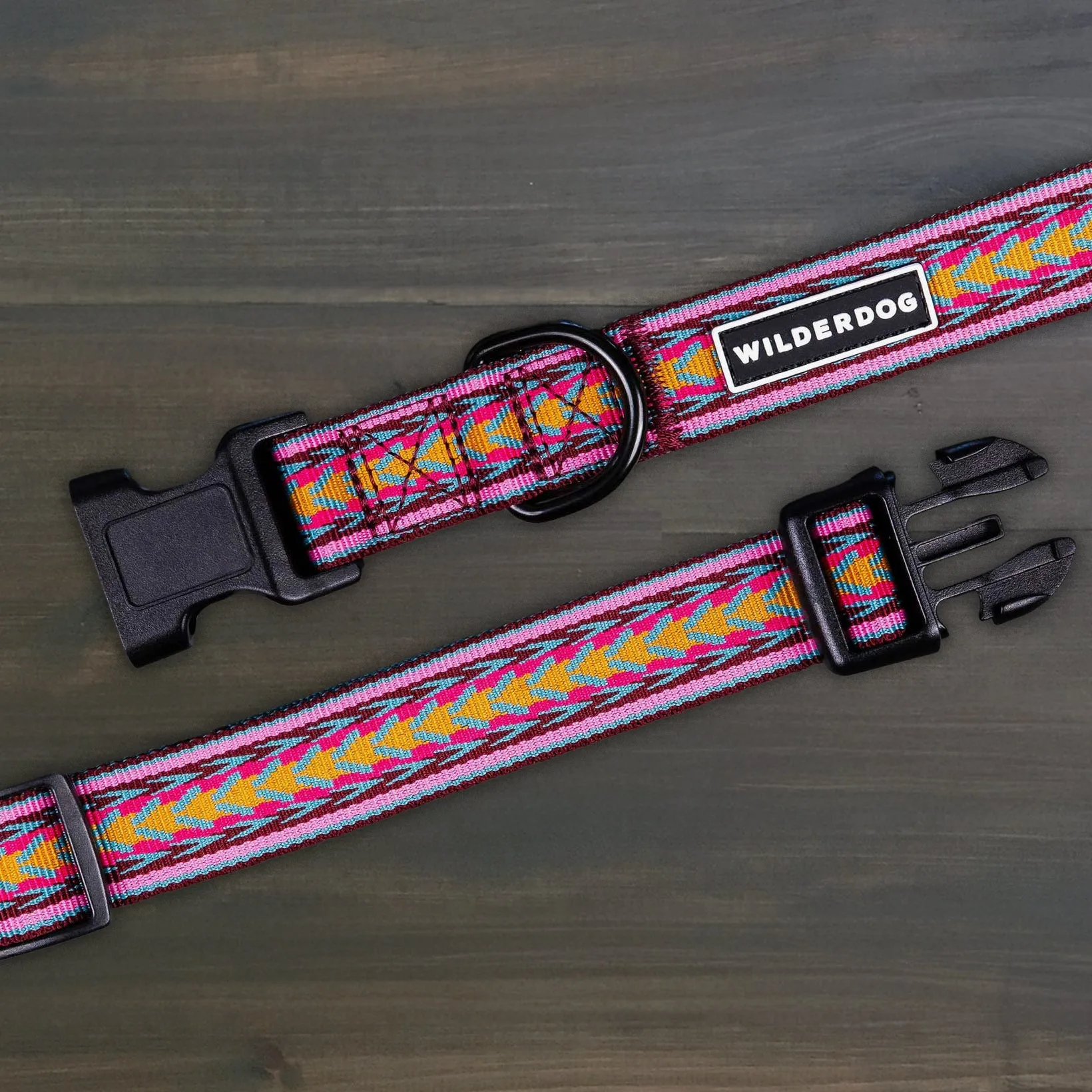
No collar or lead will work if it doesn't fit. A slip lead should sit high on the neck, just behind the ears, and tighten only enough to communicate—never so much that your dog gasps. A martingale should be snug: you should be able to fit two fingers under the smaller loop when it's tightened. Always measure your dog's neck before buying. For dogs with thick necks or heavy coats, a wider collar like the Daybreak Ultralight Collar distributes pressure better and is made from lightweight polyester webbing with a heavy-duty plastic buckle and iron D-ring, so it's strong without being bulky.
When to Choose Each Tool
Use a slip lead for focused training walks where you're actively teaching loose-leash walking. Use a martingale collar for everyday walks if your dog tends to back out of regular collars, or if you have a sighthound. You can also use a martingale as a backup safety collar alongside a slip lead, but never attach two leashes to the same collar. And remember: no tool replaces training. Reward your dog for walking beside you, and keep sessions short and positive.
Trade-Offs at a Glance
- Control: Slip leads tighten evenly to give you immediate feedback and control when your dog pulls. Martingale collars tighten only to a point, so they offer less pulling deterrent. Choose a slip lead if you need active pulling control during training.
- Safety: Martingale collars are designed to prevent escape without choking, making them safer for daily wear. Slip leads can cause discomfort if misused or left on unsupervised. Choose a martingale if your dog is an escape artist or you want a safer everyday collar.
- Training Curve: Slip leads require timing and gentle hands to be effective and humane. Martingale collars are easier to use but won't teach loose-leash walking on their own. Commit to positive reinforcement training with either tool for the best results.
Products That Fit This Comparison
- Pacific Blue Reflective Long Lead - 30ft: Pacific Blue Reflective Long Lead - 30ft is made with tightly spun polypropylene/polyester 5/16 inch rope, woven with reflective strands, and has an aluminum carabiner that swivels and locks. This long lead is ideal for recall training and giving your dog distance, but it's not a slip lead—so it won't stop pulling in close quarters. The reflective strands help in low light, and the locking carabiner adds security.
- Daybreak Ultralight Collar: Daybreak Ultralight Collar is 1 inch wide, made from tightly woven lightweight polyester webbing, with a heavy-duty plastic buckle and iron D-ring. This collar is a sturdy everyday option that won't weigh your dog down. The 1-inch width helps distribute pressure if your dog pulls, and the iron D-ring is strong enough for walks.
Which Should You Choose?
Best for
- Dogs that pull hard and need active training feedback
- Owners who will use the tool only during supervised training sessions
- Dogs with thick necks where a 1-inch collar like the Daybreak Ultralight Collar fits well
Not for
- Dogs who back out of collars—choose a martingale instead
- Dogs with trachea issues or very small necks—consult a vet first
- Owners who want a leave-on collar for all-day wear—use a martingale or standard collar