Quick answer
Paper bedding is the safest all-around choice for most small pets because it is soft, absorbent, and low-dust. Wood bedding costs less but only kiln-dried aspen or similar low-aromatic options are appropriate, and softwood shavings should be avoided. Fleece is the best reusable option for guinea pigs and rabbits that are litter-trained, but it requires daily spot-cleaning and regular washing.
Walk down the small pet aisle and you will see paper, wood, and fleece bedding side by side, each with a different set of trade-offs. The right choice depends less on brand and more on your animal, your cleaning routine, and how much you want to spend over time.
This comparison breaks down how each bedding type handles absorbency, odor, dust, and cost so you can match a bedding to your guinea pig, hamster, or rabbit instead of guessing.
How the three bedding types actually differ
Paper bedding is made from shredded or pelleted cellulose. It is soft, highly absorbent, and generally low-dust, which makes it a common pick for guinea pigs, hamsters, and rabbits with sensitive respiratory systems. The main downside is cost: paper bedding needs frequent full changes, so the price adds up over a year.
Wood bedding is usually shavings or pellets. Kiln-dried aspen and some hardwood pellets control odor well and cost less per change, but softwood shavings like pine or cedar release aromatic oils that can irritate small pet lungs. If you choose wood, confirm it is kiln-dried and low-aromatic.
Fleece is a fabric liner rather than a loose substrate. It wicks moisture to an absorbent layer underneath and is reusable, which cuts long-term cost. The trade-off is labor: you need to spot-clean daily and wash the fleece regularly, and it works best for litter-trained animals.
- Paper: best all-around for sensitive noses and easy cleanup.
- Wood: cheapest per change if you confirm kiln-dried, low-aromatic stock.
- Fleece: lowest long-term cost, highest daily maintenance.
Absorbency and odor control
Paper bedding absorbs quickly and holds moisture in the fibers, which helps keep the surface dry between changes. That said, paper can start to smell if it is not changed often enough, because the absorbed urine stays in the cage until you remove it.
Wood bedding, especially pellets, tends to neutralize ammonia odors longer than paper. This is why wood is popular for rabbits and guinea pigs in larger enclosures. The catch is that some wood types are not safe, so the odor advantage only applies to kiln-dried, low-aromatic products.
Fleece does not absorb on its own. It wicks liquid down to an absorbent pad or towel, so odor control depends entirely on how often you wash the fleece and change the underlayer. Done well, fleece can be very low-odor; done poorly, it becomes the smelliest option.
Dust, safety, and respiratory risk
Dust is the factor most often overlooked. Paper bedding is typically the lowest-dust option, which matters for hamsters and guinea pigs that spend their lives close to the substrate. If you or your pet react to dusty bedding, paper is the safer starting point.
Wood bedding varies widely. Kiln-dried aspen is generally considered safe, while fresh pine and cedar shavings release phenols that can cause respiratory problems in small animals. Never assume all wood bedding is equal; check the label for species and drying method.
Fleece produces no dust at all, which makes it a strong choice for animals with confirmed respiratory sensitivity. The trade-off is that fleece must be washed with pet-safe detergent and no fabric softener, since residue can reduce wicking and irritate skin.
- Choose paper first if dust is a concern.
- Avoid fresh pine and cedar shavings for small pets.
- Wash fleece without fabric softener to keep it wicking.
Cost and cleaning workload over time
Paper bedding has a low upfront price but a high ongoing cost because you replace it fully every few days. For a single hamster this is manageable; for a large rabbit enclosure it adds up quickly.
Wood bedding usually costs less per volume, so it is the budget-friendly choice for bigger setups. You still do full changes, but the per-change cost is lower, and pellets can last longer before breaking down.
Fleece flips the equation. The initial purchase is higher, but you reuse it for many washes, so the monthly cost drops after the first few months. The real cost is your time: daily spot-cleaning and weekly washing are non-negotiable for odor control.
Matching bedding to your specific pet
Guinea pigs do well on paper bedding or fleece. Paper is simpler if you are new to guinea pigs; fleece suits owners who already do daily cage checks and want to reduce waste.
Hamsters often prefer a deep layer for burrowing, and paper bedding supports tunneling better than pellets or fleece. A mix of paper and a small amount of safe wood can give structure without much dust.
Rabbits in large enclosures benefit from wood pellets or paper in the litter area, with fleece or a soft mat in the resting area. This hybrid approach controls odor where it matters and keeps a comfortable surface for lounging.
- Guinea pigs: paper for simplicity, fleece for low waste.
- Hamsters: deep paper bedding for burrowing.
- Rabbits: wood or paper in the litter zone, fleece in the rest area.
Trade-offs at a glance
- Paper bedding: Soft, low-dust, and easy to spot-clean, but you replace it fully every few days and the cost per change is higher than wood. Best default for sensitive noses and first-time small pet owners.
- Wood bedding: Lower cost per change and strong odor control with kiln-dried, low-aromatic options, but softwood shavings like pine and cedar can irritate lungs. Best budget pick for large enclosures if you verify the wood type.
- Fleece: Reusable and dust-free with low long-term cost, but it does not absorb on its own and needs daily spot-cleaning plus regular washing. Best for litter-trained pets and owners who will keep up with laundry.
Products that support these bedding choices
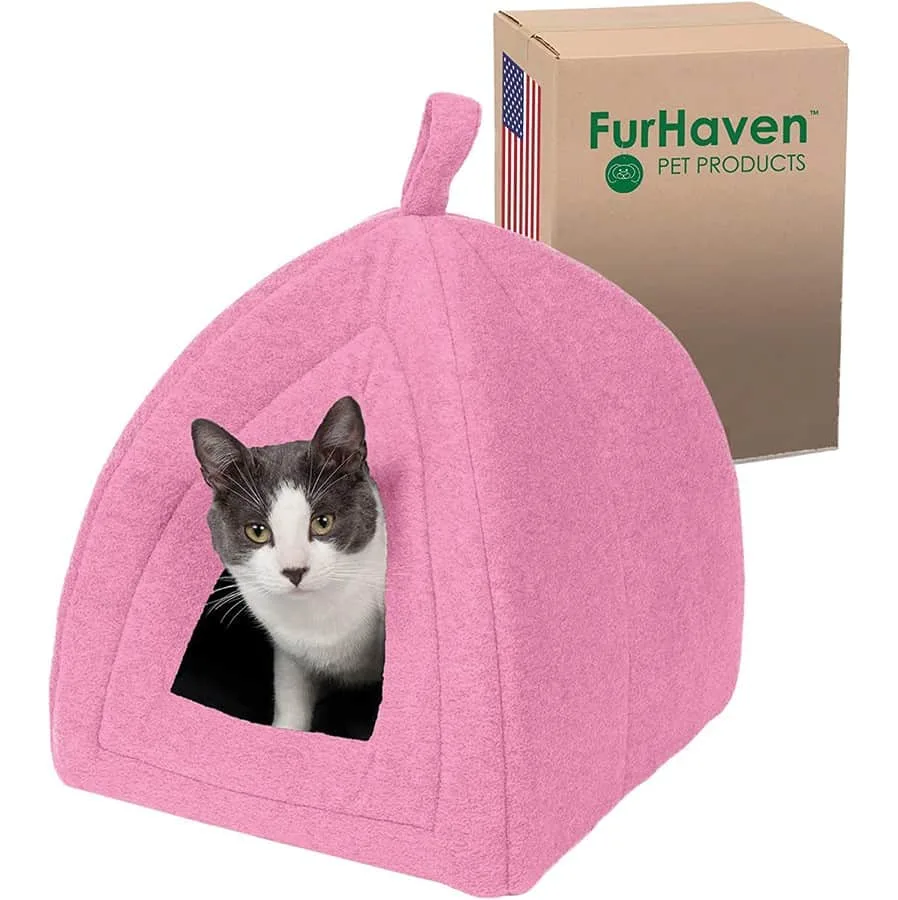
- FurHaven Collapsible Fleece Pet Tent Pink Small: Cozy, insulating foam walls give cats and small dogs the privacy and warmth they crave; made of warm polar fleece fabric in easy-care 100% polyester, with a removable base pad and 100% washability. If you already use fleece bedding, a washable fleece hideout fits the same laundry routine and gives small pets a warm, private resting spot.
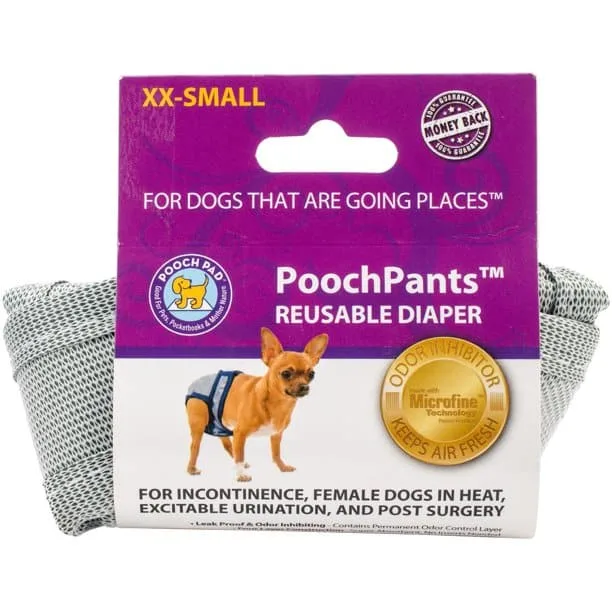
- PoochPants Reusable Dog Diaper XXS: Designed for dogs weighing up to 4 pounds, highly absorbent and washable, with MicroBan odor control and guaranteed for up to 300 washes. For very small pets with incontinence or post-surgery needs, a reusable, washable absorbent layer pairs well with fleece setups and reduces disposable waste.
Which bedding fits your situation
Best for
- New small pet owners who want a simple, low-dust setup
- Guinea pigs and hamsters with sensitive respiratory systems
- Owners willing to do daily spot-cleaning and weekly laundry to reduce waste
Not for
- Owners who want to change bedding only once a week with no daily upkeep
- Pets that are not litter-trained and would soak fleece immediately
- Anyone unwilling to confirm wood species and drying method before buying shavings
There is no single best small animal bedding, only the one that matches your pet and your routine. Start with paper if you want the safest, simplest option, use kiln-dried low-aromatic wood if cost and odor control matter most, and switch to fleece only if you will commit to daily cleaning and regular washing.