Quick answer
If you want to start capturing the Moon, Sun, or nebulae within minutes and value portability, the DWARF 3 Smart Telescope is the practical choice. If you are ready to build a modular astrophotography rig around a traditional refractor, the SVX102T-R Premier Apochromatic Triplet Refractor offers a long-term path with more control. The right pick depends on whether you prioritize instant results or incremental growth.
How setup and portability differ in real use
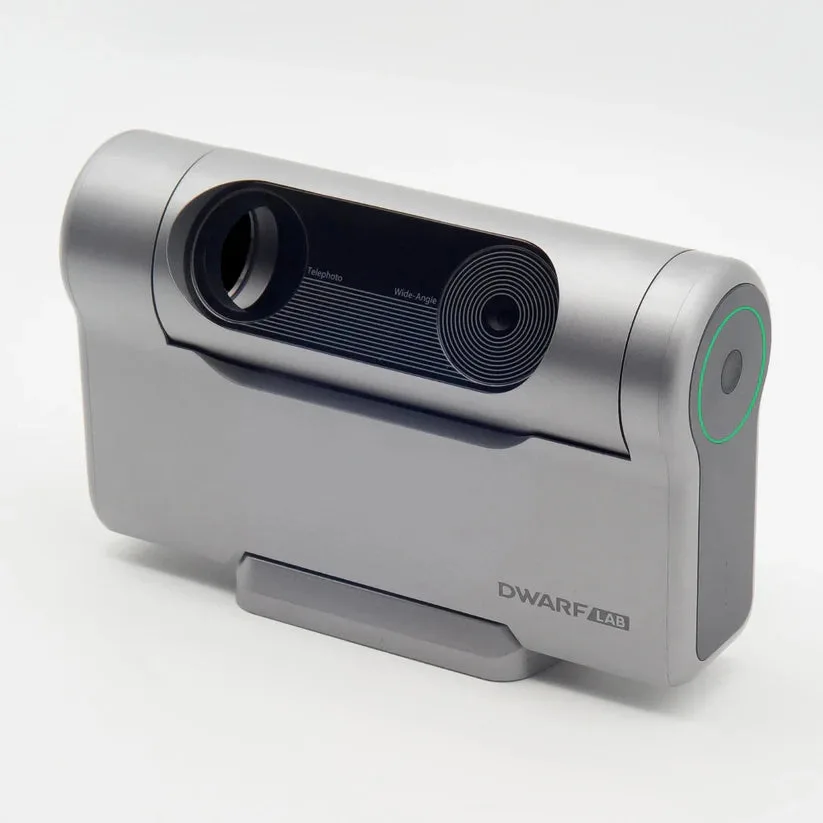
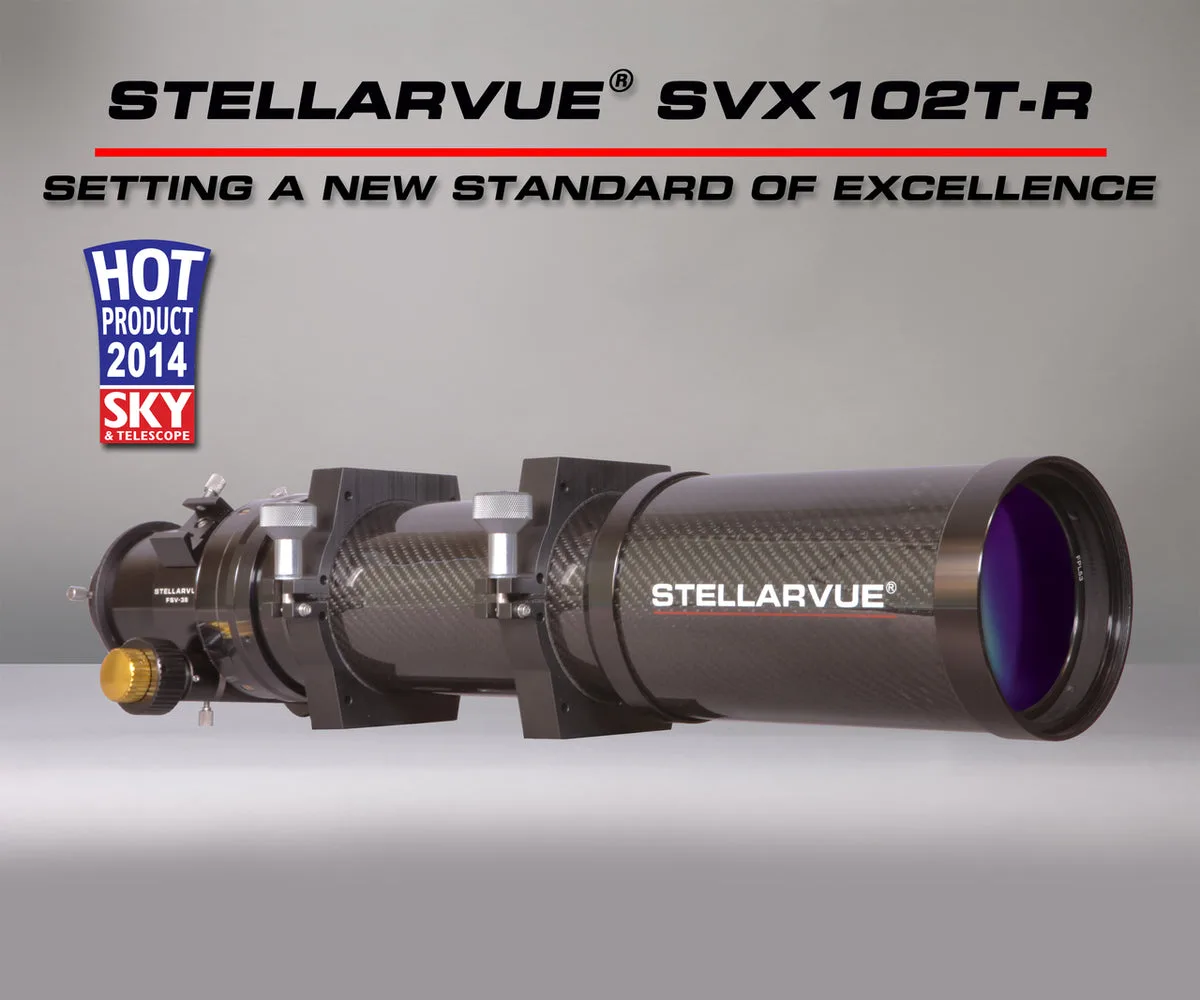
The DWARF 3 smart telescope is described as the world's most portable all-round smart telescope, with automatic setup and a compact size. That means you can carry it to a dark-sky site or set it up in a backyard without assembling a separate mount, tripod, and camera. The SVX102T-R is a 4-inch f/7 air-spaced apo triplet refractor with a 714 mm focal length. It arrives with a Universal Field Flattener and a Vixen-style dovetail plate, but you still need to supply a mount, tripod, and imaging camera. That extra gear adds setup time and weight, but it also lets you choose each component for your specific targets.
What you can capture and how quickly
The DWARF 3 is designed to capture the Moon, Sun, Milky Way, galaxies, and nebulae in just minutes. It also supports bird watching and 1-billion-pixel panorama photos, so it doubles as a daytime camera. The SVX102T-R is an imaging-oriented refractor; with the included flattener, it produces a flat field for deep-sky photography. Its 714 mm focal length gives a narrower field of view than the DWARF 3's built-in wide-field system, which can be an advantage for smaller galaxies and planetary nebulae but requires more precise tracking and longer total exposure time. Neither telescope includes a mount or camera in the supplied facts, so factor those into your budget if you choose the refractor path.
Cost and upgrade path
The DWARF 3 Smart Telescope is listed at USD 340.38 (catalog comparison price USD 549.00), while the SVX102T-R Premier Apochromatic Triplet Refractor is USD 2,984.42 (catalog comparison price USD 4,033.00). The refractor costs more upfront and still needs a mount and camera, but it is part of a modular system: you can upgrade the mount, camera, or add the optional diagonal or focuser later. The DWARF 3 is an all-in-one package; its capabilities are fixed by the included hardware and software. If you prefer to avoid tinkering and want a single purchase that works out of the box, the smart telescope is simpler. If you enjoy building and refining a rig over years, the refractor offers more room to grow.
Trade-offs at a glance
- Setup time: DWARF 3: automatic setup out of the box. SVX102T-R: requires mount, tripod, camera, and alignment. Choose the smart telescope if you want to image within minutes.
- Portability: DWARF 3 is described as the world's most portable all-round smart telescope. The SVX102T-R is a 4-inch refractor OTA that needs a sturdy mount. Travel and quick sessions favor the DWARF 3.
- Upgrade flexibility: DWARF 3 is an all-in-one system. SVX102T-R accepts different cameras, mounts, diagonals, and focusers. Long-term tinkerers will prefer the refractor.
Key product facts
- DWARF 3 Smart Telescope: Compact size, automatic setup, and shooting capabilities make astrophotography accessible to anyone, anywhere. You can start imaging without assembling a separate mount, camera, and computer.
- DWARF 3 Smart Telescope: Capture the Moon, Sun, Milky Way, Galaxy, and Nebula in just minutes. Short session times suit casual backyard use or travel.
- SVX102T-R Premier Apochromatic Triplet Refractor (with Feathertouch Focuser, Flattener, & Dovetail Plate): 4-inch f/7 air-spaced apo triplet refractor with 714 mm focal length, includes Universal Field Flattener and Vixen-style dovetail plate. Provides a flat-field imaging platform that accepts different cameras and mounts for a custom rig.
- SVX102T-R Premier Apochromatic Triplet Refractor (with Feathertouch Focuser, Flattener, & Dovetail Plate): Objective lens is hand figured in Auburn, CA, to a higher optical standard. Aims for sharper, more color-correct images than entry-level refractors.
Which should you choose?
Best for
- Beginners who want to capture the Moon, Sun, or nebulae within minutes.
- Travelers and casual imagers who value a compact, all-in-one setup.
- Anyone who prefers automatic operation over manual assembly.
Not for
- Imagers who want to swap cameras, mounts, or focusers over time.
- Users planning to image small galaxies or planetary details at long focal lengths.
- Those who already own a mount and camera and want to build a modular rig.