Quick answer
Choose a smart vacuum if you want a versatile, manual-cleaning tool you control directly; pick a robot vacuum if you prefer automated, scheduled floor care. Your decision depends on whether you value hands-on flexibility or set-and-forget convenience.
Maintenance and replacement parts: what to expect
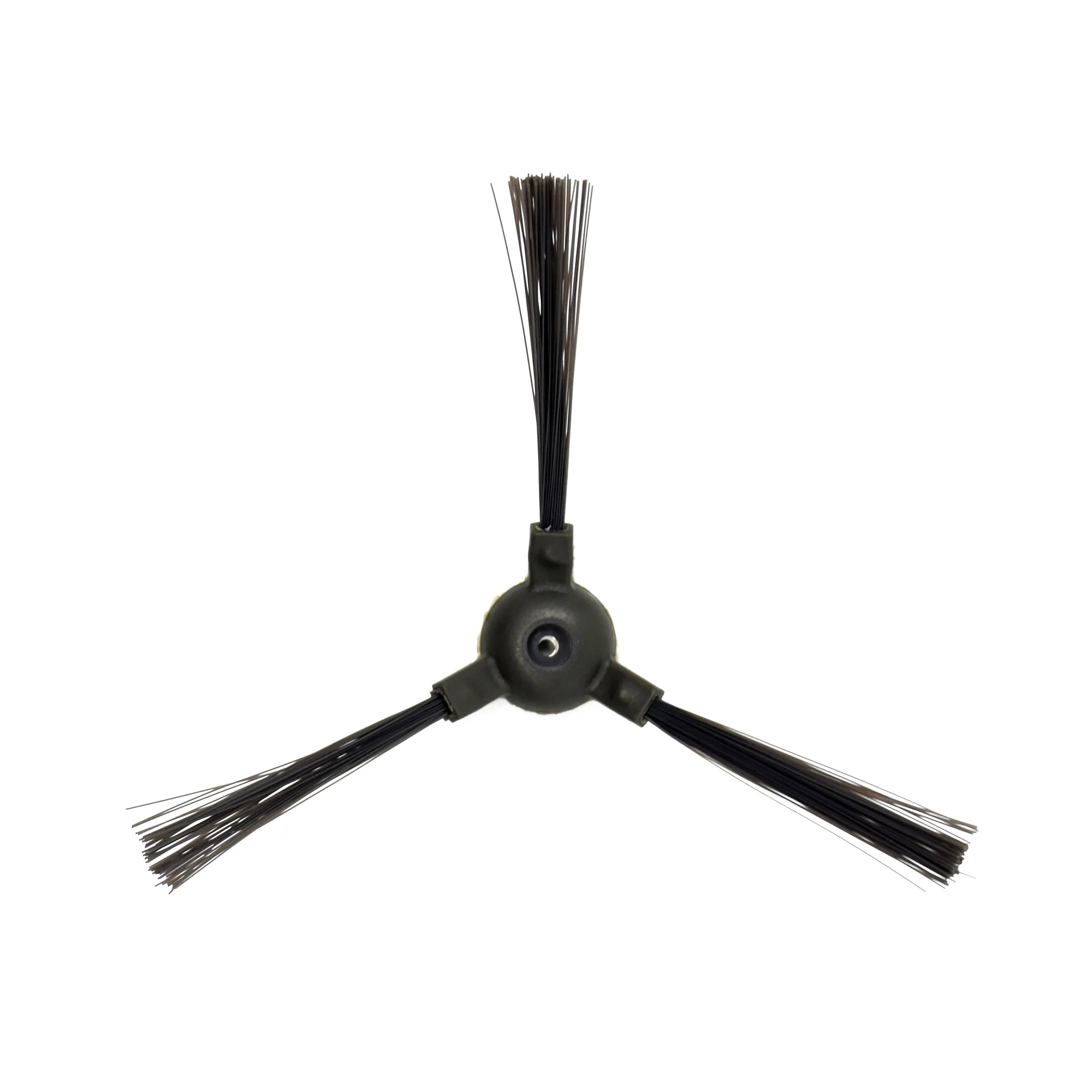
Both smart vacuums and robot vacuums require regular upkeep, but the parts you replace differ. Smart vacuums often use side brushes to sweep debris toward the suction path, and these brushes wear out over time. Robot vacuums also use side brushes, but they may need replacement more frequently due to continuous automated operation.
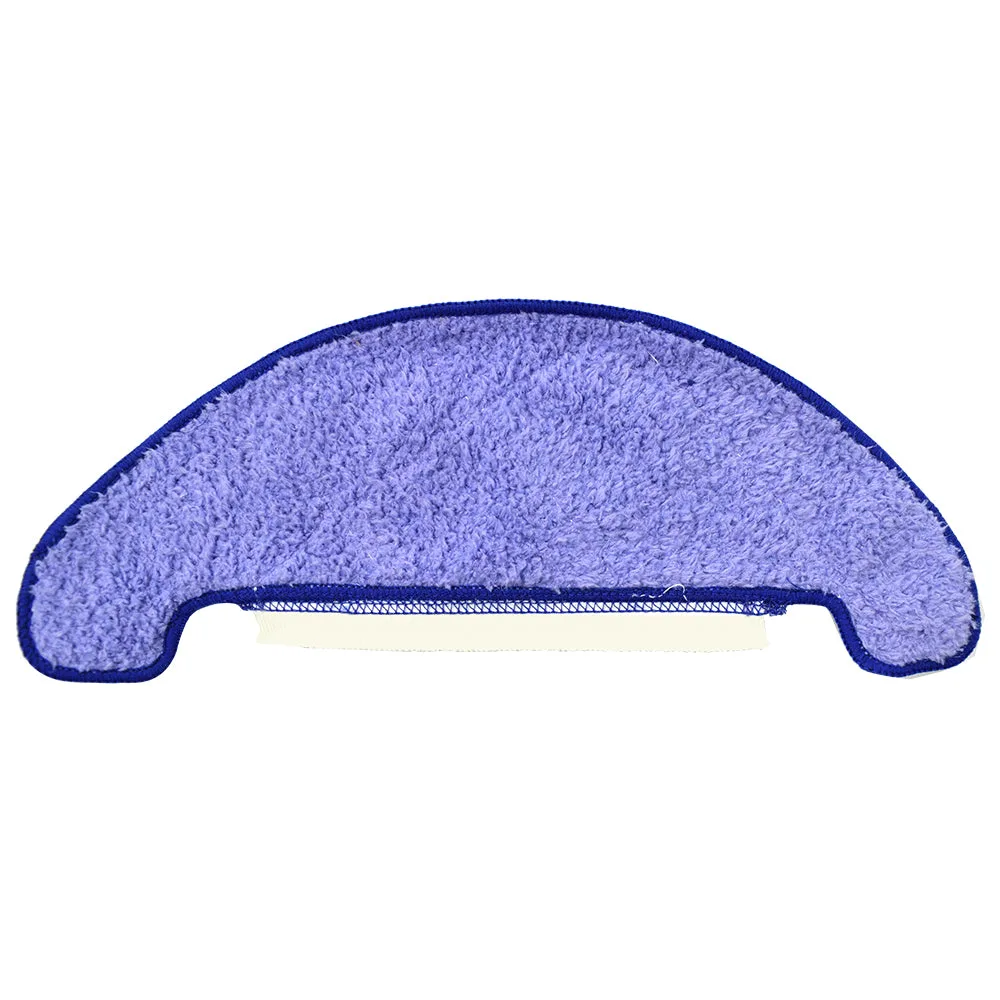
Mopping cloths are another common accessory. Smart vacuums with mopping functions use washable or disposable cloths that you clean or swap after each use. Robot vacuums with mopping pads also need regular cleaning, but the pads may last longer if the robot avoids wet areas.
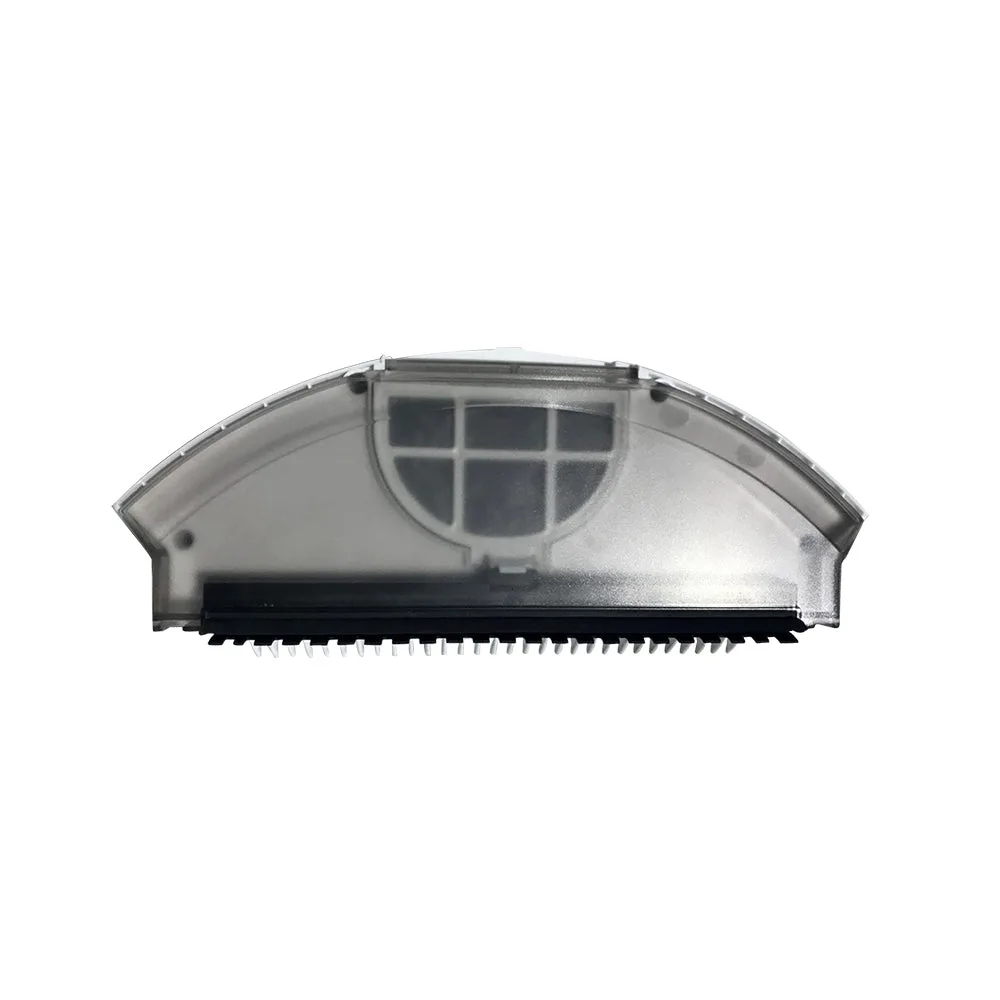
Dust bins on both types need emptying, but smart vacuum dust bins are typically larger and easier to access. Robot vacuum dust bins are smaller and may require more frequent emptying, especially in homes with pets.
Cost and value: upfront vs long-term
Smart vacuums generally cost less upfront than robot vacuums. A basic smart vacuum can be under $100, while a capable robot vacuum often starts around $200. However, replacement parts for smart vacuums—like side brushes and mopping cloths—are inexpensive. For example, a smart vacuum side brush costs about $10, and a mopping cloth set is around $6.
Robot vacuums may have higher initial cost but fewer replaceable parts. Their filters and brushes are still consumables, but the overall maintenance cost can be lower if the robot is well-maintained.
Consider your budget: if you want low upfront cost and don't mind manual work, a smart vacuum is more economical. If you prefer automation and can invest more initially, a robot vacuum may save time in the long run.
Smart vacuum vs robot vacuum: trade-offs at a glance
- Control style: Smart vacuums give you direct, manual control—you push or guide the tool. Robot vacuums operate autonomously on a schedule.
- Upfront cost: Smart vacuums are cheaper to buy initially. Robot vacuums cost more but may reduce manual effort.
- Maintenance frequency: Smart vacuums need more frequent side brush and mopping cloth replacement. Robot vacuums require less frequent but more specialized part changes. Check side brushes and mopping cloths every 3-6 months; empty the dust bin after each full cleaning session.
- Cleaning coverage: Smart vacuums let you target specific spots and corners with precision. Robot vacuums cover entire floors automatically but may miss edges without side brushes.
- Best for pet owners: Smart vacuums handle pet hair well if you vacuum regularly. Robot vacuums can run daily to manage shedding, but dust bins fill quickly. Empty the dust bin after each robot run to maintain performance.
Products mentioned
-
Smart Vacuum Side Brush: The Smart Vacuum Side Brush is designed to help sweep debris toward the vacuum's main suction path. Replacing a worn side brush restores your vacuum's edge-cleaning performance, especially along baseboards and furniture legs.
Smart Vacuum Side Brush
-
Smart Vacuum Mopping Cloth: The Smart Vacuum Mopping Cloth is designed to pick up dirt and light debris while mopping. A clean mopping cloth prevents smearing and keeps your floors streak-free after each use.
Smart Vacuum Mopping Cloth
-
RC500 Smart Vacuum Dust Bin: The RC500 Smart Vacuum Dust Bin helps contain dust and debris collected during cleaning sessions. Emptying the dust bin regularly prevents clogs and maintains suction power during longer cleaning sessions.
Which one fits your home?
Choose a smart vacuum if:
- You prefer hands-on cleaning and want to control every corner yourself.
- You have a smaller budget and want low-cost replacement parts like side brushes and mopping cloths.
Choose a robot vacuum if:
- You want automated daily cleaning without manual effort.
- You have a larger home and can invest more upfront for time savings.