Quick answer
For most armor and vehicle miniatures, Smoke Grey is the better basecoat because its super matte finish and glaze-friendly formulation suit metallic and weathered surfaces. Hubris Grey works well when you need a slightly warmer or lighter grey for highlights and layering. Liquidambar Ochre is the pick for skin, leather, and warm terrain, not for cold armor.
Choosing a basecoat is not about finding one universal grey or ochre. It is about matching the paint's finish, opacity, and working time to the surface you are painting. Smoke Grey, Hubris Grey, and Liquidambar Ochre each sit in a different part of that decision.
This comparison uses the supplied catalog facts for these three paints. Where a specification is not listed, such as exact pigment codes or drying time, I note that as a limitation rather than guessing. The goal is to help you pick the right starting color for armor, skin, or terrain and avoid repainting later.
Finish and formulation: what changes on the model
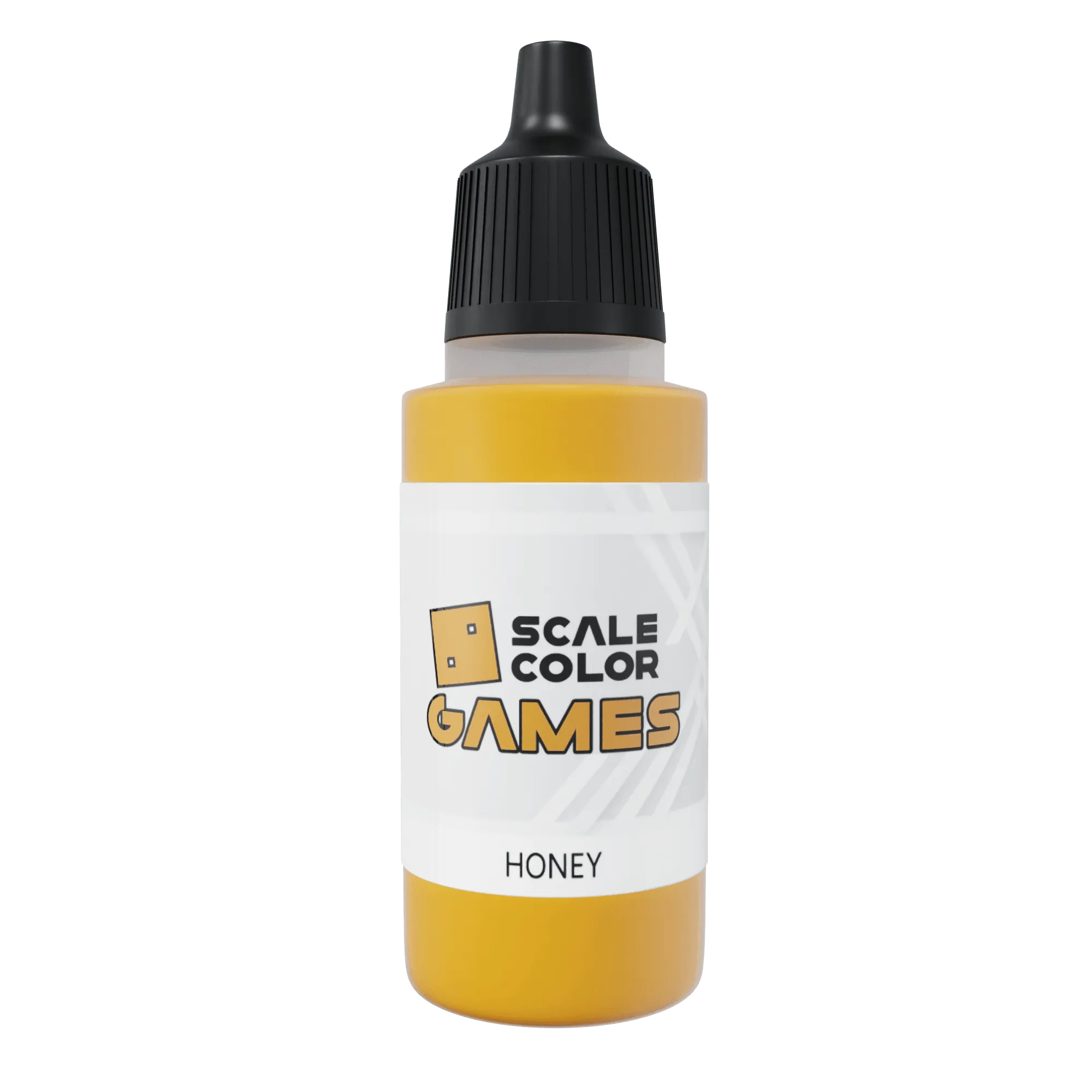
Smoke Grey is described as a super matte finish acrylic paint in a 17ml dropper bottle. That super matte surface matters because it scatters light instead of reflecting it, which makes armor plates, cloth, and rusted metal read as dry and used rather than glossy. It is also formulated to create glazes easily or build to a completely opaque layer, so you can use it as a thin wash-like coat or as a solid base depending on how you load the brush.
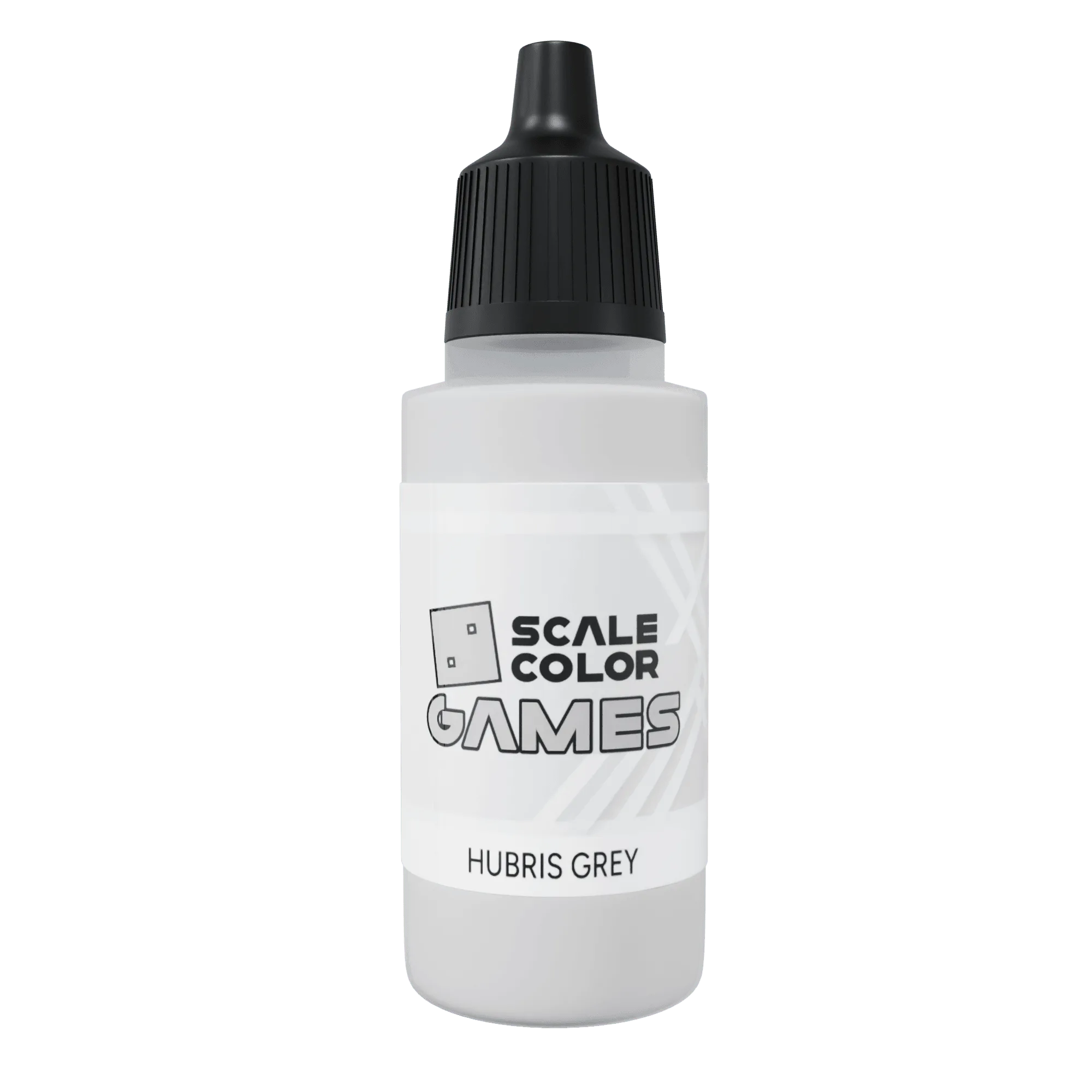
Hubris Grey shares the same 17ml super matte acrylic format, so the main difference in practice is the color position on the grey scale. Because the catalog does not list pigment codes or exact opacity ratings, treat the visual difference as the deciding factor: choose the grey that matches the mid-tone of your intended final scheme, not the one that looks best in the bottle under store lighting.
- Test both greys on a primed spare base before committing to a full squad.
- Super matte finishes show brush strokes less when you apply two thin coats instead of one heavy coat.
Working properties: brush, airbrush, and glazing
All three paints are listed as valid for brush and airbrush, which means you can basecoat a vehicle with an airbrush and then refine edges or add glazes with a brush without switching product lines. That consistency saves time on mixed projects like a tank with a figure crew. The 17ml and 20ml bottle sizes also give you enough volume for several models, though the exact coverage per bottle is not supplied.
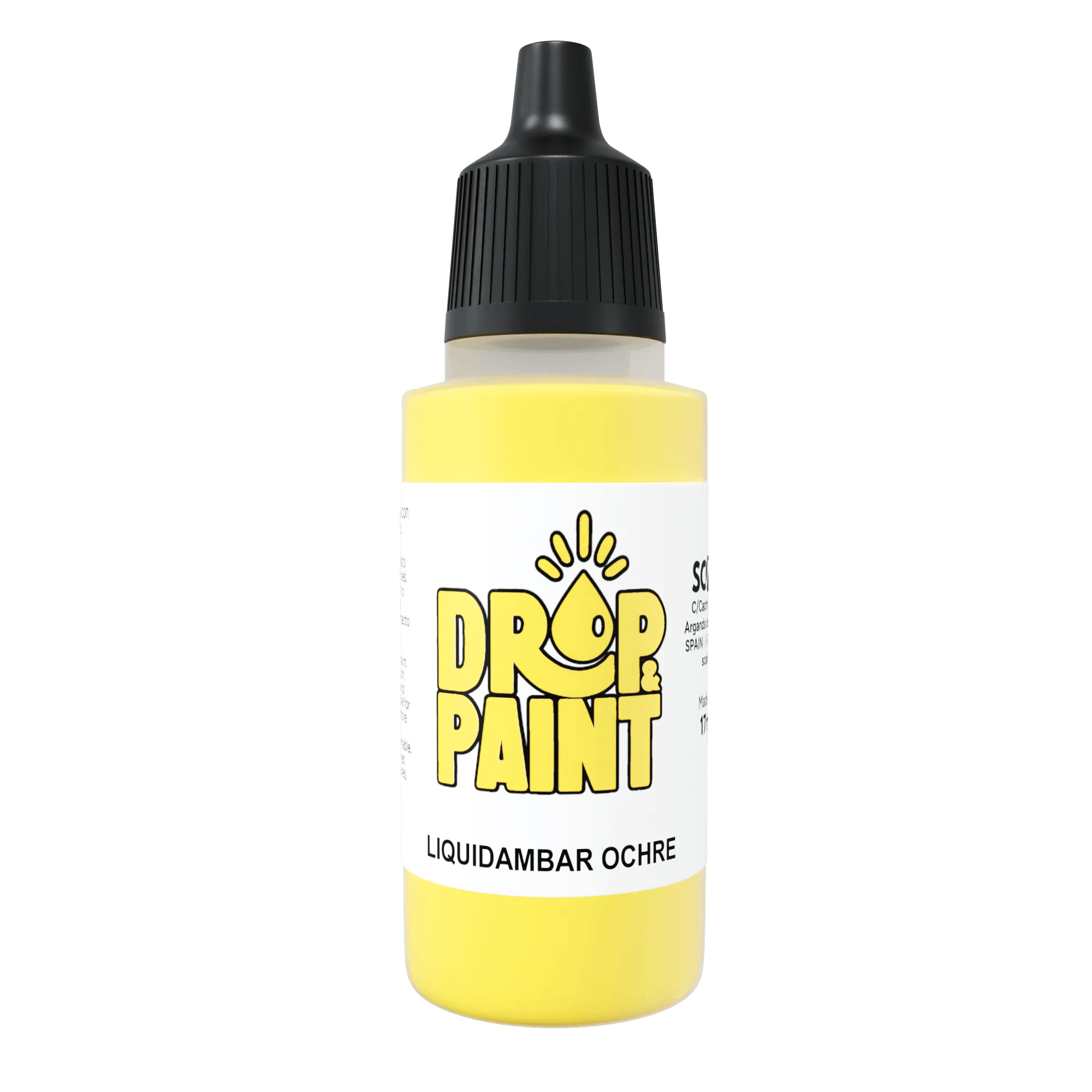
Liquidambar Ochre is part of a premium creamy acrylic range in 20ml bottles, described as high coverage with quality pigments. Creamy paints tend to hold a wet edge slightly differently than thinner matte paints, so load less on the brush when you want a smooth glaze. Because no drying time or retarder compatibility is listed, test any medium on a scrap piece first.
- For airbrushing, thin in small increments and check flow on paper before spraying the model.
- Keep a dedicated brush for ochre tones if you also paint cool greys, to avoid muddying your water pot.
Color temperature: cool grey versus warm ochre
Smoke Grey and Hubris Grey sit in the cool grey family, which is why they suit steel, iron, and science-fiction armor. Cool greys also work as a neutral base under blue or green glazes because they do not fight the glaze color. If your army scheme uses blue, teal, or cold purple accents, a grey basecoat keeps those accents clean.
Liquidambar Ochre is a warm earth tone. That warmth is useful for skin, leather straps, bone, and desert terrain, where a cool grey base would make the final result look chalky or dead. The trade-off is that ochre under a cool metallic paint can shift the metal toward green or brown, so keep ochre for warm subjects and grey for cold ones.
- Use a warm ochre base under gold and brass, and a cool grey base under steel and silver.
- If you are unsure, paint one test model with each base and compare under the same lamp.
Trade-offs at a glance
- Smoke Grey: matte control versus color range: Super matte finish and glaze-to-opaque formulation make it excellent for armor and vehicles, but it is a single grey tone rather than a full mixing range. Pick it when you want a dead-flat neutral base for steel, sci-fi panels, or cool glazes.
- Hubris Grey: layering versus contrast: Shares the same 17ml super matte acrylic format, so the choice between it and Smoke Grey comes down to which grey value matches your final scheme. Use it as the mid-tone or highlight grey above a darker base rather than as the only grey in the project.
- Liquidambar Ochre: warmth versus versatility: A warm premium creamy acrylic in 20ml with high coverage, ideal for skin and leather, but it will shift cool metallics if used underneath them. Keep it for warm subjects and pair it with a cool grey base when a model mixes armor and flesh.
Catalog facts for these basecoat options
- ECLIPSE GREY: Super matte finish acrylic paint, 17ml, designed for professional and amateur miniature painters, valid for brush and airbrush, and formulated to create glazes or a completely opaque layer. A super matte grey that can be pushed thin for glazes or built up opaque gives you one bottle for both basecoating and shading armor panels.
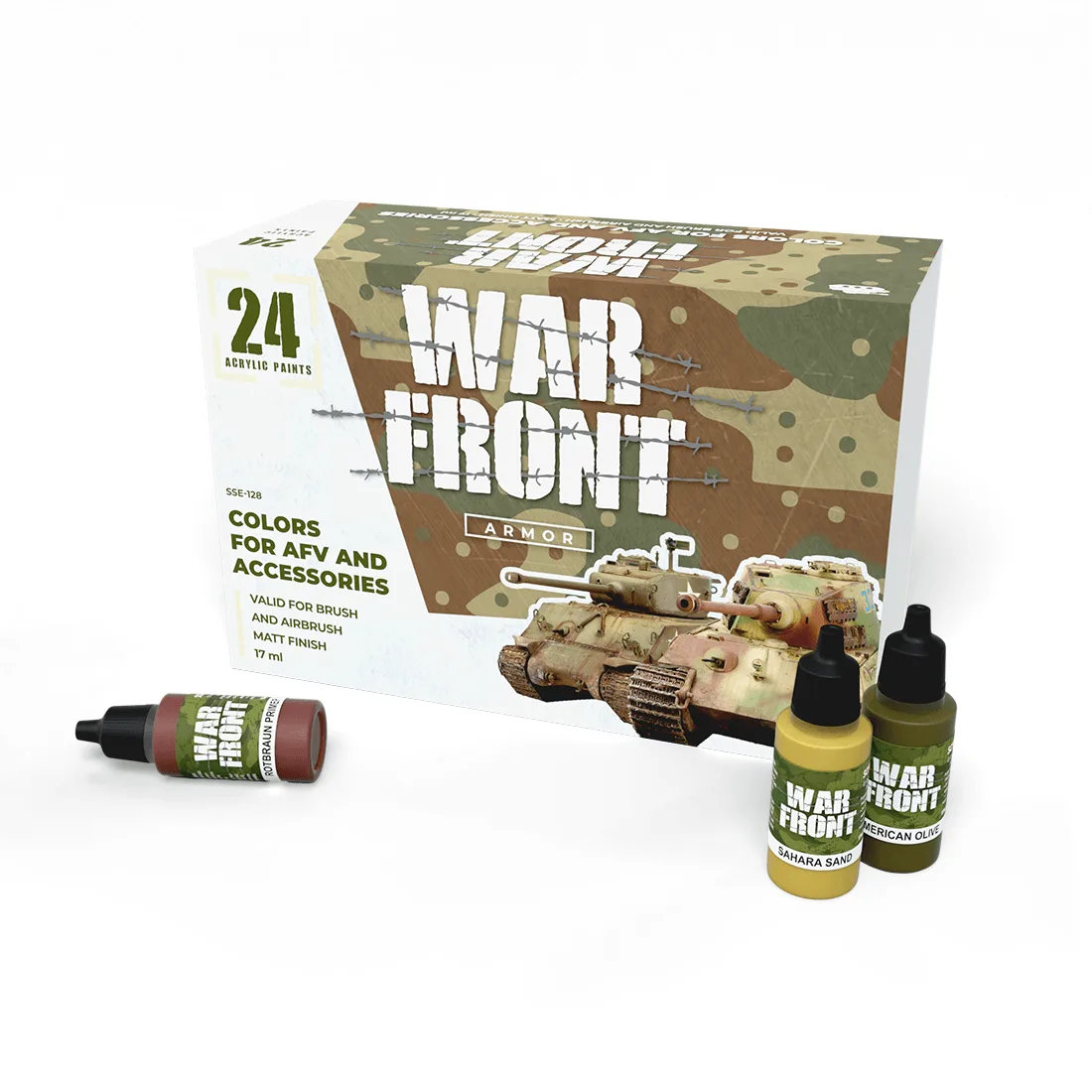
- SAND YELLOW: Warfront acrylic paint, creamy with opacity that allows glazes, matte finish, 17ml, valid for brush and airbrush, with tones suitable for modeling and military figures. If your basecoat needs to lean warm and military rather than cool grey, this creamy matte option glazes easily over a grey or ochre underlayer.
- SAHARA YELLOW: Super matte finish acrylic paint, 17ml, designed for professional and amateur miniature painters, valid for brush and airbrush, and formulated to create glazes or a completely opaque layer. A super matte warm yellow that pairs with ochre basecoats for desert and terrain work, while keeping the same brush and airbrush compatibility.
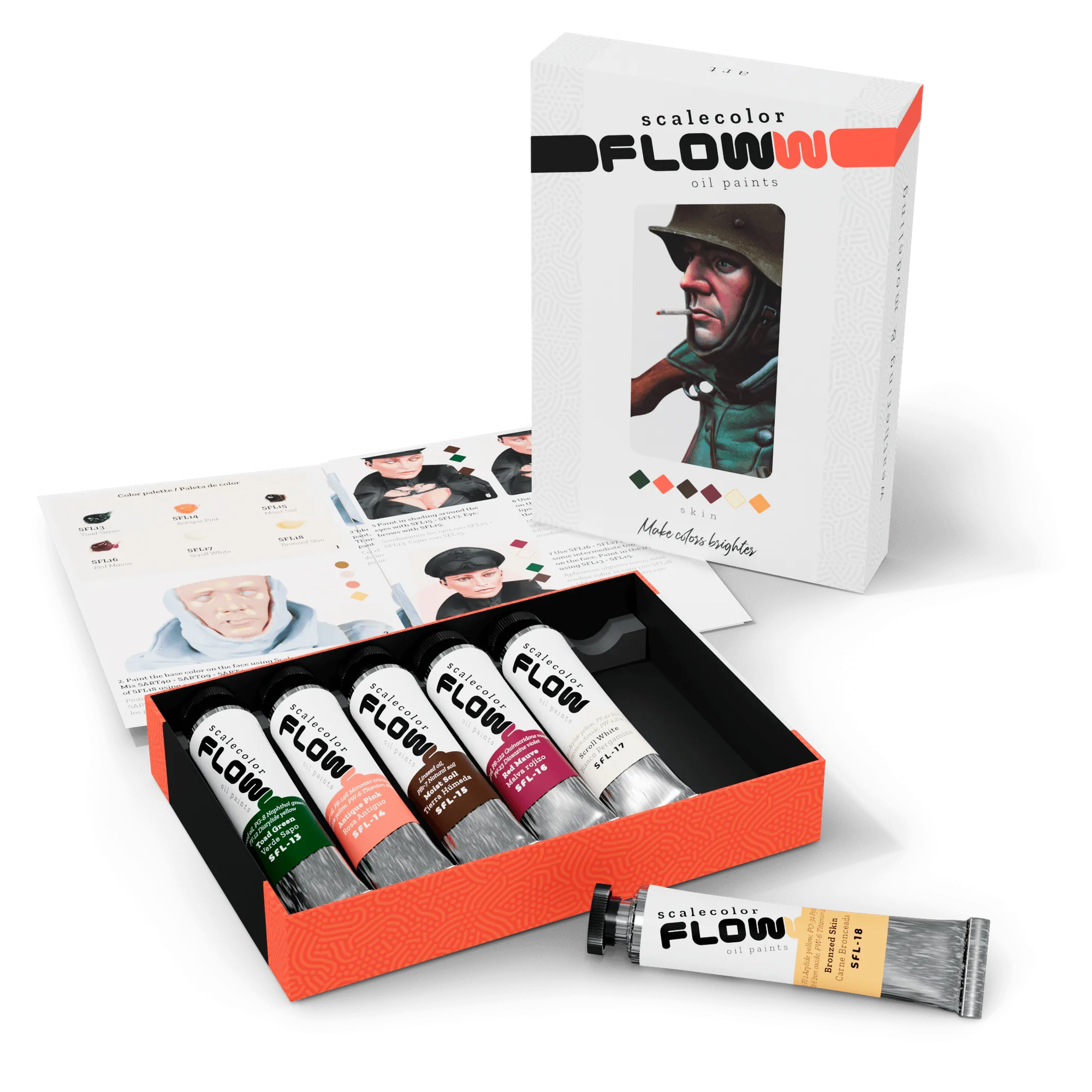
- BURNT SKIN: Premium creamy acrylic paint and high coverage ink range, 20ml, recommended for novice or professional painters, valid for brush and airbrush. A creamy high-coverage option for warm skin and leather areas where you want the basecoat to cover quickly without losing the ability to glaze.
Which basecoat should you choose?
Best for
- Armor, vehicles, and sci-fi miniatures that need a cool, super matte grey base
- Painters who want one grey that can be glazed thin or built up fully opaque
- Projects that mix brush and airbrush work on the same model
Not for
- Warm skin, leather, or desert terrain, where an ochre or warm yellow base reads more naturally
- Painters who need a wide grey mixing range from a single bottle
- Anyone who has not tested the paint on a spare primed surface first
Basecoat choice is a temperature and finish decision, not a brand loyalty test. Use Smoke Grey or Hubris Grey for cool armor and vehicles, and reach for Liquidambar Ochre when the subject is warm skin, leather, or terrain. Test on a spare base, then commit to the full squad.