Quick answer
For most road trips, choose a snack box built around shelf-stable, low-crumb, individually wrapped items, and skip anything chocolate-coated or heat-sensitive. If you want variety without re-shopping every trip, a monthly subscription box is the better value; if you need a specific mix for one journey, a one-off box wins. Judge any box by three things: melt risk, mess level, and whether the portions actually fit your passenger count.
A snack box only earns its place in the car if it survives the trip. That means no melted coatings, no leaking sauces, and no bag of crumbs that ends up on the seats. The box that looks best on a product page is often the worst passenger.
This guide gives you decision rules you can apply in a few minutes, based on how a box is packed and what it contains rather than marketing claims. Where a catalog does not list a specification, treat that as a limitation and ask before you buy.
Start with melt risk, not flavor
Heat is the single biggest killer of road trip snacks. A car parked in the sun can turn a chocolate bar into a smear and a gummy into a single block. Before you compare flavors, check whether the box is built around coated, heat-sensitive items or shelf-stable ones. If the listing does not say how items are packed or protected, that is a genuine gap, not a detail you can assume away.
The practical rule: if more than a quarter of the items are chocolate-coated, yogurt-coated, or gelatin-based, save that box for winter travel or a climate-controlled trip. For summer drives, favor baked, dried, or individually wrapped items that hold their shape at room temperature.
- Check the season before the flavor list: a July drive and a December drive need different boxes.
- Individually wrapped items reduce both melt mess and arguments over portions.
Match the box format to your passenger count
A snack box sized for one person becomes a problem when four people are in the car. Count the items, not the box dimensions. If a listing gives a total item count, divide it by the number of travelers and ask whether that is enough for the length of the drive. A box with 4-6 items is a solo or couple format; larger counts suit families.
Also consider whether the box is meant to be shared from one container or handed out individually. Shared containers work for a parked picnic but are awkward at highway speed. Individual portions are slower to open but far easier to pass around safely.
- Long drives need more items than short ones, even with the same number of people.
- Keep a small trash bag in the car; wrappers pile up faster than you expect.
Judge mess level before you buy
Crumbs, powders, and sticky coatings are the three mess categories. Powdered snacks dust the seats, crumbly snacks leave debris in seat crevices, and sticky items attract everything. If a box mixes these with items you plan to eat while driving, expect cleanup. This is a trade-off, not a dealbreaker: a crumbly cookie is fine at a rest stop and a poor choice at 70 mph.
If the listing does not describe packaging, assume the worst and plan accordingly. A box with resealable or rigid packaging is easier to manage than one with loose items in a single bag.
- Reserve messy items for rest stops, not the driver's seat.
- Rigid or resealable packaging travels better than loose bags.
Subscription or one-off: pick by trip frequency
A monthly subscription makes sense if you take several trips a year and want the decision made for you. The trade-off is that you do not control the specific items, so you may receive a heat-sensitive box in a hot month. A one-off box gives you full control for a single trip but requires more planning each time.
For frequent travelers, subscriptions also reduce the risk of arriving somewhere with no snacks at all. For occasional travelers, a one-off box or a build-your-own approach is usually cheaper and less wasteful. Neither is universally better; the deciding factor is how often you actually travel.
- Frequent trips favor subscriptions; rare trips favor one-off boxes.
- If you subscribe, check whether you can pause during hot months.
Read the catalog facts that actually matter
Item count, packaging type, and shipping method tell you more than a themed name. A box described as shipped discreetly is not necessarily insulated, and a box with a high retail value is not necessarily travel-friendly. Separate value claims from travel claims, because they measure different things.
When a specification is missing, treat it as unknown rather than assuming the best. Ask the seller directly about melt protection and packaging if the listing is silent. That single question prevents most disappointing road trip boxes.
- Value and travel-worthiness are different claims; do not conflate them.
- Missing specs are a reason to ask, not a reason to assume.
Decision rules for choosing a travel snack box
- Heat rule: If the forecast is above 75°F or the car will be parked in sun, avoid boxes where chocolate, yogurt coatings, or gummies make up more than a quarter of the items. Choose baked, dried, or individually wrapped items instead.
- Portion rule: Divide the total item count by the number of travelers. Fewer than two items per person for a drive over three hours is likely too little. Size up or add a second box for longer drives.
- Mess rule: Powdered, crumbly, or sticky items should be eaten at rest stops, not in motion. If the box is mostly these, plan for cleanup. Keep a trash bag and napkins within reach.
- Frequency rule: Travel more than four times a year and a monthly subscription saves planning time; travel once or twice and a one-off box is usually the better buy. Match the buying format to your actual travel calendar.
- Spec rule: If the listing does not state packaging, insulation, or shipping method, ask before buying. Missing information is a real limitation. One question to the seller prevents most bad purchases.
Catalog examples and what they tell you
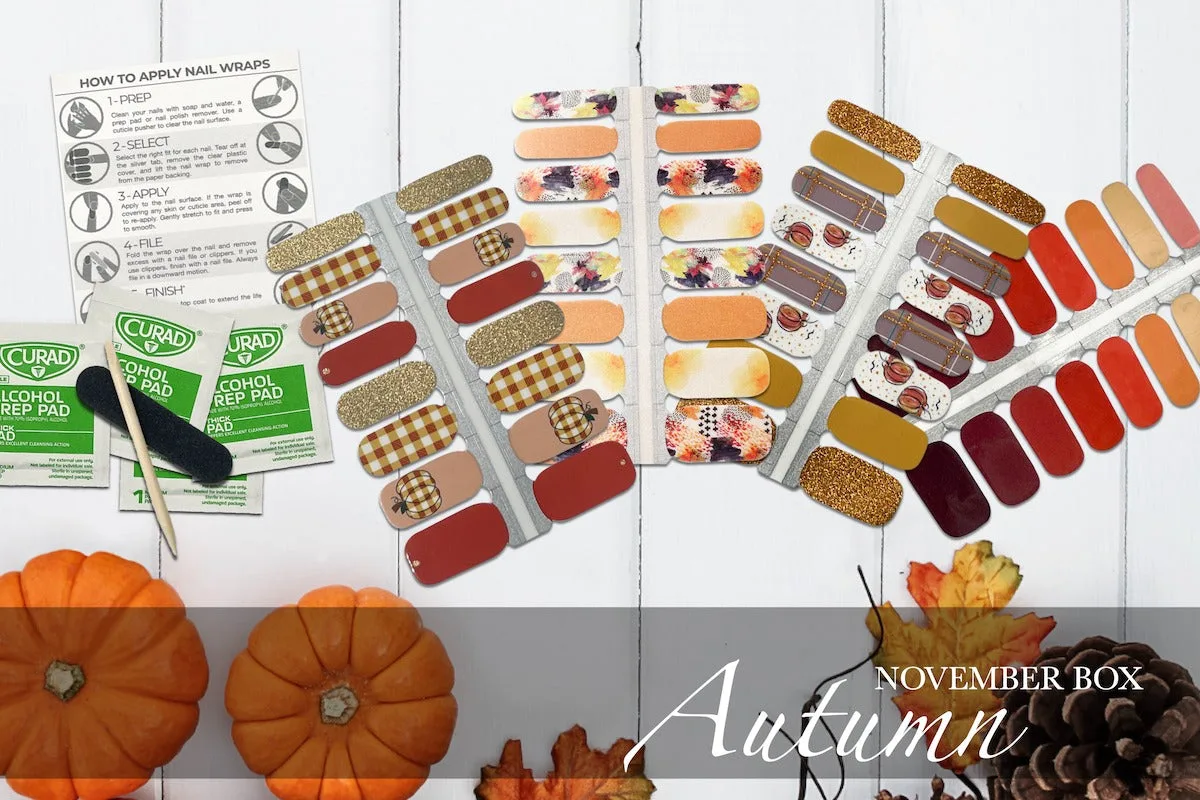
- Seasonal Nail Wraps: Each shipment includes 2 sets of nail wraps, a mini nail file, cuticle pusher, application instructions, and other surprises; the wraps are made with real nail polish and last 7-10 days when properly applied. This is a non-food example of a travel-friendly subscription: flat, lightweight, and unaffected by heat, which makes it a useful benchmark for what actually survives a car trip.
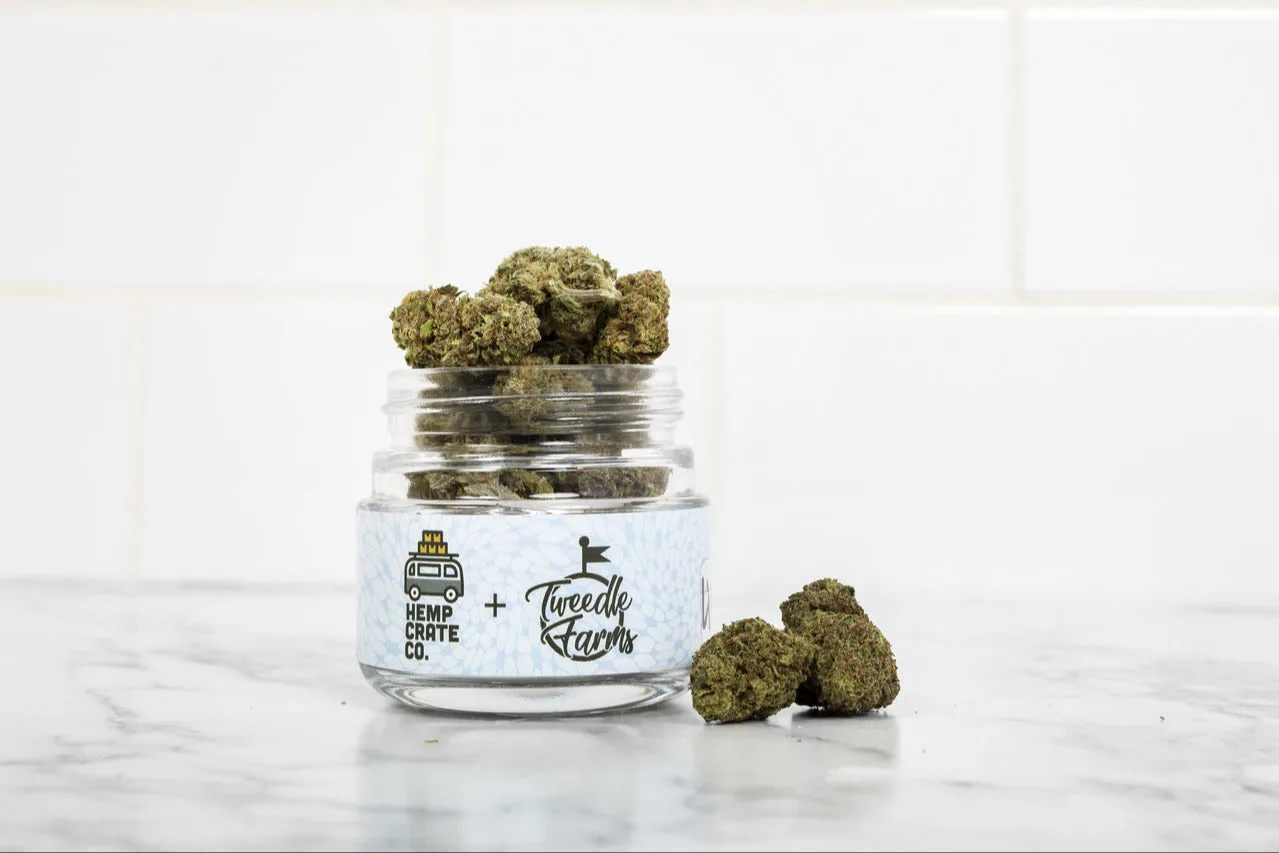
- CBD Flower Club Monthly: Each month includes 8 grams of premium CBD flower across 4 strains (2 grams each), plus a rotating CBD item such as gummies or pain balms, shipped discreetly. It shows how a box can be structured around a fixed quantity and rotating extras; the discreet shipping detail matters if you are packing it in a shared vehicle or checking luggage.
Is a travel snack box right for you?
Best for
- Frequent road trippers who want snacks decided in advance
- Families who need individually portioned items to hand out in the car
- Travelers who prefer shelf-stable, low-mess foods over perishable ones
Not for
- Travelers who want full control over every item for a single trip
- Anyone driving in extreme heat who cannot confirm melt protection
- People who prefer fresh or refrigerated snacks on the road
Pick a travel snack box by melt risk, portion count, and mess level first, then by flavor. If you travel often, a subscription removes the planning; if you travel rarely, a one-off box keeps you in control. When a listing is silent on packaging or heat protection, ask before you buy.