Quick answer
Wear snake gaiters over your pant leg, not under it, and fasten the top strap just below the knee so the guard covers from shin to ankle without riding up. Check the fit by walking, squatting, and stepping over a fence line before you commit to a long hike. Gaiters reduce the chance of a bite reaching your lower leg, but they are not armor, so pair them with boots, long pants, and attention to where you step.
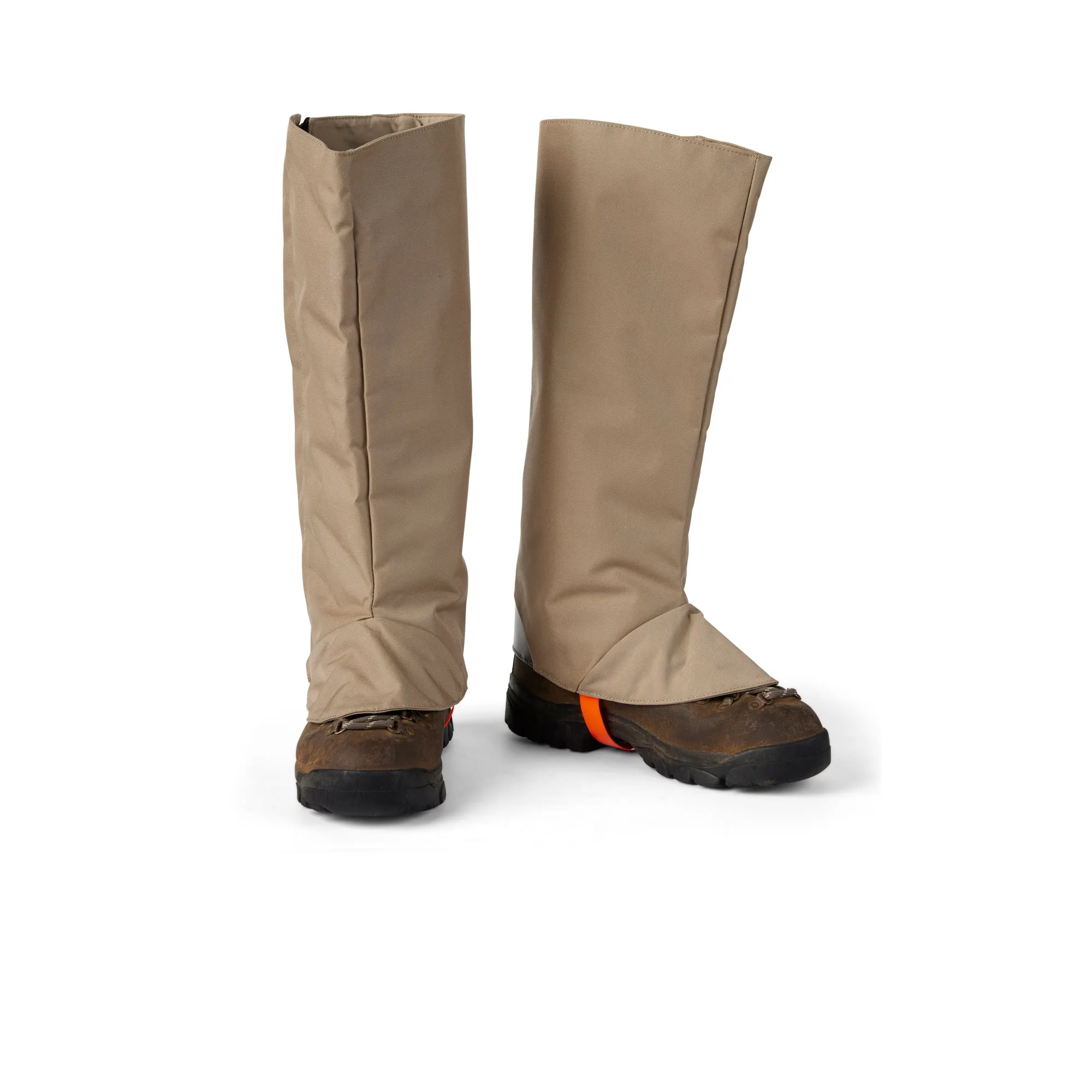
snake gaiters
Snake gaiters sit in an odd spot for most people: you know you might need them, but the fit and the fastening are not obvious until you have worn a pair for an afternoon. The good news is that the process is short. Once you know where the top strap should land and how much overlap you want over your boot, putting them on becomes automatic.
This guide walks through the order of operations, from picking the right pant layer to storing the gaiters so they are ready next season. It also covers when snake protection for hiking or working cattle is genuinely useful and when a good boot and a watchful step will do the job.
What snake gaiters actually protect and what they do not
Gaiters cover the lower leg from roughly the knee down to the top of the boot. That is the zone where a startled rattlesnake or copperhead most often strikes when someone steps past it. The material is meant to slow or deflect a strike, not to make you invincible. A bite can still land above the gaiter, through a gap at the ankle, or on a hand if you reach into brush.
That distinction matters for how you wear them. If the gaiter rides up and exposes the ankle, or if it hangs loose enough to catch on a branch, you have traded protection for a trip hazard. Treat the gaiter as one layer in a system: long pants, tall boots, and deliberate foot placement do as much work as the guard itself.
- Gaiters cover the shin and calf, not the thigh or foot.
- They work best when paired with pants that stay tucked in.
- No gaiter replaces watching where you put your hands and feet.
Choose the pant layer before you fasten anything
Gaiters go over the outside of your pants. If you tuck your pants into your boots first, the fabric bunches at the ankle and the gaiter cannot sit flat. Instead, pull your pant leg down over the boot shaft, then slide the gaiter on over the fabric. A slim or straight-leg pant works better here than a wide cuff that wads up under the strap.
In warm weather, a light long pant is still the right call. Bare skin under a gaiter leaves gaps at the ankle and offers no barrier if the guard shifts. If you are hiking in shorts, at least wear a tall sock and accept that your coverage is reduced.
- Wear pants over the boot, then gaiters over the pants.
- Avoid wide cuffs that bunch under the top strap.
- Tall socks help close the gap if you wear shorts.
Fasten the top strap below the knee
The top strap should sit just below the kneecap, snug enough that you can slide one finger underneath. Too high and the gaiter digs into the back of your knee when you squat; too low and it slides down your calf as you walk. Most gaiters have a second strap or a boot hook at the bottom, and that lower connection is what keeps the guard from creeping upward.
If your gaiter has a lace hook, thread it through the boot laces rather than hooking it to the top eyelet alone. That keeps the front panel from flapping open. Check both sides before you stand up, because a twisted strap is much harder to fix once you are on the trail.
- One finger of slack under the top strap is about right.
- Use the lace hook or lower strap to stop upward creep.
- Fix twists before you start walking, not after.
Test the fit with three movements
Stand up and walk twenty steps. Then squat down as if you were picking up a tool, and finally step over something knee-high. Those three movements expose almost every fit problem: the top strap digging in, the front panel gaping, or the bottom edge catching your heel. If any of those happen, adjust before you leave the truck.
A properly fitted gaiter stays put without being tight enough to cut circulation. You should not feel pressure behind the knee or numbness in your foot. If you do, the top strap is too high or too tight, and you should reset it lower on the calf.
- Walk, squat, and step over an obstacle as a fit test.
- Pressure behind the knee means the strap is too high.
- Numbness or tingling means it is too tight.
When to wear them and when to leave them behind
Snake protection for hiking earns its place in tall grass, along brushy creek banks, around rock piles, and in the warm months when snakes are moving. Early morning and late afternoon are active periods, and a cool morning after a warm night can put snakes on the move near trails. If your route stays on open gravel or pavement, the risk drops and the extra layer may just make you hot.
On a ranch or farm, gaiters make sense for walking fence lines, checking water, or moving through pasture where you cannot see your feet. They are less useful for tasks where you are mostly in a vehicle or on a tractor. Match the gear to the ground you will actually cover, not to the worst-case scenario.
- Wear them in tall grass, brush, and rocky areas.
- Skip them on open, maintained paths in cool weather.
- Ranch work along fence lines is a common use case.
Care and storage so they are ready next time
Wipe gaiters down after a muddy day and let them air dry fully before you roll them up. Storing them damp encourages mildew and stiffens the fabric, which makes the next fit worse. Check the straps and buckles each season for cracking or stretched elastic, since a failed strap is the most common reason a gaiter starts sliding.
Keep them with your boots or in your truck so they are not a last-minute search. A pair that lives in the bottom of a gear bag tends to get forgotten until the morning you need it.
- Air dry completely before storage.
- Inspect straps and buckles at the start of each season.
- Store gaiters with your boots so they are easy to grab.
Step-by-step: putting on snake gaiters
- Start with pants over your boots: Pull your pant leg down over the boot shaft so the fabric lies flat. Do not tuck pants into the boot first, because the bunched fabric will push the gaiter out of position. Checkpoint: the pant leg should be smooth from knee to ankle before the gaiter goes on.
- Slide the gaiter on from the front: Open the straps fully and step into the gaiter, pulling it up so the top edge sits just below the knee. Keep the front panel centered over your shin. Mistake to avoid: forcing it on with the straps still buckled, which twists the panel.
- Fasten the top strap below the kneecap: Tighten until snug, then test with one finger underneath. Move it lower on the calf if you feel pressure behind the knee. Checkpoint: one finger of slack, no pinching, no numbness.
- Connect the lower strap or lace hook: Thread the hook through your boot laces or fasten the lower strap so the gaiter cannot ride up as you walk. This is the step most people skip. Mistake to avoid: leaving the bottom loose, which lets the gaiter creep up and expose the ankle.
- Walk, squat, and step over something: Take twenty steps, do a deep squat, and step over a log or fence rail. Adjust any strap that digs in or any panel that gapes open. Checkpoint: the gaiter stays put through all three movements.
- Do a final gap check at the ankle: Look down and confirm the gaiter overlaps the boot top with no skin showing. If there is a gap, lower the gaiter or raise your sock. Next step: carry them in your truck or pack so they are ready when the terrain changes.
Ranch-tested gear that pairs with leg protection
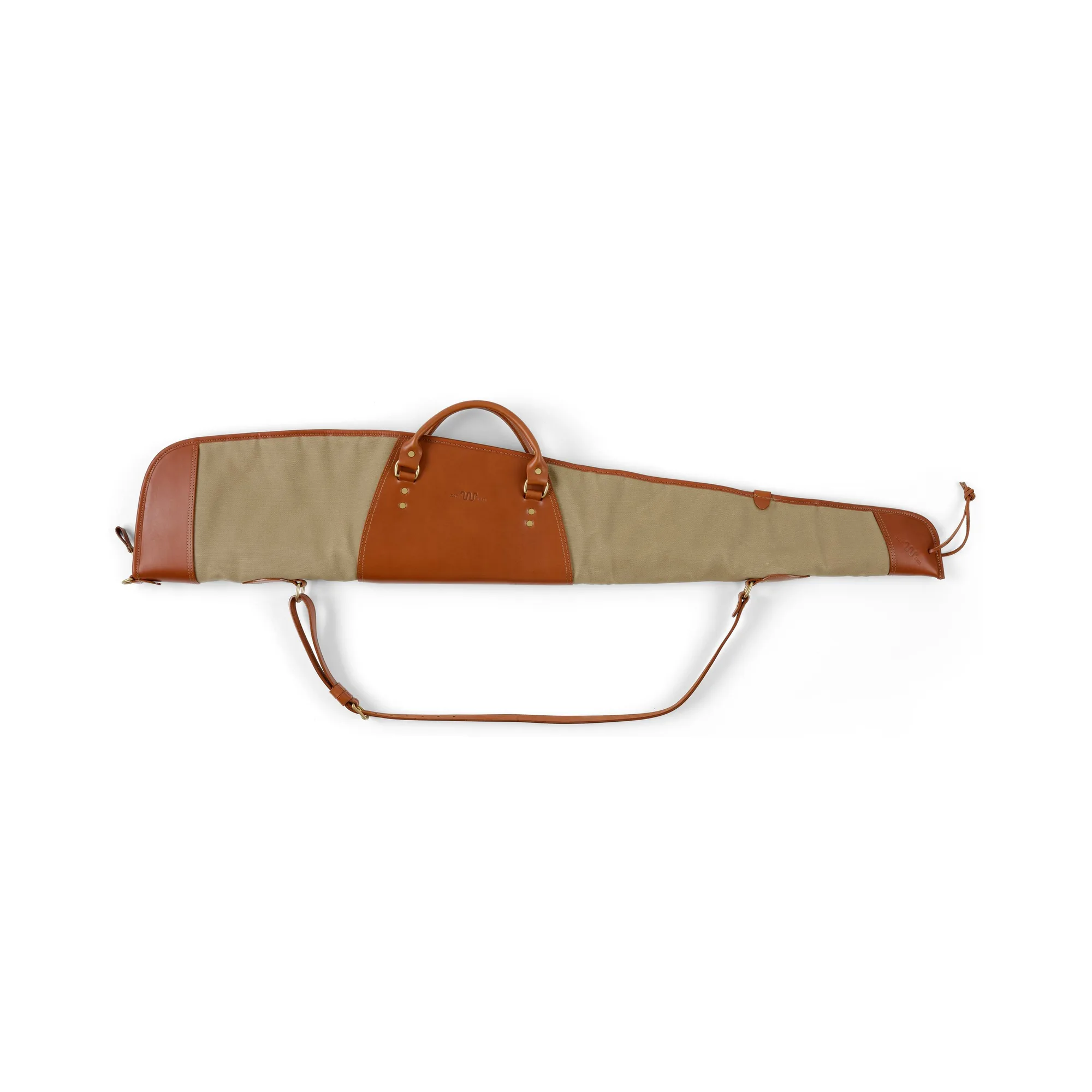
- King Ranch Waxed Canvas Game Rifle Case: Built for the South Texas hunting tradition, this waxed canvas case protects a rifle with the same care the ranch has long asked of its gear. If you carry a rifle through the same brushy country where you wear gaiters, a case that stands up to thorns and weather keeps your firearm ready for the next walk out.
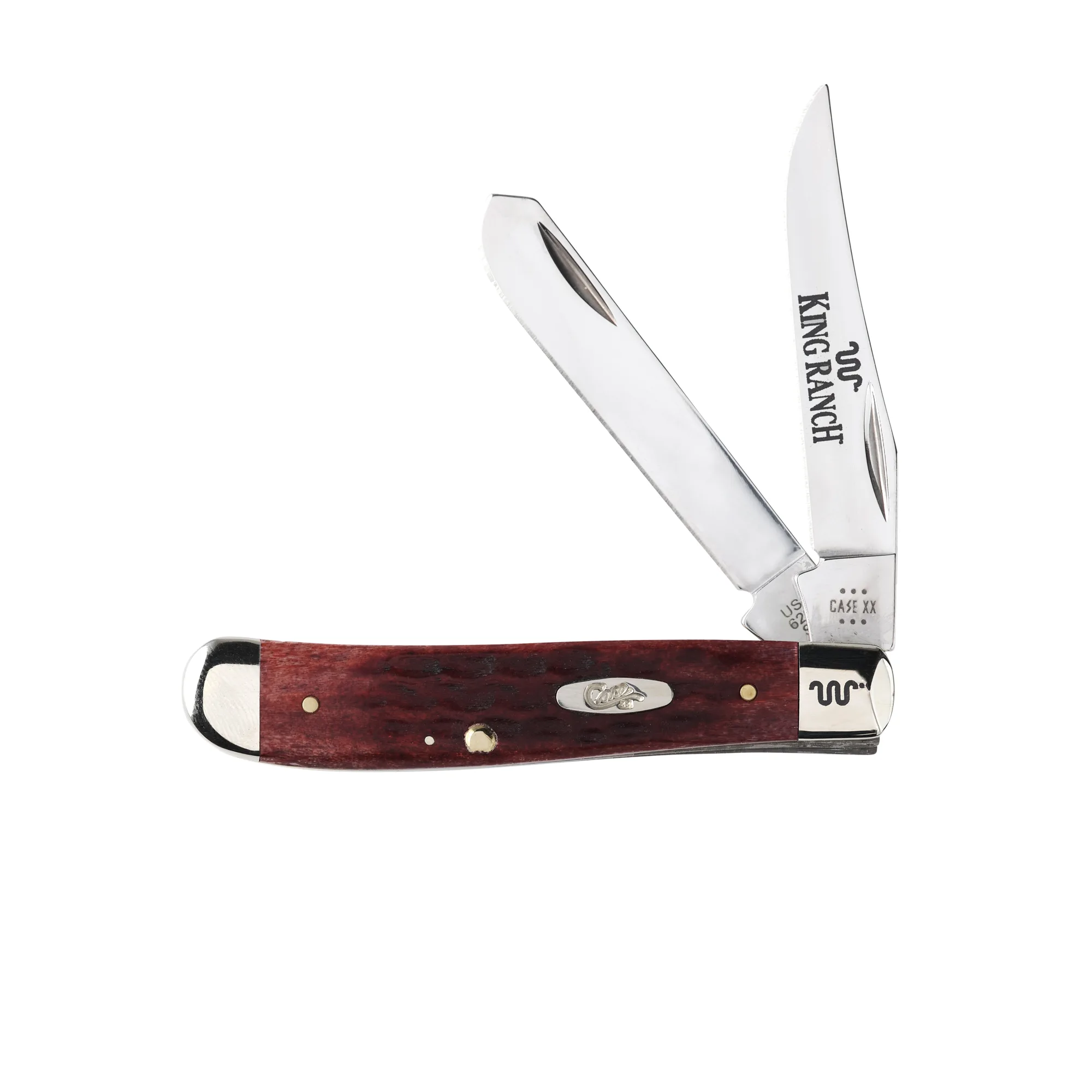
- Old Red Bone Mini Trapper: A dual-blade pocketknife with a clip blade and a spey blade in high-strength steel, plus King Ranch sculpting on the handle. A compact two-blade knife handles the small cutting jobs that come up on a hike or a fence check, so you are not improvising with a blade that is too big for the task.
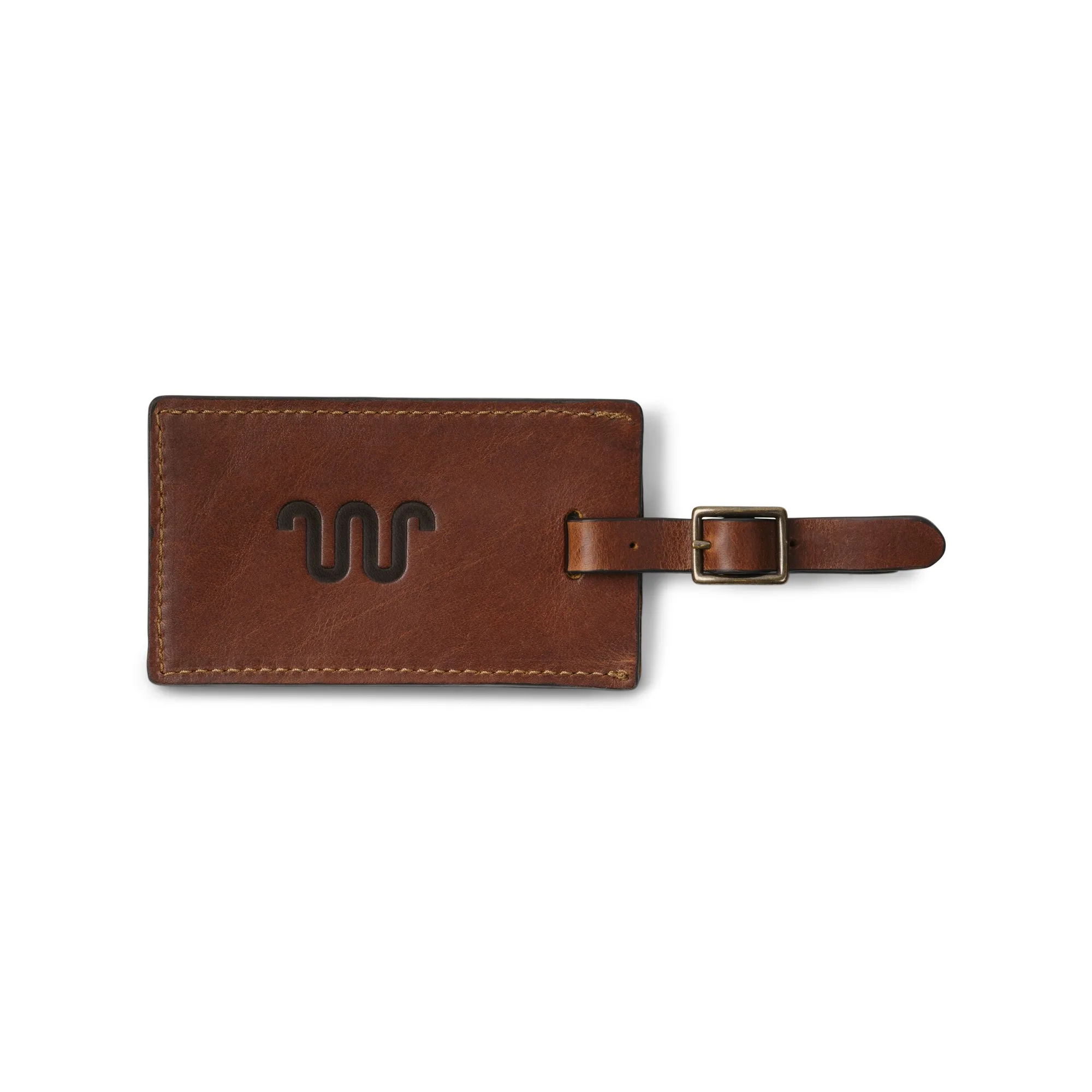
- Kineño Leather Luggage Tag: Full-grain leather tanned for softness, flexibility, and moisture resistance, with solid antiqued brass hardware. If your snake-country trips involve travel, a durable leather tag keeps your bag identifiable without adding bulk or cracking in wet conditions.
Snake gaiters are simple once you treat them like any other piece of leg gear: pants first, gaiter over the top, strap below the knee, and a real fit test before you walk away from the vehicle. Get those steps right and the protection is there when the grass gets tall, without slowing you down when it does not.