Quick Answer
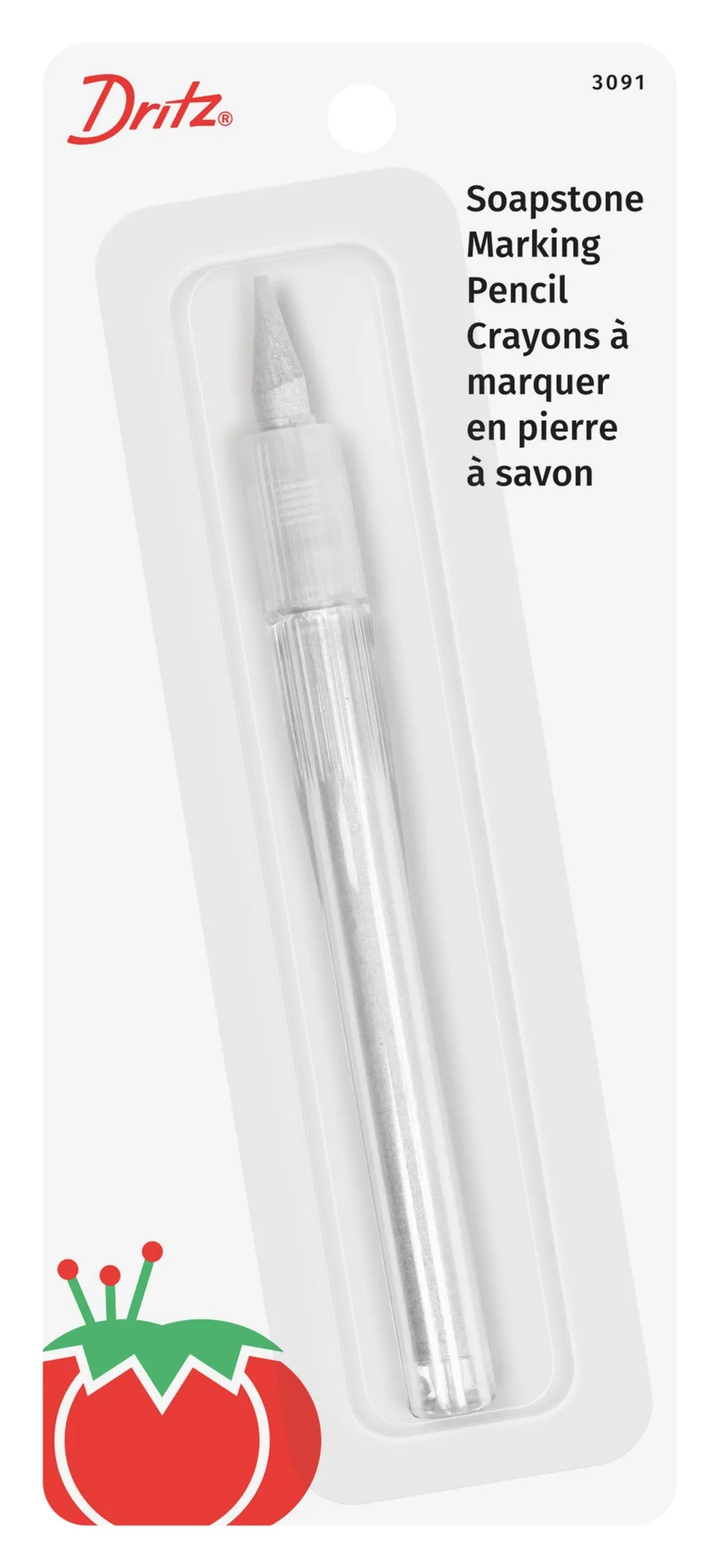
For dark fabric, a soapstone marking pencil is the more reliable choice because it is made from natural soapstone that shows clearly on dark colors and rubs off without washing. Chalk pencils can work, but they often leave dust that brushes away too easily. If you mark cutting guides or construction notes on dark quilting fabric, start with a soapstone pencil like the Dritz Quilting Soapstone Marking Pencil.
How Soapstone and Chalk Pencils Differ on Dark Fabric
Soapstone marking pencils use natural #1 select grade soapstone, which is dense and leaves a fine, consistent line that is especially visible on dark fabrics. The mark sits on the surface and rubs off with your finger or a soft cloth, so you avoid introducing water or heat. Chalk pencils, by contrast, rely on compressed chalk dust. On dark fabric the line can look bright at first, but the powder often flakes and disappears as you handle the fabric, especially along cut edges or where you rest your hand.
The practical difference shows up in how long the mark lasts. Soapstone holds well enough for cutting and piecing but still removes cleanly when you are done. Chalk may need reapplying several times during a single project, which slows you down and increases the chance of losing a guide line. If you are marking dark fabric for quilting or garment sewing, soapstone gives you a more stable mark with less rework.
When a Chalk Pencil Still Makes Sense
Chalk pencils are not useless. They can be handy for temporary marks on fabrics where you plan to wash the project soon after, or when you need a very soft mark that will not press into the fabric. Some sewers also prefer chalk for quick fitting adjustments because it brushes away instantly. However, on dark fabric the trade-off is clear: you gain easy removal but lose mark durability. If you need a mark that survives handling, pinning, and cutting, soapstone is the better tool.
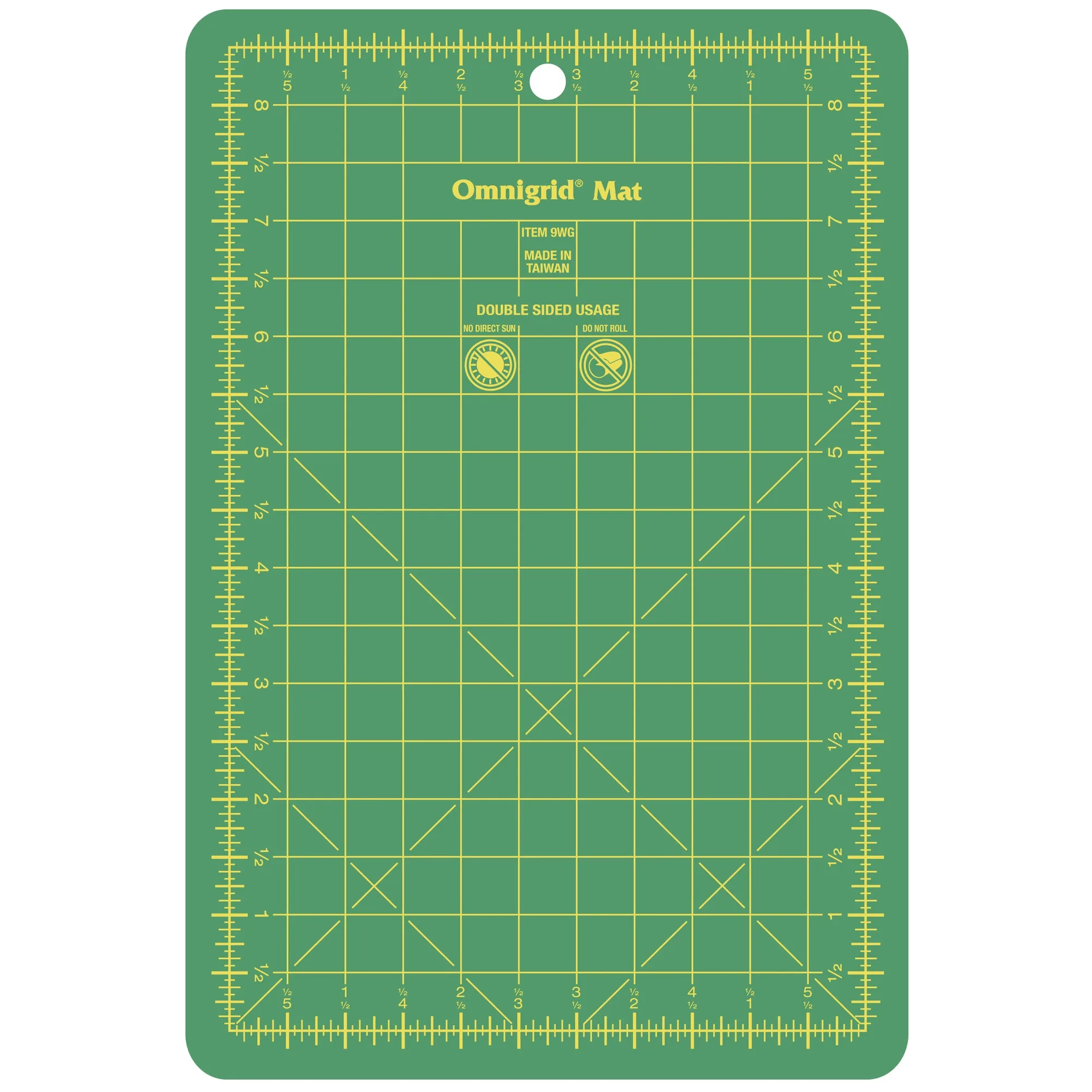
One more consideration: chalk dust can build up on your machine bed and https://prymamerica.com/products/omnigridcmwg-f459b5fb481749673145e475-1316292cutting mat. Soapstone leaves less residue because it goes on as a solid line rather than a powder. If you dislike cleaning up chalk dust, soapstone keeps your workspace tidier.
How to Test Both on Your Fabric
Before marking a whole project, test on a scrap of the same dark fabric. Make a short line with each pencil, then rub your finger across it and press it with a warm iron (no steam). Soapstone should stay visible until you rub it off, while chalk may fade or smear. This simple test tells you which tool matches your fabric finish and how much handling your marks will face.
Also check whether your fabric is smooth or textured. Soapstone works on all fabric types according to the Dritz product information, but on very loose weaves or heavily textured fabric, any marking tool can skip. In that case, use a light touch and mark only the areas you need. If you are working with dark fabric that cannot be washed, soapstone is the safer choice because it rubs off without water.
Trade-Offs at a Glance
- Visibility on dark fabric: Soapstone leaves a dense, consistent line that is especially visible on dark colors. Chalk can look bright initially but often fades as you handle the fabric. Choose soapstone when the mark must last through cutting and piecing.
- Removal method: Soapstone marks rub off with friction, no water or washing needed. Chalk brushes away easily but may leave dust behind. Soapstone is better for projects you cannot wash; chalk is fine for quick, temporary marks.
- Residue and cleanup: Soapstone leaves little residue on tools and mats. Chalk dust can build up on your machine bed and cutting surface. If you dislike cleanup, soapstone keeps your workspace tidier.
Product Facts
- Soapstone Marking Pencil, White: Dritz Quilting Soapstone Marking Pencil is suitable for all fabric types and features natural #1 select grade soapstone that is especially great on dark colors. Marks rub off fabric when done. This makes it a dependable choice for marking dark fabric without washing, and the fine soapstone line stays visible through cutting and piecing.
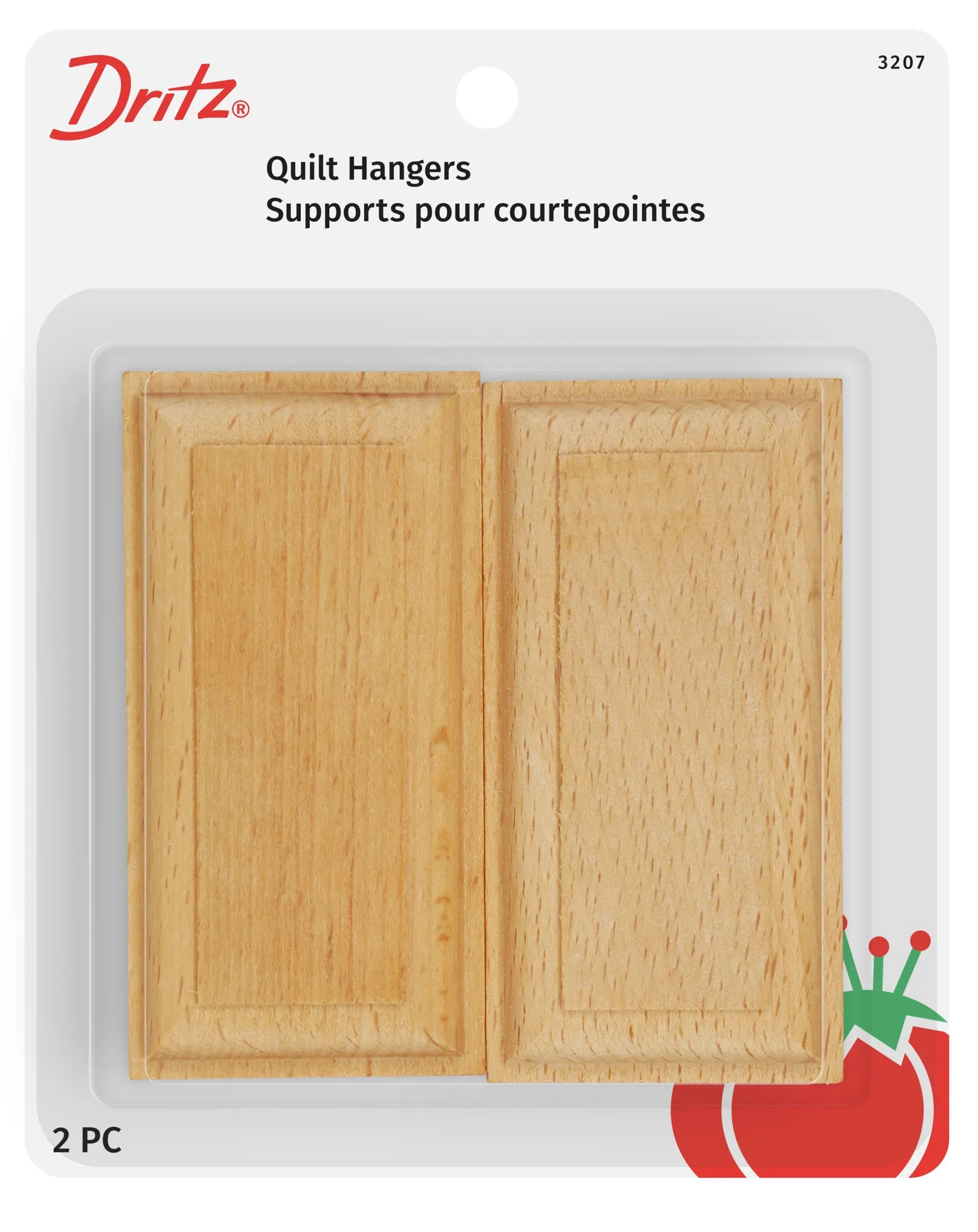
- Wooden Quilt Clips: Dritz Quilt Hangers provide a quick and easy solution for showcasing quilts or tapestries without damaging or puncturing the fabric. They use keyhole slots and internal marble rolls to pinch the fabric against unfinished wood. If you mark quilts for hanging, these hangers let you display the finished piece without pins or nails, so your removable marks stay the only thing on the fabric.
Which Should You Choose?
Best for
- Quilters and sewers marking cutting guides or construction notes on dark fabric
- Projects where marks need to survive handling but rub off without washing
- Anyone who wants a fine, consistent line on dark colors
Not for
- Sewers who need a mark that brushes away instantly with no rubbing
- Fabrics where you prefer a soft chalk mark for fitting adjustments
- Projects where you plan to wash the fabric immediately after marking