Quick answer
Match the treatment to the symptom. Pilling on wool and cashmere socks is friction, not dirt, so remove pills with a fabric comb or small sweater stone and stop tumble drying. A snag in tights is a pulled thread, so never cut it; dab a tiny dot of clear nail polish on the pulled loop and let it dry. Lost shape in tights is heat and tension damage, so hand wash in cool water, squeeze instead of wringing, and dry flat away from radiators. If the yarn is broken or the elastane has gone slack, replace rather than repair.
Why pilling, snags and sagging are three different problems
Pilling happens when short fibres work loose from the yarn and knot together on the surface. It is most common where fabric rubs: heels, toes, inner thighs and the waistband. Wool and cashmere socks pill more visibly than plain cotton because the fibre is finer and shorter-staple blends shed more. The fix is mechanical removal plus less friction, not more washing.
A snag is a pulled thread, not a hole. The yarn has been dragged out of the knit but is still intact, which is why cutting it turns a repairable pull into a run. Sagging is different again: the elastane in the waistband or leg has been weakened by heat, detergent residue or being stretched over a drying rack. Once elastane loses recovery, no home method brings it back.
Hand wash tights tips that protect shape and surface
Fill a basin with cool water and a small amount of gentle liquid detergent. Submerge tights and socks, press them under the water a few times, and let them sit for five minutes. Do not rub, twist or scrub the fabric against itself; that is what creates pills and pulls loops. Rinse in cool water until it runs clear.
To remove water, lay the item flat on a towel, roll the towel up and press down. Never wring. Dry flat and out of direct sun or radiator heat. If you must use a machine, use a mesh laundry bag, a delicate cycle and cold water, and accept that friction in the drum will shorten the life of fine wool and lace.
Tights snag repair: what to do in the first minute
As soon as you notice a pulled thread, take the tights off rather than tugging them straight. Lay the snag flat and gently stretch the fabric around it so the loop sits back in line. Apply a very small dot of clear nail polish to the loop with a toothpick and let it dry completely before wearing. This locks the thread so it cannot run.
If the yarn has already broken and a hole is visible, polish will not close it. A tiny ladder can be stopped with a fine needle and matching thread, but the repair will show and the area will remain weak. For sheer tights, most people get a better result by retiring that pair for everyday wear and keeping them for occasions where the damage stays hidden.
Restore shape of tights: what actually works
If tights feel loose but the fabric is intact, a cool hand wash and flat drying can help them relax back toward their original dimensions. Avoid hot water, hot dryers and hanging by the waistband, all of which stretch the knit and stress the elastane. Store folded, not hung.
If the waistband rolls, the legs bag at the knee, or the support panels no longer hold, the elastane has fatigued. That is a replacement decision, not a care problem. Shaping tights in particular rely on controlled compression, so once the recovery is gone the garment cannot do its job.
Diagnosis: symptom, cause, action, stop point
- Small balls of fibre on wool or cashmere socks: Cause: friction and short fibres working loose, made worse by tumble drying and washing with heavy items. Action: lay the sock flat and run a fabric comb or small sweater stone gently across the surface, then hand wash cool and dry flat. Stop if the fabric feels thin or you can see through it after de-pilling; that sock has worn past the point where care helps.
- A pulled loop in tights with no hole: Cause: a thread caught on a nail, ring, zip or rough seam. Action: do not cut it. Ease the fabric flat, apply a tiny dot of clear nail polish to the loop, let it dry fully, then wear with care. Stop and replace if the yarn has snapped or a visible hole has formed; polish only stabilises intact threads.
- Tights that bag at the knee or roll at the waist: Cause: elastane fatigue from hot water, hot drying, detergent residue or hanging by the waistband. Action: cool hand wash, squeeze in a towel, dry flat, store folded. This can restore minor relaxation. Stop trying to fix it if the support or shaping no longer holds; weakened elastane does not recover, and the garment will not perform as designed.
Product facts that affect how you care for them
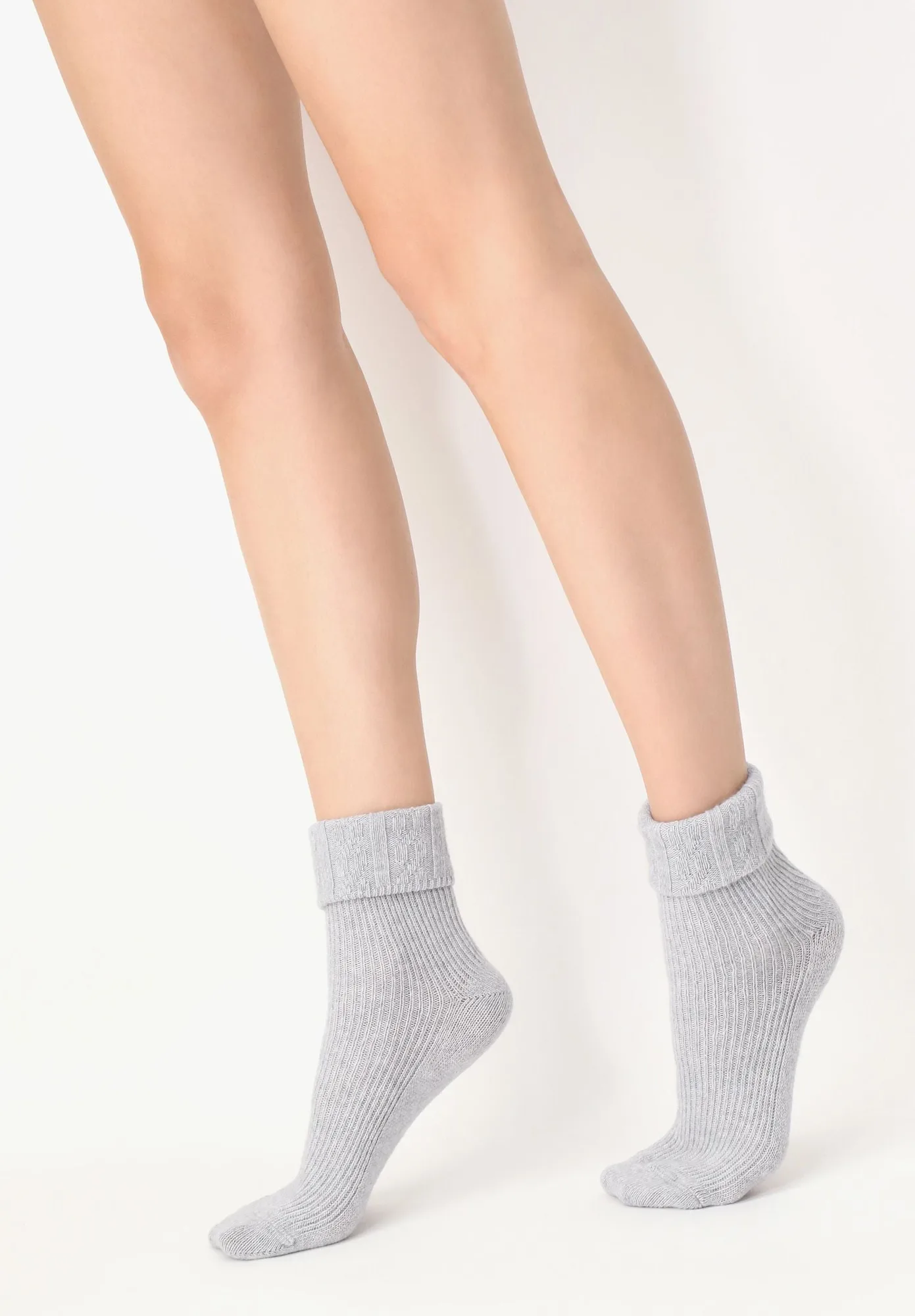
- Wool and Cashmere Socks Hilda - Grey Melange: Wool and cashmere blend socks with a cable-knit pattern and thin turn-ups. Cable knit creates raised texture that catches on shoes and boot zips, and wool-cashmere blends are the most likely candidates for surface pilling. Comb pills rather than pulling them, and air these socks between wears instead of washing after every use.
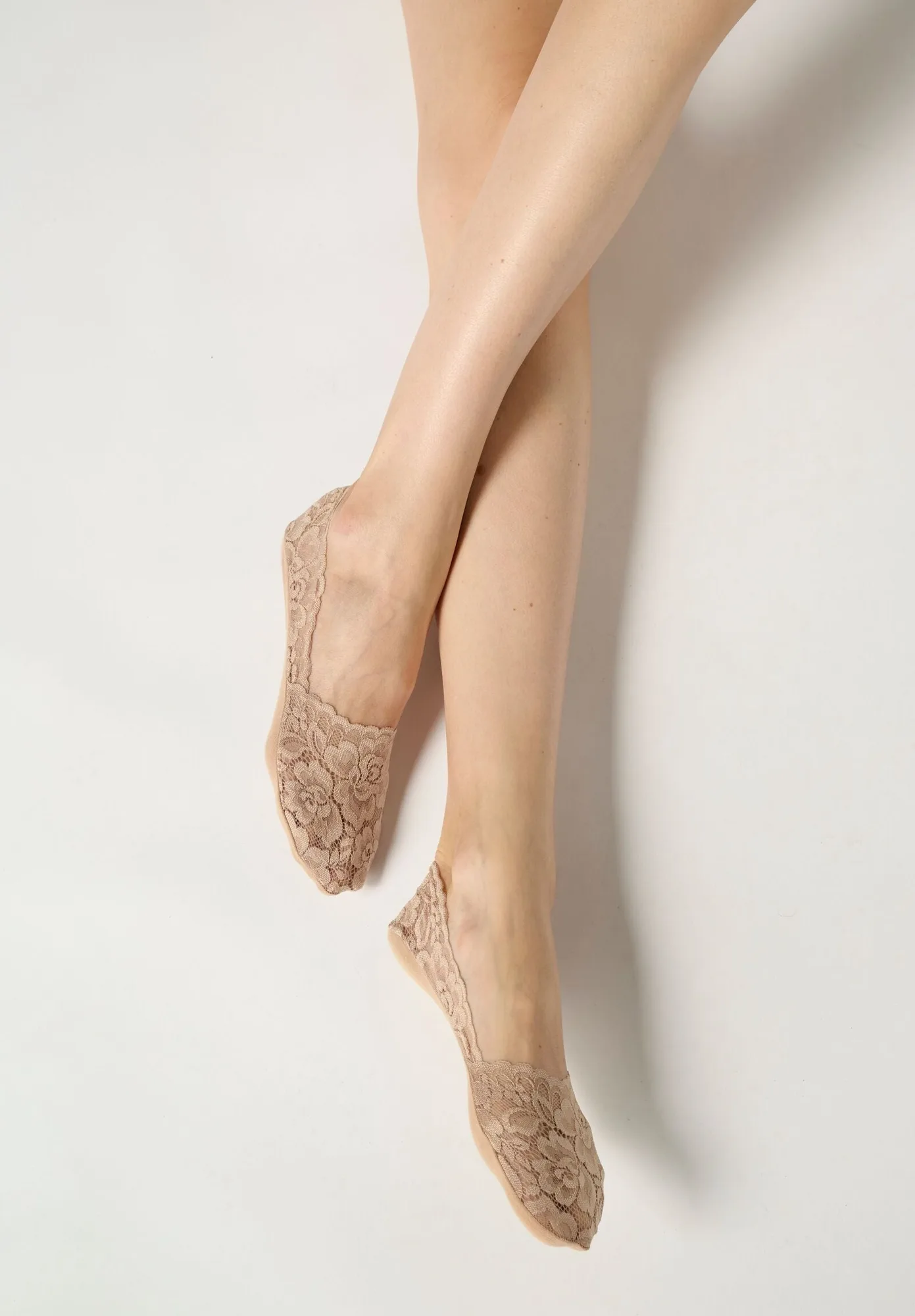
- Lacy Invisible Footprotector Socks - Rosy Beige: Invisible footprotector socks in soft lace with a breathable cotton sole and a non-slip silicone grip at the back. Lace is delicate and the silicone grip can collect lint and lose tackiness. Hand wash these separately from wool, avoid fabric softener, and let the silicone air dry fully before wearing so it keeps its grip.
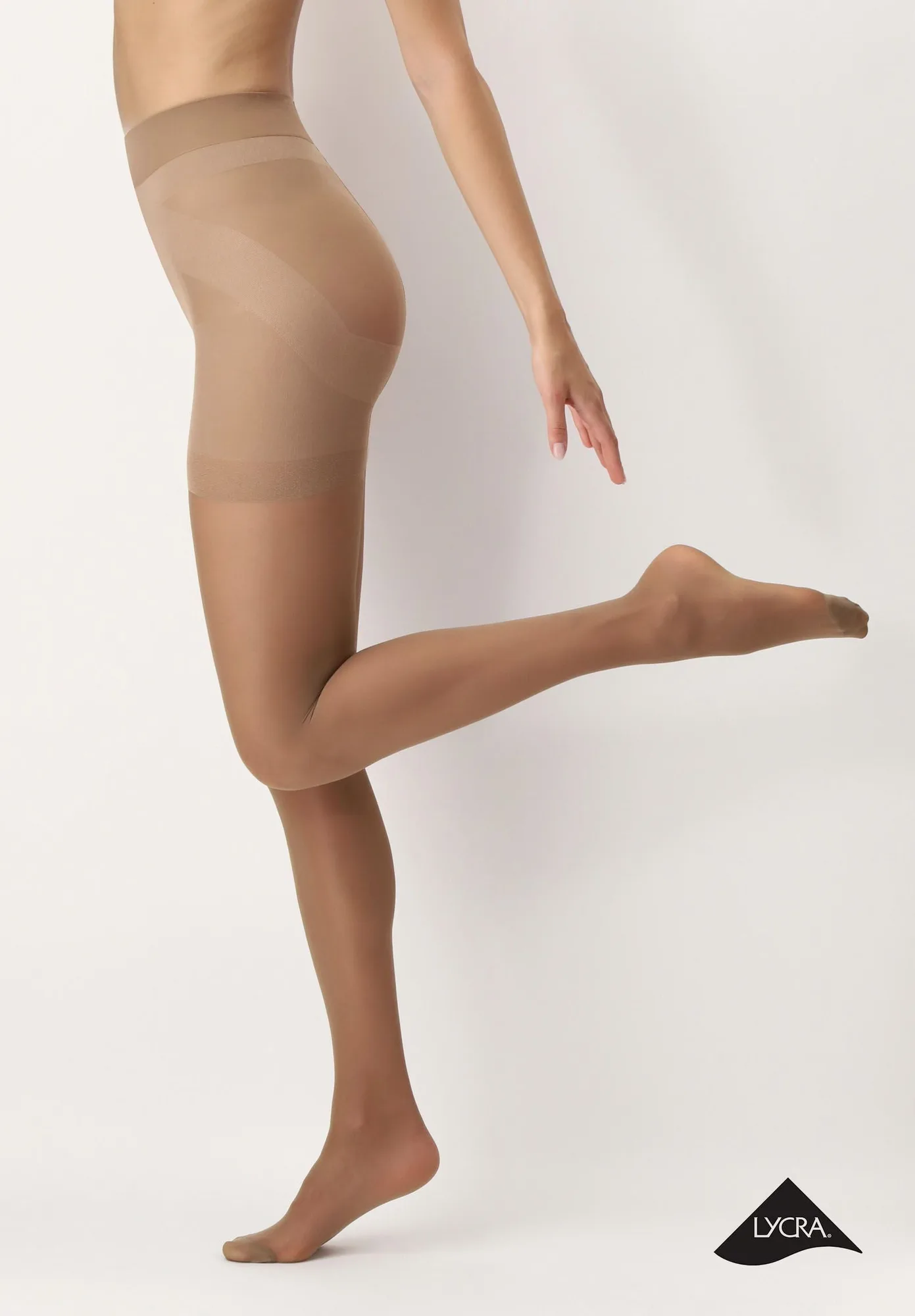
- Shock Up 40 Modelling Tights - Amber: 40 denier support tights with an opaque look, a push-up bodice using controlled action bands, a flat seam and a cotton gusset. The shaping effect depends on the action bands keeping their tension, so heat and rough washing are the main threats. Hand wash cool, dry flat, and treat any loss of compression as a sign to replace rather than repair.