Quick answer
Most sock myths come from treating fabric, fit, and construction as one thing. Cotton is breathable and absorbent, which makes it a strong everyday choice, but breathability alone does not guarantee comfort if the fit is wrong. Look for a sock that matches your shoe and activity, then treat fit as the deciding factor. HOM's cotton and modal essentials show the same principle in other layers: material sets the feel, but cut and fit determine how it wears.
Sock advice travels fast and gets repeated until nobody checks it. Cotton is too hot. Synthetic is always better. Thicker is always more comfortable. Each of these sounds reasonable, and each falls apart when you look at what fabric and fit actually do.
This guide takes the most common sock myths one at a time and gives each a straight verdict. Where a claim depends on a detail we cannot verify, we say so instead of guessing. The goal is simple: help you pick socks that feel right all day, and understand why they do.
Myth: Cotton socks do not breathe
Verdict: false. Cotton is a breathable, absorbent fiber, which is exactly why it is a staple in everyday basics. The claim usually comes from confusing breathability with moisture management. Cotton absorbs moisture well; it simply does not dry as fast as some synthetics. For daily wear in moderate conditions, that tradeoff is rarely a problem.
Where the myth has a kernel of truth is in high-sweat activity. If you are running or hiking in heat, a fast-drying synthetic may feel better next to the skin. For commuting, desk work, and errands, breathable cotton is a sensible default. Judge the fiber by the job, not by a blanket rule.
- Choose cotton for everyday breathability and absorbency.
- Switch to a quick-drying synthetic only for high-sweat activity.
- Do not assume 'breathable' means 'fast-drying' — they are different properties.
Myth: If a sock feels tight, it will stretch to fit
Verdict: false, and this is where sock fit myths cause the most daily discomfort. A sock that pinches at the cuff or bunches at the heel is not going to relax into a better shape. Fit is determined by the knit, the elastic band, and the size you choose, not by hope.
The practical test is simple: the sock should sit smooth against the foot with no ridge under the arch and no extra fabric folding at the toe. If you feel pressure marks after an hour, size up or try a different construction. Comfort that requires waiting is not comfort.
- Check for smooth contact at the heel and toe before buying more.
- Pressure marks after an hour mean the size or cut is wrong.
- Do not expect a tight sock to loosen into a good fit.
Myth: Fabric is the only thing that matters
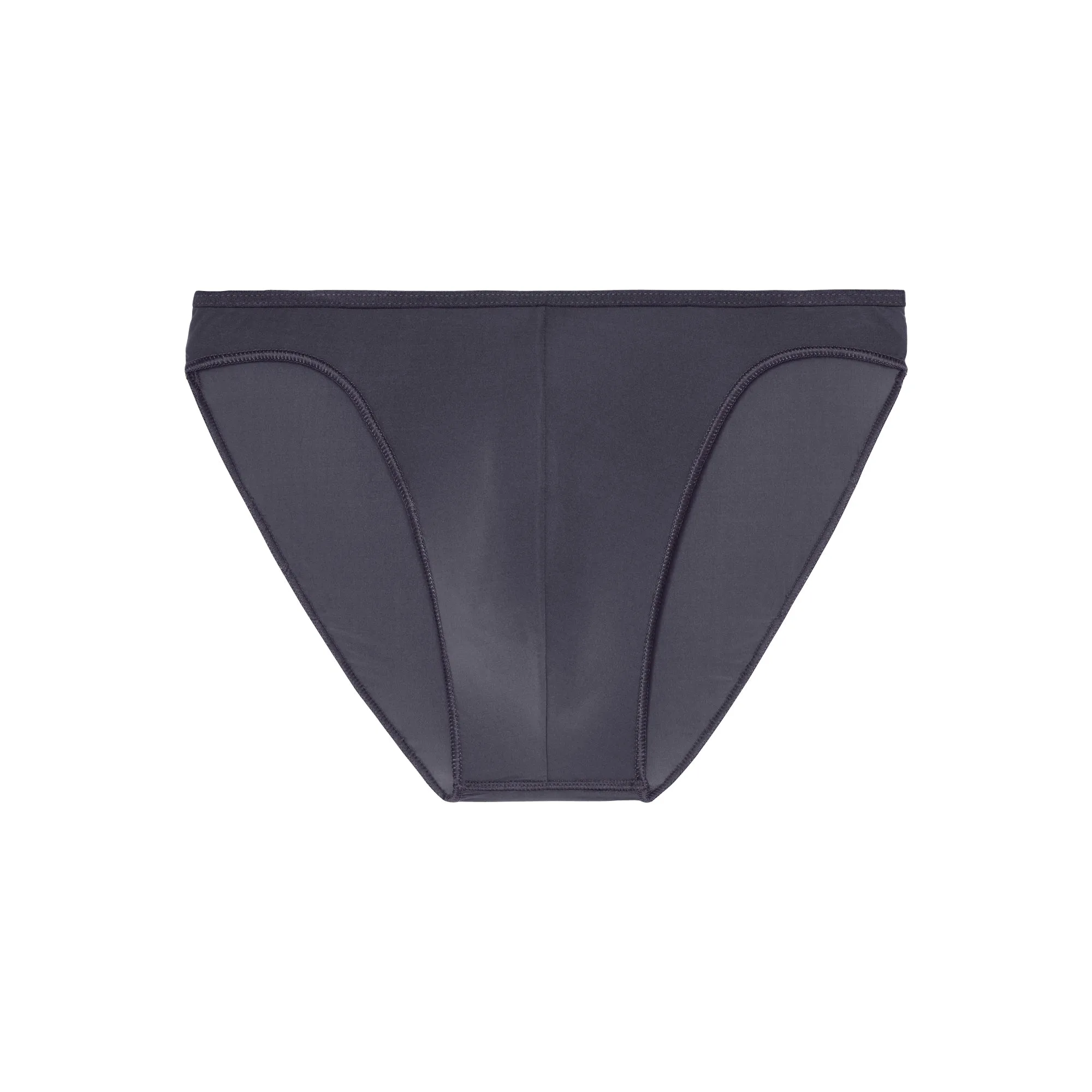
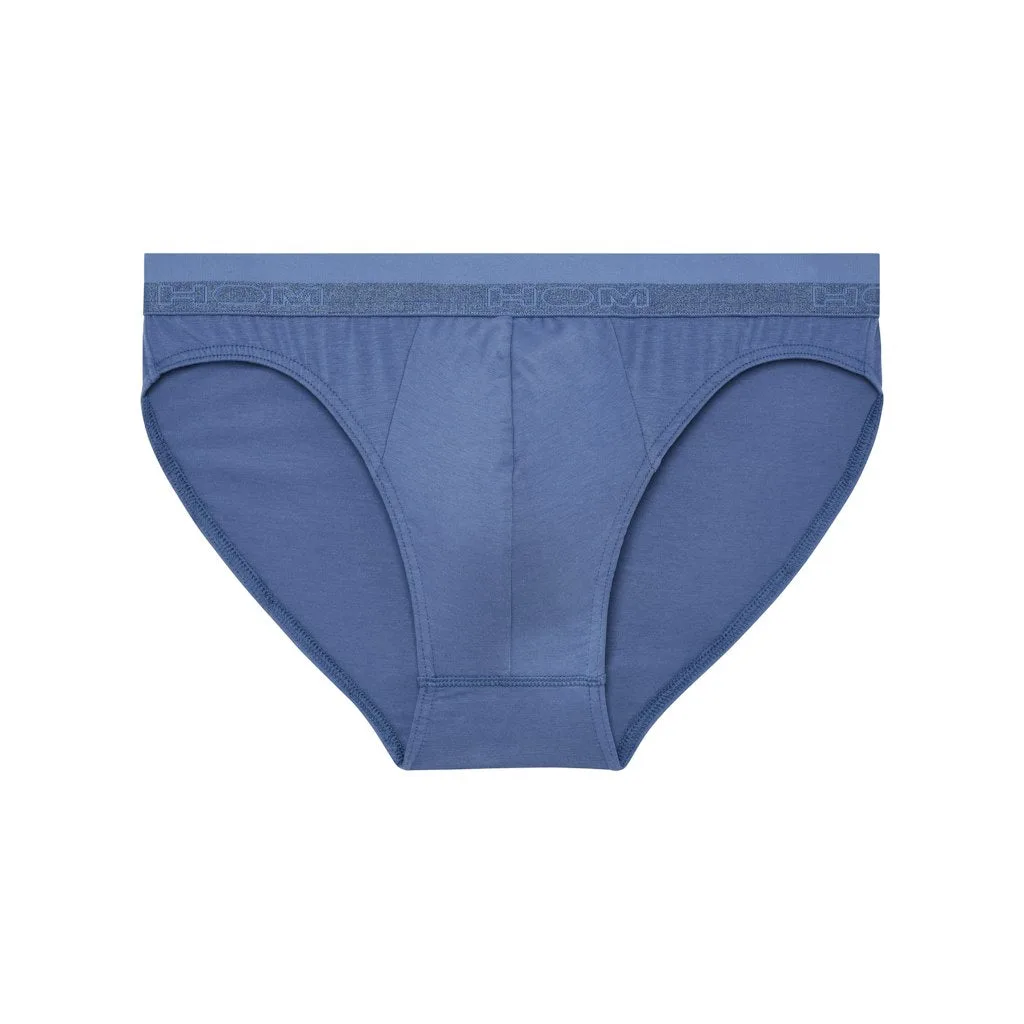
Verdict: false. Fabric sets the baseline feel, but cut and construction decide how a garment actually wears. HOM's own range shows this clearly. The Plumes Micro Briefs use polyamide elastane for a thin, light-as-a-feather feel, and the micro-cut sits slightly shorter on the hips than mini-briefs for more movement. The same fiber story would feel completely different in a different cut.
Apply that logic to socks. A breathable cotton blend in a cut that matches your shoe will outperform a premium fiber in a shape that fights your foot. When you compare options, read the fiber and the cut together, then decide.
- Read fiber and cut as a pair, never in isolation.
- A good fiber in the wrong shape still disappoints.
- Use the same logic across underwear, loungewear, and socks.
Myth: Natural fibers always beat synthetics
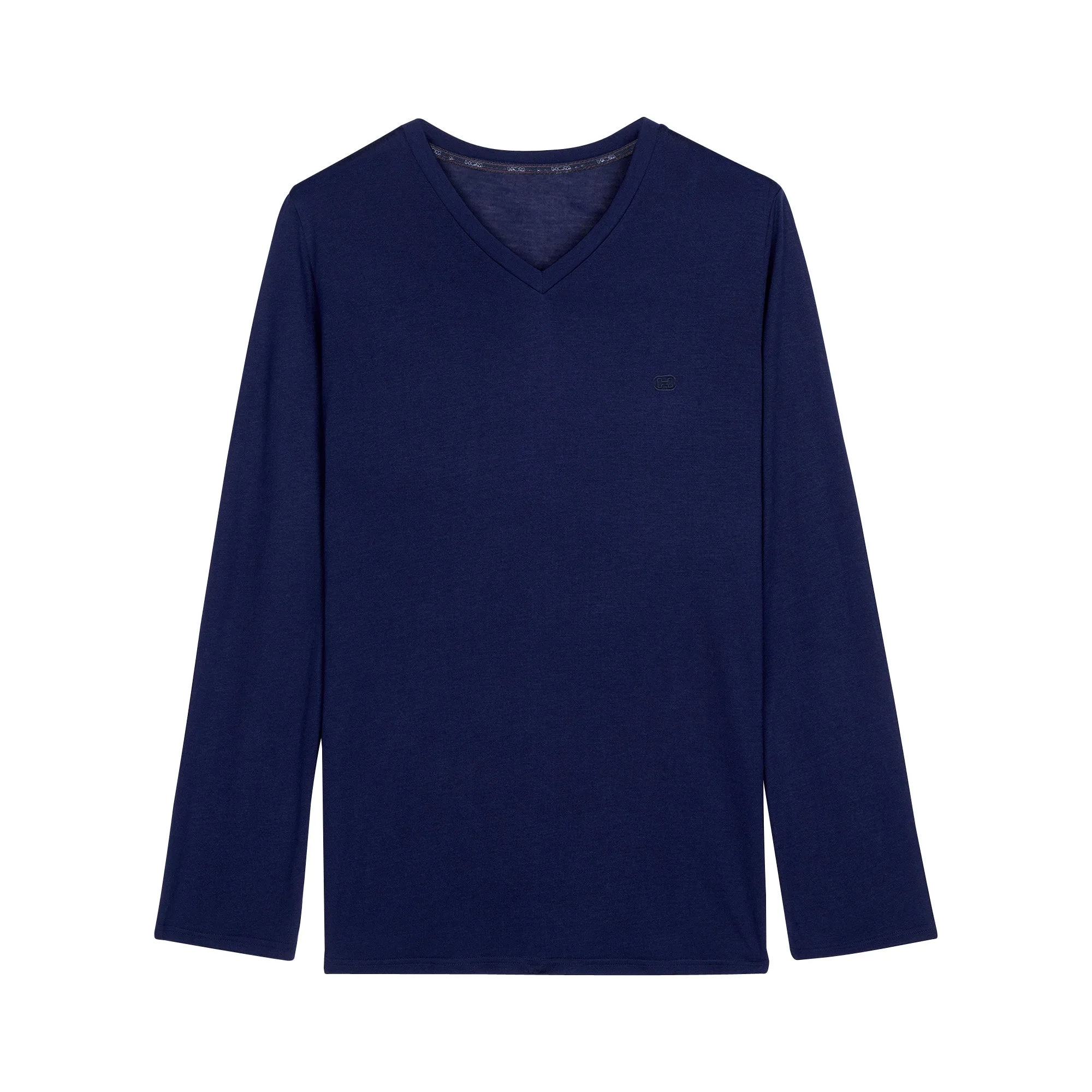
Verdict: false. Natural and synthetic fibers solve different problems. HOM's Cocooning Long Sleeve Shirt V is 100% modal, a natural material with a very soft touch that suits people who dislike synthetics, and it resists shrinkage and friction while absorbing well. That is a strong case for natural fiber in loungewear.
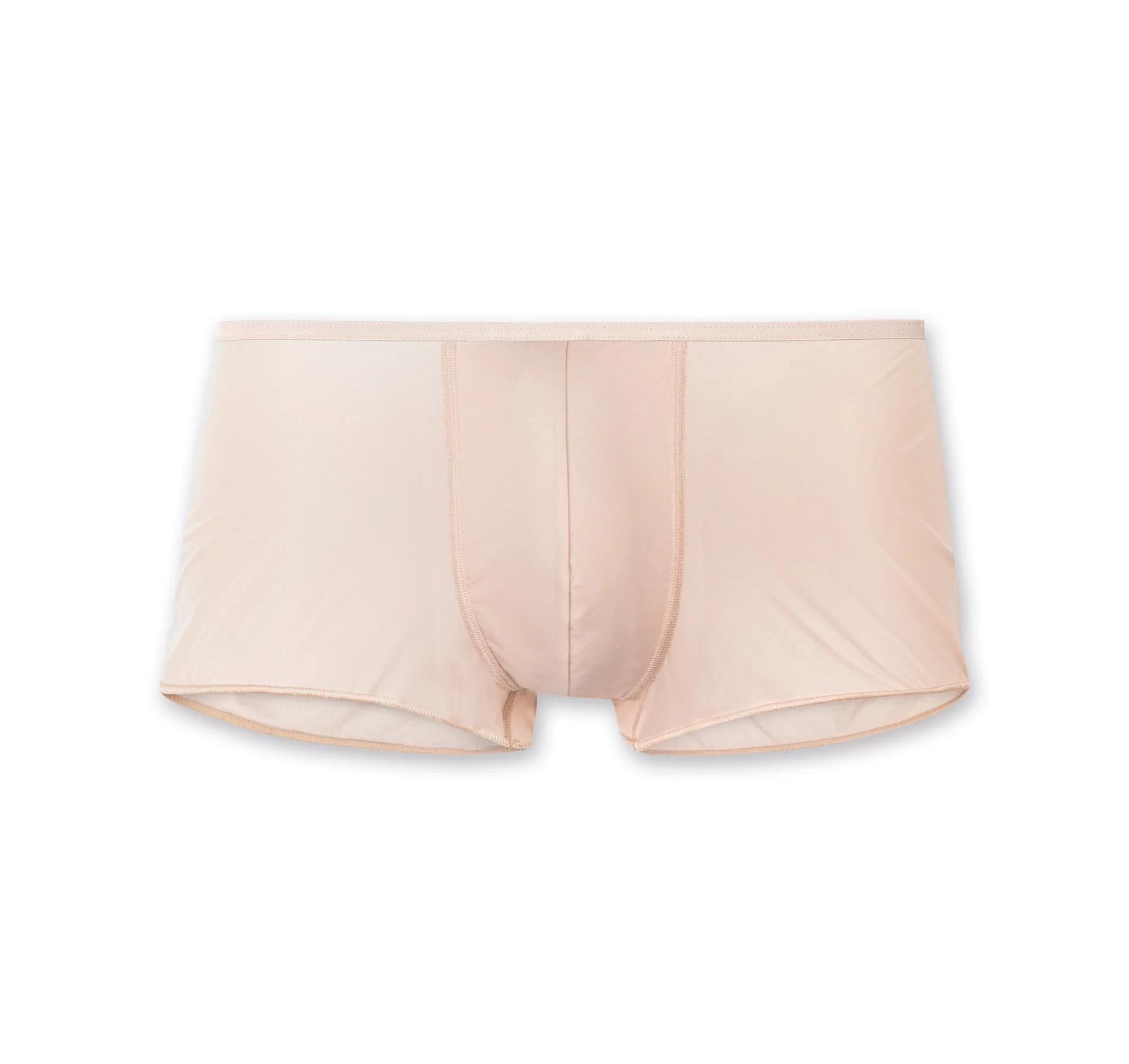
Now flip it. The Plumes Trunk uses polyamide elastane for a thin, light feel and durability, and the trunk cut sits slightly shorter on the leg than classic boxers. For invisible-under-clothing wear and freedom of movement, that synthetic blend is the better tool. Neither fiber wins everywhere; the use case does.
- Pick modal or cotton when softness and absorbency lead.
- Pick polyamide elastane when lightness and durability lead.
- Match the fiber to the activity, not to a slogan.
Myth: You need a different sock for every activity
Verdict: partly true, but overstated. Most people need two or three solid options, not a drawer full of specialized pairs. A breathable everyday cotton sock covers work, errands, and casual wear. A quick-drying pair covers exercise. A warmer pair covers cold weather. That is usually enough.
The real risk is overbuying socks that all fit the same way. If your everyday pair already feels right, adding more of the same shape rarely improves comfort. Spend the effort on fit and fabric instead, and replace worn pairs before they develop thin heels or loose cuffs.
- Two or three well-chosen pairs beat a drawer of duplicates.
- Replace socks with thin heels or stretched cuffs.
- Fix fit problems before adding more variety.
Sock myth verdicts at a glance
- Cotton does not breathe: Cotton is breathable and absorbent; it simply dries more slowly than some synthetics. Verdict: false. Choose cotton for everyday wear and save quick-dry synthetics for high-sweat activity.
- A tight sock will stretch to fit: Fit comes from the knit, elastic band, and chosen size, not from breaking in. Verdict: false. If it pinches or bunches, change the size or cut.
- Fabric is all that matters: Cut and construction decide how a garment actually wears, as HOM's micro-cut and trunk cuts show. Verdict: false. Read fiber and cut together.
- Natural always beats synthetic: Modal offers softness and absorbency; polyamide elastane offers lightness and durability. Verdict: false. Match the fiber to the use case.
- You need a sock for every activity: Two or three well-fitting options usually cover daily life. Verdict: mostly false. Fix fit first, then add variety only where it helps.
Product facts behind these verdicts
- Plumes Micro Briefs | Anthrazit 404756-Z098: Made with polyamide elastane for a thin, light-as-a-feather feel, with a thin elastic band and a micro-cut that sits slightly shorter on the hips than mini-briefs. Shows how fiber and cut work together: the same lightweight material behaves differently depending on the cut, which is the core of the fit myths above.
- Cocooning Long Sleeve Shirt V | Navy 402673-00ra: A 100% modal top with a very soft touch, suited to those who do not like synthetics, with absorbent properties and strong resistance to shrinkage and friction. A concrete example of natural fiber strengths, useful when deciding whether natural or synthetic is the right call for a given layer.
- Plumes Trunk | Skin 404755-00dt: Polyamide elastane boxer briefs with a trunk cut slightly shorter on the leg than classic boxers, described as durable and suited to freedom of movement. Demonstrates that a synthetic blend can be the better choice when lightness, durability, and movement matter more than natural softness.
Sock comfort is less mysterious than the myths suggest. Check the fiber for the job, check the fit on your foot, and replace pairs that have lost their shape. Do that, and most of the advice you have heard about socks stops mattering.