Quick answer
Buy a soft armor plate backer if you already own standalone plates and want to cut blunt trauma while adding a layer of padding. Buy standalone plates if you are building a setup from scratch and need the plate itself to stop the threat. A backer is a supplement, not a substitute, so the decision usually comes down to whether you already have a certified plate.
What each option actually does
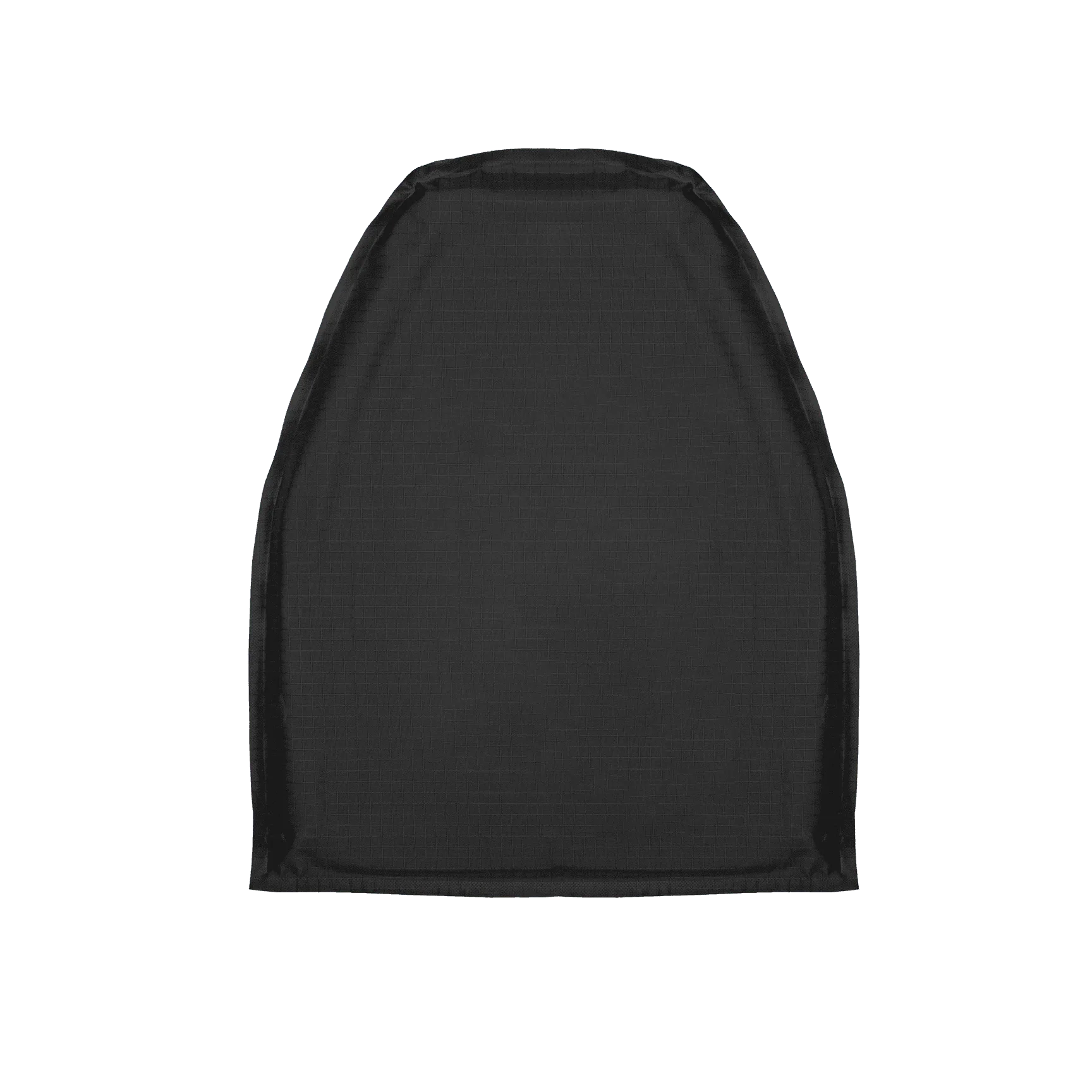
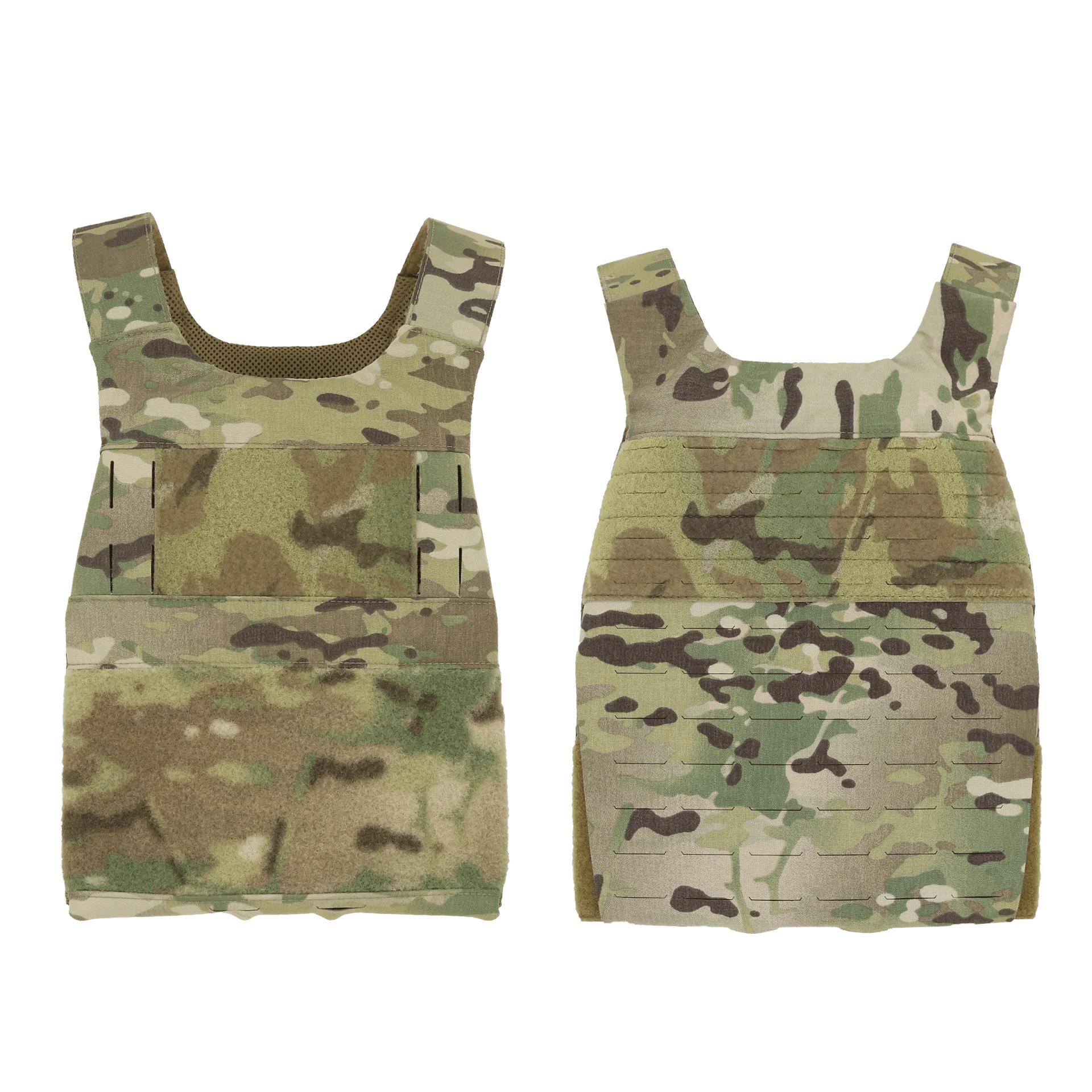
A soft armor plate backer is a thin, flexible panel that sits behind your hard plate. It pads the plate against your body and adds a Level IIIA layer that helps absorb blunt trauma when your stand-alone plate takes an impact. It is not a rifle-rated plate, and it does not replace one.
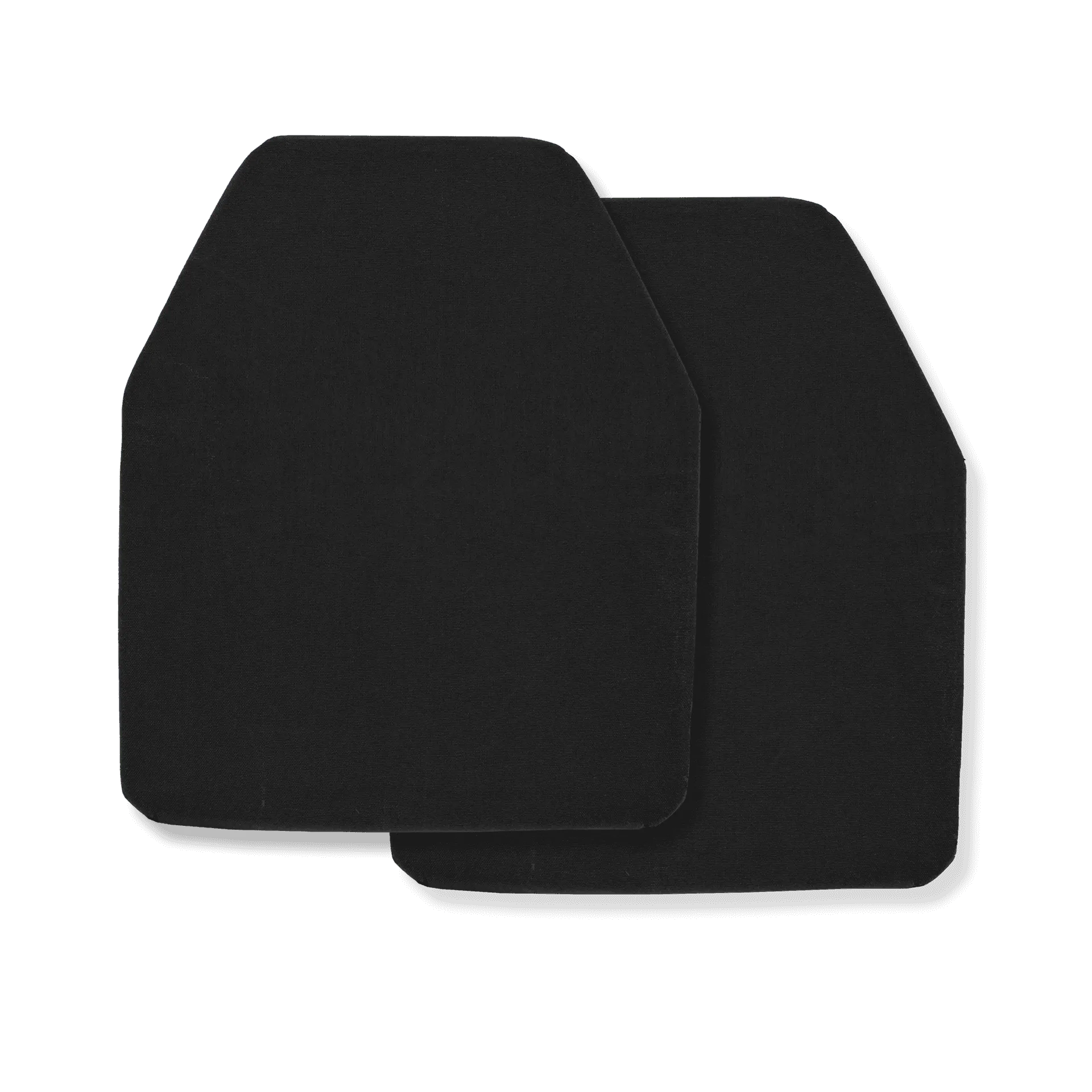
A standalone plate is the primary rifle protection. The Armor Plate Set - Ceramic Composite Level III Special Threat - Large (10.25x13.25) is a set of two multicurve SAPI-cut plates, NIJ 0101.06 certified, 1.1 inches thick, and about 6 pounds per plate. It is designed to be worn on its own, with no backer required to reach its rating.
Where the backer earns its place
Backers make the most sense when you already have a plate you trust and want to improve how it carries. The Soft Armor Plate Backer - Level IIIA - Shooter Cut is 0.22 inches thick and 0.88 pounds, so it adds very little bulk. It meets NIJ 0101.06 testing and comes in 10 x 12 (Medium) or 10.25 x 13.25 (Large), which lets you match the panel to your plate footprint.
The other legitimate use is in-conjunction setups. If you own plates that are rated only when paired with a backer, the backer is what brings them to spec. In that case the backer is not optional, it is part of the protection system.
Where standalone plates win
If you are starting from zero, a backer alone will not stop rifle threats. Standalone plates are the simpler and usually cheaper path because you buy one system instead of stacking two. The ceramic composite set above is a good example: certified, multicurve for shoulder mobility, and sold as a pair, so you are not piecing together a setup.
Standalone plates also keep the system lighter and thinner overall. Adding a backer behind every plate adds weight and a small amount of thickness, which matters on long walks or in tight vehicle spaces. If your plate already manages blunt trauma acceptably for your use, skip the backer.
How to check fit before you buy
Match the backer size to your plate, not to your shirt size. The shooter cut backer is offered in Medium (10 x 12) and Large (10.25 x 13.25). If your plate is a 10.25 x 13.25 SAPI or multicurve cut, the Large is the direct match. A backer that hangs past the plate edge will bunch and shift.
Also confirm your carrier can accept the extra layer. A minimalist carrier like The Slickster MOLLE Base uses plate pockets only, with no cummerbund, and the rear pocket is MOLLE-compatible for pouches and packs. A thin 0.22-inch backer generally slides in behind the plate without changing the carrier, but if your plate pockets are already tight, test the fit before committing.
The cost math
At a catalog price of USD 105.86, the backer is a modest add-on compared with a full plate set at USD 522.60. That gap is the honest trade-off: the backer is the cheaper upgrade, but it only improves a setup you already own. If you do not own certified plates yet, the backer is the wrong first purchase.
Trade-offs at a glance
- Protection level: The backer is Level IIIA and handles blunt trauma and handgun threats. The standalone ceramic set is multi-hit Level III and special threat tested. Only the standalone plate stops rifle threats on its own.
- Weight and bulk: The backer adds 0.88 pounds and 0.22 inches per plate. The standalone set is about 6 pounds per plate at 1.1 inches thick. Stacking a backer behind a plate adds weight you will feel on long movements.
- Cost to get protected: Backer at USD 105.86 versus the plate set at USD 522.60. The backer is the cheaper add-on, but only if you already own certified plates.
- Fit dependency: The backer must match your plate size and slide into your carrier's plate pocket. The standalone set is a complete SAPI-cut pair. Measure your plate and pocket before adding a backer.
Product facts
- Soft Armor Plate Backer - Level IIIA - Shooter Cut: Level IIIA, 10 x 12 (Medium) or 10.25 x 13.25 (Large), 0.22 inches thick, 0.88 pounds, meets NIJ 0101.06 testing. Thin and light enough to add padding and blunt-trauma protection without changing how your plate carries.
- Armor Plate Set - Ceramic Composite Level III Special Threat - Large (10.25x13.25): Sold as a set of two, NIJ 0101.06 certified, 10.25 x 13.25, 1.1 inches thick, multicurve SAPI cut, 6 pounds per plate, multi-hit Level III, stand alone, ceramic composite, plus special threat tested. A complete rifle-rated pair that needs no backer to reach its rating, which makes it the right starting point if you own nothing yet.
- The Slickster™ MOLLE Base: Plate pockets only, no cummerbund, with a MOLLE rear plate pocket for attaching MOLLE-compatible pouches and packs. A minimalist carrier that keeps the backer-and-plate stack simple, but offers no cummerbund to distribute added weight.
Which should you buy?
Choose a backer if
- You already own certified standalone plates and want less blunt trauma.
- You own in-conjunction plates that require a backer to reach their rating.
- You want a thin, light upgrade without replacing your plate set.
Choose standalone plates if
- You do not own rifle-rated plates yet.
- You want the lightest and thinnest single-layer setup.
- You are building a new carrier system from scratch.