The real difference is what happens to the pages
A soft book and a board book can cover the same early-learning ground, but they fail in different ways. Cloth pages bend, fold, and tolerate mouthing; board pages hold their shape and resist bending, but they are rigid. That single material difference should drive your choice more than the topic printed inside.
The supplied records make the split concrete. The 'Let's Go on a House Tour' Soft Book uses soft fabric pages described as gentle for tiny hands and safe for mouthing. The 'My First Signs' Board Book uses a board book format designed for little hands. Neither record lists an age range, so treat the format and handling needs as your guide rather than a number on the cover.
What each format is built to do
-
'Let's Go on a House Tour' Soft Book: Soft, fabric pages are gentle for tiny hands and safe for mouthing. If your child still explores books with their mouth, a cloth book removes the hard-edge worry that comes with board pages.
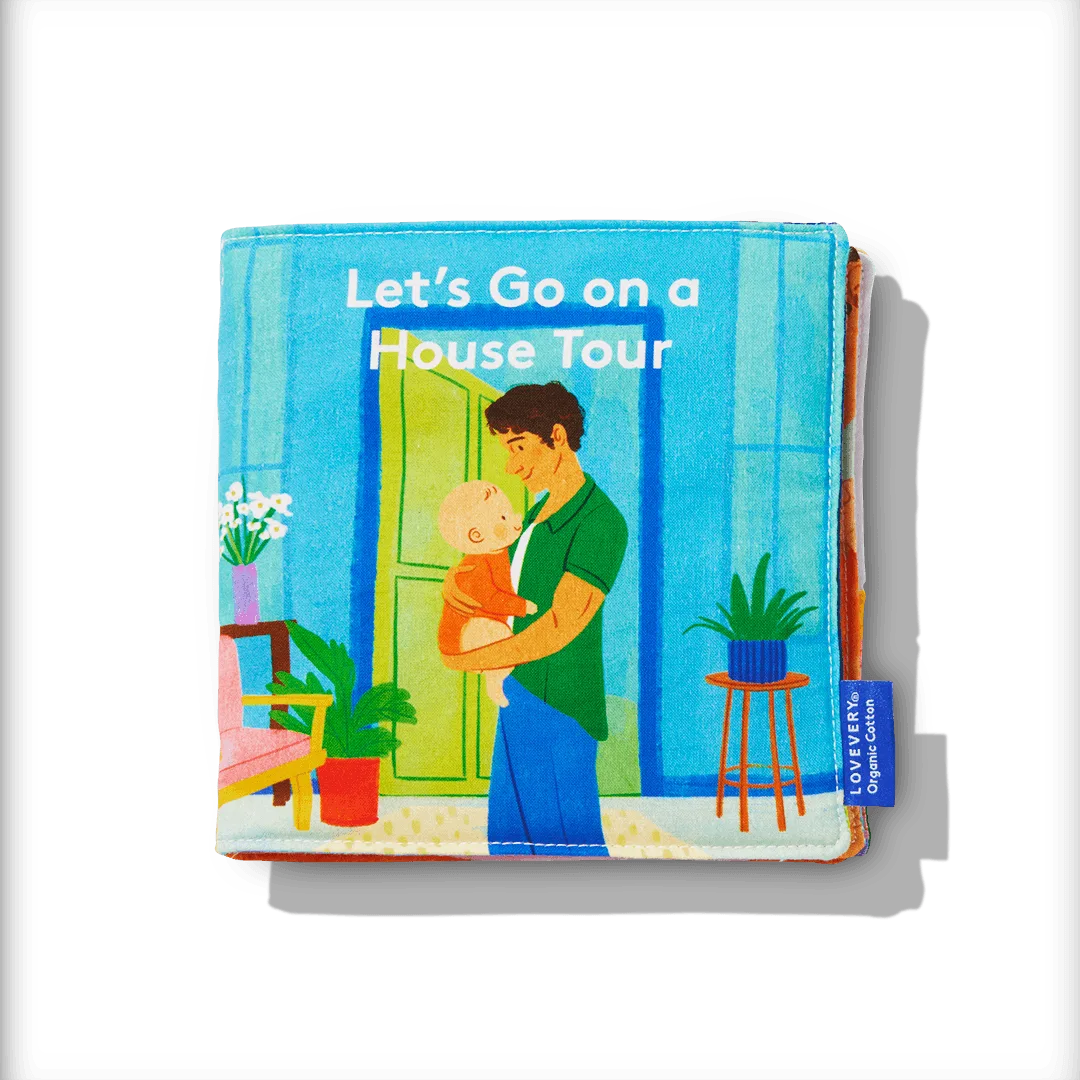
'Let's Go on a House Tour' Soft Book
-
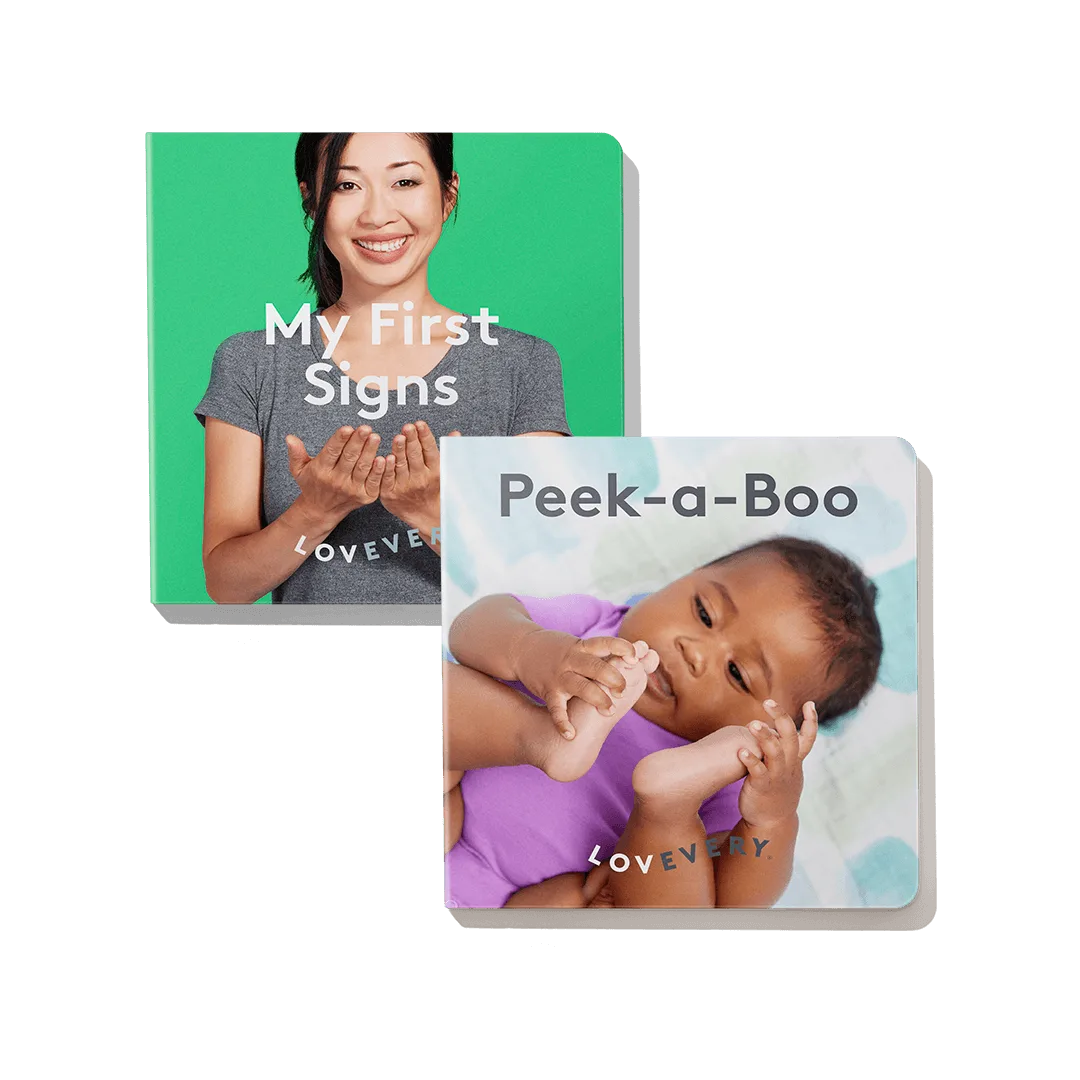
'My First Signs' Board Book: Board book format designed for little hands. A board book gives a toddler a stiff page to turn independently, which suits a child who wants to control the page rather than chew it.
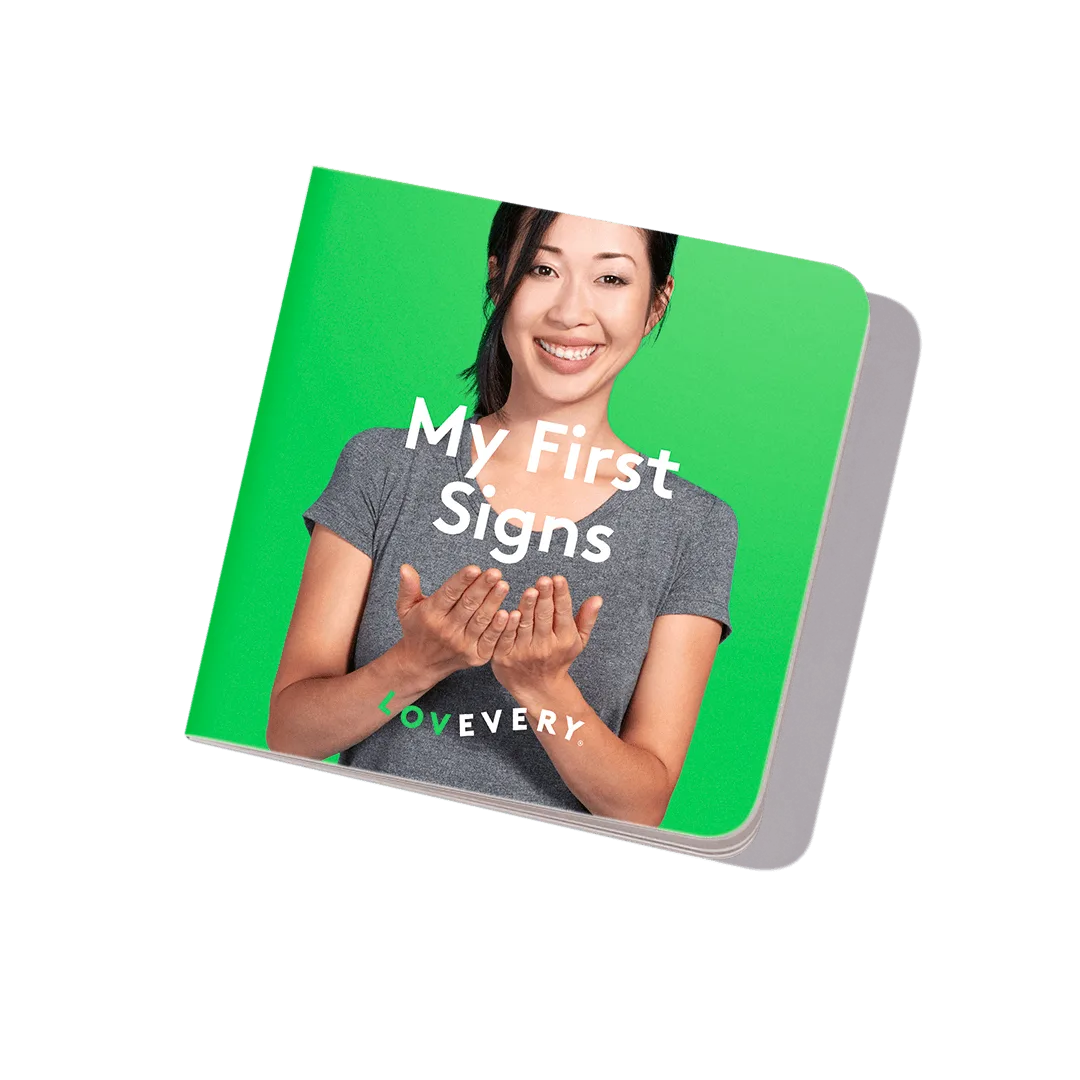
'My First Signs' Board Book
Cloth book or board book toddler: match the format to the moment
Use this side-by-side to decide which format earns a place in the diaper bag, the crib area, or the shelf.
- Mouthing and grabbing: Choose the soft book. The 'Let's Go on a House Tour' Soft Book is the only one of the two with supplied mouthing-safety wording, and its fabric pages are described as gentle for tiny hands.
- Independent page turning: Choose the board book. The 'My First Signs' Board Book is built in a board format for little hands, so a toddler can practice turning a stiff page without the page collapsing.
- Content your child can act on: The soft book uses colorful illustrations of rooms and objects found in a typical home and is described as encouraging sensory exploration and vocabulary development. The board book introduces simple signs to support early communication. Pick the topic that matches what you want to talk about at home.
- Rough handling: Cloth bends and recovers; board resists bending but is rigid. The supplied records do not include tear-resistance or durability testing for either title, so judge by material rather than by a claim.
Where each book fits in the day
The soft book suits floor time and travel. Its fabric pages and household-scene illustrations make it a low-stakes book to hand over when your child is likely to grab, drop, or mouth it. The 'Let's Go on a House Tour' Soft Book is part of Lovevery's play and learning collection, and its familiar rooms and objects give you an easy running commentary: name what you see, point, and let your child pat the page.
The board book suits a short, seated sign-along. The 'My First Signs' Board Book is part of the Lovevery Play Kit series and introduces simple signs to support early communication. Because it is a board book, your toddler can hold it and turn pages while you model a sign. The supplied record does not list which signs are included, so open the book first and choose one or two you can use consistently before you expect your child to copy them.
A first books buying guide that avoids the wrong purchase
Before you add either format to your cart, run through these checks.
- Check the material against your child's habits: A child who mouths everything is a soft-book candidate; a child who wants to turn pages alone is a board-book candidate. The supplied records support those two uses directly.
- Do not assume an age range: Neither supplied record lists a recommended age. Use your child's handling behavior and your own supervision instead of guessing a month range.
- Decide whether you want a topic or a format: The soft book offers household vocabulary and sensory exploration; the board book offers simple signs and early communication. If you want both, the two titles are complementary rather than redundant.
- Check what is not confirmed: The supplied information does not include care instructions, safety warnings, or a list of included signs for either title. If those details matter to your decision, confirm them before buying rather than assuming.
When to choose the soft book, and when to choose the board book
Choose the 'Let's Go on a House Tour' Soft Book if your priority is a mouth-safe, fabric first book with familiar household scenes and you want sensory exploration and vocabulary talk. Choose the 'My First Signs' Board Book if your priority is a sturdy page your toddler can handle while you introduce simple signs for early communication. If you are building a first library, owning one of each format covers both handling styles without duplicating the same reading experience.