Quick answer
Choose soft luggage if you need external pockets, flexible packing, and lighter weight for weekend trips or carry-on travel. Choose hard luggage if you check bags often and want maximum protection for fragile items and a rigid, scratch-resistant shell. Neither is universally better—match the type to how you travel.
Picking between softside and hardside luggage comes down to how you pack and where you go. Soft luggage uses fabric that can flex and compress, while hard luggage relies on a molded shell that holds its shape. Each has real advantages and trade-offs.
This comparison breaks down the pros and cons of soft luggage vs hard luggage using specific product examples from Eastpak, so you can decide which type fits your next trip.
Soft Luggage: Pros and Cons
Soft luggage is made from fabric—often water-repellent nylon or polyester—so it can squeeze into tight spaces and expand slightly when overpacked. External pockets let you grab a book or charger without opening the main compartment. Many soft bags, like the TRAVELPACK DAHLIA PURPLE, convert between backpack and duffle carry, which helps on uneven streets or stairs.
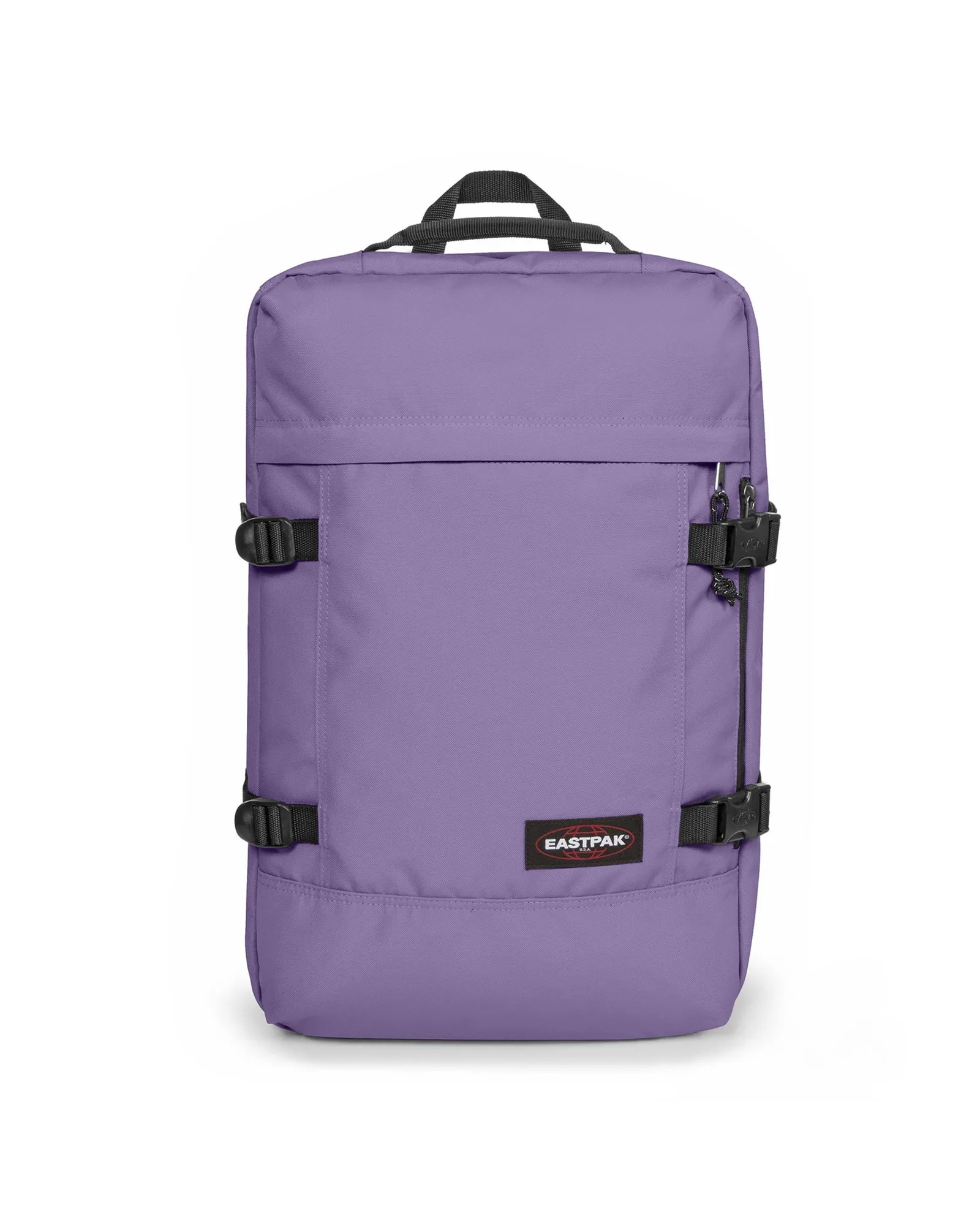
TRAVELPACK DAHLIA PURPLE
The trade-off is less structural protection. Fabric can absorb impacts and may not shield fragile items as well as a hard shell. Soft bags also tend to show wear faster at corners and zippers. However, they are often lighter and more forgiving when you need to cram one more item into a full bag.
- Look for water-repellent fabric and tuck-away straps if you plan to carry the bag on your back.
- External pockets are convenient but can snag—check zipper quality before buying.
Hard Luggage: Pros and Cons
Hard luggage uses a rigid shell—polycarbonate, ABS, or aluminum—that resists crushing and protects contents from impact. The RESIST'R CASE L ARMY OLIVE features a durable shell and lightweight aluminum frame with side protective bumpers, which helps when bags are stacked or thrown during transit. Integrated TSA locks add security without a separate padlock.
The main drawback is inflexibility. Hard cases do not compress, so you cannot squeeze them into an overhead bin that is already tight. They also add weight, and scratches may show on glossy finishes. For checked bags where protection matters most, that trade-off is often worth it.
- Check for a scratch-resistant finish if you dislike visible scuffs.
- A built-in TSA lock saves time at security and reduces the risk of lost keys.
Key Differences That Affect Your Trip
Packing style: Soft bags forgive overpacking because fabric flexes; hard bags force you to pack within the shell's fixed dimensions. If you tend to bring back souvenirs, soft luggage gives you more leeway.
Protection: Hard shells win for fragile items like electronics or bottles. Soft bags rely on padding and careful packing. For a carry-on with a laptop, a soft bag with a dedicated sleeve—like the TRAVELPACK TARP FOREST—may be more practical than a hard case without one.
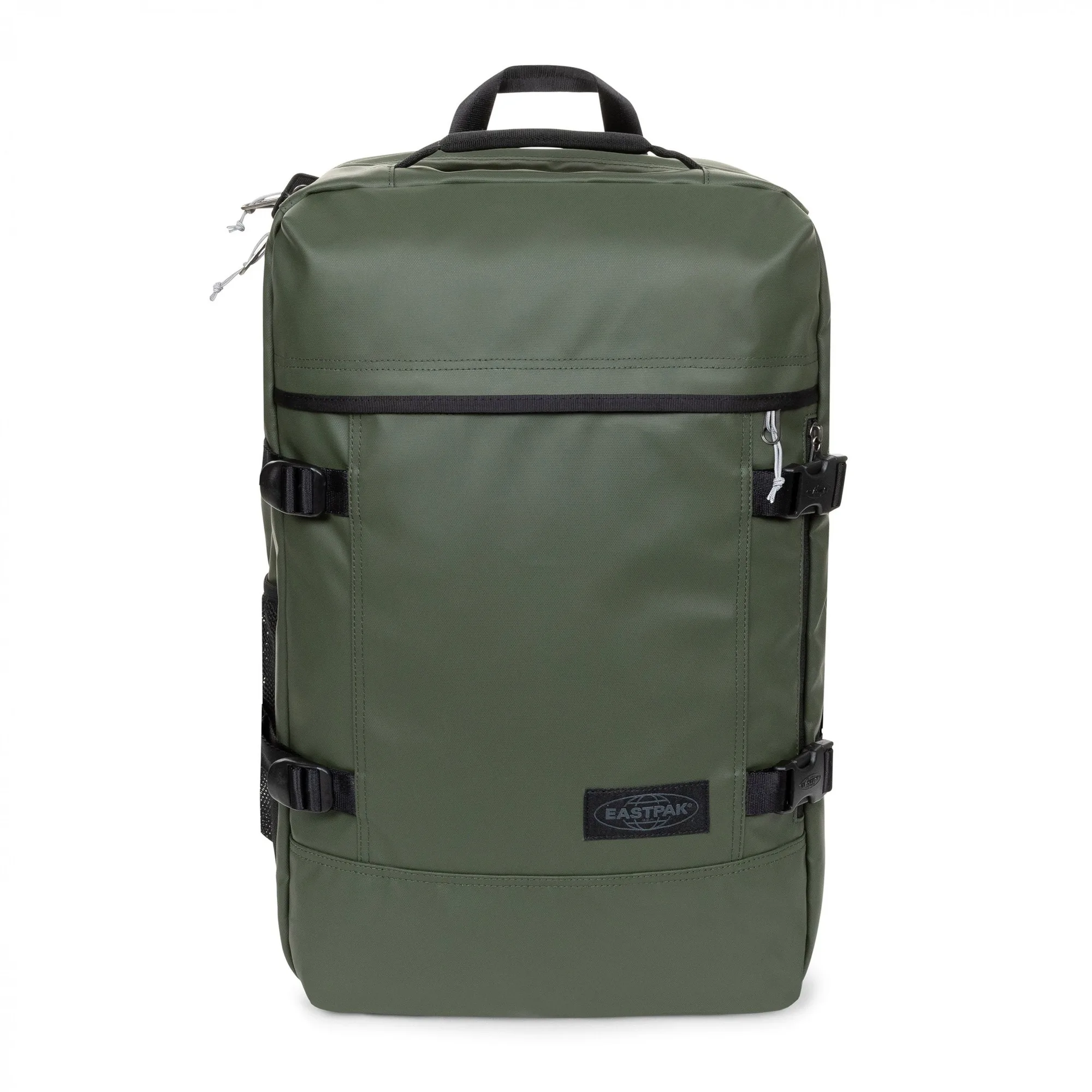
TRAVELPACK TARP FOREST
Weight: Soft bags are generally lighter, which matters if you are trying to meet strict carry-on weight limits. Hard cases add heft but offer better structural integrity.
- Weigh your packed bag before flying—some airlines enforce carry-on weight limits.
- If you check bags frequently, invest in a hard case with bumpers and TSA locks.
Trade-offs at a glance
- Protection vs flexibility: Hard shells protect fragile items but do not compress; soft bags flex to fit tight spaces but offer less impact protection. If you check bags with electronics, go hard. If you carry on and need to squeeze into overhead bins, go soft.
- Weight vs durability: Soft luggage is typically lighter but may wear faster at corners; hard luggage is heavier but resists crushing and scratches. Weigh your packed bag if you face carry-on weight limits—soft may help you stay under.
- Access vs security: Soft bags often have external pockets for quick access; hard bags usually have integrated locks and no external pockets. If you need to grab items often, soft wins. If security is a priority, hard with TSA locks is better.
Product facts
- TRAVELPACK DAHLIA PURPLE: 2-in-1 luggage designed for weekend trips and overseas adventures, with spacious compartments, a 17" laptop sleeve, bottle holder, and tuck-away shoulder straps. Water repellent and carry-on sized. This soft bag converts from duffle to backpack, giving you carrying flexibility and quick access to a laptop—ideal for weekend getaways or as a personal item.
- TRAVELPACK TARP FOREST: Weatherproof 2-in-1 travel bag that can be carried as a backpack or duffle, with a built-in laptop sleeve for devices up to 17", tuck-away padded shoulder straps, and cabin size for most major airlines. The water-repellent fabric and convertible design make it a strong choice for outdoor trips where weather and carry options vary.
- RESIST'R CASE L ARMY OLIVE: Large lightweight suitcase with a durable shell and lightweight aluminum frame, two large compartments, side protective bumpers, two integrated TSA locks, and a 360° wheeling system. This hard case prioritizes protection and security for checked luggage, with smooth mobility and built-in locks for peace of mind.
- RESIST'R ZIP S CAMO: Expandable hardshell carry-on luggage with two zippered compartments, integrated TSA lock, 360° wheeling system, and a grained scratch-resistant and water-resistant shell. Strict carry-on size for airline travel. A hard carry-on that meets strict size limits while offering scratch resistance and expandability—useful if you want hard-shell protection in a carry-on.
Which should you choose?
Best for
- Weekend trips and carry-on only travel where flexibility and light weight matter
- Travelers who want to convert between backpack and duffle carry
- Those who need quick access to a laptop or water bottle
Not for
- Checking fragile items that need maximum impact protection
- Travelers who prefer a rigid, scratch-resistant shell and built-in locks
- Those who rarely overpack and want a structured bag that holds its shape
Soft luggage and hard luggage each solve different problems. Pick soft if you value flexibility, light weight, and external pockets for weekend trips or carry-on travel. Pick hard if you check bags and want maximum protection, security, and a durable shell. Match the type to your trip, and you will travel with less stress.