Quick Answer
Store soft toys in breathable containers or open bins, keep them off the floor, and rotate the collection so each toy gets air and less dust. Wash or spot-clean plush toys on a simple schedule, dry them fully, and use a labeled bin system so clean toys never mix with dirty ones.
Soft toys are some of the hardest working toys in a child's room. They get hugged, dragged, sat on, and left in corners. That is exactly why soft toy storage needs a plan, not just a bigger basket.
The good news: keeping plush toys clean and organized does not require a complicated system. A few deliberate choices about where toys live, how they are rotated, and when they get washed solve most of the mess.
Start With a Toy Audit Before You Buy Storage
You cannot organize what you have not counted. Pull every soft toy out of the room, the car, and the bottom of the toy box. Sort into three piles: loved and played with daily, occasional favorites, and the forgotten group.
The forgotten pile is usually the biggest. Those toys collect dust, take up space, and make cleaning harder. Decide to donate, store away, or rotate them out. A smaller, rotating collection stays cleaner because each toy gets handled, aired, and checked more often.
- Keep a maximum of 8-10 soft toys accessible at once for younger children.
- Store the rest in a breathable cotton bag or open bin, not a sealed vacuum bag.
- Label rotation bins by season or month so toys come back into play regularly.
Choose Storage That Lets Plush Toys Breathe
Sealed plastic bins trap moisture, which is a problem if a toy goes in slightly damp or if the room is humid. Breathable options like cotton storage bags, canvas bins, or open wooden crates let air move around the fabric. That reduces musty smells and discourages mold.
Open bins also make it easier for children to put toys away themselves. If the bin is a lidless canvas cube or a low wooden crate, a toddler can toss a stuffed bear in without help. That one design choice prevents the floor pile from forming in the first place.
- Avoid airtight plastic totes for long-term plush storage.
- Use open bins at child height for daily toys.
- Keep a separate small basket for toys that need washing.
Set Up a Simple Cleaning and Rotation Routine
Most plush toys do not need a deep wash every week. A quick shake outside, a lint roller pass, and a spot clean handle surface dust and crumbs. A deeper wash every one to three months, depending on use, keeps fabric fresh and removes allergens.
Always check the care label before washing. Some plush toys are surface-clean only. For washable toys, use a gentle cycle in a pillowcase, then air dry completely. Never put a damp plush toy back in a bin. That is how mildew starts.
- Shake toys outside weekly to release dust.
- Spot clean with a damp cloth and mild soap for small marks.
- Air dry fully before returning to storage.
Keep Soft Toys Separate From Hard Toys and Floor Clutter
Soft toys pick up dust, hair, and crumbs from hard toys and floors. If they share a bin with wooden blocks or puzzle pieces, the fabric acts like a filter for debris. Separate storage zones solve this. One bin for plush, one for wooden toys, one for games.
This separation also makes cleaning faster. You can wipe wooden toys without digging through fabric, and you can wash plush toys without removing a hundred small pieces first. A simple shelf or two-bin system is enough.
- Use a dedicated plush bin or shelf section.
- Keep wooden toys in their own open crate or tray.
- Teach kids to return soft toys to the plush zone after play.
When Storage Alone Is Not Enough: Stop and Reassess
If soft toys still smell musty after washing and airing, or if you see dark spots that return, the problem is likely the room environment, not the storage bin. Check for damp walls, poor ventilation, or a humid corner. Move the toy storage to a drier spot before buying more containers.
If a plush toy is falling apart, shedding filling, or has a broken seam, stop using it. No storage solution fixes a damaged toy. Repair it if it is a favorite, or retire it. Keeping damaged toys in the mix makes every bin dirtier.
- Musty smell after washing = move storage to a drier area.
- Visible mold that returns = discard the toy.
- Broken seams or loose filling = repair or retire.
Diagnosis: Why Your Soft Toy Storage Is Not Working
- Symptom: Toys always end up on the floor: The bin is too high, too deep, or has a heavy lid. Young children cannot use it independently. Switch to a low, open bin or canvas cube at child height.
- Symptom: Plush toys smell musty even after washing: Moisture is trapped in the storage area or the toys were put away slightly damp. Move storage to a dry, ventilated spot and always air dry fully before storing.
- Symptom: Toys get dirty again within days: Soft toys are stored with hard toys and floor clutter, so they pick up dust and crumbs. Separate plush from wooden and plastic toys into different bins or shelf zones.
- Symptom: You cannot find the toy your child wants: The collection is too large and there is no rotation system. Keep 8-10 toys accessible and rotate the rest monthly.
Moover Toys That Fit a Clean, Organized Toy Space
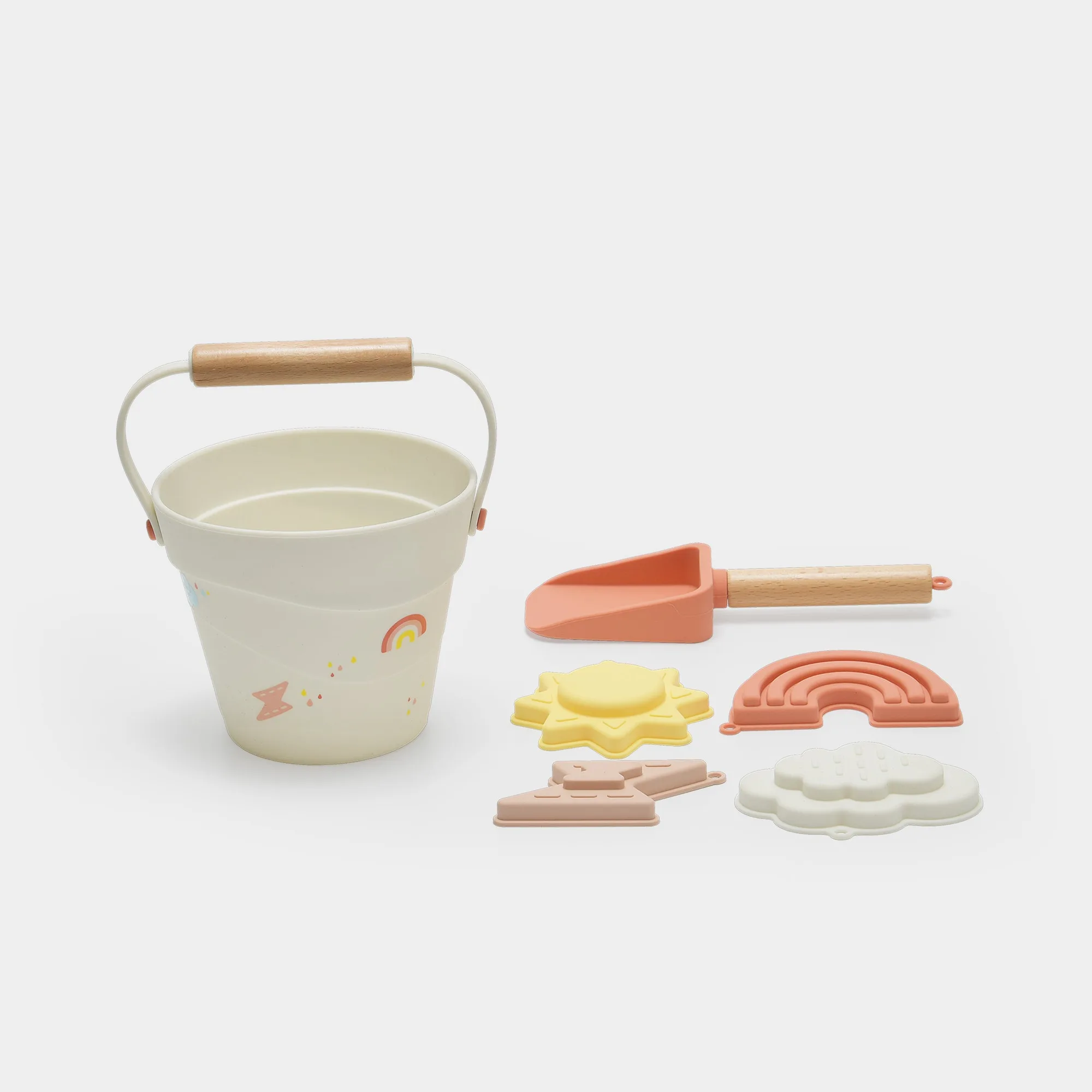
- Silicone Bucket Weather: Moover's 5-piece set includes a food-grade silicone bucket, shovel, and moulds in Scandinavian earth tones; it is BPA-free and requires no assembly. The silicone bucket is easy to wipe clean and works for both indoor and outdoor play, so it helps keep messy play contained and separate from soft toy storage.
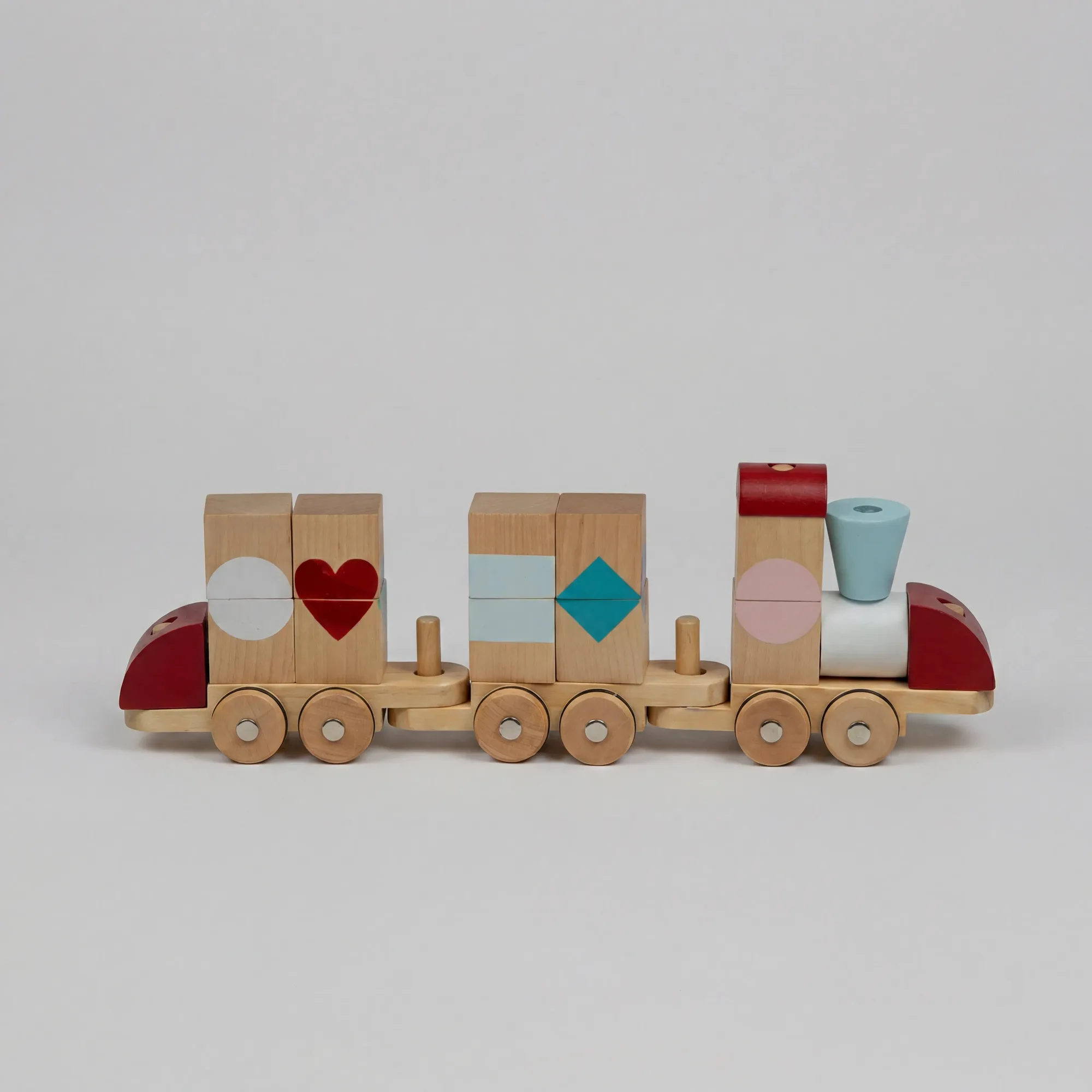
- Block Shape Train: This sturdy solid wood train set requires no assembly and is designed to build motor skills through taking apart and putting together. A solid wooden toy like this belongs in its own bin or shelf zone, which keeps it from mixing with plush toys and makes both cleaning and storage simpler.
Soft toy storage works best when it is simple, breathable, and easy for kids to use. Start with an audit, choose open bins, separate plush from hard toys, and set a realistic cleaning routine. If musty smells or damage persist, fix the room or retire the toy rather than adding more containers.