Quick Answer
Choose a softbox when you need controlled, directional light with minimal spill, especially for portraits and studio work where shaping matters. Choose an umbrella when speed, portability, and a lower cost matter more than precise control. If you shoot a mix of both, start with a softbox that folds quickly and add an umbrella as a lightweight second modifier.
How Softboxes and Umbrellas Shape Light Differently
A softbox wraps the light source in an enclosed box with a front diffusion panel. That enclosure narrows the spread and keeps light from bouncing around your room, which gives you more predictable shadows and easier feathering. An umbrella works by either shooting through translucent fabric or bouncing light into a reflective interior. Both approaches produce soft light, but umbrellas spread it wider and let more spill escape behind and around the subject.
The practical difference shows up in background control. With a softbox you can flag or grid the front to keep light off a backdrop. With an umbrella, light travels past the edges of the modifier, so a white wall or nearby ceiling becomes part of your lighting whether you want it or not. For a single-light portrait against a dark background, that spill can flatten contrast. For a fast group shot in a bright room, the same spill can be an advantage because it fills shadows without extra fixtures.
Setup Speed, Storage, and Travel
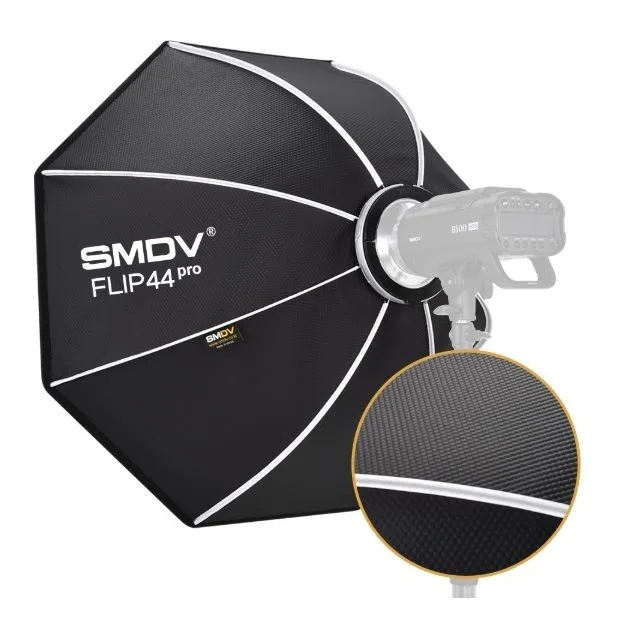
Umbrellas win on raw speed. They collapse to a stick, open in seconds, and need only a shoe or bracket mount. Softboxes take longer because you assemble a frame, attach a speedring, and fit a diffusion panel. The SMDV Speedbox Flip44 Pro Softbox addresses that gap with a practical folding system for quick assembly and disassembly, and its tough, wear-resistant nylon fabric is built for repeated transport. Note that its speedring is not included, so confirm your strobe or LED mount before buying.
If you travel by car to events, an umbrella still packs smaller and weighs less. If you work in one studio and value repeatable results, the extra minute a softbox takes to build is usually worth it. Consider how often you will actually break down the modifier. A softbox that stays assembled on a dedicated light stand is fast in practice, while an umbrella that lives in a bag is only fast if you remember the bracket.
Softbox Buying Advice: What to Check Before You Commit
Match the modifier to your light source first. A softbox designed for strobes and LED lights, like the SMDV Speedbox Flip44 Pro, gives you flexibility if you run both. Check the mount system, because a missing or incompatible speedring turns a bargain into a paperweight. Then look at size relative to your subject. A modifier that is small relative to the subject produces harder light and a tighter falloff; a larger one wraps more softly but demands more space and power.
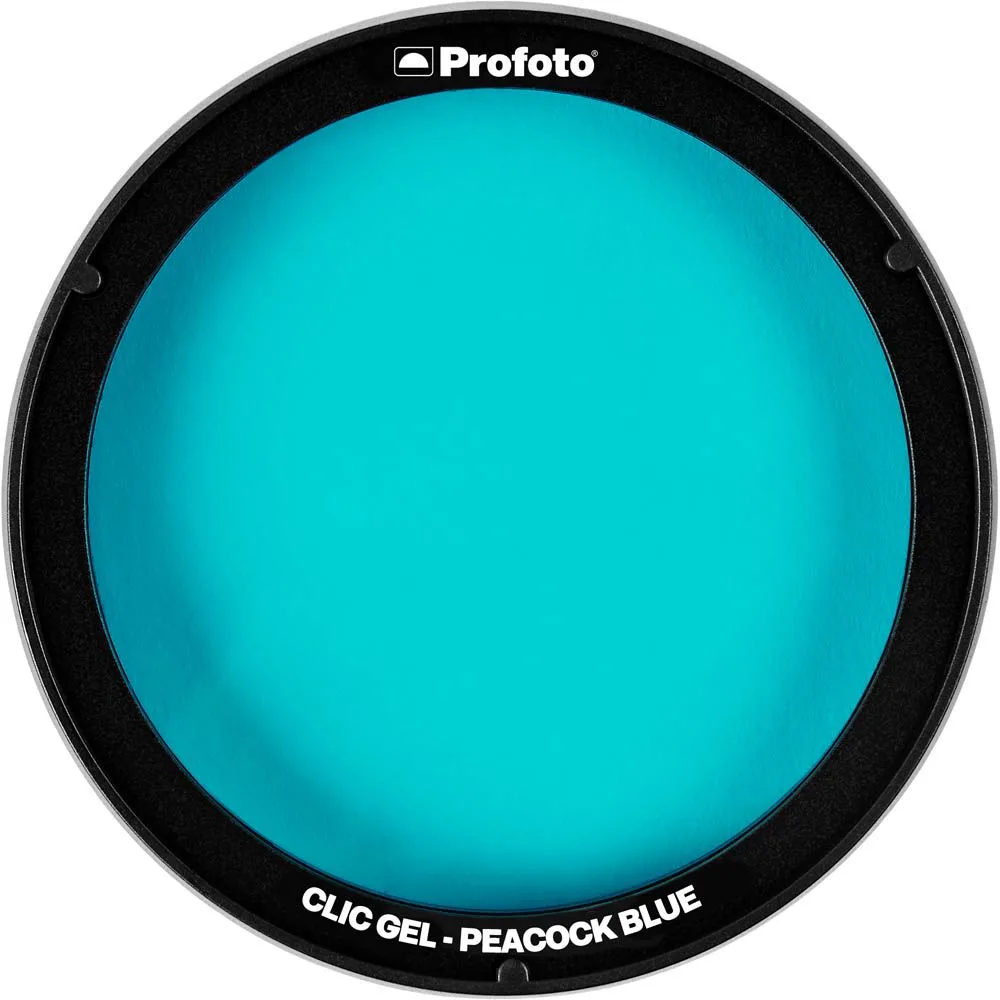
Also plan for accessories. Grids, diffusers, and gel holders extend what a softbox can do, but they add cost and setup steps. If you shoot color effects, a magnetic gel system such as the Profoto Clic Gel Peacock Blue clicks onto compatible Profoto A10, A1X, A1, and C1 Plus heads and stacks with compatible light shaping tools, which keeps color changes fast without rebuilding the modifier. That kind of ecosystem matters more than headline wattage when you are choosing a system.
Umbrella Lighting Pros and Cons in Real Shoots
The pros are cost, weight, and forgiveness. An umbrella softens harsh on-camera flash or a bare strobe with almost no learning curve, and a shoot-through umbrella doubles as a quick fill source. The cons are control and consistency. Because light spills widely, you cannot easily isolate a subject from a background, and feathering is less precise. In small rooms, bounce umbrellas can pick up color casts from walls and ceilings.
A useful middle path is to treat the umbrella as a fill or hair light and the softbox as your key. That combination gives you directional shaping where it matters and cheap, broad fill where precision does not. If you only own one modifier, decide based on your most common shoot: controlled portraits favor a softbox, while run-and-gun events favor an umbrella.
Where LED Panels and Bars Fit
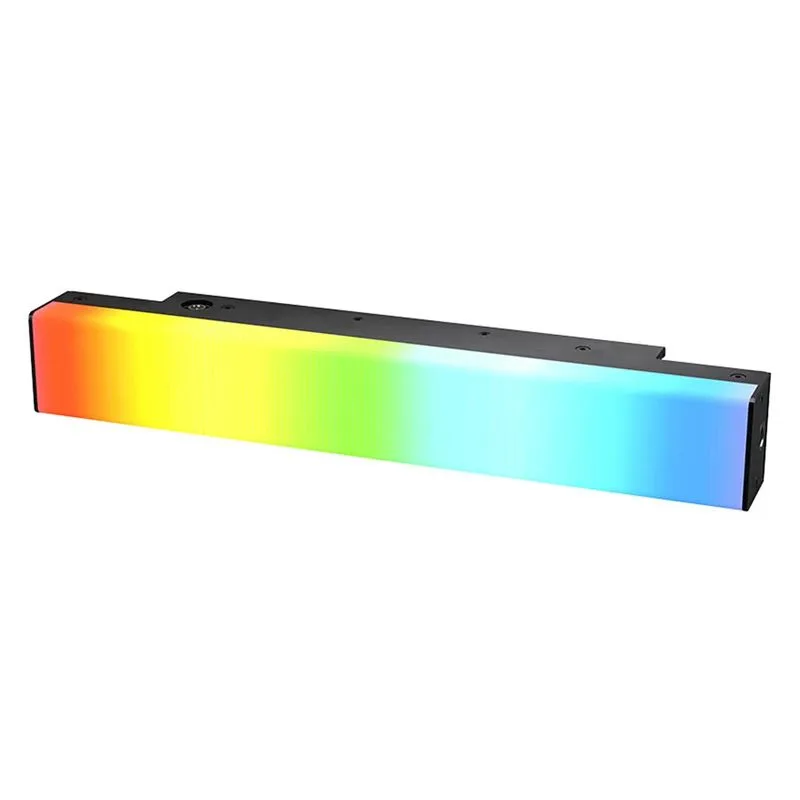
Not every shoot needs a softbox or umbrella. Compact LED fixtures can act as accents, background lights, or practical sources. The Aputure INFINIBAR PB3 is a 1-foot RGBWW pixel bar with 24 individual lighting zones, a frosted diffusion layer, and roughly 120 minutes of battery life. Its tunable CCT range from 2,000K to 10,000K with green-magenta adjustment and advanced HSI control make it a color tool rather than a key-light replacement. It is currently listed as pre-order, so plan around availability if you need it for a dated job.
Use a bar like this to add separation, color, or a soft edge without setting up a second softbox. It complements a modifier comparison rather than replacing it, because a small bar cannot match the wrap of a large softbox on a face.
Trade-Offs at a Glance
- Light control vs. spill: A softbox encloses the light and limits spill, giving you cleaner background separation. An umbrella spreads light widely and lets it bounce off nearby surfaces. Pick a softbox for controlled portraits; pick an umbrella when broad, forgiving fill is acceptable.
- Setup speed vs. repeatability: Umbrellas open in seconds and pack small. Softboxes take longer to assemble but deliver consistent shaping once built, especially with a folding design like the SMDV Speedbox Flip44 Pro. If you break down gear every shoot, weigh the assembly time honestly before choosing.
- Cost and accessories: Umbrellas are inexpensive but limited. Softboxes cost more and often need a speedring, grid, or gel system, such as the Profoto Clic Gel Peacock Blue for compatible Profoto heads. Budget for the mount and accessories, not just the modifier itself.
Product Facts That Affect Your Choice
- SMDV Speedbox Flip44 Pro Softbox: SMDV Speedbox Flip44 Pro Softbox for Strobes and LED Lights; practical folding system for quick assembly and disassembly; tough, wear-resistant nylon fabric; speedring not included. Works across strobe and LED setups and folds quickly, but you must budget for and confirm the correct speedring for your mount.
- Aputure INFINIBAR PB3: Aputure INFINIBAR PB3: 1-foot RGBWW pixel bar, 24 lighting zones, frosted diffusion layer, approx. 120 min battery life, 2,000K-10,000K CCT with G/M adjustment, advanced HSI, and SidusPro FX. Listed as pre-order. A color and accent tool that pairs with a key modifier; the pre-order status means you should check lead time before relying on it for a shoot.
- Profoto Clic Gel Peacock Blue: Profoto Clic Gel Peacock Blue is compatible with Profoto A10, A1X, A1, and C1 Plus; easy click-on magnetic mount; stackable with compatible light shaping tool. Adds fast color changes to a Profoto on-camera or off-camera system without rebuilding your modifier.
Which Modifier Fits Your Work
Best for
- Portrait and studio photographers who need directional light and background control
- Shooters who use both strobes and LED lights and want one modifier that folds quickly
- Photographers building a system with magnetic gel and light-shaping accessories
Not for
- Event photographers who need the lightest, fastest pack-and-go option
- Beginners who want the lowest-cost way to soften a bare flash
- Anyone unwilling to buy a compatible speedring for their mount