Quick Answer
For high-output activities in cold, dry conditions, a softshell offers breathability and stretch. For sustained rain or heavy snow, a hardshell provides reliable waterproof protection. Choose based on your primary activity and typical weather.
Choosing between a softshell and a hardshell jacket can be confusing, especially when you need one for varied outdoor pursuits. Both have distinct strengths, and understanding their differences helps you match the right shell to your adventures.
The core trade-off is weather protection versus breathability. Softshells excel at blocking wind and light moisture while allowing sweat to escape, making them ideal for aerobic activities. Hardshells offer a waterproof barrier that keeps you dry in storms but can trap heat and moisture inside.
What Is a Softshell Jacket?
A softshell jacket is a flexible, breathable layer designed for active use in cool, dry conditions. It typically combines a stretchy outer fabric with a brushed or fleece backing for warmth. Softshells resist light rain and snow but are not fully waterproof, so they shine when you're generating heat through movement.
What Is a Hardshell Jacket?
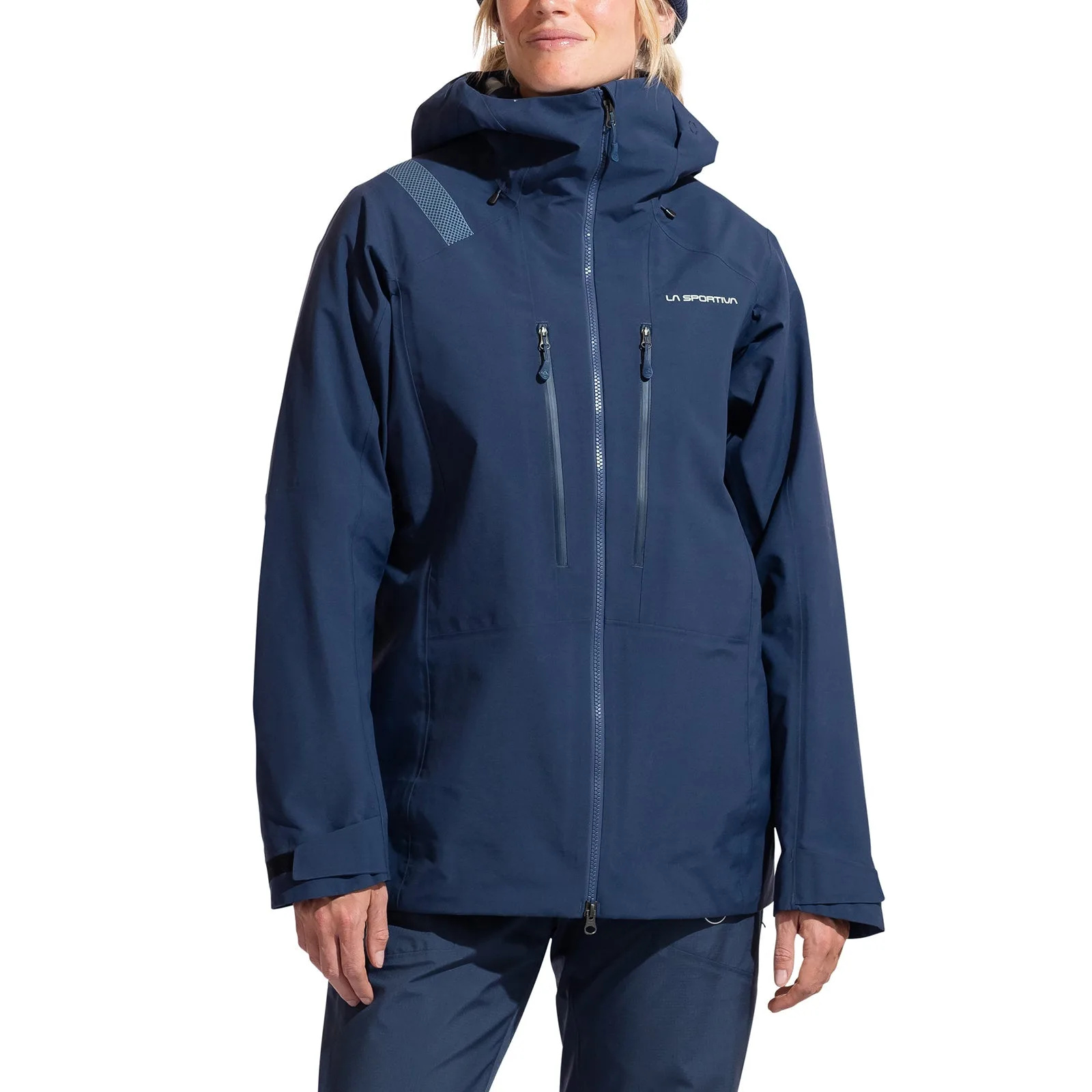
A hardshell jacket is a waterproof, windproof, and breathable outer layer, often made with a membrane laminate. It provides dependable protection from rain, sleet, and snow, making it a go-to for stormy weather. Hardshells are less stretchy and bulkier than softshells but are essential for alpine safety.
Key Differences at a Glance
The main differences lie in weather protection, breathability, and weight. Softshells prioritize breathability and comfort during activity, while hardshells prioritize waterproofness and durability in harsh conditions. Softshells are generally lighter and more packable, hardshells offer superior storm protection.
Consider your local climate and the type of trips you take. If you hike in dry, windy conditions, a softshell may be all you need. If you face frequent rain or snow, a hardshell will keep you drier, even if you sacrifice some breathability.
When to Choose a Softshell
Pick a softshell for high-output activities like trail running, climbing, or ski touring when temperatures are above freezing and precipitation is light. Its stretch and breathability allow full range of motion and reduce overheating. Softshells are also quieter and more comfortable against the skin than hardshells.
If you tend to run warm or sweat heavily, a softshell's moisture management can keep you more comfortable than a hardshell, which may turn clammy during intense exertion.
When to Choose a Hardshell
Choose a hardshell when you need reliable protection from rain, snow, or wind, especially in exposed alpine environments. Hardshells are essential for mountaineering, backpacking in wet climates, or any activity where staying dry is critical to safety.
Modern hardshells use breathable membranes that allow some moisture vapor to escape, but they still can't match the airflow of a softshell. Use a hardshell over a breathable midlayer for best temperature regulation.
Trade-Offs to Consider
- Breathability vs. Waterproofing: Softshells breathe better, hardshells block water. If you sweat a lot, softshell keeps you drier inside; if rain is heavy, hardshell keeps you dry outside. Assess your activity intensity and precipitation likelihood.
- Stretch vs. Durability: Softshells stretch for movement; hardshells are tougher against abrasion and punctures. For rock scrambles or bushwhacking, hardshell durability wins.
- Packability vs. Warmth: Hardshells pack smaller and provide windproof layering; softshells add insulation and are better as a standalone in cold, dry conditions. Consider your pack space and layering system.
Related Gear from La Sportiva
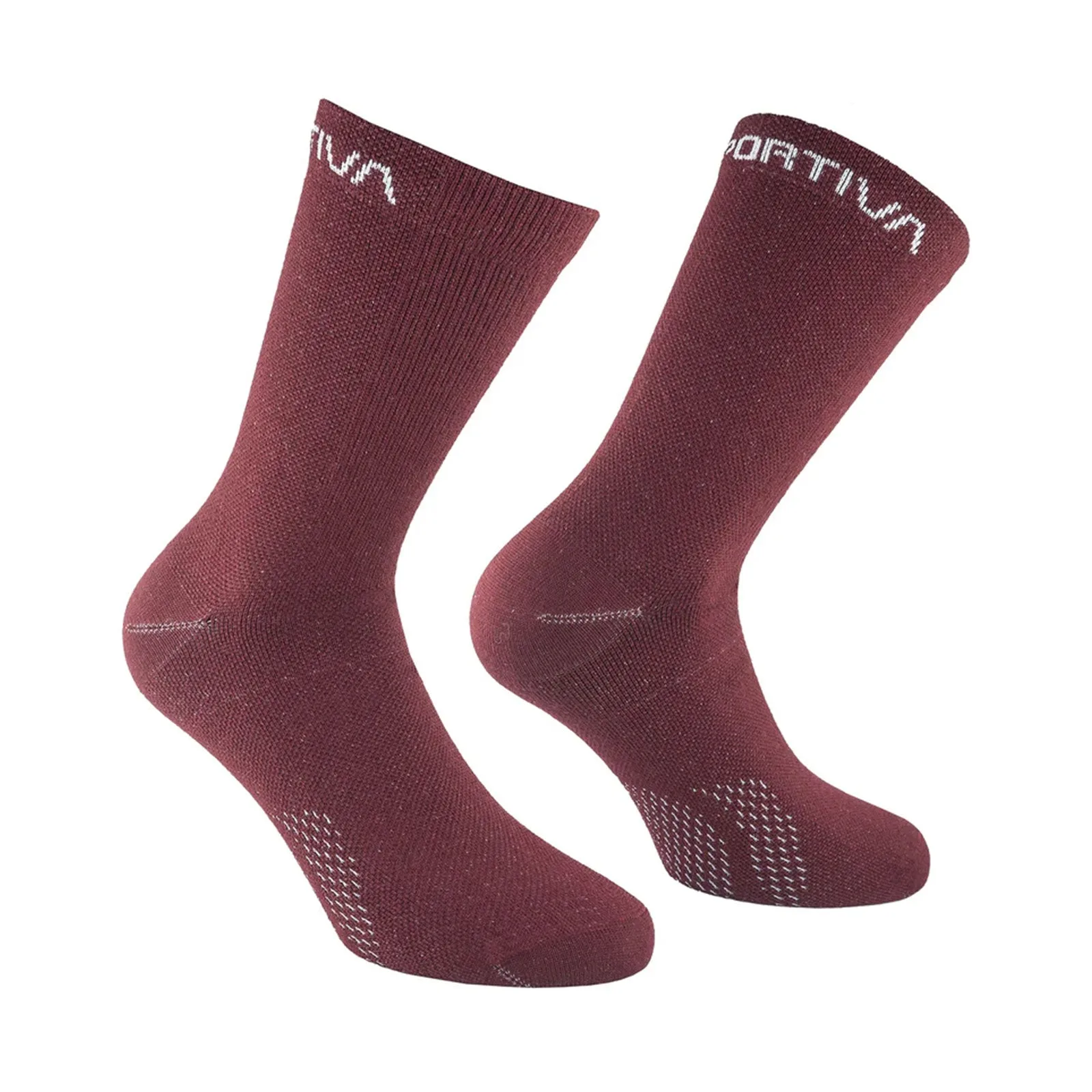
- Merino Hiking Socks: Crafted from extra fine merino wool for exceptional softness, reducing blister risk during long hikes. Natural breathability and moisture-wicking properties keep feet dry in varying weather. Pair your jacket with merino socks to manage moisture from head to toe, boosting comfort during long outings in changeable conditions.
- Flow 3 Inch Shorts Women's: Lightweight, breathable stretch fabric with bonded seams to prevent chafing; split-leg construction for freedom of movement on steep inclines. When wearing a hardshell in warmer rain, breathable shorts like these help prevent overheating, complementing your shell's protection.
Which Should You Choose?
Best for
- High-output activities like trail running and climbing in cold, dry weather
- Those who prioritize breathability and freedom of movement over waterproofing
Not for
- Sustained rain or wet snow where keeping dry is critical
- Extreme alpine environments requiring durable, waterproof shell protection
Ultimately, the best choice depends on your typical conditions and activity. Many outdoor enthusiasts own both: a softshell for active days and a hardshell for stormy adventures. Assess your needs, and you'll pick the right shell every time.