Quick answer
Choose hardside if you check bags often, carry fragile items, or want maximum impact protection and a wipe-clean shell. Choose softside if you need exterior pockets, squeeze your bag into tight overhead bins, or want a lighter, more flexible bag. For most travelers, the decision comes down to priorities: protection versus packing flexibility.
Your carry-on is your constant travel companion, so the material matters more than you might think. Softside and hardside bags each have loyal fans, but the right choice depends on how you travel, what you pack, and where you stash your bag.
This comparison breaks down the real-world differences between softside and hardside carry-ons, using concrete examples from Away's lineup. You'll get clear trade-offs and a simple framework to pick the one that fits your trips.
Protection: Hardside Wins for Fragile Gear
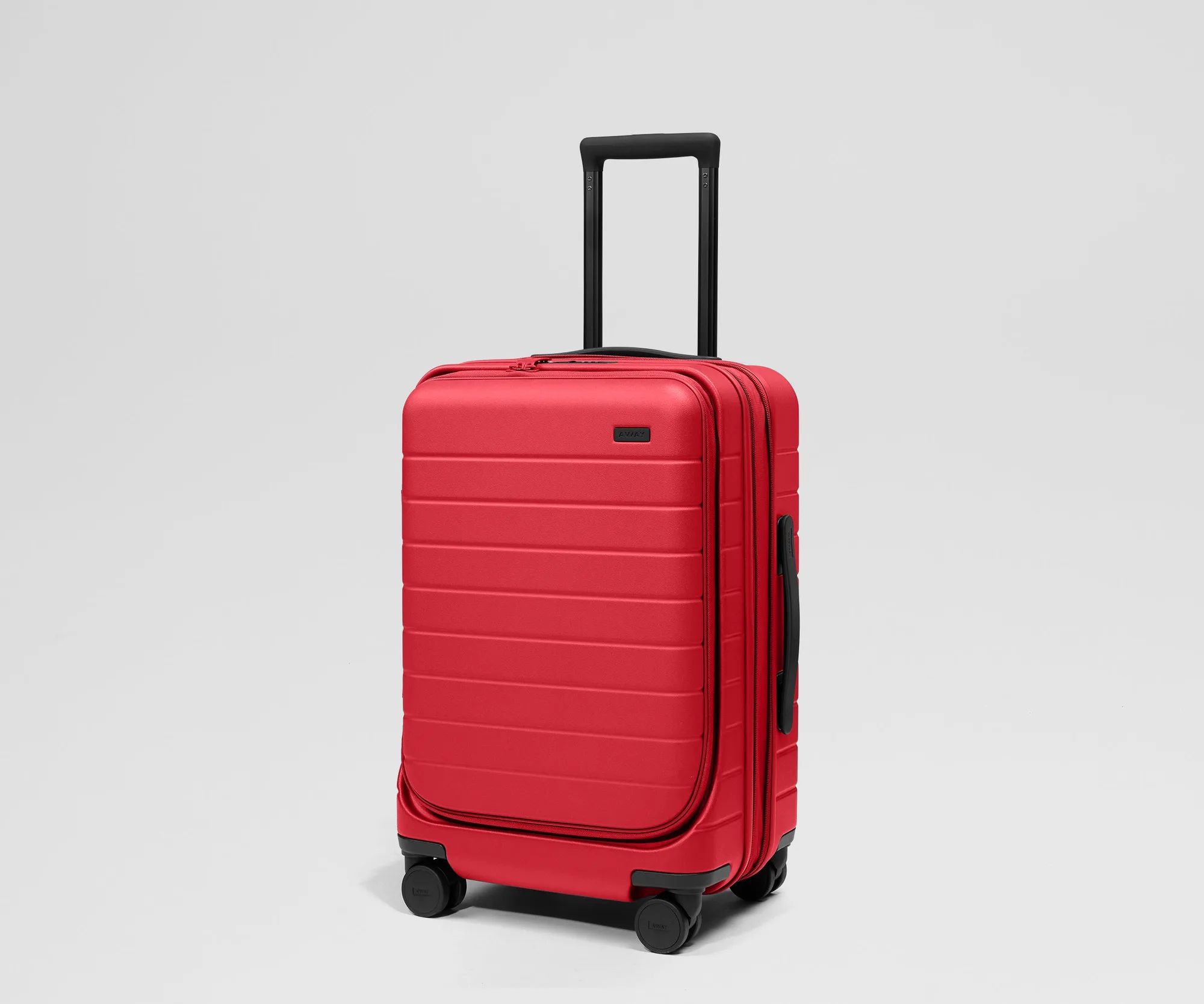
Hardside carry-ons, like the Topside Bigger Carry-On, use a rigid shell that absorbs impact and shields contents from crushing. That makes them a smart pick if you pack electronics, camera gear, or anything breakable. The trade-off is that a rigid shell can crack under extreme force, and it offers no give when you're trying to wedge the bag into a tight overhead bin.
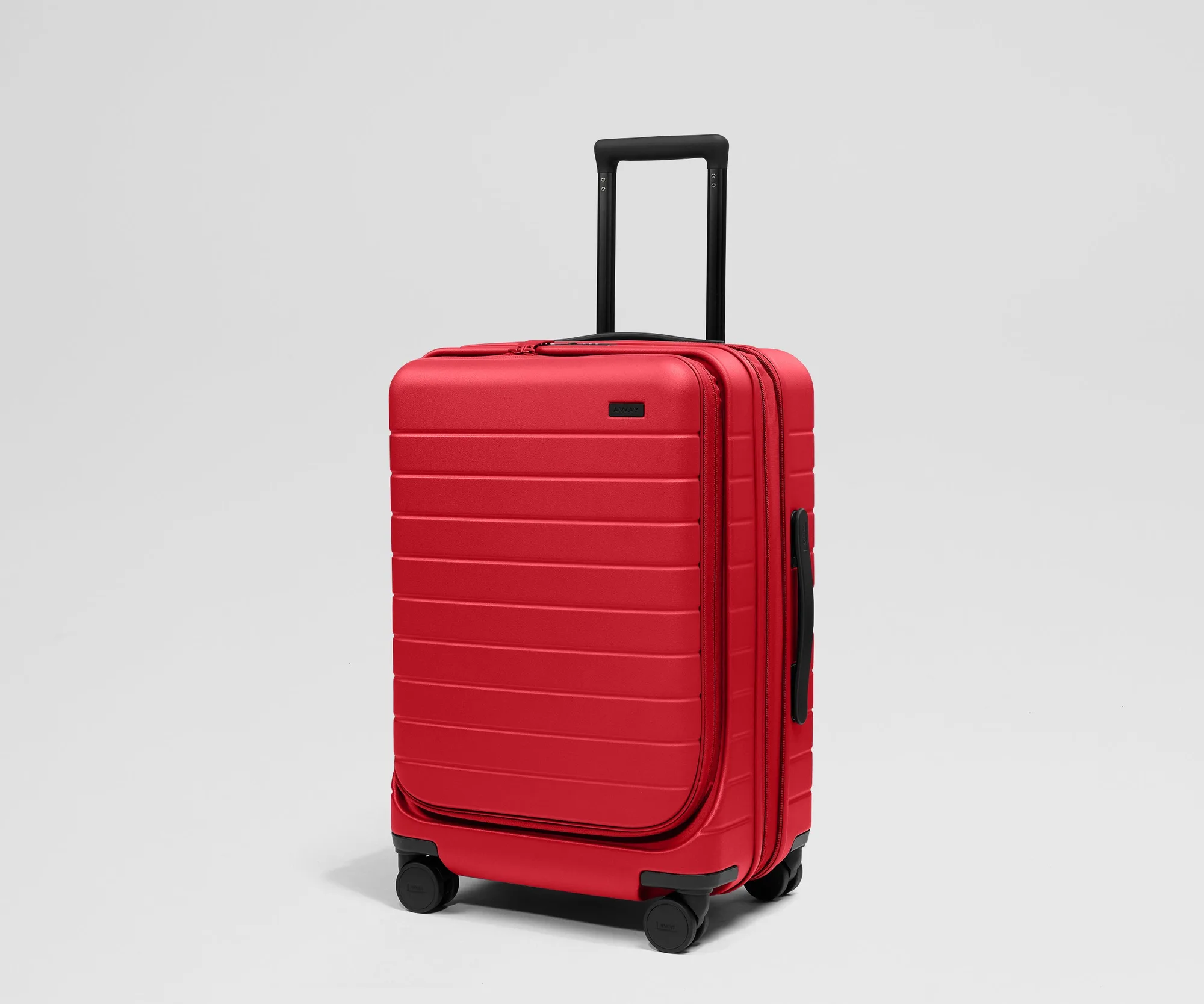
Topside Bigger Carry-On
Softside bags, such as the Featherlight Overnight Bag, are made from flexible fabric that bends and compresses. They won't protect a glass bottle as well, but they can absorb bumps without cracking and often squeeze into spaces a hard bag can't. If your priority is protecting delicate items, go hardside; if you need forgiving flexibility, softside is the better bet.
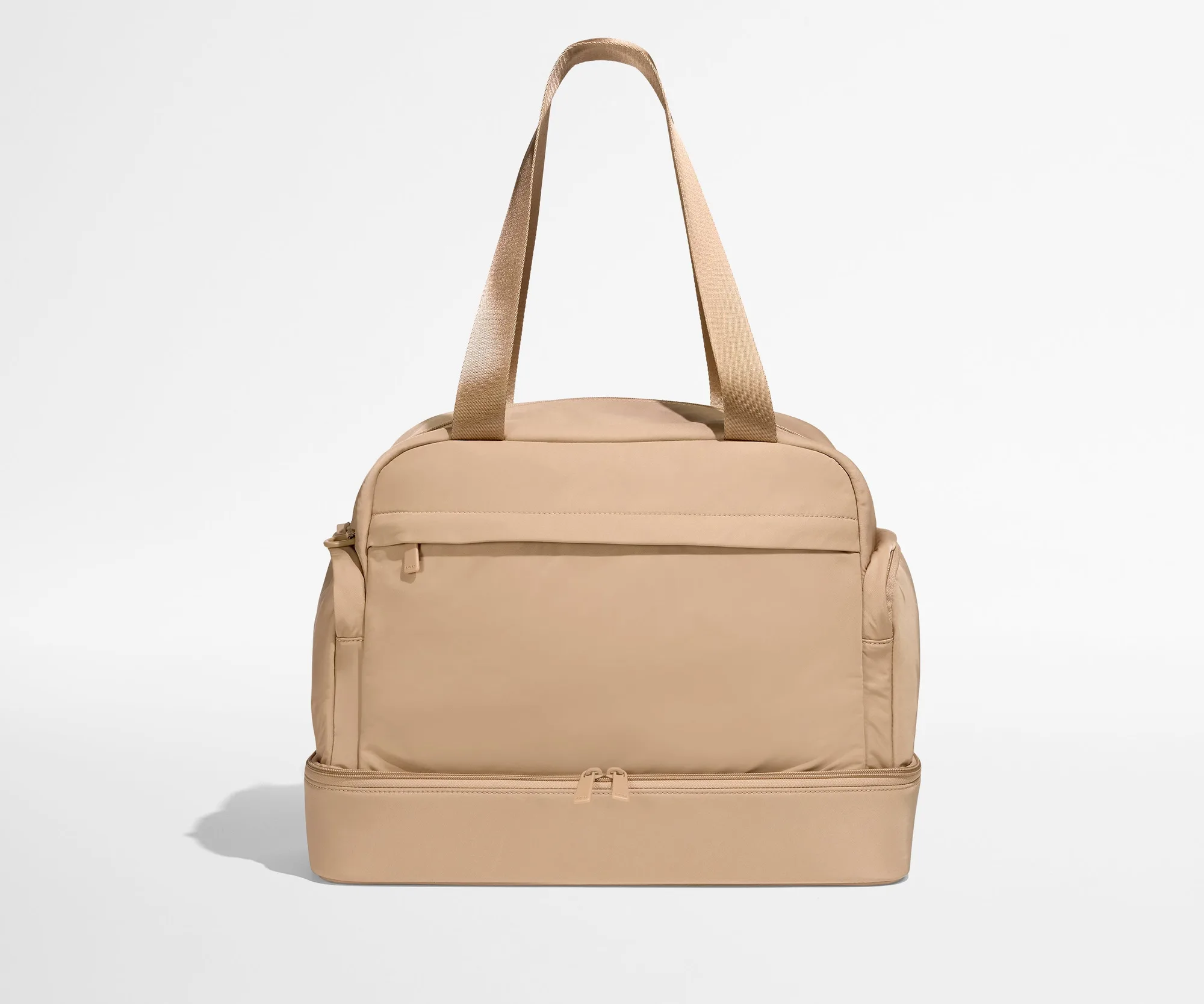
Featherlight Overnight Bag
- Pack fragile items in the center of a hardside bag, surrounded by soft clothing.
- For softside, use padded sleeves or packing cubes to add a layer of protection.
Packing Flexibility: Softside Lets You Stretch
Softside carry-ons often have exterior pockets and expandable zippers that let you cram in last-minute souvenirs or a bulky jacket. The fabric gives slightly, so you can overpack a bit without the bag refusing to close. That flexibility is a lifesaver on return trips when you've bought more than you planned.
Hardside bags typically have a fixed capacity and a clamshell design that splits the interior into two halves. That layout keeps everything visible and organized, but it doesn't stretch. If you're a disciplined packer who values structure over squeeze, hardside is fine. If you like options and pockets, softside is more forgiving.
- Use packing cubes in a hardside bag to keep the two halves tidy.
- In a softside bag, put heavy items near the back panel to keep it from sagging.
Durability and Maintenance: Different Kinds of Tough
Hardside shells resist water and stains—a quick wipe with a damp cloth is usually enough. They can scuff or scratch over time, but those marks are cosmetic. The main vulnerability is cracking if the bag is dropped at a bad angle or crushed under heavy luggage.
Softside fabrics can tear or fray if snagged, and they may absorb spills or odors. However, many softside bags use tough nylon or polyester that handles abrasion well, and stains can often be spot-cleaned. Neither material is indestructible; the trade-off is between surface damage (hardside) and fabric wear (softside).
- Check the warranty—Away offers limited warranties on luggage, so review the terms for your chosen material.
- For hardside, use a luggage cover or belt to minimize scuffs; for softside, treat stains promptly.
Weight and Maneuverability: Softside Often Has the Edge
Softside bags are generally lighter than hardside bags of the same size because fabric and frame weigh less than a polycarbonate or aluminum shell. That matters if you're trying to maximize your packing weight allowance or if you'll be lifting the bag into overhead bins repeatedly.
Hardside bags can feel more stable when rolling because the rigid shell doesn't shift, but the extra weight is a real consideration. If you have shoulder or back concerns, a lighter softside bag may be easier to handle. Always check the listed weight—Away's product pages provide specs for each model.
- Weigh your packed bag at home to avoid airline overweight fees.
- If you frequently use overhead bins, practice lifting your bag before you buy.
Style and Features: What Each Material Offers
Hardside carry-ons often have a sleek, modern look with bold colors and glossy finishes. The Topside Carry-On, for example, comes in multiple colors and a streamlined shape. Softside bags tend to look more traditional, with visible stitching, pockets, and a softer silhouette. Neither is inherently better—it's about your personal style and how you want to be perceived on the road.
Feature-wise, softside bags usually win on exterior organization: quick-access pockets for tickets, phones, or a water bottle. Hardside bags often have built-in TSA-approved locks and a clean interior with compression straps. Think about which features you'll actually use every trip.
- If you need quick access to a laptop or travel documents, prioritize exterior pockets.
- If security is a concern, look for a hardside bag with an integrated lock.
Trade-offs at a glance
- Protection: Hardside shells absorb impact and protect fragile items; softside fabric offers minimal crush protection. Choose hardside if you pack electronics or glass; softside if you mostly pack clothes.
- Flexibility: Softside bags stretch and have exterior pockets; hardside bags have a fixed, structured capacity. Choose softside if you tend to overpack or need quick-access pockets.
- Weight: Softside bags are generally lighter than hardside bags of the same size. Choose softside if weight limits or lifting are a concern.
- Durability: Hardside resists water and stains but can crack; softside can tear but is often repairable. Consider how you travel: rough handling favors hardside, while occasional snags favor softside.
Away options to consider
- Topside Bigger Carry-On: Hardside carry-on with a catalog price of USD 199.00 (comparison price USD 398.00), available in multiple colors. A hardside option that offers rigid protection and a sleek look, ideal if you check bags or carry fragile items.
- Featherlight Overnight Bag: Softside bag with a catalog price of USD 64.00 (comparison price USD 128.00), available in multiple colors. A lightweight softside choice for short trips or as a personal item, showing the flexibility and lower weight typical of softside bags.
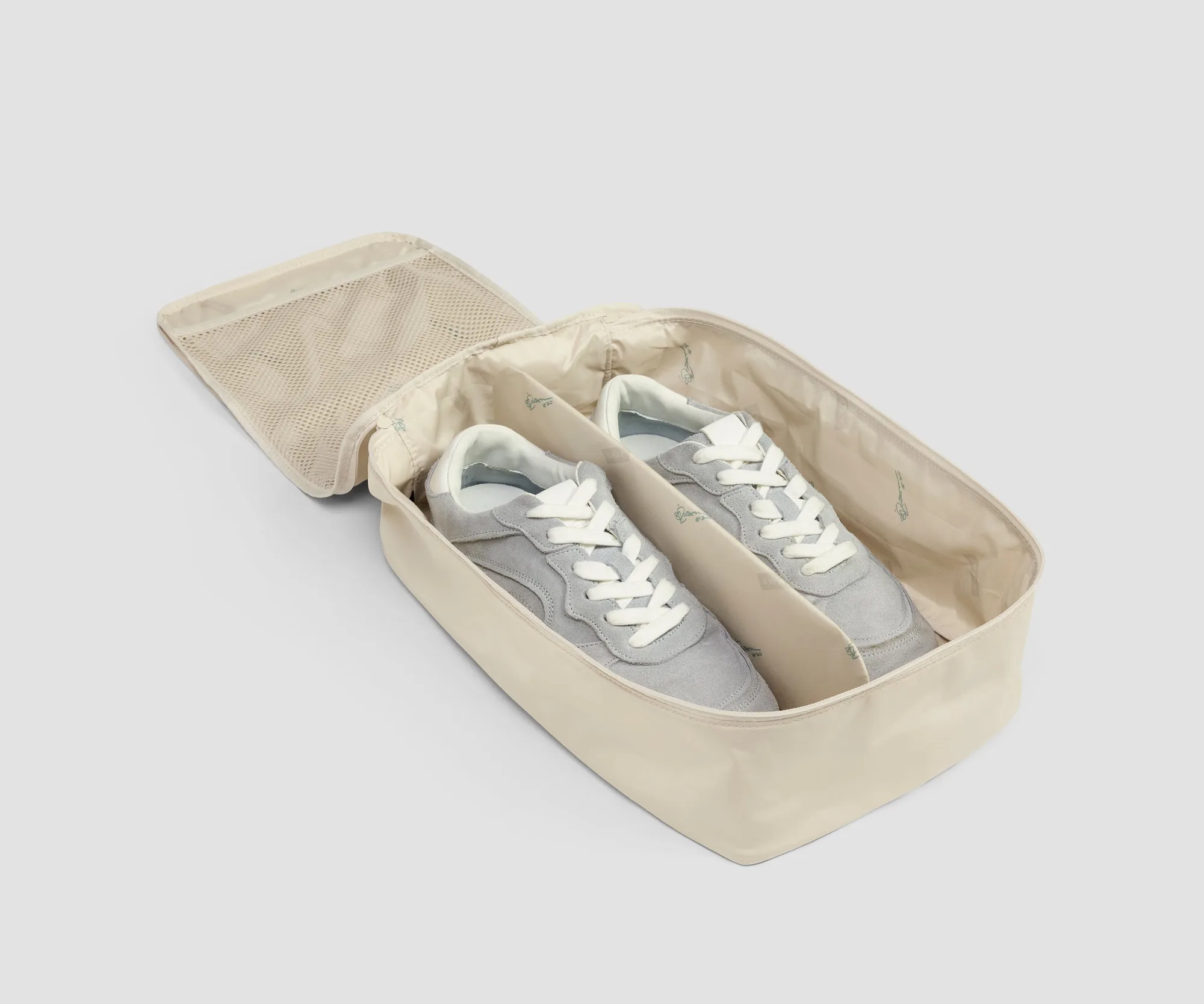
- Shoe Cube: Accessory with a catalog price of USD 24.00 (comparison price USD 48.00), available in multiple sizes and colors. Helps organize shoes separately in either bag type, keeping dirty soles away from clothes and maximizing packing efficiency.
Which should you choose?
Best for
- Travelers who check bags and want maximum protection for fragile items.
- Frequent flyers who value a sleek, wipe-clean exterior and built-in security.
- Those who pack in a structured, organized way and don't need extra pockets.
Not for
- Overpackers who need extra stretch and exterior pockets.
- Travelers who prioritize the lightest possible bag.
- Anyone who frequently squeezes into tight overhead bins where a soft bag flexes better.
There's no single winner—softside and hardside carry-ons excel in different scenarios. Match the material to your packing style, destination, and how much protection you need. If you're still torn, consider your last three trips: what worked and what frustrated you? That's your best guide.