Quick answer
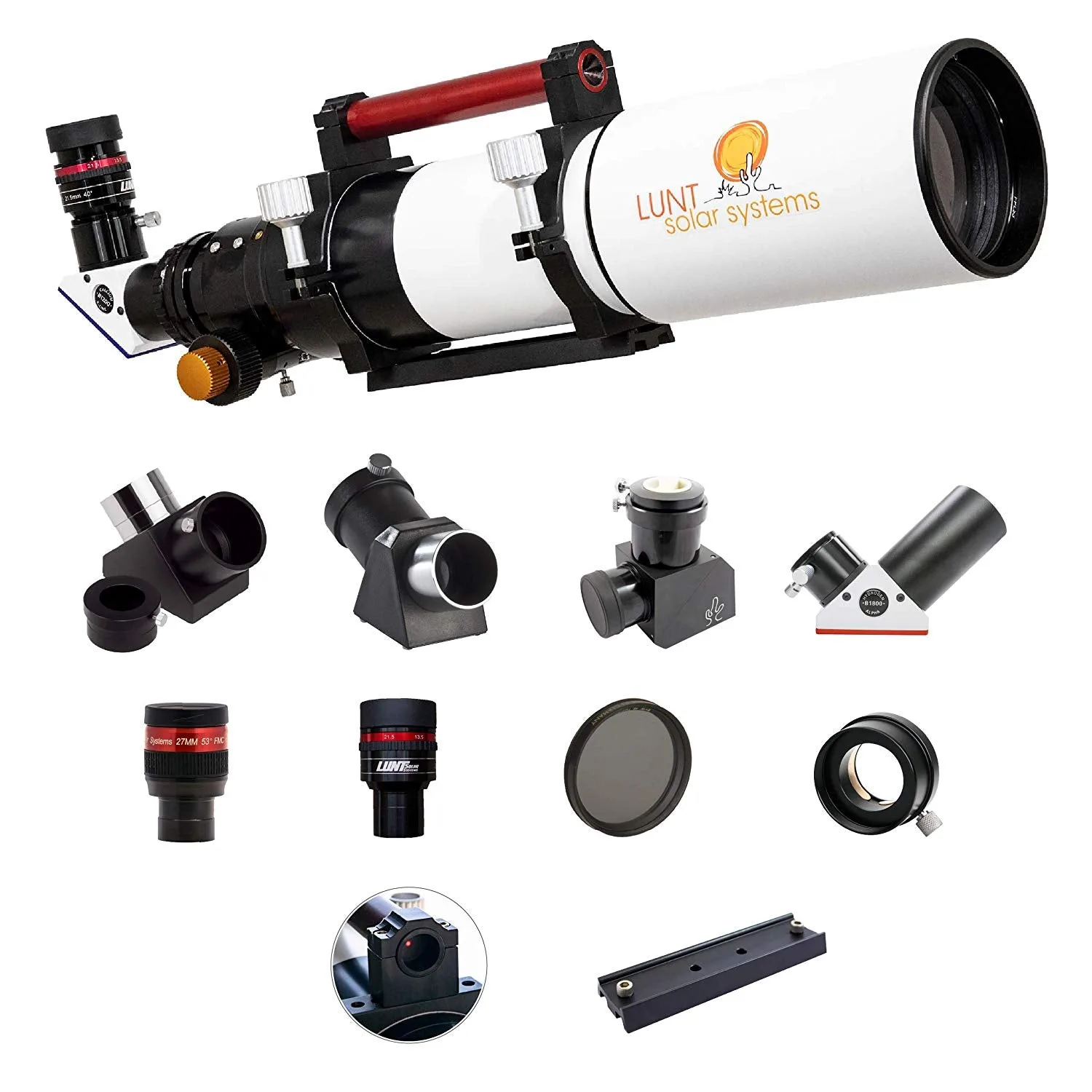
Use certified solar glasses when you look at the sun with your unaided eyes, and use a purpose-made solar filter that covers the front aperture when you look through a telescope, binoculars, or a camera lens. Never use solar glasses as a telescope eyepiece filter, and never look through an unfiltered telescope at the sun. If you already own a solar telescope such as the LS100MT Modular Telescope Advanced Package, its built-in filtering is designed for that job and does not need an add-on front filter.
Solar glasses and solar filters are not interchangeable
Solar glasses are worn on your face and reduce the sun's light and invisible radiation to a safe level for direct, naked-eye viewing. They are sized for your eyes, not for an optical tube. A telescope solar filter is a larger aperture cover that fits over the front of the scope, binocular, or camera lens and blocks most light before it enters the optics. The two products solve different problems: glasses protect a person, while a front solar filter protects the instrument and the person looking through it.
Putting solar glasses behind a telescope eyepiece does not work. The concentrated light and heat inside the tube can damage the glasses and still reach your eye. The safe rule is simple: filter the light before it enters the optics, not after.
How to check solar glasses before eclipse day
Inspect the lenses for pinholes, scratches, creases, or separation from the frame. Hold them up to a bright indoor light; if light comes through anything other than the dark film, retire them. Look for an ISO 12312-2 marking and a manufacturer name, and buy from a source you trust rather than an unknown marketplace listing.
Fit matters as much as the film. The glasses should sit close to your face and stay put when you tilt your head. If you wear prescription glasses, solar glasses are usually designed to fit over them, but check that the solar film still covers your full field of view. For children, choose a smaller frame that does not slide down.
Fitting a telescope solar filter correctly
A front solar filter must cover the entire aperture and stay on if a gust of wind hits the tube. Push it on firmly, then tug gently to confirm it cannot lift off. If the fit feels loose, add the manufacturer's retention method or do not use it. Check the filter surface for holes or coating damage before every session, and store it in a rigid case rather than a soft bag.
Never use a solar filter that screws into the eyepiece as your only protection. Those small filters sit at the point of concentrated heat and can crack. Front-mounted filters are the standard for safe solar viewing with a refractor or other conventional telescope. If your scope has a finder scope, either remove it or cap it, because an unfiltered finder can burn your eye or your clothing.
What changes with a dedicated solar telescope
A dedicated hydrogen-alpha solar telescope is built to observe the sun and does not need a separate white-light front filter for its intended use. The LS100MT Modular Telescope Advanced Package, for example, is supplied as a solar instrument with a 714 mm focal length and f/7 ratio, and the catalog notes it can be used with hydrogen alpha, CaK, and white-light filters. That means your filter decision depends on which wavelength you want to observe, not on whether the scope is safe to point at the sun at all.
If you are using a standard night telescope for solar work, you are adding a front filter to a system that was not designed around the sun. That can work well, but it puts more responsibility on you to verify the filter, cap the finder, and keep the setup stable.
Safe habits for any solar session
Set up in a spot where the sun is not directly behind you and where children and pets cannot bump the tripod. Cap or remove finders before you point the scope. Use a sturdy mount, because a scope that drifts or tips can move the filtered aperture off the sun and expose the tube. When you are done, cover the front aperture before you turn away, and store filters where they cannot be crushed.
For eclipse viewing, decide in advance whether you are watching naked-eye with solar glasses or through a filtered telescope. Switching back and forth is fine if both are certified and correctly fitted, but never remove a front filter to get a brighter view. If the image looks too dim, change eyepieces or use a different wavelength, not less filtration.
Solar viewing safety checkpoints
Certified eye protection
Use solar glasses marked ISO 12312-2 for naked-eye viewing, and inspect the film for pinholes before each use. If the film is damaged or unmarked, do not use it.
Front aperture filter
For telescopes and binoculars, use a front-mounted solar filter that covers the full aperture and cannot be pulled off by a light tug. Eyepiece solar filters are not a safe primary filter.
Finder and cap discipline
Remove or cap every finder scope before pointing at the sun, and keep the front aperture covered when you are not actively viewing. An unfiltered finder can cause injury in seconds.
Product facts that affect your solar setup
- LS100MT Modular Telescope Advanced Package: The LS100MT Modular Telescope Advanced Package is a solar telescope with a 714 mm focal length, f/7 ratio, and support for hydrogen alpha, CaK, and white-light filters. Because it is purpose-built for the sun, you choose filters by the wavelength you want to see rather than adding a front white-light filter to a night scope.
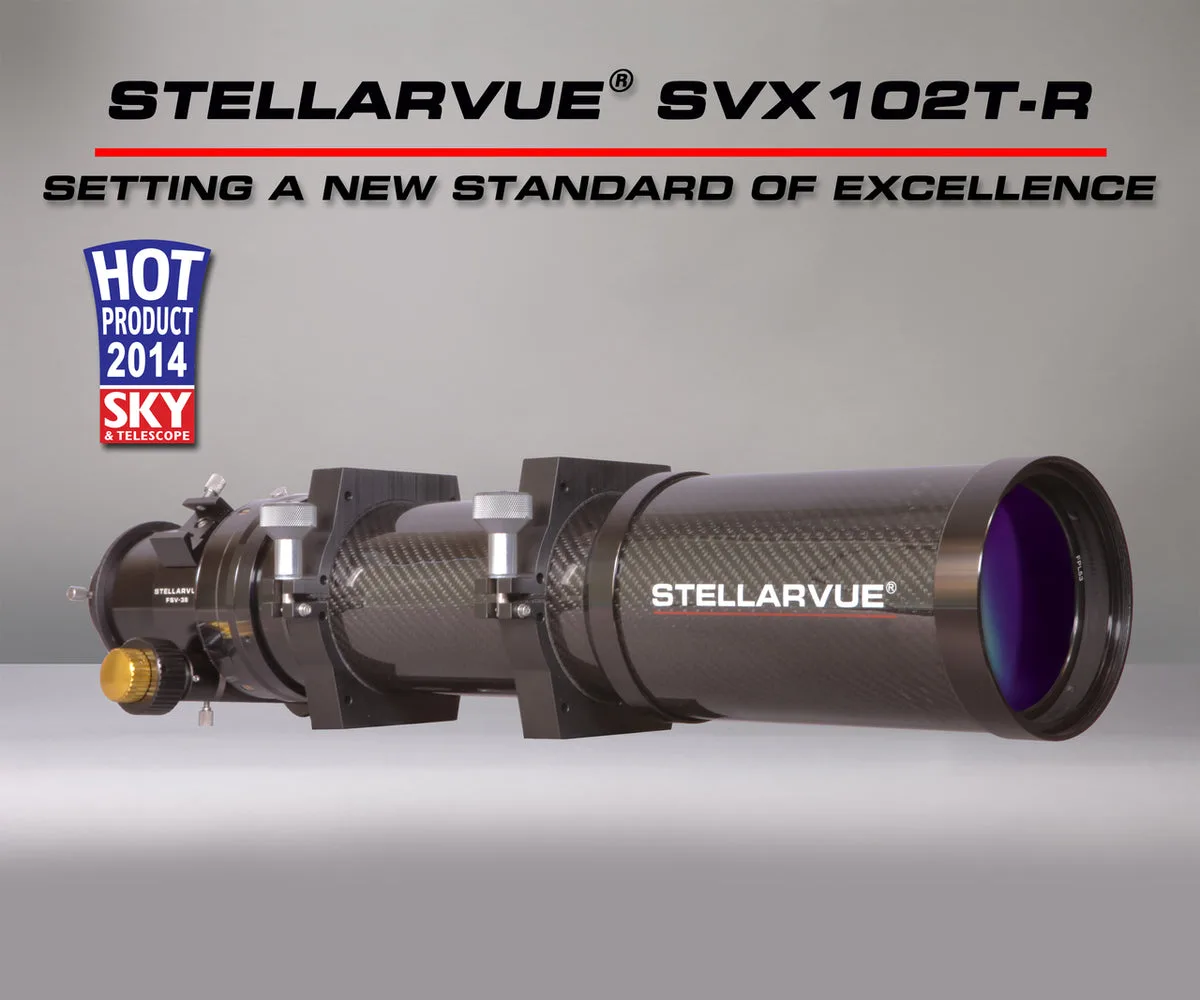
- SVX102T-R Premier Apochromatic Triplet Refractor (with Feathertouch Focuser, Flattener, & Dovetail Plate): The SVX102T-R Premier Apochromatic Triplet Refractor is a 4-inch f/7 refractor with a 714 mm focal length and includes a field flattener and dovetail plate. A refractor like this can be used for solar observing only when you add a properly fitted front solar filter and cap or remove the finder; the catalog does not list a solar filter as included.
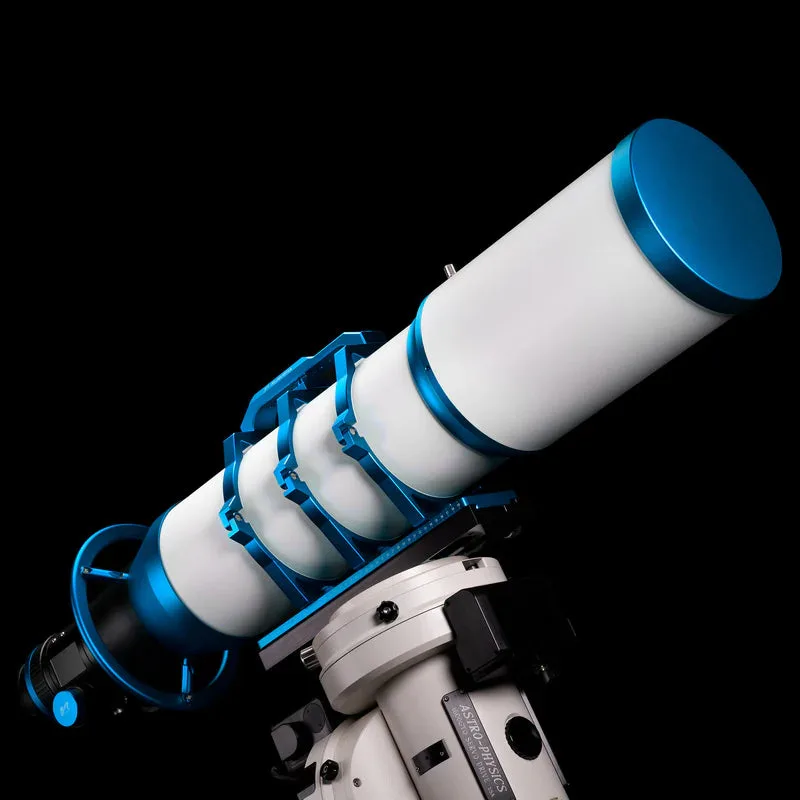
- Pleiades 181: The Pleiades 181 is a refractor telescope with a 181 mm diameter and 998 mm focal length, designed for imaging with medium format cameras. Its large aperture gathers a lot of light, so any solar use requires a front filter sized to the full 181 mm aperture; never rely on an eyepiece filter with a scope this size.