Quick answer
For most balcony solar setups, choose a 4mm2 (12AWG) solar cable like the Zendure Solar Panel Extension Cables (3m 4mm2) when your panel-to-inverter distance is short and you want pre-installed IP67 connectors. Match the cable's voltage and current rating to your system, keep runs as short as practical, and use the correct connector type. If you need to span more than a few meters, size up or accept some voltage drop.
Why cable length and wire size matter more than brand
Every extra meter of solar cable adds resistance, which reduces voltage reaching your inverter or SolarFlow unit. Thinner cables lose more voltage for the same length. A 4mm2 (12AWG) cable is a common choice for short balcony runs because it balances flexibility, current capacity, and cost. If your run is longer than about 5–10 meters, consider a larger cross-section or accept a small efficiency loss.
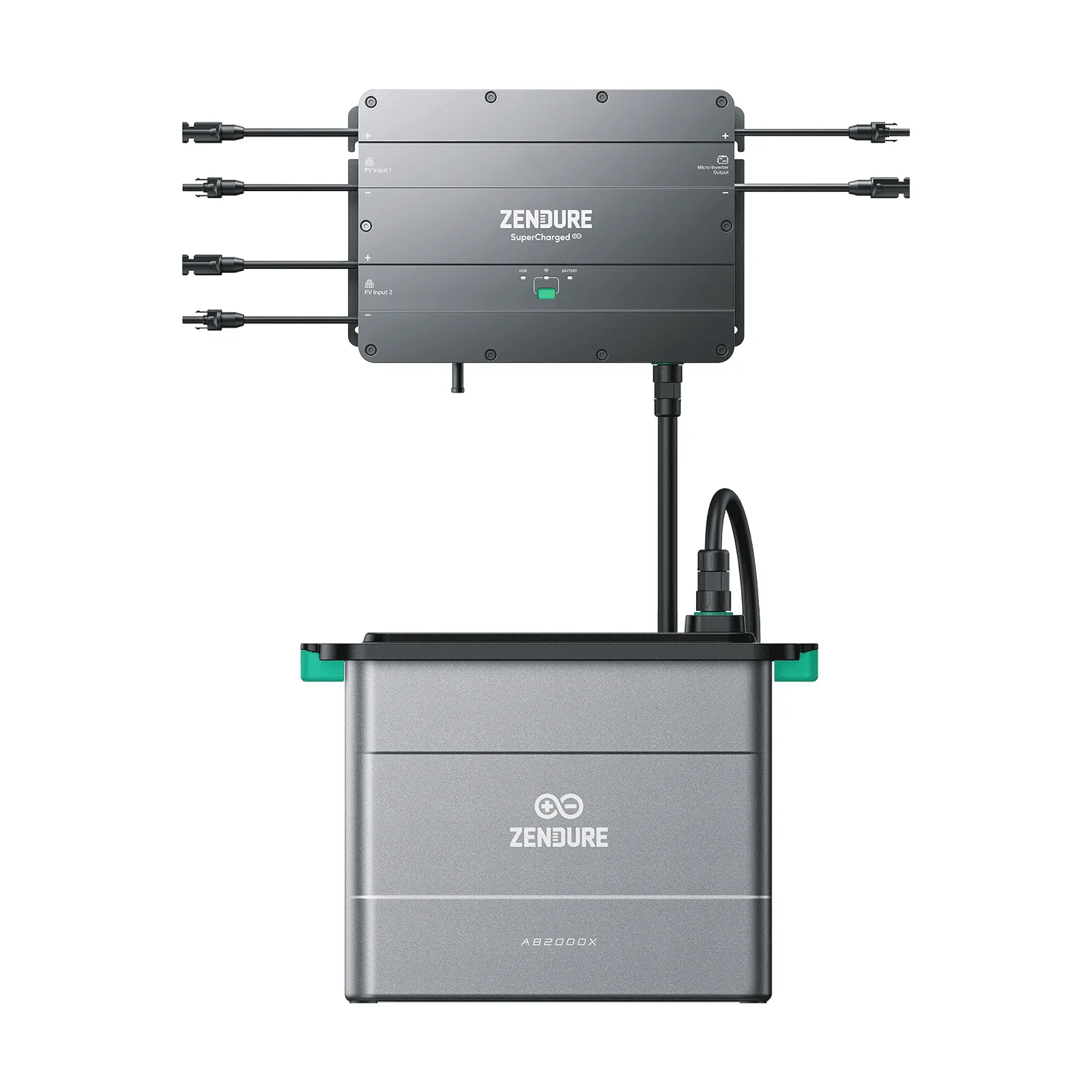
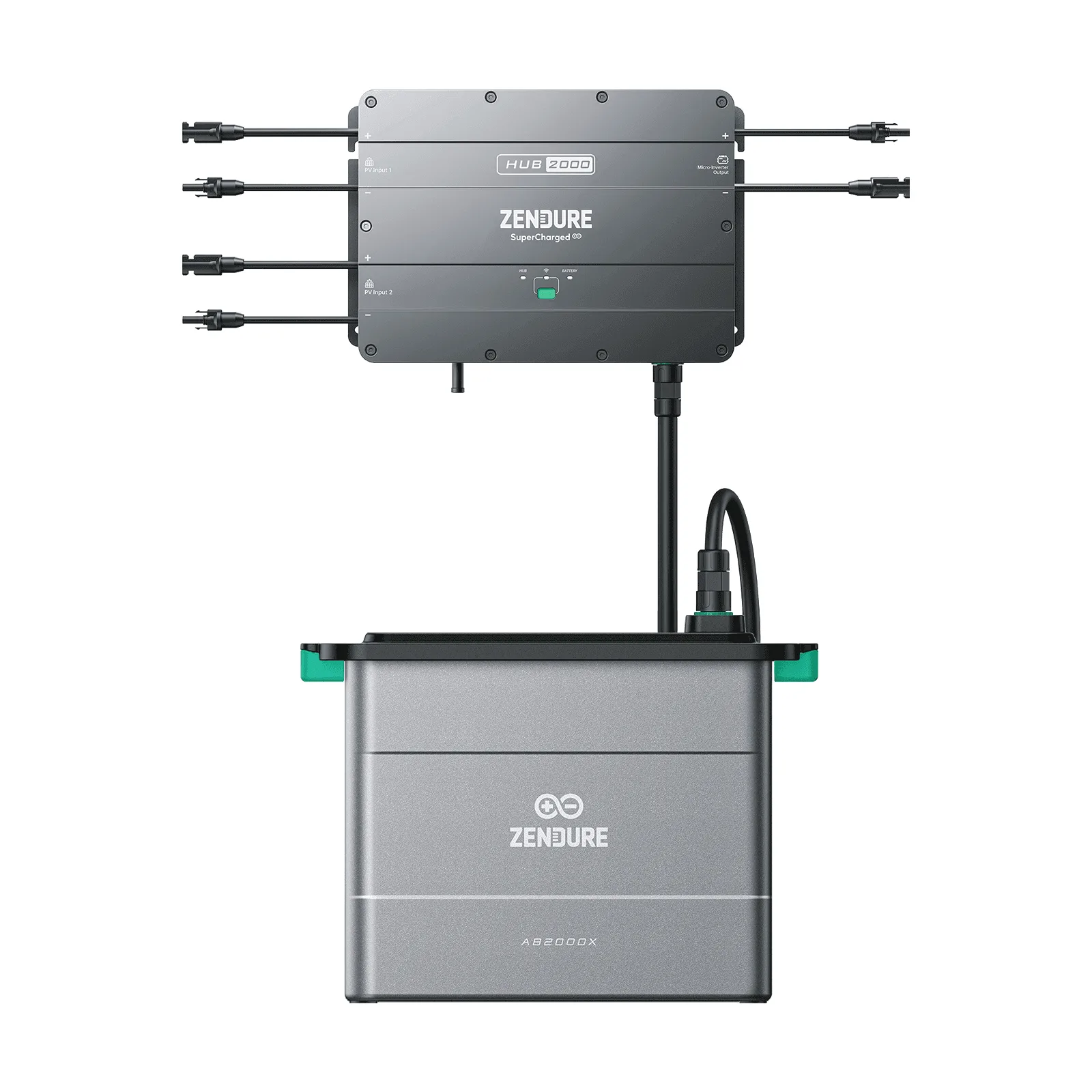
SolarFlow
Voltage drop also depends on current. A 1000V-rated cable like the Zendure set is overkill for many low-voltage balcony systems, but the rating gives a safety margin. Always check that the cable's voltage and current ratings meet or exceed your system's maximum values.
How to pick the right connector and length for your setup
Most balcony solar panels and microinverters use MC4-style connectors. The Zendure Solar Panel Extension Cables come with male and female IP67-rated hard PPO plastic PV connectors pre-installed at each end, so they mate directly with standard MC4 inputs. That saves you from crimping your own ends, which is a common source of loose connections.
For length, measure the actual path from panel to device, then add 0.5–1 meter of slack for routing and strain relief. Avoid coiling excess cable tightly, as heat can build up. If you need to extend beyond one cable's length, use a proper inline connector rather than twisting wires together.
Safety checks before you connect
Confirm the cable's voltage rating (the Zendure set is 1000V) is above your system's open-circuit voltage. Check that the connectors are fully seated and locked; a partial connection can arc and melt. Keep cables out of standing water and away from sharp edges. For outdoor use, UV-resistant insulation is important, though the supplied facts do not specify UV rating for this cable, so use conduit or shading if prolonged sun exposure is a concern.
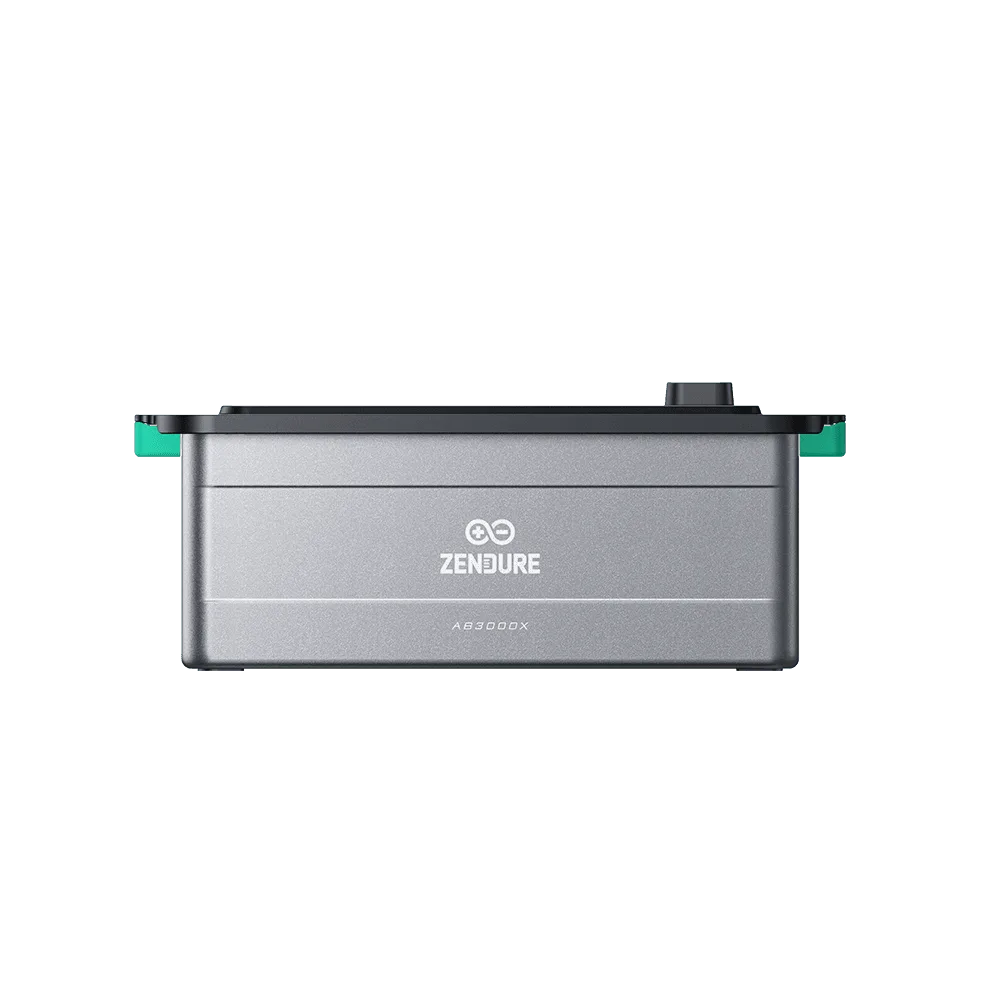
If you are adding a battery like the Zendure Solarflow Battery AB2000, remember that battery cables are not the same as panel extension cables. Use the cables specified for your battery and follow the manufacturer's guidance.
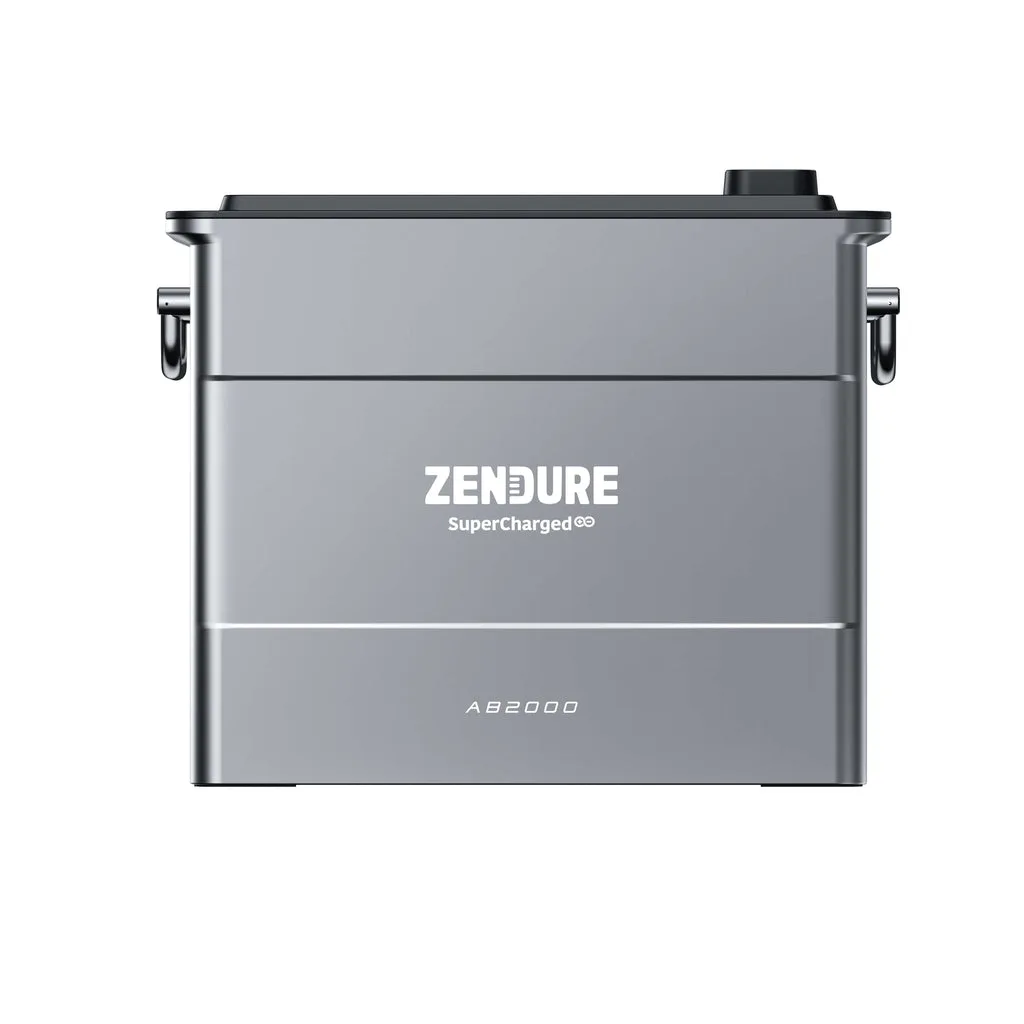
Zendure Solarflow Battery AB2000
Decision rules for buying solar extension cables
- Rule 1: Match the connector type: Check your panel and inverter ports. If they are MC4, a cable with pre-installed MC4 connectors like the Zendure 3m 4mm2 set will plug in directly. If they are another type, you need an adapter or a different cable. Wrong connector type is the most common return reason—verify before buying.
- Rule 2: Size the wire for current and distance: For runs under 5 meters and currents up to 30A, 4mm2 (12AWG) is usually fine. For longer runs or higher current, go up a size to limit voltage drop. The Zendure cable is rated 30A at 1kV. If you are unsure, a larger cross-section is safer than a smaller one.
- Rule 3: Plan for slack and routing: Buy a length that covers the path plus 0.5–1 meter of slack. Avoid tight bends and sharp edges. Use the Balcony Easy Solar Bracket to keep panels secure and cables organized. Measure twice, then add slack—cables that are too short force risky extensions.
Product facts to know
- Solar Panel Extension Cables (3m 4mm²): Each set includes four cables (2 red + 2 black), each 3 meters long, made from 1000V tinned copper solar cable with IP67-rated hard PPO plastic PV connectors (30A, 1kV) and male and female connectors pre-installed at each end. This gives you a complete pair of extension cables for a typical panel-to-device run, with weather-resistant connectors that reduce DIY crimping risks.
- Balcony Easy Solar Bracket: The Balcony Easy Solar Bracket is made from anti-corrosion 6005-T5 aluminum alloy and 304 stainless steel, and comes fully pre-assembled so it can be unfolded and secured to a balcony. A stable mounting bracket keeps panels at the correct angle and reduces cable strain, which helps your extension cables last longer.
Who should buy these cables
Best for
- Balcony solar owners who need a short, pre-assembled 3m extension with weather-resistant connectors
- DIYers who want to avoid crimping their own MC4 connectors
- Systems with open-circuit voltage below 1000V and current below 30A
Not for
- Runs longer than about 10 meters where voltage drop becomes significant—choose a larger wire gauge or a longer custom cable
- Systems with non-MC4 connectors that require a different plug type
- Battery-to-inverter connections, which need cables rated for battery use