Quick answer
Sonic toothbrushes vibrate at high speed to create fluid movement that lifts plaque, while oscillating (rotary) brushes spin back and forth to scrub it away. Neither is universally better—sonic suits gentle, tech-friendly brushers, and oscillating suits those who prefer a scrubbing feel. Try the BURST Nova Sonic Toothbrush if you want a streamlined sonic option.
How sonic and oscillating brushes actually clean
Sonic brushes use a vibrating motor—often at 30,000+ movements per minute—to create shear forces in your saliva and toothpaste. This fluid action lifts plaque from teeth and along the gumline, even in tight spaces between teeth. The bristles themselves move side-to-side in a small arc, but the cleaning comes from the vibration and fluid dynamics. Oscillating brushes, sometimes called rotary, have a round head that spins back and forth. The bristles physically scrub each tooth surface, which many people find intuitive because it mimics a manual brushing motion. The key difference is mechanical scrubbing versus fluid-driven cleaning.
Feel, sound, and learning curve
Sonic brushes tend to feel buzzy and ticklish at first, and they produce a high-pitched hum. Some people love the sensation; others need a week to adjust. Oscillating brushes feel more like a firm, small circular scrub, and they sound like a low electric motor. They can feel more aggressive on gums, especially if you press hard. Both types usually have pressure sensors, but sonic models often rely on you to guide the brush slowly across teeth, while oscillating models encourage you to hold the head on each tooth for a few seconds. The learning curve is short for either, but your preference for gentle vs. vigorous feedback matters.
Gum sensitivity and enamel safety
If you have sensitive gums or receding gums, a sonic brush may be more comfortable because the bristles move less aggressively and the cleaning is partly fluid-based. However, any brush can irritate gums if you press too hard or use a stiff bristle. Oscillating brushes with a small round head can be excellent for reaching around individual teeth, but they can also wear enamel if used with too much pressure over time. The safest approach is to choose a brush with a pressure sensor and soft bristles, and to let the brush do the work. Neither type is inherently unsafe—technique matters more than technology.
Which type fits your brushing habits?
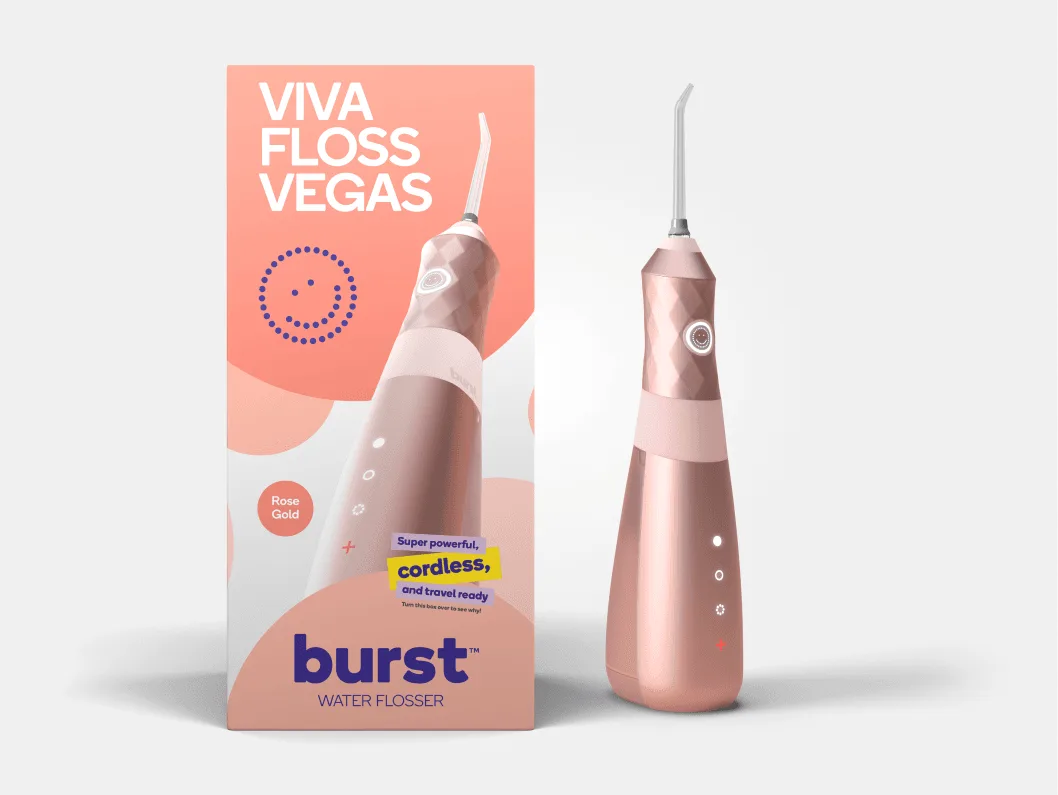
If you tend to brush too hard or have gum recession, a sonic brush like the BURST Nova Sonic Toothbrush is a gentle yet effective choice. Its sonic action is designed to be tough on plaque but gentle on gums, and it has a simple, streamlined design. If you prefer a more tactile scrub and like the feel of a small round head, an oscillating brush may suit you better. For kids or anyone who needs help flossing, a water flosser can complement either brush type. The BURST Kids Water Flosser is designed for young users to remove food particles and plaque between teeth, making it a helpful add-on regardless of which brush you choose.
water flosser
Trade-offs at a glance
- Cleaning action: Sonic brushes use high-frequency vibration and fluid movement to lift plaque; oscillating brushes use a rotating round head to scrub it away. Sonic is more about fluid dynamics; oscillating is more about mechanical scrubbing.
- Gum feel: Sonic brushes often feel gentler on gums because the bristles move less aggressively; oscillating brushes can feel more vigorous and may irritate sensitive gums if you press hard. If you have sensitive gums, start with a sonic brush and a soft bristle head.
- Ease of use: Sonic brushes require you to guide the brush slowly across teeth; oscillating brushes encourage you to hold the head on each tooth for a few seconds. Choose the style that matches your natural brushing rhythm.
Product facts
- Nova Sonic Toothbrush: Nova Sonic Toothbrush is designed with beauty, simplicity and efficiency in mind, offering sonic-powered whitening and a powerful clean that's gentle on gums. If you want a sonic brush that is easy to use and gentle on sensitive gums, this model aligns with those priorities.
- Kids Water Flosser: Kids Water Flosser is designed with young users in mind to help remove food particles and plaque from between teeth and along the gumline, and is easy for children to handle. It can complement either a sonic or oscillating toothbrush by cleaning areas that brushing may miss, especially for kids who are learning to floss.
Who should choose which
Best for
- People with sensitive gums or receding gums who want a gentle clean
- Tech-friendly users who prefer a sleek, simple design and sonic action
- Those who tend to brush too hard and want a brush that encourages lighter pressure
Not for
- People who prefer a strong, tactile scrubbing sensation
- Users who want a small round head to target individual teeth
- Anyone who dislikes a high-pitched humming sound while brushing