Quick answer
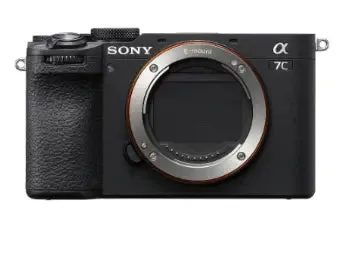
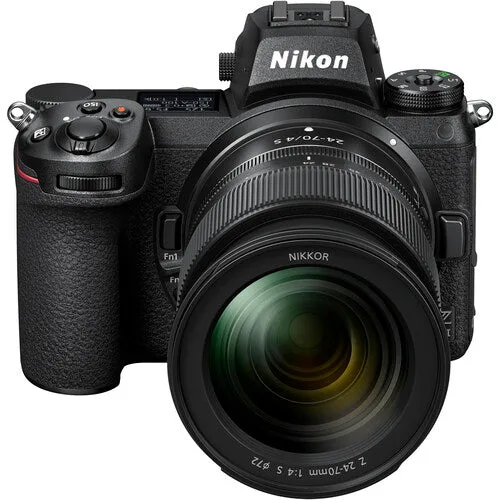
Choose the Sony Alpha A7C Mark II if you want the smallest full-frame body with a higher-resolution 33MP sensor, 5-axis stabilization, and smarter autofocus for travel and everyday shooting. Choose the Nikon Z6 II with the Nikkor Z 24-70mm f/4 S if you prefer a 24.5MP body with a versatile zoom included and a proven low-light sensor. Both are capable, but they suit different priorities: portability and resolution versus all-in-one value and a zoom lens.
Sensor and resolution: 33MP vs 24.5MP
The Sony A7C II uses a 33-megapixel full-frame Exmor R CMOS sensor, while the Nikon Z6 II uses a 24.5-megapixel full-frame sensor. More pixels give you extra cropping room and larger prints, which helps when you travel light and carry only one or two lenses. The Z6 II's lower resolution often means better low-light performance and smaller files, which can speed up editing and storage for high-volume shooters. Neither sensor is objectively better; the right pick depends on whether you value detail and crop flexibility or faster workflow and cleaner high-ISO results.
Stabilization and autofocus
The Sony A7C II includes advanced 5-axis stabilization and smarter, faster autofocus with real-time subject tracking. That combination makes it easier to handhold slow shutter speeds and keep moving subjects sharp, which matters for travel and candid photography. The Nikon Z6 II also offers in-body stabilization, but the supplied catalog facts do not specify its stabilization rating or autofocus subject-tracking behavior. If autofocus tracking is a priority, the Sony's explicitly listed real-time subject tracking is a concrete advantage. If you mostly shoot static scenes or manual focus, that gap matters less.
Video and viewfinder
Both cameras record 4K video, but the Sony A7C II is listed with exceptional 4K movie recording capabilities and a high-resolution OLED viewfinder. The Nikon Z6 II also offers outstanding video features, and its EXPEED 6 engine supports a standard ISO range of 100–51200 for cleaner low-light footage. For hybrid shooters who switch between stills and video, the Sony's compact body and OLED finder may be more comfortable for all-day carry. For low-light event work, the Z6 II's ISO range and lower resolution can be an advantage. The supplied facts do not specify frame rates, bit depths, or log profiles for either camera, so check those details if advanced video codecs are essential.
Lens, size, and system cost
The Sony A7C II is sold body-only, so you will need to budget for a lens separately. Its compact size pairs well with small primes for travel. The Nikon Z6 II comes with the Nikkor Z 24-70mm f/4 S, a versatile zoom that covers wide to short telephoto, making it a complete kit out of the box. If you want one purchase that covers most situations, the Nikon kit simplifies your decision. If you already own Sony E-mount lenses or prefer to choose your own compact prime, the body-only Sony route may be more flexible. Neither option includes a memory card or bag in the supplied facts, so plan for those extras.
Filter and accessory compatibility
Both cameras accept standard circular filters, but filter size depends on the lens you use. For the Nikon Z 24-70mm f/4 S, you will need a 72mm filter; the Sony body-only requires you to match the filter size to whichever lens you buy. If you plan to use a 10-stop neutral density filter for long exposures, the NiSi 82mm Nano IR ND1000 is a solid choice for lenses with an 82mm thread, and its slim frame allows stacking with UV or CPL filters. For professional cinema work, the NiSi Cinema 4×5.65" Professional Kit includes seven filters in a pouch, but that kit suits matte-box setups rather than compact mirrorless travel. Always confirm your lens thread size before buying a filter.
Trade-offs to weigh before you buy
- Resolution vs low-light speed: The Sony A7C II gives you 33MP for cropping and large prints, but larger files fill cards faster. The Nikon Z6 II's 24.5MP sensor and ISO 100–51200 range favor cleaner high-ISO shots and quicker editing. Pick Sony for detail and crop room; pick Nikon for low-light ease and smaller files.
- Autofocus confidence vs lens-included value: Sony lists real-time subject tracking and 10 fps continuous shooting, which helps with moving subjects. Nikon includes the Nikkor Z 24-70mm f/4 S, so you can shoot immediately without buying a lens. If you shoot action or unpredictable subjects, Sony's tracking is a concrete advantage. If you want one box that covers most scenes, Nikon's kit wins.
- Body-only flexibility vs all-in-one kit: The Sony A7C II is body-only, so you choose your own lens and filter size. The Nikon Z6 II kit includes a standard zoom, but you are committed to that lens for your initial setup. Choose Sony if you already own E-mount glass or want a specific compact prime. Choose Nikon if you prefer a single purchase with a versatile zoom.
Key specs at a glance
- Sony Alpha A7C Mark II Black Compact System Camera (Body Only): Sensor: 33 Megapixel Full-Frame Exmor R CMOS Sensor; Image Stabilization: Advanced 5-Axis Stabilization; Video Recording: Exceptional 4K Movie Recording capabilities; Auto Focus: Smarter, Faster Auto Focus with Real-Time Subject Tracking; Continuous Shooting: 10 fps Continuous Shooting; Viewfinder: High-Resolution OLED Viewfinder Higher resolution and real-time tracking make this a strong pick for travel and hybrid shooters who want crop flexibility and reliable autofocus in a compact body.
- Nikon Z6 II Mirrorless Camera w/ Nikkor Z 24-70mm f/4 S: 24.5 effective megapixels; EXPEED 6 image-processing engine; standard sensitivity range of ISO 100-51200; compact body with superior high-sensitivity performance and outstanding video features; includes Nikkor Z 24-70mm f/4 S lens Lower resolution and a wide ISO range suit low-light work, while the included zoom makes it a ready-to-shoot kit without buying a lens separately.
Which should you buy?
Best for
- Travel and street photographers who want a small full-frame body with high resolution and reliable subject tracking
- Hybrid shooters who need 4K video and a high-resolution OLED viewfinder in a compact package
- Sony E-mount users who already own lenses and want to add a lightweight second body
Not for
- Buyers who want a complete kit with a zoom lens included and no immediate lens shopping
- Low-light event shooters who prioritize a proven ISO range and smaller file sizes over maximum resolution
- Filmmakers who need advanced cinema codecs or a matte-box filter system out of the box