Quick answer
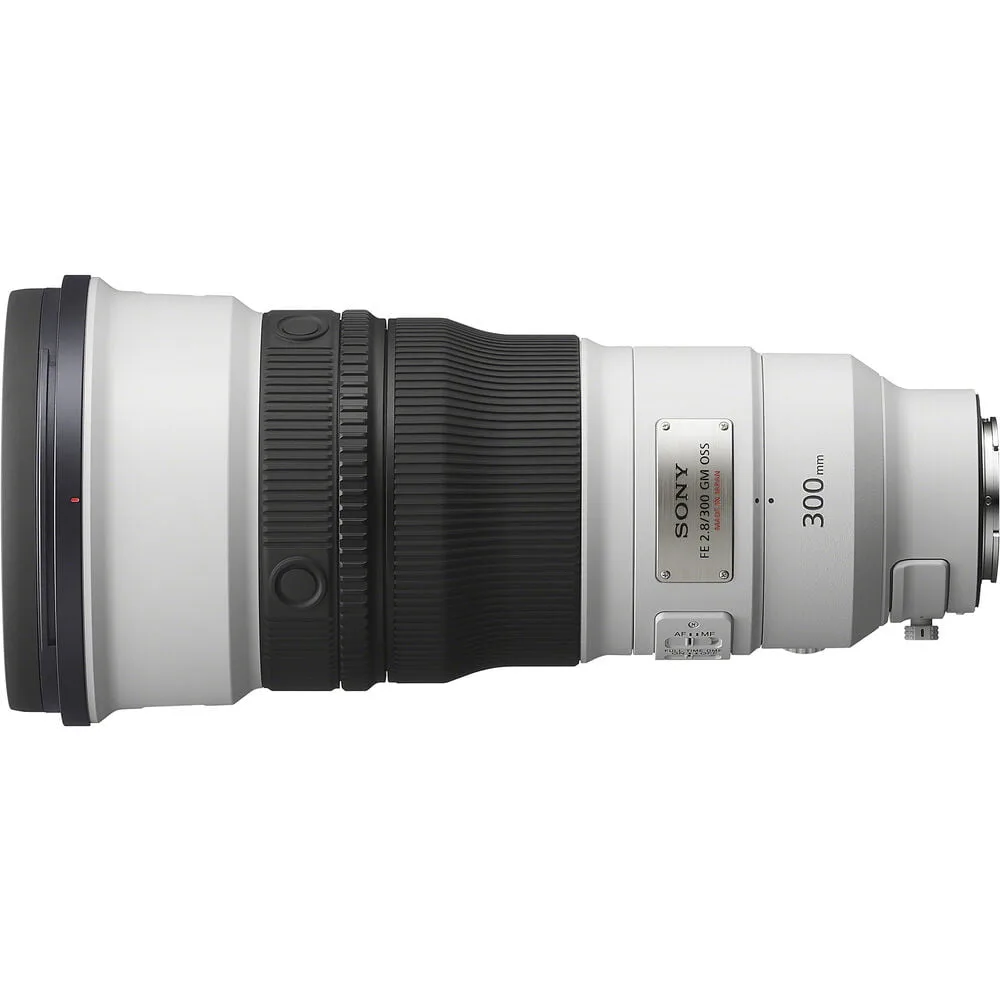
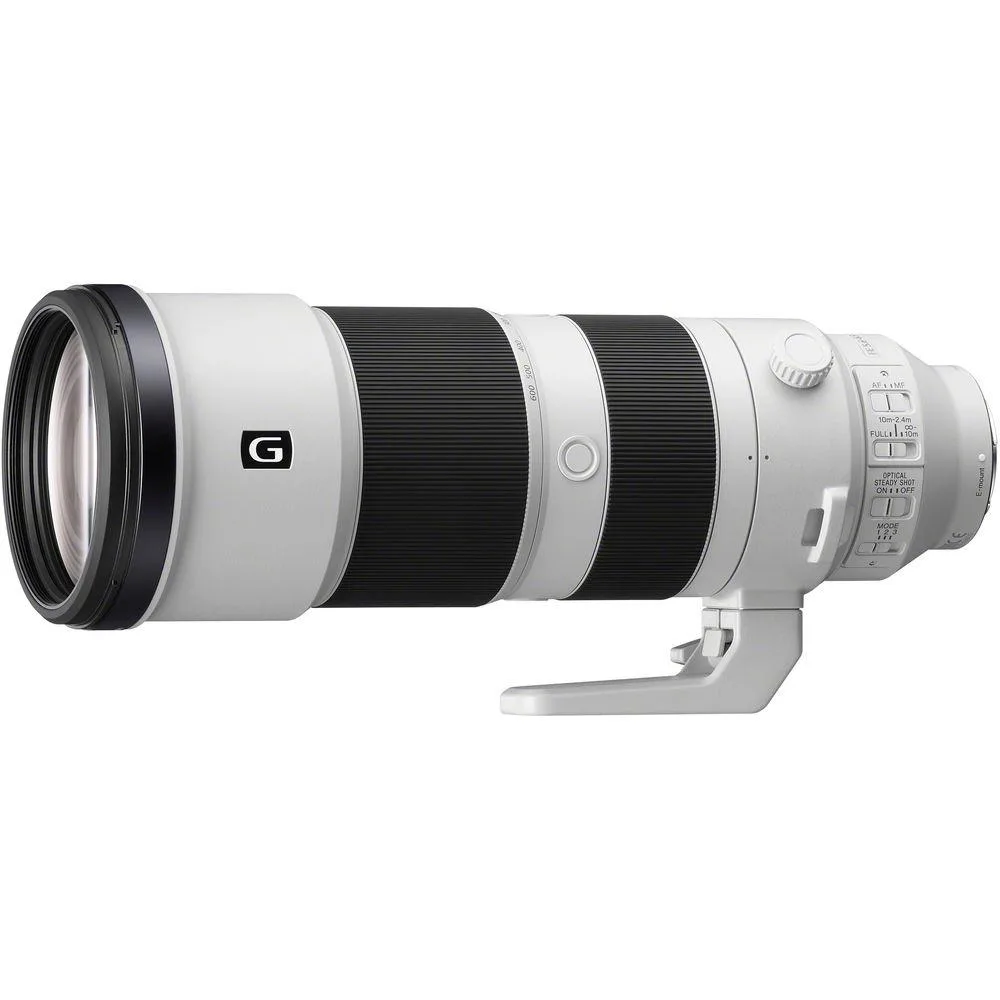
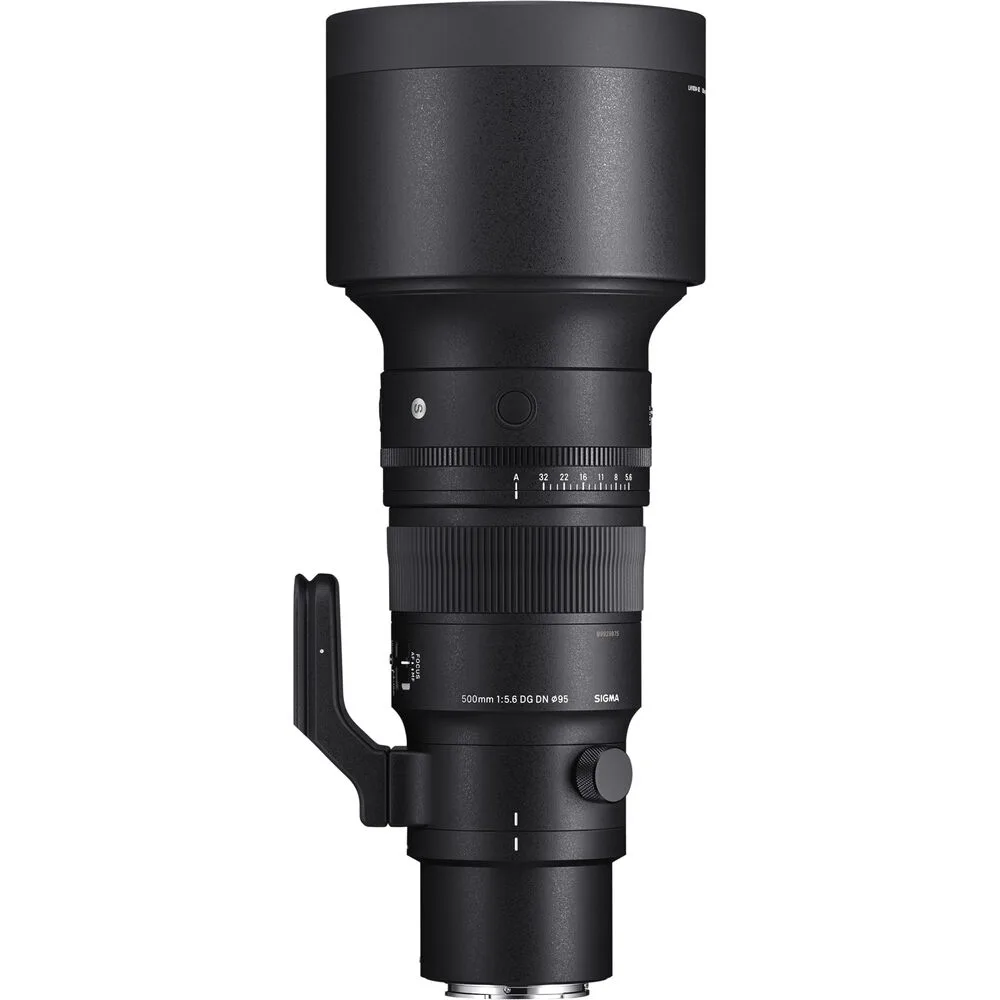
Choose the Sony FE 200-600mm f5.6-6.3 G OSS if you need flexible reach and want to spend far less; it is the better all-round wildlife and field-sports lens for most buyers. Choose the Sony FE 300mm F2.8 GM OSS only if you shoot in low light, need the fastest aperture, and can accept a fixed 300mm framing at a much higher price. If you want a lighter 300mm-class option, the Sigma 500mm F5.6 DG DN OS Sports is a third path worth weighing.
Reach vs aperture: the core trade-off
The 200-600mm zooms from 200mm to 600mm, so you can frame distant subjects without moving. That flexibility is why it is a common choice for wildlife and daytime field sports. The 300mm f2.8 GM is fixed at 300mm, so you gain no zoom range but gain a much brighter maximum aperture. A brighter aperture lets in more light, which helps in dim conditions and supports faster shutter speeds, but it does not replace the reach a 600mm setting gives you.
In practice, the decision is about what limits your shooting more: not enough reach, or not enough light. If your subjects are often far away and you shoot in daylight, the zoom's range wins. If your subjects are close enough for 300mm and you frequently shoot at dawn, dusk, or indoors, the fixed f2.8 lens is the stronger tool.
Size, weight, and handling on a Sony body
A 600mm-capable zoom and a 300mm f2.8 prime are both large lenses, but they behave differently in the field. The zoom changes length and balance as you extend it, which affects how you carry it and how it sits on a tripod or gimbal. The prime keeps a fixed length, which many shooters find easier to balance on a monopod or gimbal head for long sessions.
Neither lens is a casual walk-around option. Plan for a sturdy support system, and check that your bag and tripod collar fit the lens you choose. If you often hike long distances, handle both before buying; the one that feels manageable on your shoulder is the one you will actually take out.
Price and value: what you pay for
The 200-600mm G sits in a much lower price bracket than the 300mm f2.8 GM, so the zoom leaves budget for a second body, a support system, or travel. The 300mm f2.8 GM costs several times more because you are paying for the fast aperture and the build that supports it. That is a real trade-off, not a marketing one: the prime buys light-gathering and speed, while the zoom buys range and savings.
If your work does not demand f2.8, spending the difference on better support or more shooting opportunities usually improves results more than the faster aperture alone. If your clients or assignments require the fastest aperture, the prime's price is the cost of that capability.
Trade-offs at a glance
- Zoom range vs fixed focal length: The 200-600mm covers many focal lengths in one lens; the 300mm f2.8 GM is fixed at 300mm. Pick the zoom if framing flexibility matters more than a fast aperture.
- Aperture speed vs price: The 300mm f2.8 GM gathers more light but costs significantly more than the 200-600mm G. Choose the prime only if low-light speed is a genuine requirement.
- Handling and support: Both lenses need solid support; the zoom's extending barrel changes balance, while the prime stays a fixed length. Try both on your tripod or gimbal before committing.
Product facts
- Sony FE 200-600mm f5.6-6.3 G OSS Lens: In stock, 1 Year Warranty, FREE UK DELIVERY, Brand New Stock You can order the 200-600mm now with warranty coverage and no delivery cost, which lowers the total cost of getting started with a super telephoto.
- Sony FE 300mm F2.8 GM OSS Lens: In stock, 1 Year Warranty, FREE UK DELIVERY, Brand New Stock The 300mm f2.8 GM is available to order with the same warranty and free delivery, so the higher price is not the only factor in availability.
- Sigma 500mm F5.6 DG DN OS | Sports (Sony E): In stock, 1 Year Warranty, FREE UK DELIVERY, Brand New Stock The Sigma 500mm F5.6 DG DN OS Sports is a third option if you want a fixed focal length between the two Sony lenses without the f2.8 price.
Which lens fits your shooting?
Best for
- Wildlife and daytime field sports where reach and budget matter most
- Photographers who want one lens to cover 200mm through 600mm
- Buyers who prefer to put the savings toward a second body or support gear
Not for
- Shooters who regularly work in very low light and need f2.8
- Photographers who want the lightest possible 300mm-class setup
- Buyers who need a fixed, fast aperture more than zoom range