Quick Answer
Choose the Sony FX30 if you need cinematic 4K on a budget and prioritize portability. Choose the Sony FX3 if you need full-frame low-light performance, 4K 120p, and built-in XLR audio for serious productions.
Sensor Size: Super 35 vs Full Frame
The FX30's Super 35 sensor is a proven cinema format that delivers rich, filmic depth of field and is common in high-end productions. It also uses smaller, lighter lenses, which can reduce the weight of your rig. The FX3's full-frame sensor captures a wider field of view and excels in low light, letting you shoot in darker environments with less noise. The tradeoff is that full-frame lenses are typically larger and more expensive. For run-and-gun documentary or gimbal work, the FX30's compact Super 35 setup can be a practical advantage.
If you already own APS-C or Super 35 lenses, the FX30 is the more cost-effective choice. If you need the absolute best low-light performance and plan to invest in full-frame glass, the FX3 is worth the premium.
Recording Features: Frame Rates and Dynamic Range
Both cameras offer high-quality 4K, but the FX3 pushes further with 4K 120p recording, which is essential for smooth slow-motion footage. The FX30's 6K oversampling creates a sharp 4K image, but it tops out at 4K 60p (with a Super 35 crop). The FX3 also boasts 15+ stops of dynamic range, giving you more latitude to recover highlights and shadows in post. This can be a deciding factor if you grade your footage extensively or shoot in high-contrast scenes.
For indie filmmakers who need slow-mo for action or music videos, the FX3's 120p is a major advantage. If you primarily shoot interviews, narrative scenes, or vlogs at standard frame rates, the FX30's 60p is sufficient and saves you money.
Audio and Rigging: Built-in XLR vs. External Modules
The FX3 comes with a top handle that includes XLR inputs, allowing you to connect professional microphones without an external audio recorder. This simplifies your rig and is ideal for solo shooters or small crews. The FX30 lacks this built-in XLR handle, meaning you'll need an external audio recorder or a Sony XLR adapter to get balanced audio. This adds cost and complexity to your setup.
If clean, professional audio is a priority and you want an all-in-one rig, the FX3 saves you time and gear. If you already own an external recorder or are comfortable with a separate audio workflow, the FX30 can still deliver great sound.
Tradeoffs at a Glance
- Budget: The FX30 is significantly more affordable, freeing up budget for lenses, audio gear, and accessories.
- Low-Light Performance: The FX3's full-frame sensor captures cleaner images in dim environments, which is critical for night shoots or indoor scenes.
- Slow-Motion Capability: The FX3 offers 4K 120p for smooth slow-mo; the FX30 maxes out at 4K 60p (with crop). If slow-motion is essential, the FX3 is the clear choice.
- Audio Workflow: The FX3's built-in XLR handle simplifies pro audio; the FX30 requires an external recorder or adapter.
- Lens Ecosystem: The FX30 uses smaller, lighter Super 35 lenses; the FX3 uses larger, more expensive full-frame glass.
Product Facts
-
SONY Cinema Line FX30 Super 35 Camera: The Sony FX30 combines 6K oversampling with a compact design to capture cinematic 4K video. This means you get sharp, detailed 4K footage from a lightweight body, ideal for gimbals and travel.
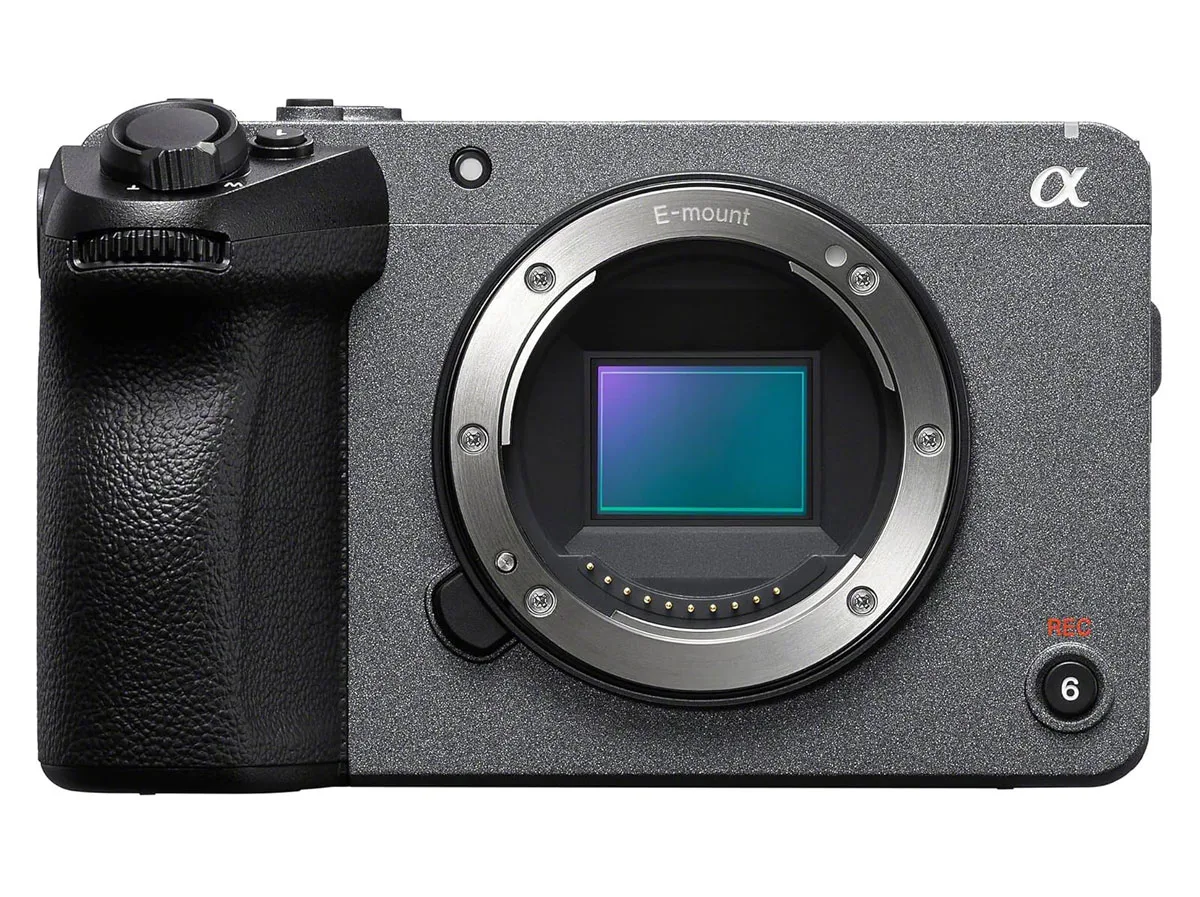
SONY Cinema Line FX30 Super 35 Camera
-
Sony Alpha FX3 ILME-FX3 Full-frame Cinema Line Camera: The Sony Alpha FX3 features a 4K full-frame sensor with 15+ stops of dynamic range and high-speed recording up to 4K 120p. The larger sensor and higher frame rate give you more creative flexibility in low light and for slow-motion shots.
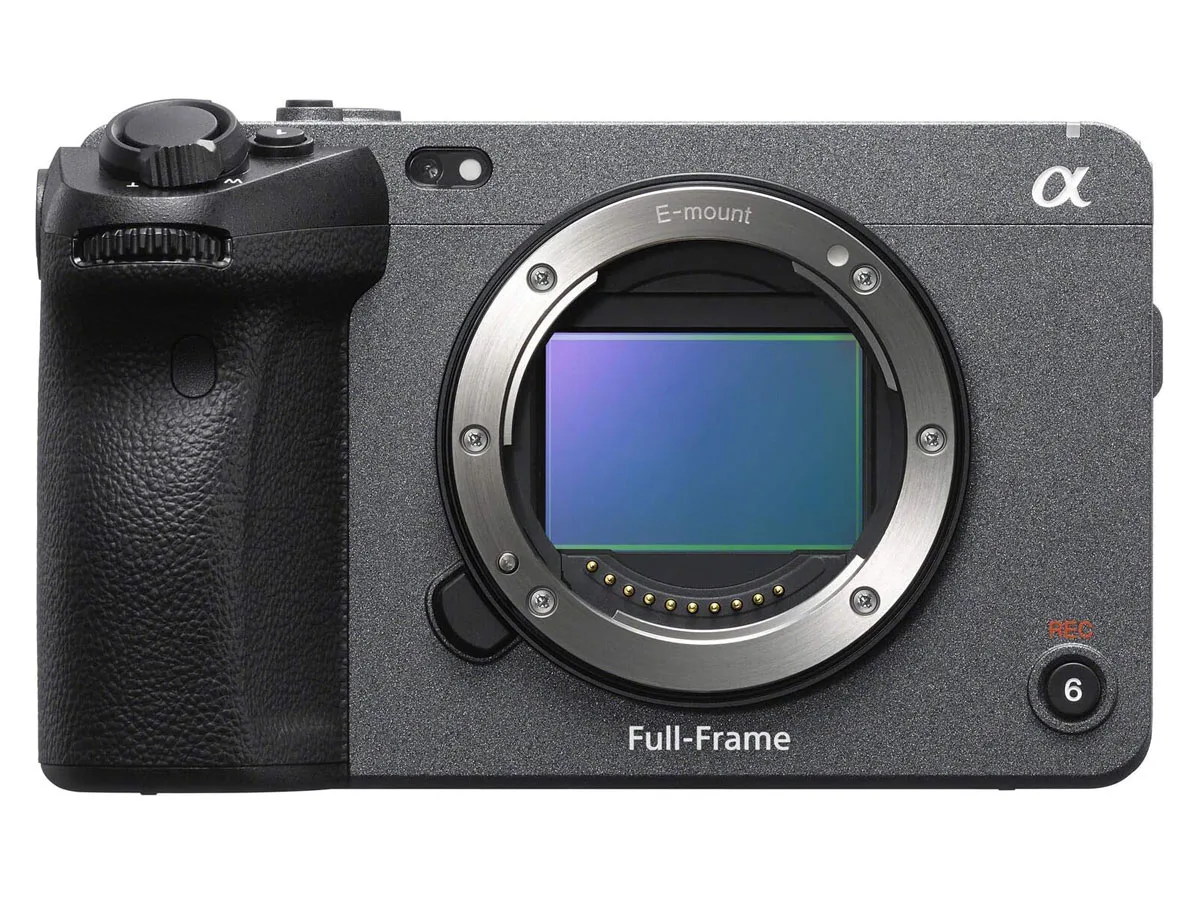
Sony Alpha FX3 ILME-FX3 Full-frame Cinema Line Camera
Which One Fits Your Rig?
Best for
- Indie filmmakers on a budget who want cinematic 4K without breaking the bank
- Run-and-gun shooters who prioritize a compact, lightweight rig for gimbals or travel
Not for
- Filmmakers who need the best low-light performance and 4K 120p slow-motion (choose the FX3 instead)