Start with the recording format you actually deliver
The Sony FX3A, Canon EOS C80, and Canon EOS C50 all put a full-frame sensor in a compact body, but they solve different production problems. The quickest way to choose is to start from your deliverable: do you need 6K or 7K capture for reframing and future-proofing, or is a proven 4K workflow with strong low-light performance enough? The supplied records point to three distinct answers.
The Canon EOS C80 and C50 both offer higher-resolution full-frame capture than the FX3A, while the Sony FX3A emphasizes 4K recording up to 120fps, 16-bit RAW HDMI output, and a cage-free body. None of these is universally better; each record confirms a different set of priorities.
Sensor and recording at a glance
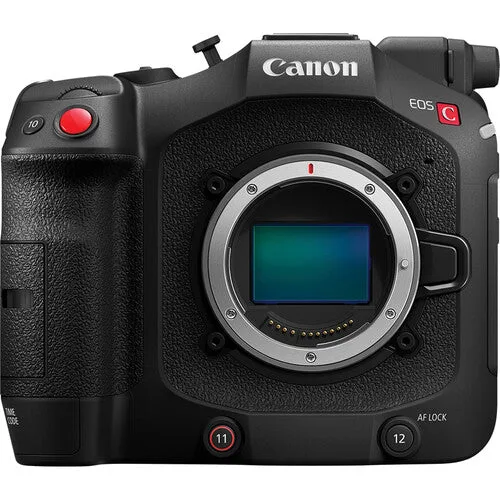
- Canon EOS C80: 6K full-frame back-illuminated stacked CMOS sensor, 6K30 recording, oversampled 4K, and triple ISO bases of 800, 3200, and 12,800 in Log or RAW. Supports Canon Cinema RAW Light LT and XF-HEVC S codecs.
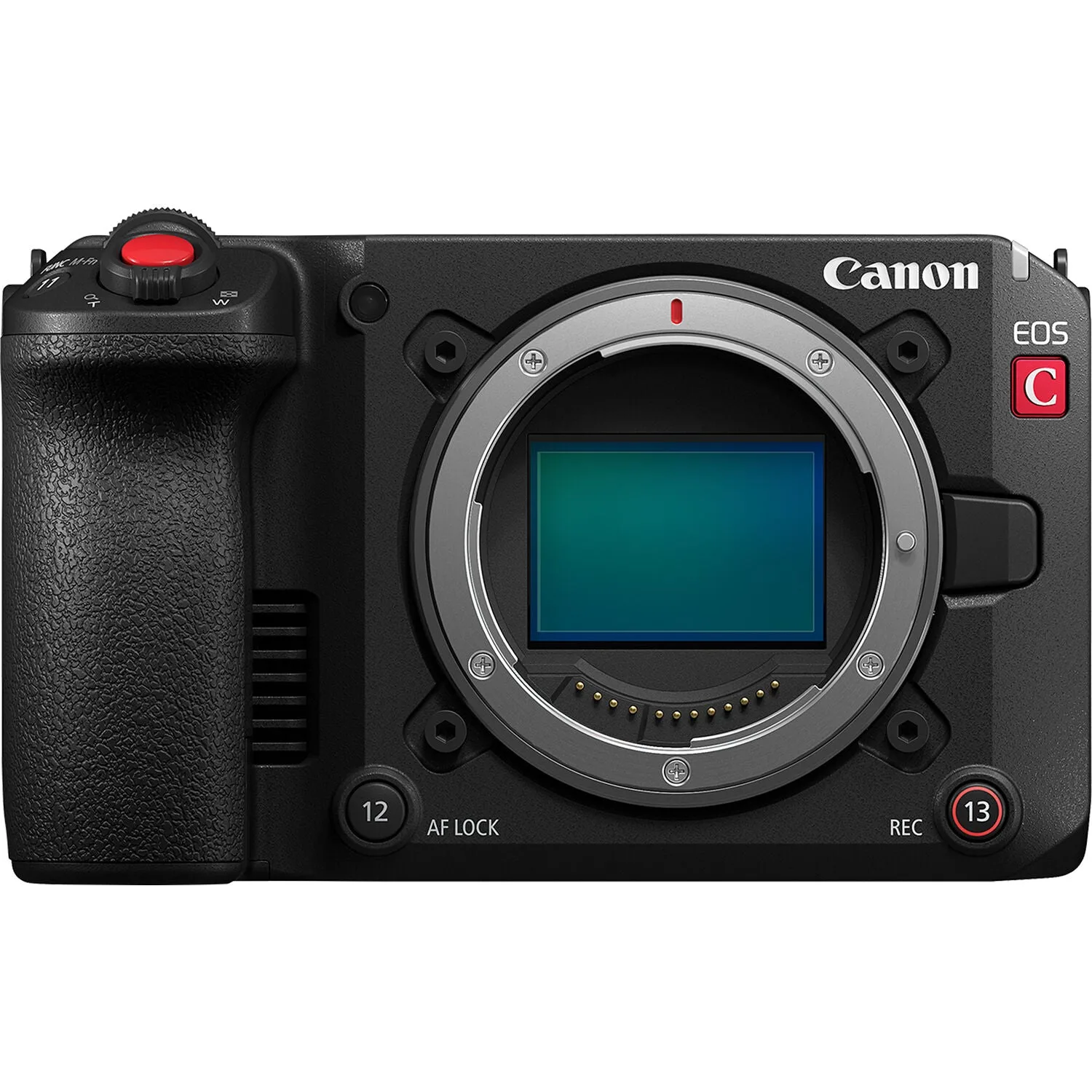
- Canon EOS C50: 7K full-frame back-illuminated CMOS sensor with 15+ stops dynamic range, 7K60 Cinema RAW Light and 4K120 XF-AVC recording, 3:2 Open Gate, and dual-base ISO 800/6400.
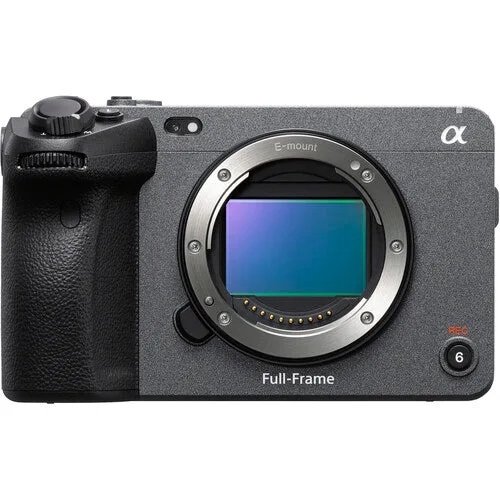
- Sony FX3A: Full-frame 12.1MP Exmor R sensor (10.2MP effective for video), 4K UHD up to 120fps, 10-bit 4:2:2 internal, and 16-bit RAW HDMI output. Expanded ISO range of 80–409,600.
What the Canon EOS C80 record confirms
-
Canon EOS C80 6K Full-Frame Cinema Camera Body: 6K full-frame sensor with 6K30 recording and oversampled 4K video. Higher-resolution capture gives you room to reframe and downscale for 4K delivery, a core reason to choose the C80 over a 4K-native camera.
Canon EOS C80 6K Full-Frame Cinema Camera Body
-
Canon EOS C80 6K Full-Frame Cinema Camera Body: Triple ISO bases of 800, 3200, and 12,800 when shooting in Log or RAW formats. Three base ISOs let you match the sensor to different lighting levels without giving up dynamic range, which matters for documentary and available-light work.
-
Canon EOS C80 6K Full-Frame Cinema Camera Body: Dual mini-XLR inputs with phantom power support 4-channel audio. If you record dialogue or multi-source sound on camera, the C80's audio inputs reduce the need for a separate mixer in simple setups.
What the Canon EOS C50 record confirms
-
Canon EOS C50 Full-Frame Cinema Camera: 7K full-frame back-illuminated CMOS sensor with 15+ stops dynamic range and 7K60 Cinema RAW Light recording. The C50 offers the highest resolution and dynamic range in this group, useful for commercial work, virtual production, and heavy reframing.
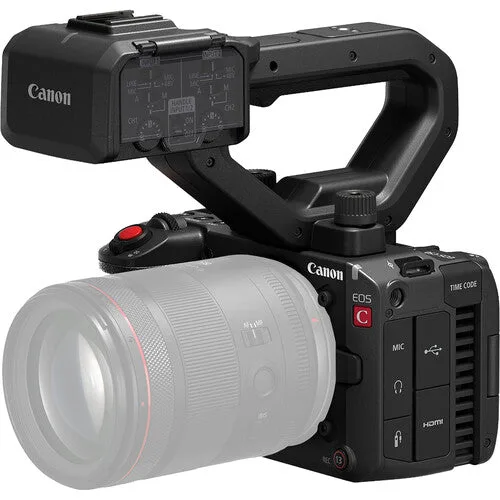
Canon EOS C50 Full-Frame Cinema Camera
-
Canon EOS C50 Full-Frame Cinema Camera: Supports 3:2 Open Gate recording and anamorphic de-squeeze. Open Gate captures more vertical information for social crops, while anamorphic de-squeeze supports widescreen lens workflows without external monitoring tricks.
-
Canon EOS C50 Full-Frame Cinema Camera: Native Frame.io Camera-to-Cloud integration and XC Protocol support for IP-based remote operation. These connectivity features suit teams that need fast review cycles or remote camera control, which the other two records do not confirm.
What the Sony FX3A record confirms
- Sony FX3A Full-Frame Cinema Camera: Full-frame 12.1MP Exmor R sensor with 4K UHD recording up to 120fps and 10-bit 4:2:2 internal. The FX3A prioritizes 4K acquisition and high frame rates rather than 6K or 7K, which is enough for many documentary, event, and run-and-gun workflows.
- Sony FX3A Full-Frame Cinema Camera: Expanded ISO range of 80–409,600 and 15+ stops of dynamic range. The very wide ISO range makes the FX3A a strong low-light option, though the record does not specify dual-base ISO steps like the Canon cameras.
- Sony FX3A Full-Frame Cinema Camera: Cage-free body with multiple 1/4"-20 mounts, tally lights, and a silent active cooling fan for unlimited 4K60 capture. Solo shooters who rig lightly and record long interviews or events benefit from the built-in mounting points and cooling without adding a cage.
Lens mount and audio: the compatibility questions that decide a kit
The Canon EOS C80 uses the RF lens mount, and the supplied record notes compatibility with high-performance RF lenses plus support for PL-mount cine lenses via an optional adapter. The EOS C50 record does not list a lens mount in the supplied specifications, so confirm that detail before committing to a lens set. The Sony FX3A record describes an included XLR handle with dual XLR/TRS combo inputs, a mic holder, and a 3.5mm stereo jack, but does not name its lens mount; check the mount before assuming compatibility with your existing lenses.
Audio handling differs too. The C80 record confirms dual mini-XLR inputs with phantom power for 4-channel audio. The C50 record confirms a detachable top handle with dual XLR inputs. The FX3A record confirms 4-channel, 24-bit audio through the included XLR handle. All three can record professional audio on camera, but the connector types and handle designs vary, so match the camera to the microphones you already own.
Workflow features that separate the three
- Monitoring and outputs: The Canon EOS C80 offers simultaneous HDMI and 12G-SDI output, which helps when you need to feed a director's monitor and a recorder at the same time. The C50 and FX3A records confirm HDMI and USB-C connectivity but do not list 12G-SDI.
- Media slots: The C80 uses dual SD card slots for simultaneous, relay, or proxy recording. The C50 uses one CFexpress Type-B and one SD slot. The FX3A uses dual CFexpress Type-A / SD slots. Match your existing cards before buying.
- Remote and streaming: The C80 record confirms built-in Wi-Fi, Ethernet, and Canon's Multicamera Control app. The C50 adds Frame.io Camera-to-Cloud and XC Protocol. The FX3A offers dual-band Wi-Fi, USB-C streaming via Imaging Edge Webcam, and remote control through Sony Imaging Edge Mobile/Desktop.
- Vertical and social capture: The C50 record confirms a native vertical shooting UI and simultaneous 2K crop recording for instant vertical or square formats. The other two records do not confirm a native vertical interface.
What the supplied records do not settle
Several practical details are not confirmed by the supplied information. The Canon EOS C50 record does not list a lens mount or ND filter system. The Sony FX3A record does not list a lens mount or built-in ND filters. The Canon EOS C80 record confirms motorized ND filters up to 10 stops, but does not state a battery type or estimated runtime. None of the records confirm weather sealing, recording time limits, or card speed requirements. Treat these as questions to verify against the manufacturer's documentation before you buy, rather than assuming a feature is present or absent.
Price is another moving target. Catalog prices change, and the comparison prices shown in the store are not permanent. Use the current listing as your reference and weigh the confirmed features above against your own workflow.