Quick answer
If you shoot more than 20 paid days per year and need consistent full-frame 4K, buying a Sony FX9 makes sense. For everyone else, renting a pre-built FX9 kit from Matphoto is the smarter first step. Match your kit to your shooting style: documentary work needs lightweight support and reliable power, while commercial and narrative work benefits from a high-output strobe like the Profoto B30 for stills or BTS.
Rent vs. buy: run the numbers on your shooting calendar
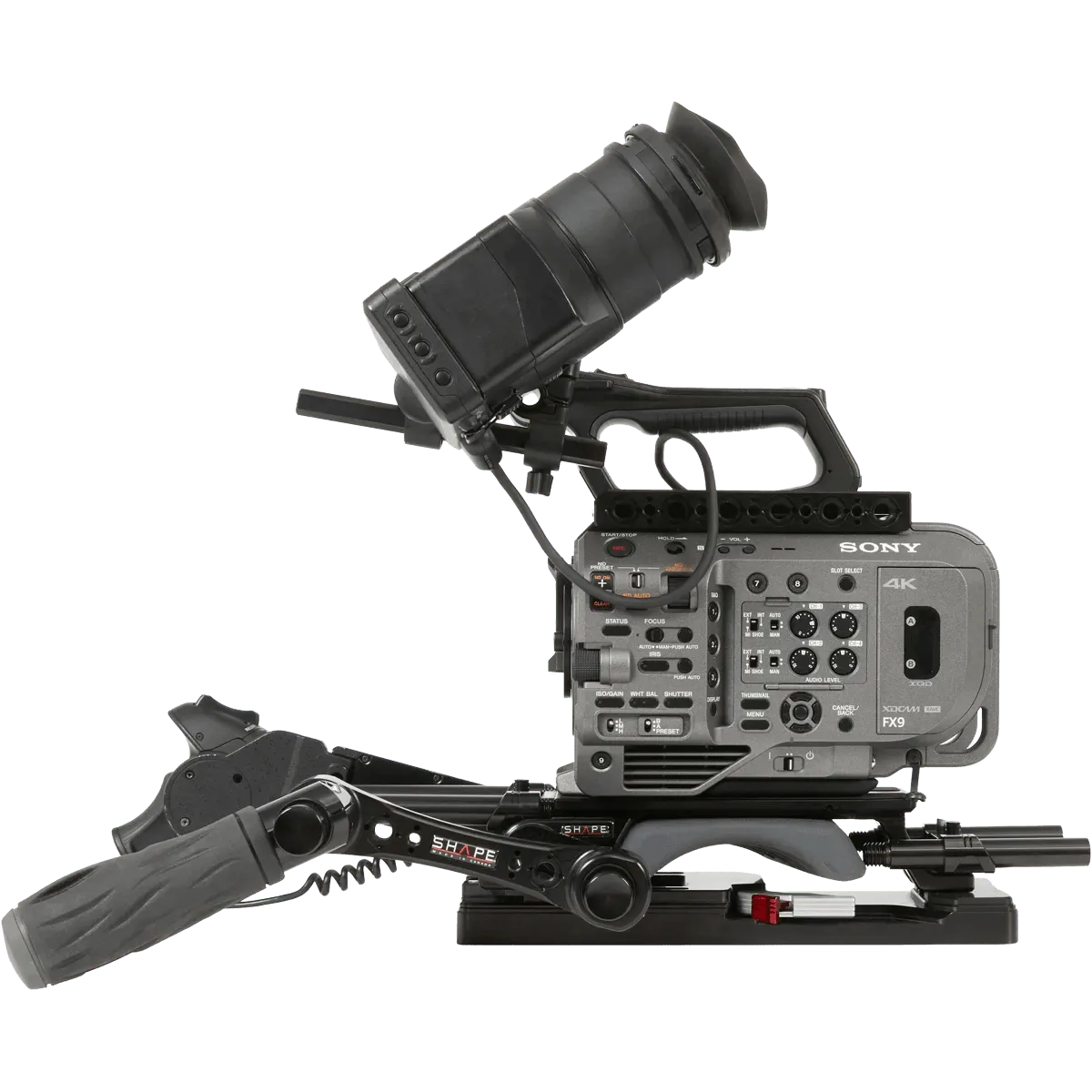
The FX9 body alone costs thousands, and a working kit adds media, batteries, support, and glass. Before you buy, count your paid FX9 days over the next 12 months. If that number is below 20, renting usually wins because you avoid depreciation, firmware upkeep, and sensor cleaning. Matphoto's rental listing includes two 240 GB XQD cards, a CF Express Type A/B reader, four BP-U70/BP-U35 batteries, a two-channel charger, an EVF, an eyepiece, a top handle, and a Shape shoulder rig. That is a complete power and media package, so you can test the camera on a real job without buying a single accessory.
Lens compatibility: what actually works on the FX9
The FX9 uses the Sony E-mount, so native E-mount glass works with full autofocus and lens metadata. For manual cinema lenses, you can adapt PL, EF, or Nikon F mounts, but autofocus and electronic iris control will not work through a passive adapter. If you rely on autofocus for documentary, stick to native E-mount or Sony's own adapters. For commercial and narrative work where you pull focus by hand, a PL adapter opens up a much wider rental market. Test your adapter and lens combination before the shoot day; flange depth errors show up as soft corners or an inability to reach infinity.
Power, media, and support: the essentials people forget
The FX9 draws 35.2 W, so battery choice matters. The included BP-U70 and BP-U35 batteries give you a mix of long and short runtimes, but for all-day documentary work you will want at least four high-capacity packs and a way to charge them on location. The two-channel charger helps, but plan for a power station or AC access. Media is another bottleneck: 4K XAVC at 59.94 fps fills cards quickly, so the two 240 GB XQD cards in the kit are a starting point, not a full day's supply for every project. For support, the included Shape shoulder rig works for handheld, but a tripod or gimbal is a separate decision. The FX9 weighs 2 kg body-only, so a fluid head rated for at least 5 kg gives you comfortable headroom.
When a stills strobe belongs in your cinema kit
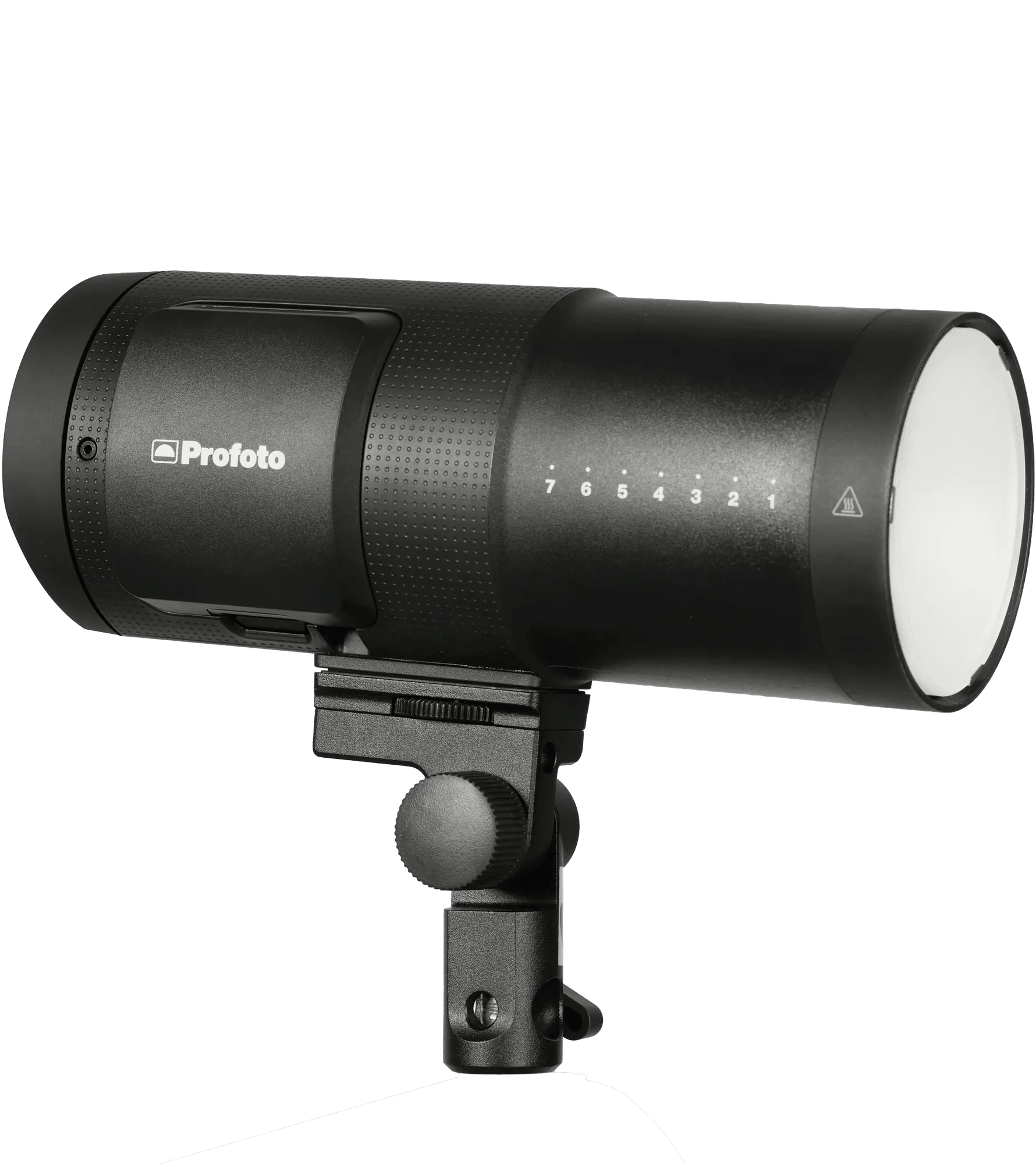
If your cinema work includes behind-the-scenes stills, product shots, or interview setups that need a hard key light, the Profoto B30 500J kit is a compact option. It offers 500J of power, a recycling time as short as 0.01 seconds in Eco mode, and flash durations down to 1/9,800 s in Freeze mode. That short flash duration is useful for freezing motion, but for continuous video lighting you need a different tool. Treat the B30 as a stills or hybrid accessory, not a video light. Its 11-stop range (0.5–500 Ws) gives you fine control when matching ambient light, which matters if you are shooting stills alongside a documentary interview.
Documentary vs. commercial: two different FX9 builds
Documentary work prioritizes speed and portability. You want the FX9 in a shoulder rig with a zoom lens, a top handle for low-angle shots, and enough battery power to run for hours without swapping. The EVF and eyepiece in the Matphoto kit are critical here because they let you shoot in bright sun without a monitor hood. Commercial and narrative work prioritizes image control. You want a PL-mounted prime set, a matte box, follow focus, and a monitor with waveform. The FX9's 4K 4096 x 2160 resolution and 23.98–59.94 fps range cover both worlds, but the accessories you choose will determine how fast you can move on set.
Decision rules for your FX9 kit
- Buy vs. rent: Buy if you shoot more than 20 paid FX9 days per year and already own E-mount glass. Rent if your schedule is seasonal, you are testing the camera, or you need a complete kit without capital outlay. Rent first for a real job, then decide.
- Lens mount strategy: Choose native E-mount if you need autofocus for documentary. Choose PL or EF adapters if you pull focus manually and want access to a wider rental lens pool. Test adapters before the shoot day.
- Power and media budget: Plan for at least four high-capacity batteries and enough XQD or CF Express cards to cover your longest shooting day. The FX9 draws 35.2 W, so cheap batteries will not last. Match battery count to your longest day, not your average day.
- Support and rigging: The included Shape shoulder rig works for handheld, but a tripod or gimbal is a separate purchase. The FX9 body weighs 2 kg, so choose a fluid head rated for at least 5 kg. Do not undersize your tripod head.
Rental kit facts that affect your decision
- SONY FX9: Includes two 240 GB XQD cards, a CF Express Type A/B reader, four BP-U70/BP-U35 batteries, a two-channel charger, EVF, eyepiece, top handle, and Shape shoulder rig. You can shoot a full day without buying media or power accessories, which lowers the true cost of a rental test.
- PROFOTO B30 500J - KIT: 500J strobe with Eco, Boost, and Freeze modes; recycling from 0.01 s; flash duration down to 1/9,800 s in Freeze mode; 11-stop range (0.5–500 Ws). Useful for behind-the-scenes stills or interview key lighting, but not a substitute for continuous video lights.
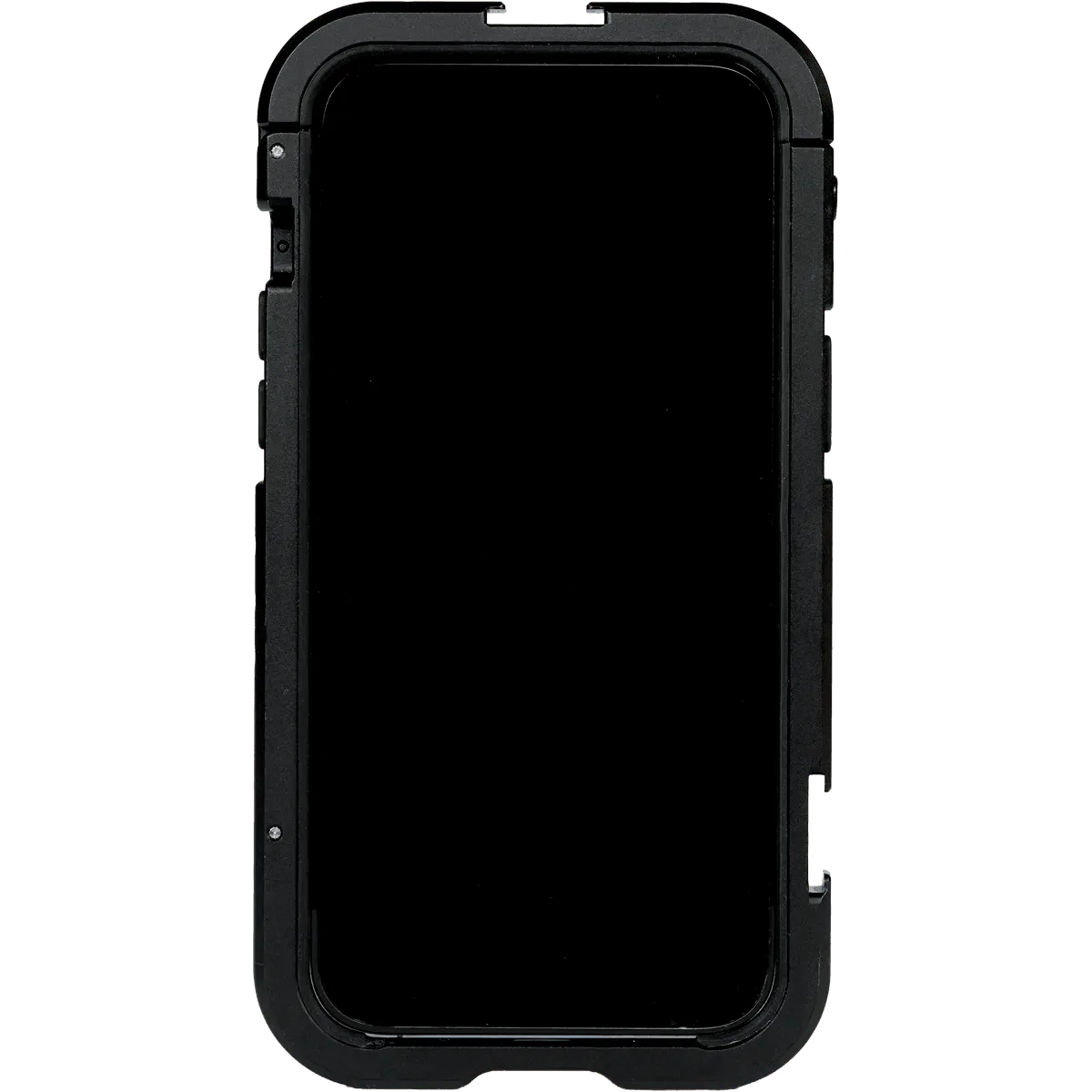
- IPHONE 15 PRO MAX - 1 To: iPhone 15 Pro Max with 48 MP photo resolution and 4K 60 fps video, plus a cage, two SmallRig handles, USB-C charger, adapter, and Pelican case. A practical B-camera or behind-the-scenes tool that can match the FX9's 4K frame rate for social cuts.
Who should choose the FX9
Best for
- Documentary shooters who need full-frame 4K, dual media, and long battery life in a shoulder-mounted rig
- Commercial and narrative owner-operators who want a reliable E-mount camera with PL adapter options
- Rental customers who want a turnkey kit with media, power, and support included
Not for
- Shooters who need 6K or 8K acquisition for heavy VFX work
- Budget-limited projects that cannot justify the rental or purchase cost of a full-frame cine camera
- Stills-only photographers who do not need video features