Two Very Different Approaches to Vlogging
The Sony ZV-1F and Sony A7 III both shoot 4K video, but they are built for different kinds of creators. The ZV-1F is a compact point-and-shoot designed specifically for entry-level vloggers, while the A7 III is a full-frame mirrorless camera that excels in stills and video. Understanding their core differences will help you decide which one fits your workflow.
This comparison focuses on vlogging and content creation. We'll look at portability, video features, autofocus, and overall value so you can make an informed choice.
Key Specifications at a Glance
-
Sony ZV-1F Vlogging Camera White: 20 MP 1-inch sensor, 4K/30p video, ultra-wide-angle 20mm f/2 lens, on-camera directional microphone, product showcase mode, bokeh switch. The ZV-1F is built for simplicity: a fixed wide lens, dedicated vlogging modes, and a compact body that fits in a bag.
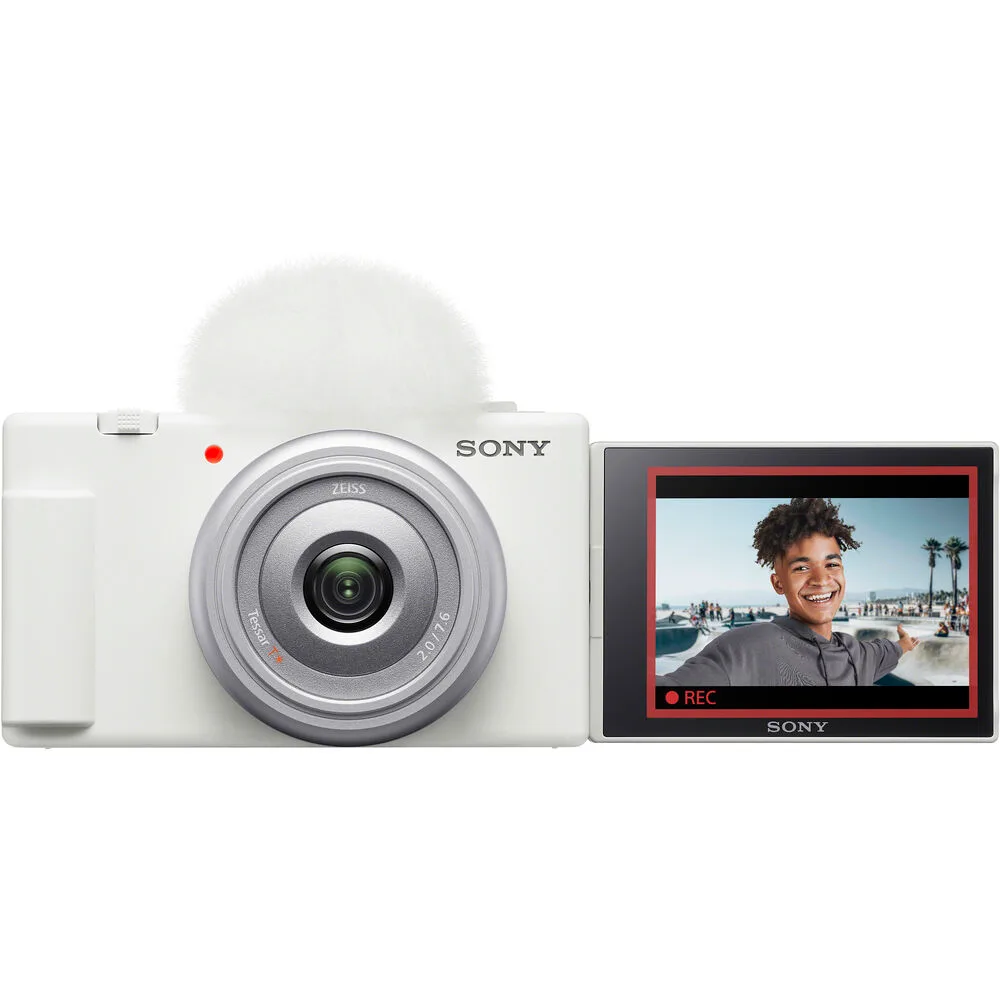
Sony ZV-1F Vlogging Camera White
-
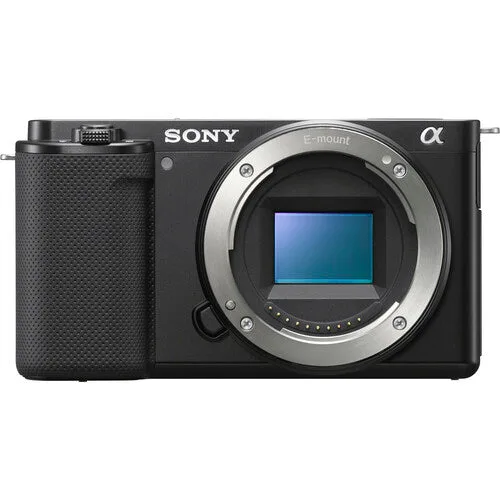
Sony A7 III Camera Body: 24.2 MP full-frame back-illuminated CMOS sensor, 4K HDR with full pixel readout from 6K oversampling, 693 phase-detection AF points, 5-axis in-body stabilization, dual SD slots, USB-C. The A7 III offers professional-grade image quality, interchangeable lenses, and extensive control, but it is larger and more complex.
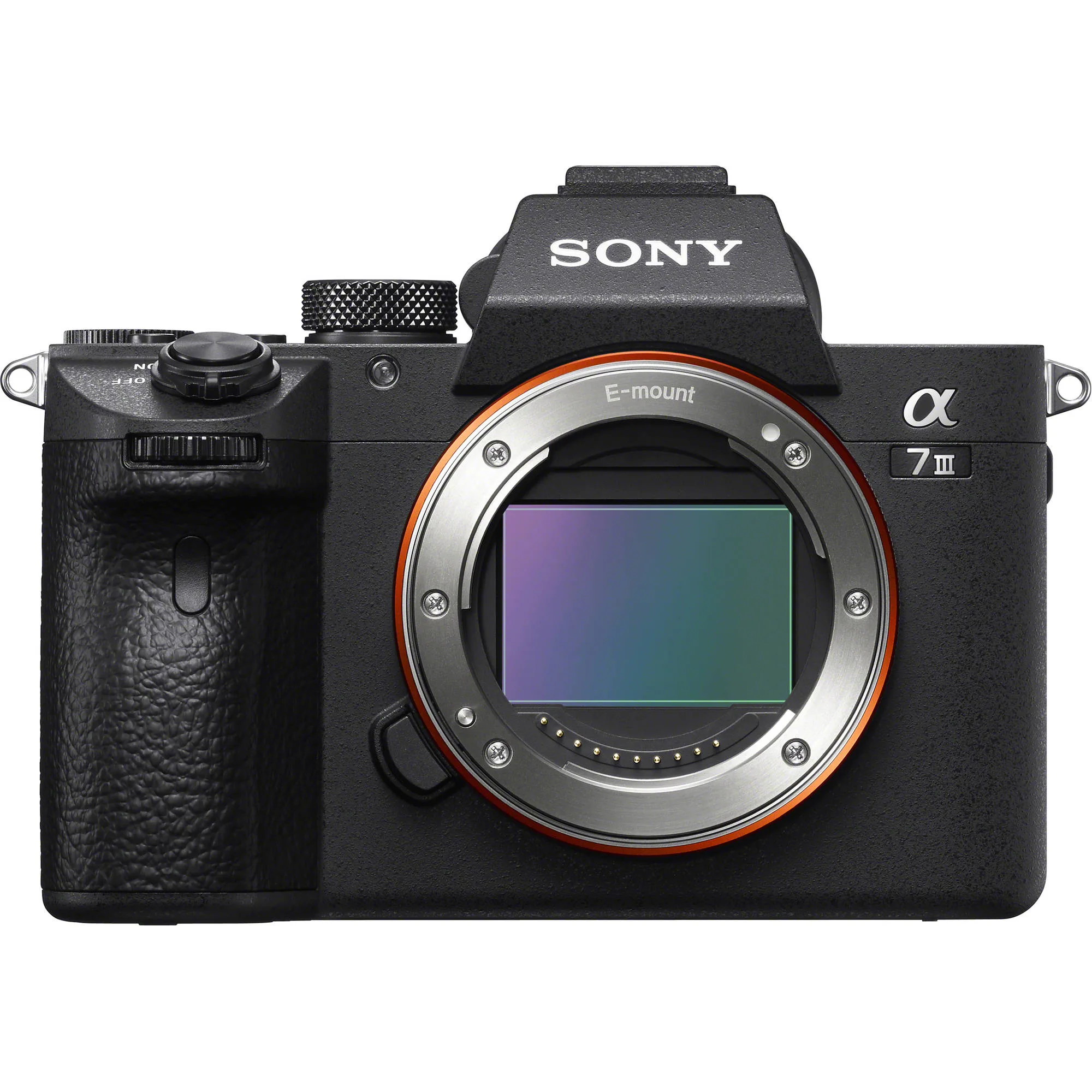
Sony A7 III Camera Body
Portability and Ease of Use
For a vlogger who wants to grab and go, the ZV-1F is the clear winner. Its fixed lens means no lens changes, and the touch-sensitive flip screen makes framing yourself easy. The A7 III, while compact for a full-frame camera, requires a lens and has a deeper learning curve.
- Sony ZV-1F: Extremely portable, fixed 20mm f/2 lens, flip screen, dedicated vlogging modes (Product Showcase, Bokeh Switch). Ideal for beginners.
- Sony A7 III: Larger body, requires a separate lens (e.g., a wide-angle zoom for vlogging). Offers more creative control but is less convenient for quick shoots.
Video Quality and Features
Both cameras record 4K video, but the A7 III provides higher image quality thanks to its full-frame sensor and 6K oversampling. The ZV-1F, however, includes vlogger-specific features that the A7 III lacks.
- Sony ZV-1F: 4K/30p, 4x slow-motion in HD, Product Showcase mode for review videos, Bokeh Switch for background blur. On-camera directional microphone. No interchangeable lens.
- Sony A7 III: 4K HDR with full pixel readout, S-Log3 and HLG for color grading, 10 fps continuous shooting, 5-axis stabilization. Requires external microphone for best audio and a wide-angle lens for vlogging.
Autofocus and Stabilization
Autofocus is critical for vlogging. The A7 III boasts a sophisticated 693-point phase-detection AF system with Eye AF for portraits. The ZV-1F uses a simpler contrast-detect system but is still reliable for typical vlogging scenarios. For stabilization, the A7 III offers 5-axis in-body stabilization, while the ZV-1F relies on electronic stabilization.
- Sony A7 III: 693 phase-detection AF points covering 93% of the frame, Eye AF for stills, 5-axis in-body stabilization (5.0-step advantage).
- Sony ZV-1F: Contrast-detect AF, no in-body stabilization. Electronic stabilization is available but may crop the frame.
Which One Should You Choose?
Choose the Sony ZV-1F if you are a beginner vlogger who wants a simple, all-in-one solution. It is lightweight, has dedicated vlogging features, and costs significantly less. It is not confirmed to support external microphones, but the on-camera mic is decent for starters.
Choose the Sony A7 III if you need higher image quality, want to use interchangeable lenses, or plan to grow into more advanced video work. It requires a larger investment and more gear, but it offers professional-level results.