Quick Answer
Most starters that stop rising are too cold, fed too rarely, or fed at a ratio that is too weak. Move the starter to a 75-78°F (24-26°C) spot, feed it with a 1:1:1 ratio by weight, and repeat every 12 hours until it doubles within 4-8 hours. If it still smells like acetone or shows fuzz, discard and restart.
A sourdough starter that refuses to rise is frustrating, but it is almost always a fixable problem. The starter is a living culture of wild yeast and bacteria, and it responds to three things: food, temperature, and time. When one of those is off, the rise stalls.
This guide separates the symptom from the likely cause so you can stop guessing. Work through the checks in order, make one change at a time, and give the culture 24-48 hours to respond before deciding it needs to be replaced.
Start With Temperature, Not More Flour
Temperature is the most common reason a starter stops rising. Below 70°F (21°C), yeast activity slows dramatically, and a starter can look dead even when it is healthy. Above 85°F (29°C), the culture can over-ferment and collapse before you see a peak. The sweet spot for most home kitchens is 75-78°F (24-26°C).
Before you change your feeding schedule, move the starter to a warmer spot and watch it for a full day. A microwave with the door cracked, an oven with only the light on, or the top of the refrigerator are common options. Use a thermometer to confirm the actual temperature rather than guessing.
- If your kitchen is below 70°F, expect a rise to take 8-12 hours instead of 4-6.
- If the starter smells sharply of acetone or nail polish, it is hungry, not dead.
- A starter that rises then falls quickly is usually too warm, not too weak.
Check Your Feeding Ratio and Frequency
A 1:1:1 feed by weight (equal parts starter, flour, and water) is a reliable baseline for reviving a sluggish culture. If you have been feeding with a splash of flour and water without measuring, the ratio may be too weak to support a visible rise. Weighing the components removes the guesswork.
Frequency matters as much as ratio. A starter left at room temperature for 24 hours between feeds will exhaust its food and go flat. Feed every 12 hours while you are troubleshooting, and keep only a small amount of starter so you are not wasting flour. Once it rises reliably, you can return to once-daily feeds or refrigerate it.
- Use a scale: 50g starter, 50g flour, 50g water is a clean 1:1:1.
- If the starter is very acidic, try 1:2:2 for one or two feeds to dilute the acid.
- Discard the excess before feeding so the ratio stays accurate.
Water, Flour, and Contamination
Chlorinated tap water can inhibit yeast, though most municipal water is fine. If you suspect it, leave water out overnight or use filtered water for a few feeds. Very soft or heavily treated water is a less common culprit than temperature, so change one variable at a time.
Flour type also affects rise. Whole grain and rye flours carry more wild yeast and nutrients, so they often wake up a stalled starter faster than white flour alone. If you see fuzzy mold, pink or orange streaks, or a smell like rotting fruit, the culture is contaminated and should be discarded rather than revived.
- Try one or two feeds with whole wheat or rye flour to boost activity.
- Never use water hotter than 110°F (43°C); it can kill the yeast.
- Mold or pink streaks mean start over, not feed harder.
When to Stop Troubleshooting and Start Fresh
Set a limit. If a starter has been fed at 1:1:1 every 12 hours at 75-78°F for five days and still shows no rise, no bubbles, and no change in aroma, the culture is likely too weak to recover. At that point, starting a new starter from scratch is faster and more reliable than continuing to feed a dead one.
If you need bread today, a stalled starter is not a reason to go without. A pull-apart loaf like the Sourdough Epi Baguette gives you the sourdough experience while your new starter develops, and it is shaped to share. Use it as a bridge, not a replacement for the culture you are rebuilding.
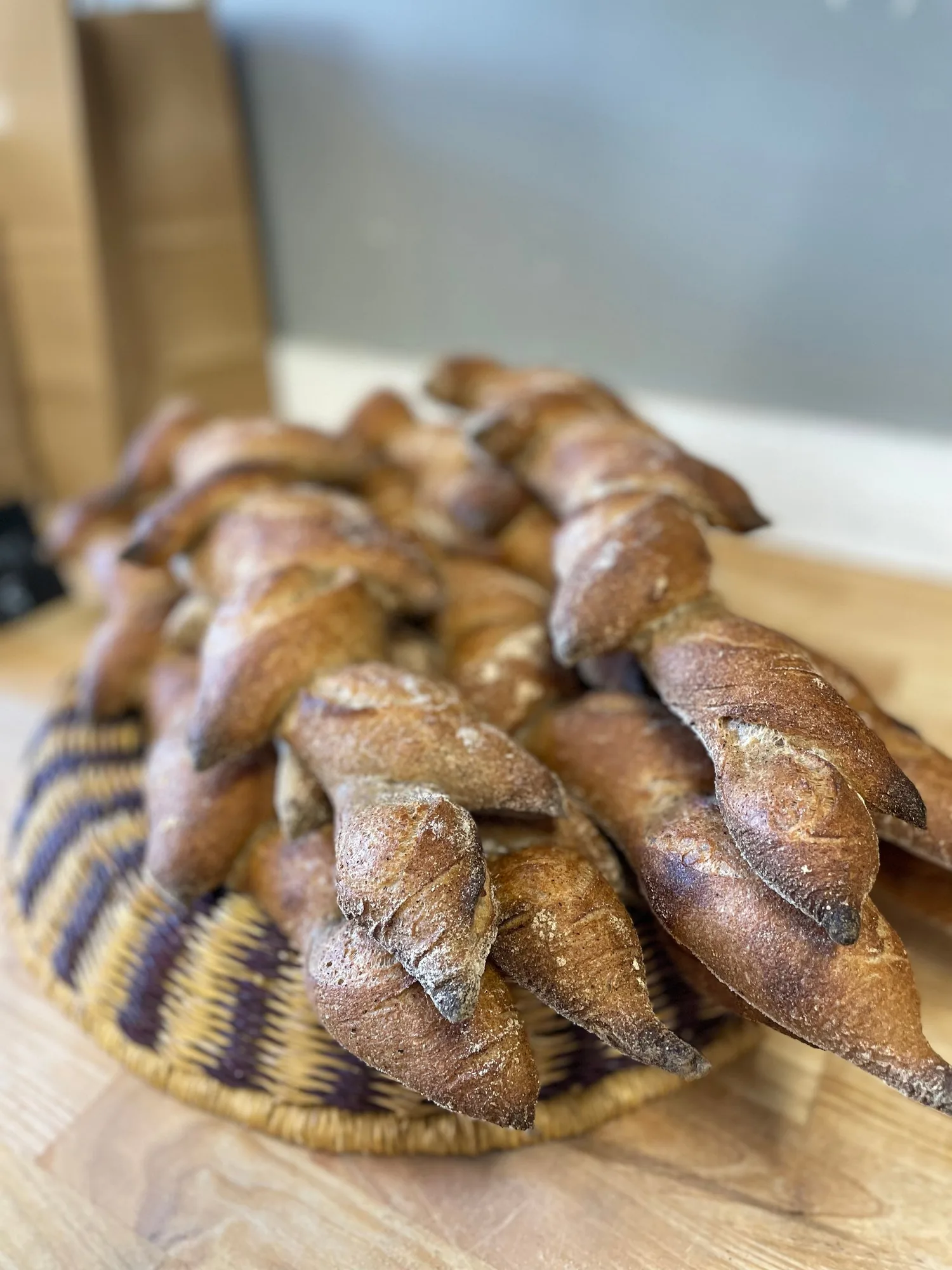
Sourdough Epi Baguette
- Five days of correct feeding with zero activity is your stop point.
- A new starter typically takes 7-14 days to become reliably active.
- Keep a backup: dry a thin layer of active starter and store it.
Starter Diagnosis Chart
- No rise, no bubbles, no smell change: Likely too cold or fed too weakly. Move to 75-78°F and feed 1:1:1 by weight every 12 hours. Recheck after 48 hours before changing anything else.
- Rises then collapses within a few hours: Likely too warm or over-fermented. Lower the temperature slightly and shorten the time between feeds. A peak that holds for 2-4 hours is the goal.
- Sharp acetone or nail polish smell: The culture is hungry. Discard most of it and feed at 1:2:2 to dilute the acid. Smell should turn yeasty and mild within two feeds.
- Fuzzy mold or pink or orange streaks: Contamination. Do not try to revive it. Discard the starter and sanitize the jar. Start a new culture from fresh flour and water.
- Five days of correct feeding with zero activity: The culture is too weak to recover efficiently. Start a new starter rather than feeding further. A fresh starter usually needs 7-14 days to become reliable.
Bakery Options While Your Starter Recovers
- Sourdough Epi Baguette: A pull-apart baguette shaped to resemble a wheat stalk, with segmented pieces that pull away from the loaf. Useful when your starter is not ready but you still want sourdough flavor and a shareable shape.
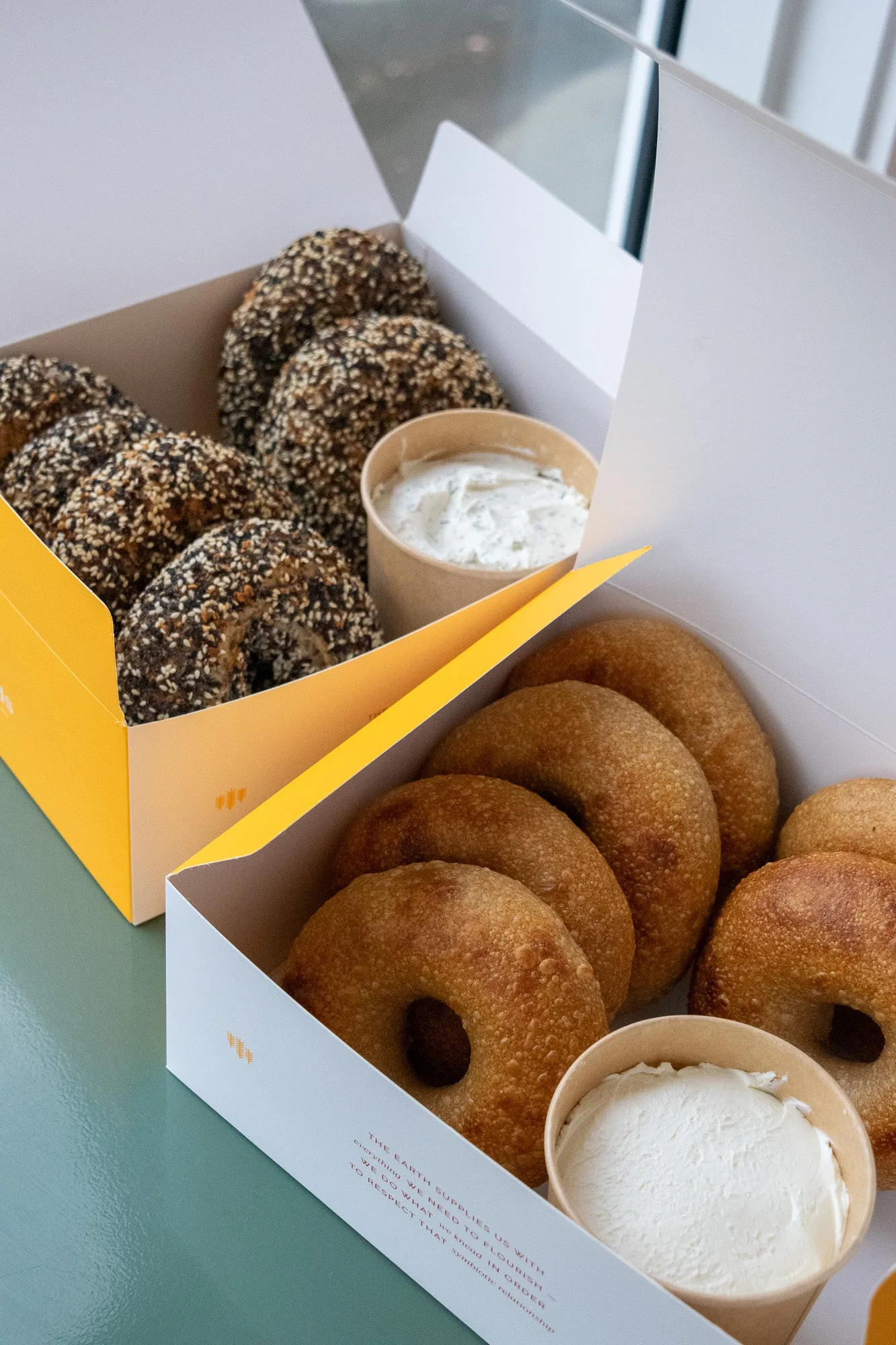
- Sourdough Bagel Box: Includes 6 sourdough plain bagels and 6 sourdough everything bagels, plus plain and herb cream cheese, for 12 servings. A practical breakfast or catering backup that keeps sourdough on the table while a new starter builds strength.
A stalled starter is a signal, not a failure. Check temperature first, then feeding ratio and frequency, and give the culture time to respond. If five days of correct care produce nothing, start fresh and let the bakery bridge the gap while your new starter gains strength.