Quick answer
For a crowd-pleasing party bottle under $15, choose a Prosecco or Cava in Brut or Extra Dry. For a gift or a special dinner, step up to Champagne. If you want a red wine alternative for sweet-tooth guests, a chilled Concord wine like Mogen David works, but it is not a sparkling wine. Match the sweetness label to your food: Brut for savory dishes, Extra Dry for spicy or fruity appetizers.
The three main styles: Cava, Prosecco, and Champagne
Cava comes from Spain and is made using the traditional method, the same technique used for Champagne. This gives it a toasty, citrusy character and fine bubbles, often at a lower price than Champagne. Prosecco comes from Italy and is typically made using the tank method, which preserves fresh fruit flavors like green apple and pear. It tends to have softer, larger bubbles and is meant to be drunk young. Champagne comes from the Champagne region of France and must follow strict production rules, including traditional method aging. This produces complex notes of brioche, almond, and citrus, with a creamy mousse. The trade-off is price: Champagne generally costs more because of its regulated production and aging requirements.
How to read the sweetness scale: Brut vs Extra Dry
The sweetness level on a sparkling wine label is determined by the dosage, a small amount of sugar added after fermentation. Brut is the driest common style, with very low sugar, making it a safe choice for savory foods and cocktails. Extra Dry is actually slightly sweeter than Brut, despite the name, and works well with spicy dishes or fruit-based desserts. Dry and Demi-Sec are progressively sweeter. If you are unsure, Brut is the most versatile for a mixed crowd. For guests who prefer sweeter wines, consider a Demi-Sec or a still sweet red like Mogen David Concord, served chilled.
Price tiers: what you get as you spend more
Under $15, you can find solid Prosecco and Cava that deliver clean fruit and reliable bubbles. These are ideal for mimosas, large gatherings, or casual sipping. From $15 to $40, you enter the territory of better Cava, vintage Prosecco, and entry-level Champagne. Here you get more complexity, finer bubbles, and longer finishes. Above $40, Champagne from established houses offers greater depth, aging potential, and consistency. The trade-off is that beyond a certain point, you are paying for prestige and scarcity as much as flavor. For most parties, a $12–$20 bottle is more than sufficient; save the Champagne for moments when the wine itself is the focus.
Food pairing rules that actually work
Sparkling wine is one of the most food-friendly categories because its acidity cuts through richness. Brut Cava and Champagne pair with fried foods, oysters, and salty cheeses. Prosecco, with its fruit-forward profile, matches well with prosciutto, melon, and light appetizers. Extra Dry styles can handle spicy Asian cuisine or barbecue sauce. For a red wine alternative at a party, a chilled Concord wine like Mogen David offers a sweet, grapey contrast to savory snacks, though it is not sparkling. If you are serving a full meal, consider a still red like Elevation Pinot Noir or Klinker Brick Cabernet Sauvignon for the main course, and pour sparkling for the toast.
Decision rules for buying sparkling wine
- For a large party under $15 per bottle: Choose Prosecco or Cava in Brut or Extra Dry. They offer reliable bubbles and fresh flavors without stressing your budget. Buy a case of Prosecco for mimosas and casual sipping.
- For a gift or romantic dinner: Select a Champagne from a reputable house. Look for Brut for versatility or Blanc de Blancs for elegance. Spend $40–$60 for a noticeable step up in complexity.
- For spicy or sweet-leaning food: Pick an Extra Dry or Demi-Sec sparkling wine. The touch of sweetness balances heat and fruit. Avoid Brut with very spicy dishes unless you want a sharp contrast.
- For guests who dislike dry wine: Offer a chilled Mogen David Concord or a fruity still red like Elevation Pinot Noir as an alternative. Have at least one sweet or fruit-forward option on hand.
Product facts to inform your choice
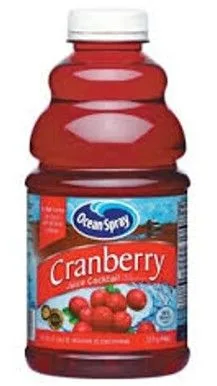
- OCEAN SPRAY CRANBERRY JUICE (32oz): Ocean Spray Cranberry Juice is a 32oz bottle made from the juice of over 650 cranberries, with no added sugar and no artificial flavors. A reliable non-alcoholic mixer for sparkling wine cocktails like mimosas or spritzers, and a good option for guests who prefer no alcohol.
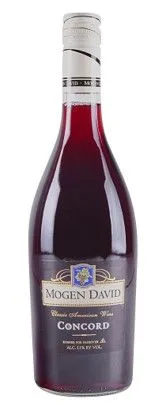
- MOGEN DAVID CONCORD NV, U.S.A.: Mogen David Concord NV is a sweet red wine from the U.S.A. with prominent grapey Concord flavors, best enjoyed chilled. A budget-friendly still red for guests who dislike dry sparkling wine; serve well-chilled as a sweet alternative at parties.
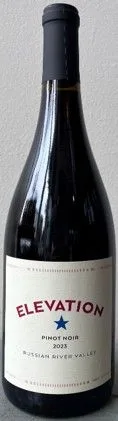
- ELEVATION PINOT NOIR 2023: Elevation Pinot Noir 2023 is a Pinot Noir from the Russian River area with tasting notes of rhubarb, raspberry, cola, and clove, plus elegant earth notes. A versatile red for dinner parties when you want a still wine alongside sparkling; its bright acidity pairs with roasted poultry or salmon.
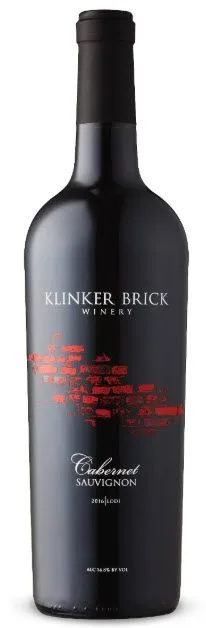
- KLINKER BRICK CABERNET SAUVIGNON 2022, Lodi: Klinker Brick Cabernet Sauvignon 2022 from Lodi offers violet, blackberry, black cherry, cassis, anise, clove, dried fine herbes, and mocha in a silky mouthfeel, and is good with grilled steak, roast leg of lamb, or hearty beef stew. A robust red for main courses when sparkling wine is reserved for the toast; its structure stands up to rich meats.
Who this guide is for
Best for
- Shoppers planning a party or celebration who need a reliable bottle without overspending
- Anyone confused by label terms like Brut, Extra Dry, or traditional method
- Hosts who want to pair sparkling wine with food and need simple rules
Not for
- Collectors seeking vintage Champagnes or investment-grade bottles
- Readers looking for still wine recommendations only
- Those who already know exactly which producer and vintage they want