Quick answer
Most sparkling wine service mistakes come from treating it like still wine. Serve well-chilled, pour gently down the side of the glass, and use a proper stopper to keep leftovers fresh. The right tools and technique matter more than expensive gadgets.
Myth: You Should Pop the Cork for Drama
A loud pop is a sign of warm wine and lost bubbles. The pressure inside a warm bottle is higher, making the cork fly. For safe, better service, chill the bottle thoroughly and twist the cork gently until it releases with a sigh. This preserves carbonation and avoids accidents.
Myth: Sparkling Wine Should Be Served Ice Cold
Over-chilling mutes aromas and flavor. Aim for a champagne serving temperature around 8–10°C (46–50°F) for non-vintage brut, and slightly warmer for vintage or richer styles. A simple rule: take the bottle out of the fridge 15–20 minutes before serving. If you store it in an ice bucket, remove it once it reaches the right chill.
Myth: Any Stopper Keeps Bubbles Fresh
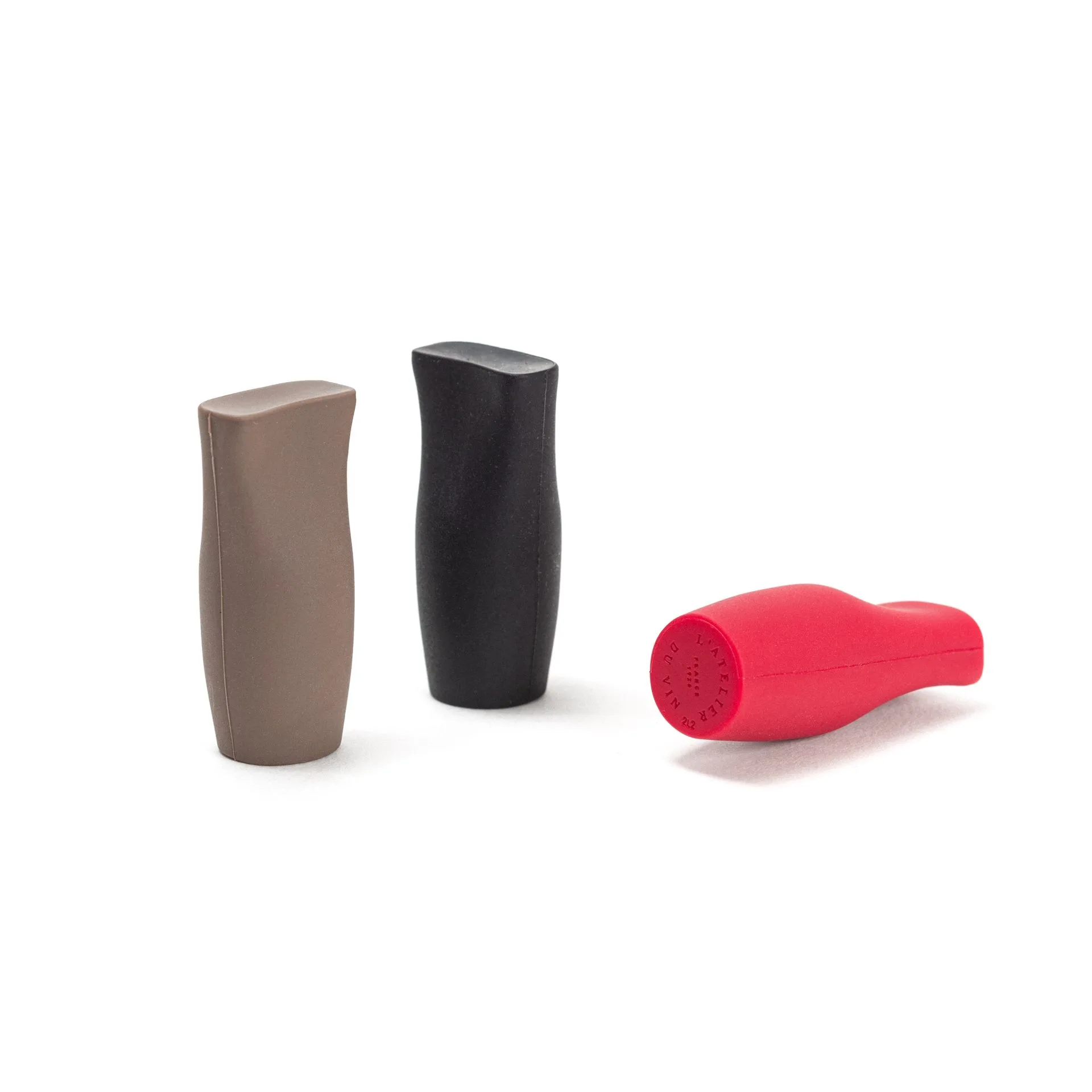
Not all stoppers are equal. For sparkling wine, you need a stopper that creates an airtight seal and can withstand pressure. A universal still-wine stopper may not hold carbonation. For still wines, a simple reusable stopper like the Universal Wine Bottle Stopper works well, but for sparkling wine, look for a specialized champagne stopper. If you want to preserve opened still wines elegantly, Le Bouchon - Black offers a refined solution.
Myth: You Should Pour Straight Into the Center of the Glass
Pouring into the center creates foam and loses bubbles. Instead, tilt the glass and pour slowly down the side. Fill to about one-third full, let the foam settle, then top up to two-thirds. This preserves carbonation and releases aromas gradually.
Myth: You Need a Special Opener for Sparkling Wine
You don't need a corkscrew for sparkling wine—the cork is under pressure. However, a proper sparkling wine opener tool can help you grip the cork safely. For still wines, a good corkscrew is essential, but for sparkling, focus on technique: hold the cork, twist the bottle, and control the release.
Verdicts on Common Sparkling Wine Claims
- Loud pop means good wine: A loud pop indicates warm wine and lost bubbles. Chill thoroughly and twist the cork gently for a quiet release. Myth busted: aim for a soft sigh, not a bang.
- Serve sparkling wine ice cold: Over-chilling hides aromas. Target 8–10°C (46–50°F) for brut, slightly warmer for vintage styles. Myth busted: chill, but don't freeze.
- Any stopper works for sparkling wine: Still-wine stoppers may not hold pressure. Use a specialized champagne stopper for sparkling wine. Myth busted: match the stopper to the wine type.
- Pour straight into the center: Pouring down the side of a tilted glass preserves carbonation and improves aroma release. Myth busted: tilt and pour slowly.
Tools That Support Better Service
- Universal Wine Bottle Stopper | L’Atelier du Vin: Reusable design for repeated use; securely seals opened bottles to help preserve the wine’s character. A practical, low-cost option for still wines, but not suitable for sparkling wine under pressure.
- Le Bouchon - Black - L’Atelier du Vin: Designed to preserve opened bottles of still wines, combining efficiency with elegance. A stylish choice for still wine preservation, but not a replacement for a champagne stopper.
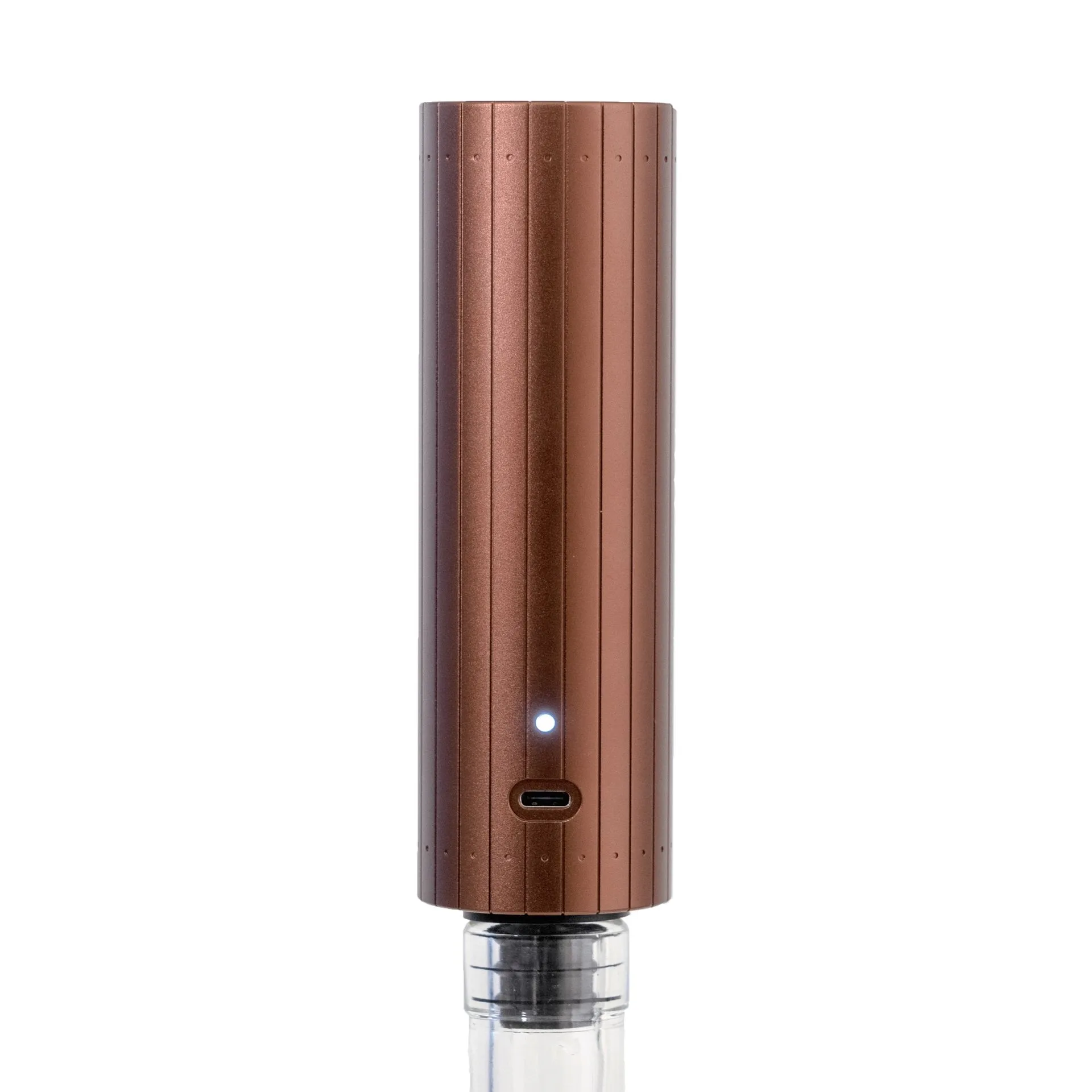
- Gard'Vin On/Off Power Signature electric vacuum pump | L'Atelier du Vin: Electric vacuum pump with automatic air extraction from the wine bottle. Useful for still wines to slow oxidation, but it does not preserve carbonation in sparkling wine.