Quick Answer
Choose speed skates if you flick, track fast targets, or use a control-focused cloth pad. Choose control skates if you micro-adjust, hold angles, or already play on a fast or hard surface. If you are unsure, start with a balanced PTFE skate and adjust from there.
Swapping mouse skates is one of the cheapest ways to change how your aim feels. A faster skate reduces friction so the mouse moves with less effort, while a slower or more controlled skate adds stability for precise stops. The right pick depends less on hype and more on your mousepad, grip, and the way you aim.
This guide gives you concrete decision rules for choosing between speed and control mouse skates. You will also see real product examples from LETHAL.GG so you can compare materials, shapes, and intended use before you buy.
What Speed and Control Actually Mean
Speed refers to how little force is needed to start and keep the mouse moving. Skates with a smoother, harder, or more polished surface glide faster and feel almost frictionless. Control is the opposite: more surface contact or a softer material slows the glide so small movements feel more grounded.
Neither is better in isolation. A fast skate can make tracking and large flicks easier, but it can also make stopping on a precise target harder. A control skate can steady your micro-aim, but it may feel sluggish if you already play on a slow, high-friction pad.
- Speed skates reduce friction and effort, which helps fast tracking and wide swings.
- Control skates add stability and stopping power, which helps micro-adjustments and holding angles.
- Your mousepad is half the equation. A fast skate on a fast pad can become uncontrollable.
Match the Skate to Your Mousepad First
The most common mistake is buying skates without considering the pad underneath. Cloth pads generally offer more friction and control, so a speed-oriented skate can balance them out. Hard or coated pads already glide quickly, so adding a fast skate can push the setup past what your hand can manage.
If you play on a cloth pad and want easier tracking, a speed skate is a sensible upgrade. If you play on a hard pad or a very fast cloth pad, a control-oriented skate will usually give you more consistent stops. Write down your current pad type before you shop.
- Cloth pad plus speed skate equals a balanced, quick setup for most players.
- Hard or fast pad plus speed skate can feel slippery and hard to stop.
- Hard or fast pad plus control skate keeps the glide manageable.
Consider Your Grip and Aim Style
Your grip changes how much downward pressure you apply. Palm and claw grips often press the mouse into the pad, which increases friction and can make a speed skate feel more controlled. Fingertip grip uses lighter pressure, so a fast skate may feel even faster than expected.
Aim style matters too. Players who track moving targets and flick across large distances usually benefit from speed. Players who hold tight angles, make small corrections, or play tactical shooters often prefer control. If you are between the two, a balanced skate is the safer starting point.
- Fingertip grip with light pressure tends to feel faster on any skate.
- Palm or claw grip with more pressure can tame a speed skate.
- Tracking and flicking favor speed; micro-adjusting and holding angles favor control.
Material and Shape Matter More Than Marketing
Most replacement skates are made from PTFE, but the exact formula and edge design change the feel. Pure PTFE with a smooth surface glides quickly, while a micro-curved or rounded edge can add surface contact and control. Thickness also affects how the skate sits in the mouse recess and how much it wears down over time.
Glass skates are a separate category. They use a hard, smooth material that glides very fast and resists wear, but they can be unforgiving on some pads and are not for everyone. If you want a dramatic speed increase and you accept the trade-off in stopping power, glass is worth considering.
- Pure PTFE usually gives a fast, consistent glide.
- Micro-curved or rounded edges can add control without feeling slow.
- Glass skates are fast and durable but less forgiving for precise stops.
How to Test Without Wasting Money
Before buying, check whether your current skates are worn. Scratches, flat spots, or a rough feel can make any skate slow and inconsistent. Replacing worn skates often restores the original glide, which may already be the speed you want.
If you still want a change, buy one set and test it for a week in your main game. Keep notes on tracking, stopping, and comfort. If the glide feels too fast, switch to a control-oriented skate or a slower pad. If it feels too slow, go the other way. Small changes are easier to judge than a full overhaul.
- Replace worn skates first; worn PTFE can feel like a control skate even when it is not.
- Test one change at a time so you know what caused the difference.
- Give new skates a few days of play before deciding.
Decision Rules for Speed vs Control
- If you play on a cloth pad and want easier tracking: Choose a speed-oriented skate or a smooth pure PTFE set. The cloth pad adds friction, so the skate can be faster without becoming uncontrollable. Start with speed if your pad is cloth and your aim feels sluggish.
- If you play on a hard or fast pad and struggle to stop: Choose a control-oriented skate with more surface contact or a micro-curved design. This adds stability without forcing you to change your pad. Control is the safer pick on fast surfaces.
- If you use fingertip grip with light pressure: Be cautious with very fast skates. Light pressure means less friction, so a speed skate can feel slippery. A balanced or control skate may suit you better. Light grip plus fast skate equals less control.
- If you want the longest-lasting option: Consider glass skates. They resist wear far longer than conventional PTFE, but they are very fast and less forgiving for precise stops. Durability and speed come together in glass, but control does not.
- If you are unsure: Buy a balanced PTFE skate with rounded or micro-curved edges. Test it for a week in your main game before making another change. Balanced first, then adjust one variable at a time.
Product Facts to Compare
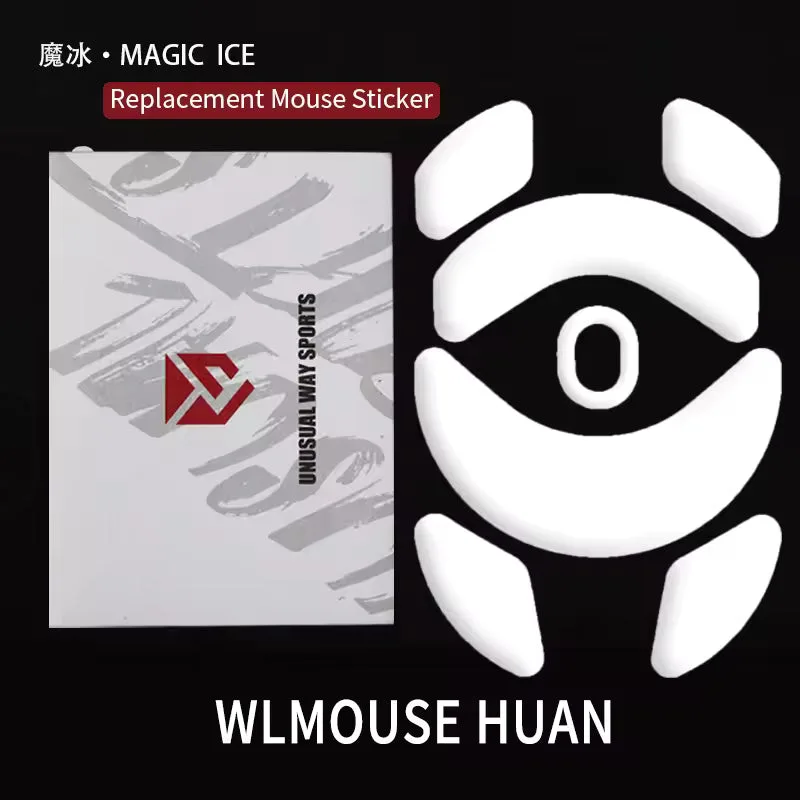
- Magic Ice - WLMOUSE Huan: Unusual Way Sports are premium replacement mouse skates designed to enhance both comfort and precision during gameplay. They work perfectly as a replacement for worn-out skates or as an upgrade for users seeking smoother glide and lower friction. Thanks to precise manufacturing, they deliver an exceptionally smooth glide, improving control and responsiveness in-game. The rounded edges help prevent scratching on the pad. A good all-round pick if you want smoother glide and lower friction without jumping to a pure speed skate. The rounded edges reduce the chance of scratching your pad.
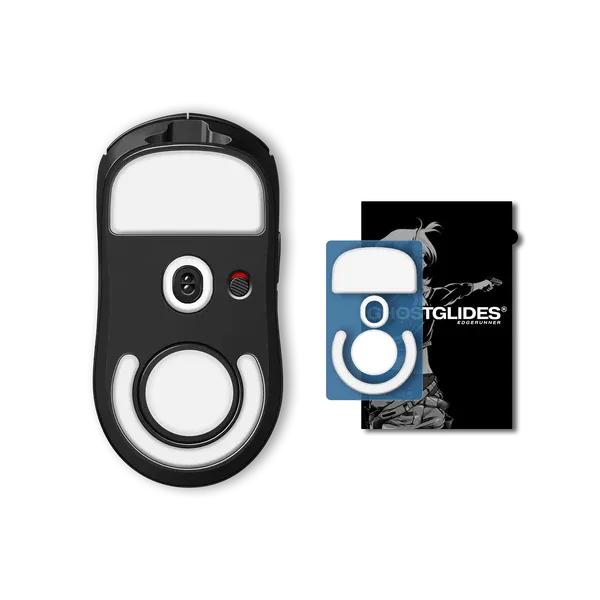
- https://lethalepo.com/products/ghostglides-edgerunner-logitech-gpx2-dex-6cddfca3ff6776f1fbefb0f8-1742911EDGERUNNER LOGITECH G PRO X SUPERLIGHT 2 DEX: Made from the highest quality PTFE featuring a unique micro-curve design that delivers a natural and flatter experience with increased surface contact that provides the perfect balance between speed and control. No over exaggerated curves, no uncontrollable speed. A balanced option for players who want more control than a pure speed skate but still need easy movement. The micro-curve design adds surface contact for stability.
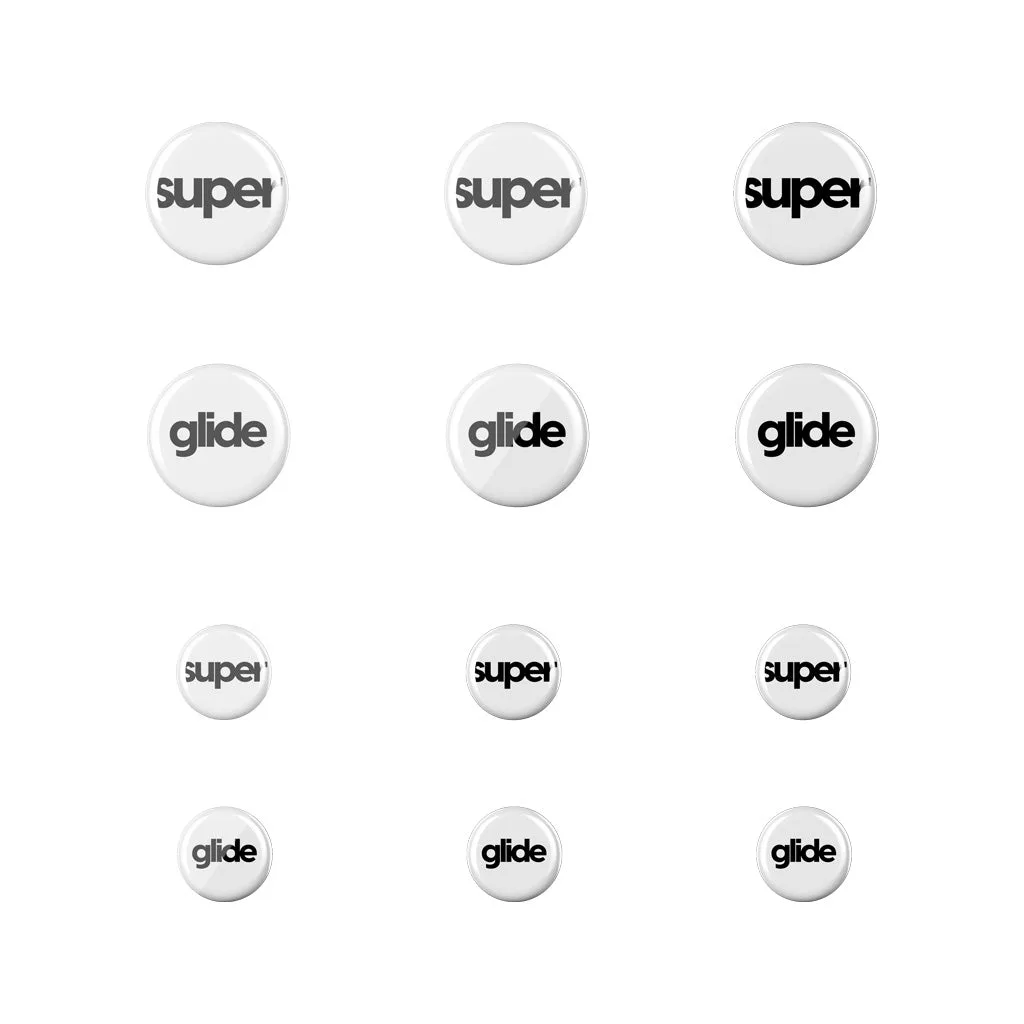
- Glass Skates (Type-C) Universal Dot 6mm + 9mm (12pcs): Super-fast and super-smooth mouse skate made with super-strong aluminosilicate glass. Gives you a big advantage of micro aiming and tracking. Feels like floating. It also will not wear fast like conventional PTFE feet, you can almost use it permanently. Best for players who want maximum speed and durability. The trade-off is less stopping friction, so it suits fast tracking more than precise control.
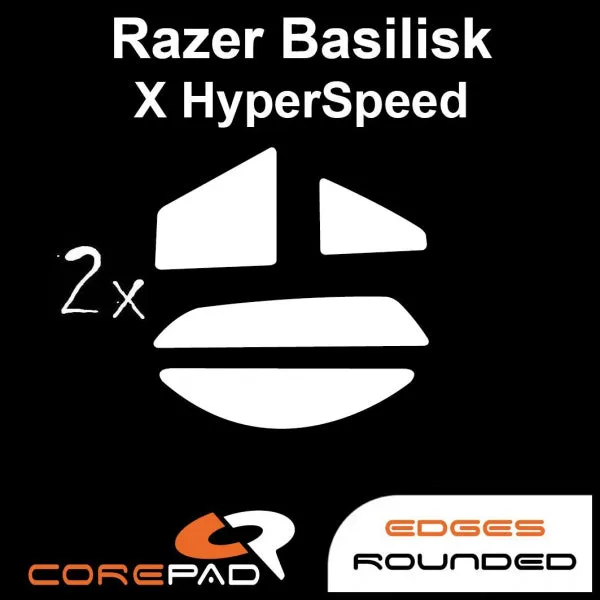
- Corepad Skatez - Razer Basilisk X Hyperspeed: 1 pack contains 2 sets of Skatez. Corepad Skatez consists of 100% pure quality PTFE. Corepad Skatez use high-quality 3M adhesive. Thickness: 0.75mm. A straightforward pure PTFE replacement with two sets in the pack. The 0.75mm thickness is a useful reference if you are comparing against your current skates.
Who Should Choose Which
Best for
- Players who track fast targets and flick across large distances
- Cloth pad users who want smoother glide and less effort
- Anyone replacing worn-out skates and wanting a noticeable refresh
Not for
- Players on hard or very fast pads who need more stopping power
- Fingertip grippers with very light pressure who already feel unstable
- Anyone who wants a single skate to fix aim without adjusting pad or grip
Pick your skate based on your pad and grip first, then decide how much speed or control you actually need. A balanced PTFE skate is the safest starting point, and you can move toward speed or control once you know which way your aim leans.