Quick answer
Choose a speedlight if you need a compact, battery-powered light that travels easily and supports TTL automation, such as the Godox V1 Pro for Sony, Canon, or Fuji. Choose a studio strobe or monolight when you want more power, faster recycling, and consistent output for controlled portrait or product sessions, like the amaran Ray 660c. Many photographers eventually own both: a speedlight for run-and-gun work and a strobe for the studio.
Power and light shaping: what actually changes on set
A speedlight concentrates a small flash tube into a compact head, so it works best bare, bounced, or through lightweight modifiers. A studio strobe spreads more energy and pairs naturally with large softboxes, parabolic umbrellas, and fresnel attachments. If you plan to shoot through a 100cm parabolic umbrella at a distance, a speedlight will struggle to fill it evenly, while a strobe has the headroom to do so. The trade-off is that strobes need AC power or heavy battery packs and are not pocketable.
TTL and manual control: matching the tool to your workflow
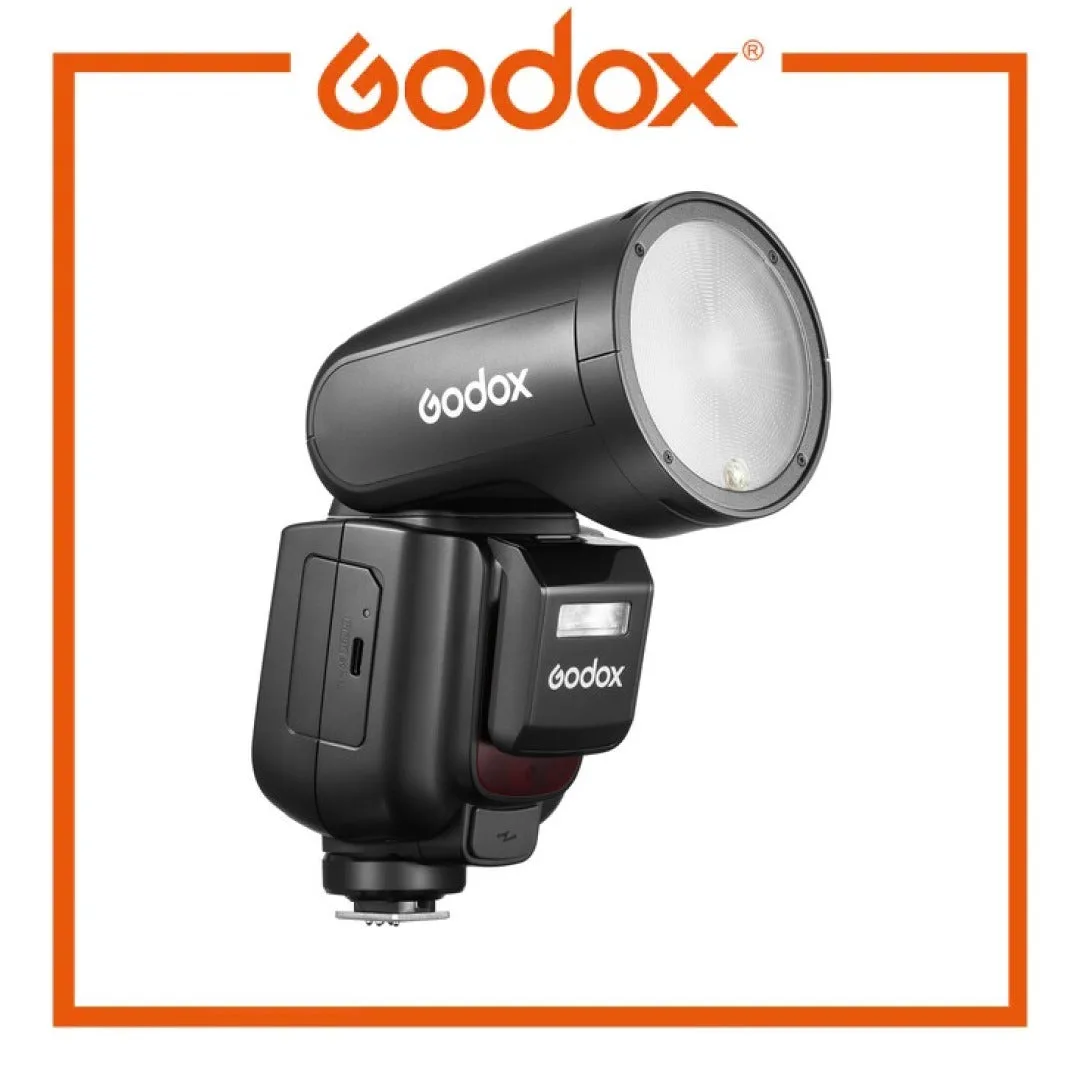
TTL speedlites like the Godox V1 Pro adjust flash power automatically based on the camera's metering, which is useful for events and fast-moving subjects. Studio strobes are typically manual-only, so you set power in fractions and adjust with a light meter or test frames. Manual strobes give repeatable output shot after shot, which matters for product photography and multi-light portrait setups. The trade-off is speed versus consistency: TTL is faster to set up but can drift between frames, while manual is slower to dial in but stays put.
Modifiers and mounting: the hidden compatibility question
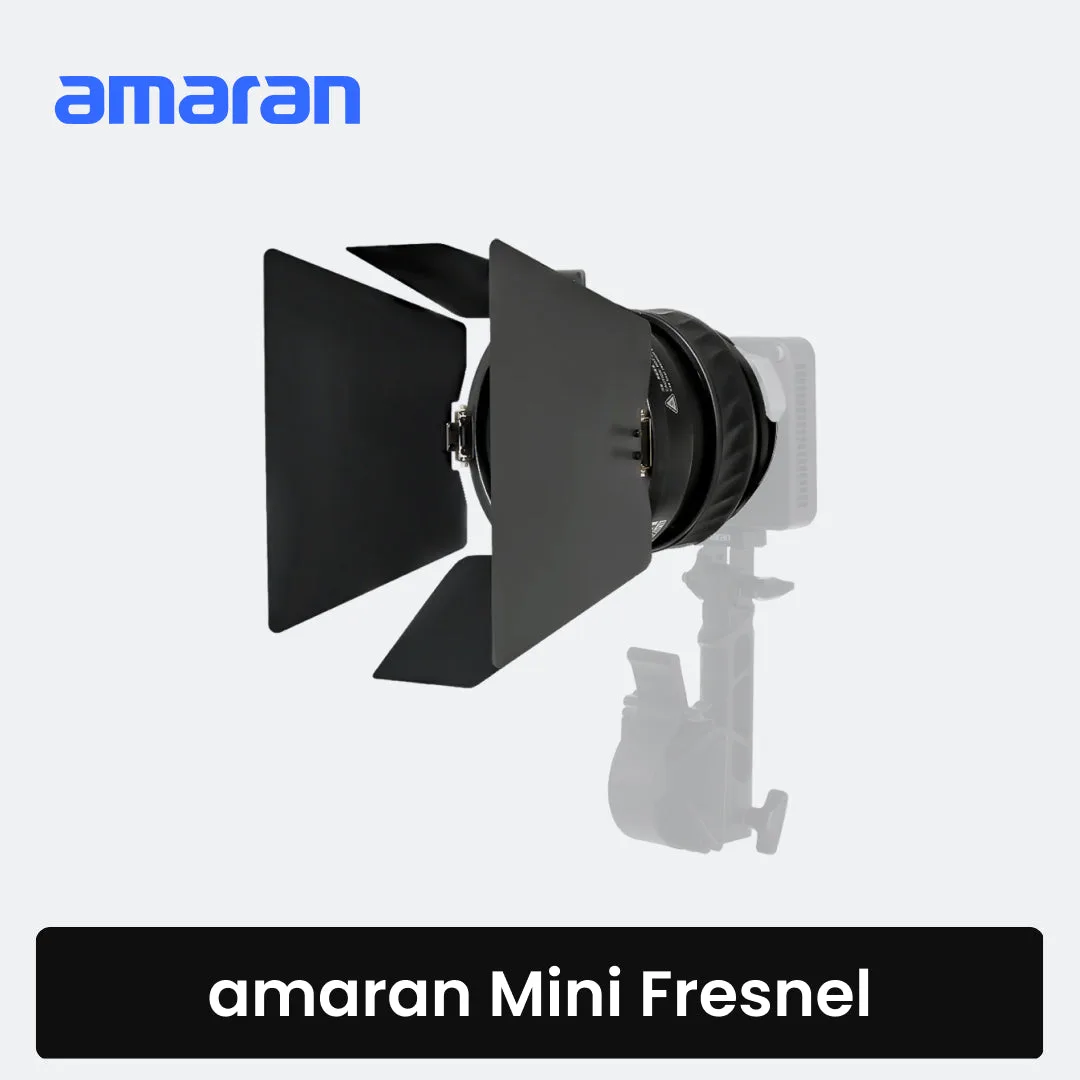
Speedlights use small proprietary mounts or brackets, so modifiers are limited to speedlight-specific softboxes, gels, and reflectors. Studio strobes often use Bowens mount, which opens up a huge range of softboxes, fresnels, and umbrellas. For example, the amaran Mini Fresnel is a Bowens Mount attachment designed for the amaran Ray 60c and 120c, boosting output up to 23,790 lux and 42,600 lux at 1m respectively. If you already own Bowens-mount gear, a strobe or monolight will integrate more cleanly than a speedlight.
Portability and power sources: where each light wins
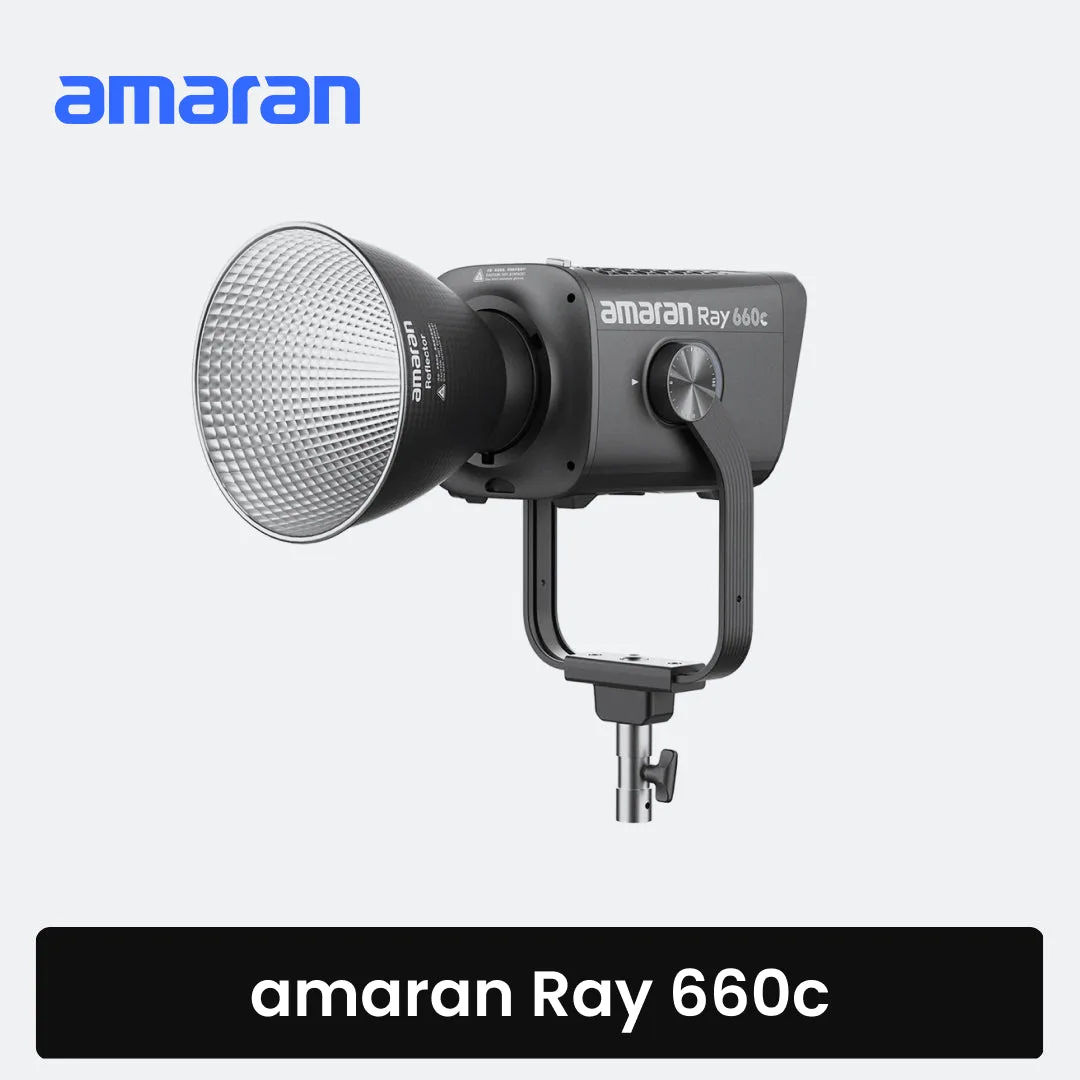
Speedlights run on internal batteries or Li-ion packs, so you can shoot all day without a wall outlet. The Godox V1 Pro uses a Li-ion battery and supports HSS up to 1/8000s, which helps when you want to overpower ambient light outdoors. Studio strobes like the amaran Ray 660c are monolight-style and powered by a single AC cable, so they stay put in the studio but need reliable power. The trade-off is freedom versus sustained output: speedlights travel anywhere but recycle slower at high power, while strobes deliver consistent power but tether you to a power source.
Key trade-offs at a glance
- Portability vs power: Speedlights are small and battery-powered, so they travel easily but have limited output for large modifiers. Studio strobes deliver more power but need AC power or heavy battery packs. Pick a speedlight if you shoot on location; pick a strobe if you shoot in a fixed studio.
- TTL convenience vs manual consistency: TTL speedlites adjust automatically for changing light, while manual strobes give repeatable output frame after frame. Events favor TTL; product and portrait sessions favor manual control.
- Modifier ecosystem vs compact simplicity: Studio strobes often use Bowens mount, opening up fresnels, softboxes, and parabolic umbrellas. Speedlights rely on smaller proprietary mounts and dedicated accessories. If you already own Bowens-mount gear, a strobe integrates faster; if you want a one-bag kit, a speedlight is simpler.
Products that illustrate the trade-offs
- Godox V1 Pro Speedlight TTL HSS 1/8000s Li-ion Battery Speedlite Flash: TTL speedlite flash with HSS up to 1/8000s, Li-ion battery power, and versions for Sony, Canon, and Fuji. A good fit when you need on-camera TTL, high-speed sync for outdoor portraits, and battery-powered portability.
- amaran Ray 660c RGB LED Monolight: 660W full-color Bowens Mount COB monolight with an all-in-one design powered by a single AC cable. A studio-oriented option when you want more power, color control, and compatibility with Bowens-mount modifiers.
- amaran Mini Fresnel for amaran Ray 60C & 120C: Ultra-compact Bowens Mount fresnel for amaran Ray 60c & 120c with up to 6x output boost and 15° to 30° spot-flood range. Shows how Bowens-mount accessories can shape and intensify strobe output, something speedlights cannot match easily.
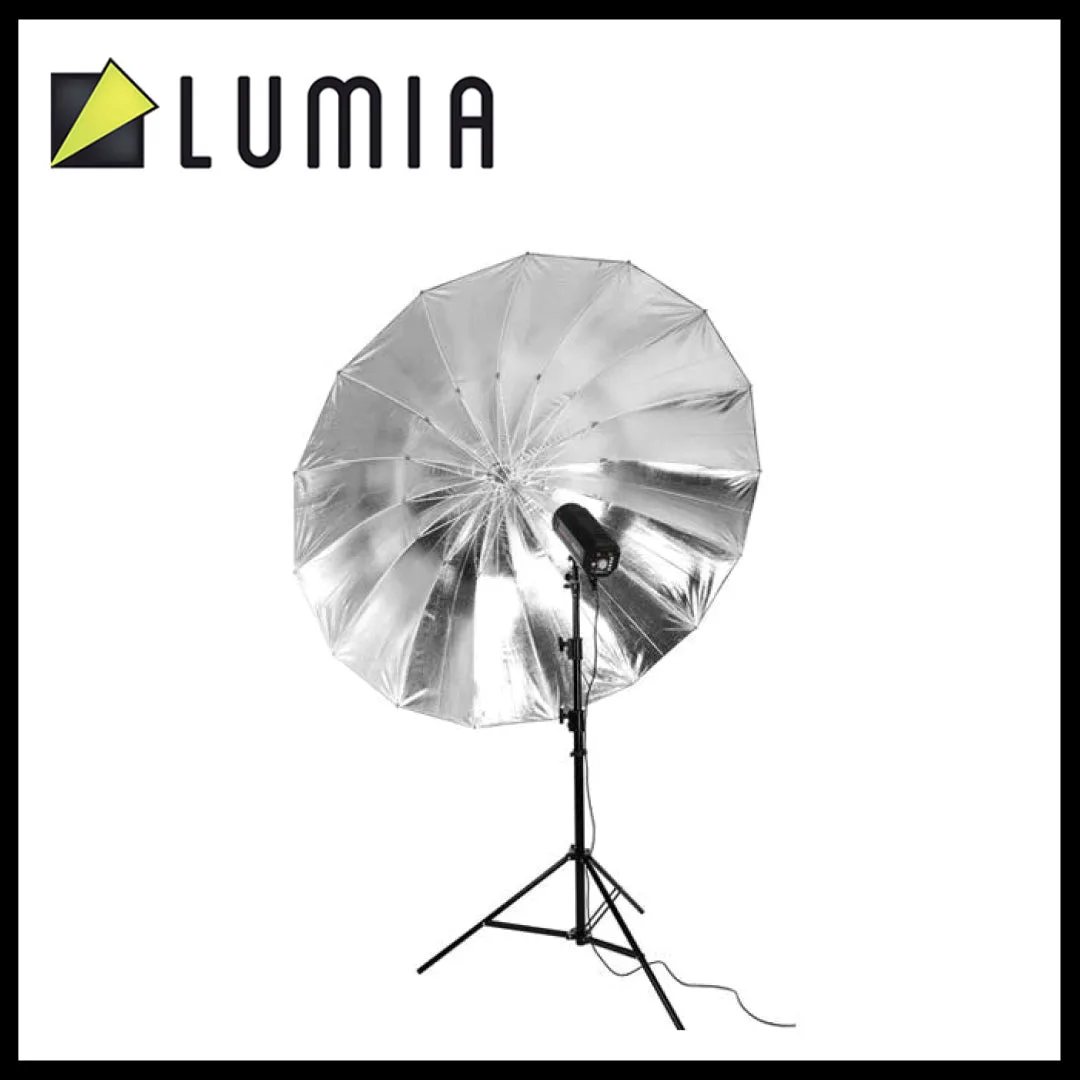
- Lumia Silver Reflective Parabolic Umbrella for Studio Photography Lighting Modifier 100cm 40 inch: 100cm silver reflective parabolic umbrella with a focused but soft beam and higher light output than a softbox. A low-cost modifier that works well with strobes to shape directional light for portraits and product shots.
Which flash fits your work?
Best for
- Photographers who need a portable, TTL-capable flash for events, weddings, or outdoor portraits
- Beginners who want one light that works on-camera and off-camera without a power outlet
- Sony, Canon, or Fuji shooters who want high-speed sync up to 1/8000s
Not for
- Studio photographers who need maximum power for large softboxes or parabolic umbrellas
- Product shooters who require repeatable manual output and fast recycling
- Anyone who wants to use Bowens-mount fresnels or heavy modifiers without adapters