Quick Answer
Spelt flour works in most everyday baking, but it absorbs more water and has a more fragile gluten structure than wheat flour. Start by swapping 25–50% of your wheat flour for spelt, add extra liquid a tablespoon at a time, and mix gently. Whole grain spelt brings a nutty, slightly sweet flavor and a denser crumb — that is the trade-off, not a failure.
Spelt flour is not a drop-in replacement for wheat flour, but it is not a fragile specialty ingredient either. It behaves like a softer, thirstier relative of whole wheat: it drinks more liquid, builds gluten that stretches easily but breaks sooner, and tastes distinctly nutty. Once you know those three differences, everyday baking with spelt becomes routine.
This FAQ covers the questions that come up most often — substitution ratios, hydration, kneading, and where spelt genuinely improves a bake versus where it just changes it. If you already keep whole grain spelt flour in your pantry, most of these answers apply directly to your next loaf, batch of scones, or tray of cookies.
How much spelt flour can I substitute for wheat flour?
For a first attempt, replace 25% of the wheat flour in a recipe with spelt and keep everything else the same. That is enough to taste the difference without wrecking structure. Once you are comfortable, push to 50% in muffins, pancakes, cookies, and quick breads, where gluten development matters less.
In yeast breads, stay closer to 25–30% unless you are prepared to adjust hydration and kneading. Spelt gluten is more extensible than wheat gluten, so a dough that is 100% spelt will feel slack and can tear during shaping. Blending gives you the flavor and some of the nutrition of whole grain spelt while keeping an open, well-risen crumb.
- Quick breads, muffins, cookies: up to 50% spelt works well
- Yeast breads and pizza: start at 25–30% and adjust from there
- 100% spelt: possible, but expect a denser crumb and gentler handling
Does spelt flour need more water than wheat flour?
Yes. Whole grain spelt absorbs more liquid than refined wheat flour, largely because the bran and germ are still present and soak up water. A dough that looks dry at first can become soft after a 20-minute rest, so resist the urge to add water immediately.
A practical method: mix your dough, cover it, and wait 20 minutes. Then check the texture. If it still feels stiff or shaggy, add water one tablespoon at a time until the dough comes together. This rest-and-check approach prevents the over-hydration that makes spelt dough sticky and hard to shape.
- Mix, rest 20 minutes, then evaluate before adding more liquid
- Add water one tablespoon at a time — spelt goes from dry to sticky quickly
- Expect higher absorption in 100% whole grain spelt than in white spelt flour
Do I need to knead spelt dough differently?
Knead spelt less and more gently than wheat. Its gluten forms quickly but has less elasticity, so extended kneading can actually weaken the dough and make it feel slack. In a stand mixer, use the lowest speed and stop as soon as the dough is smooth and cohesive.
For bread, stretch-and-fold works better than traditional kneading. Do three or four sets of folds spaced 20–30 minutes apart during the first rise. This builds strength without overworking the gluten, and it is easier to feel when the dough has had enough.
- Stop kneading when the dough is smooth, not when a timer says so
- Use stretch-and-folds for yeast breads instead of long kneading
- If the dough starts feeling greasy or slack, stop — it is overworked
What does spelt flour change in flavor and texture?
Whole grain spelt adds a nutty, slightly sweet flavor that reads as more complex than standard whole wheat. It also produces a denser, more tender crumb in cakes and muffins, and a slightly chewier crust in bread. These are consistent traits, not variables you need to troubleshoot.
What spelt does not change: it will not make a lean dough rise like a high-protein bread flour, and it will not give you the same light, airy structure as refined wheat. If your goal is a tall, open-crumb loaf, blend spelt with bread flour rather than using it alone.
- Expect nutty, slightly sweet flavor — strongest in whole grain spelt
- Cakes and muffins: more tender, slightly denser crumb
- Breads: chewier crust, tighter crumb, less oven spring than wheat
Which baked goods work best with spelt flour?
Spelt shines in recipes where a tender, slightly dense texture is welcome: scones, muffins, pancakes, quick breads, cookies, and rustic tarts. It also works well in pie crusts, where its lower gluten strength helps keep the crust from turning tough.
For yeast breads, spelt is best in blends — a 30% spelt sandwich loaf or a 50% spelt pizza dough gives you flavor without sacrificing structure. If you are baking a recipe that depends on a very light crumb, such as brioche or a delicate sponge cake, keep spelt to a minor role or skip it.
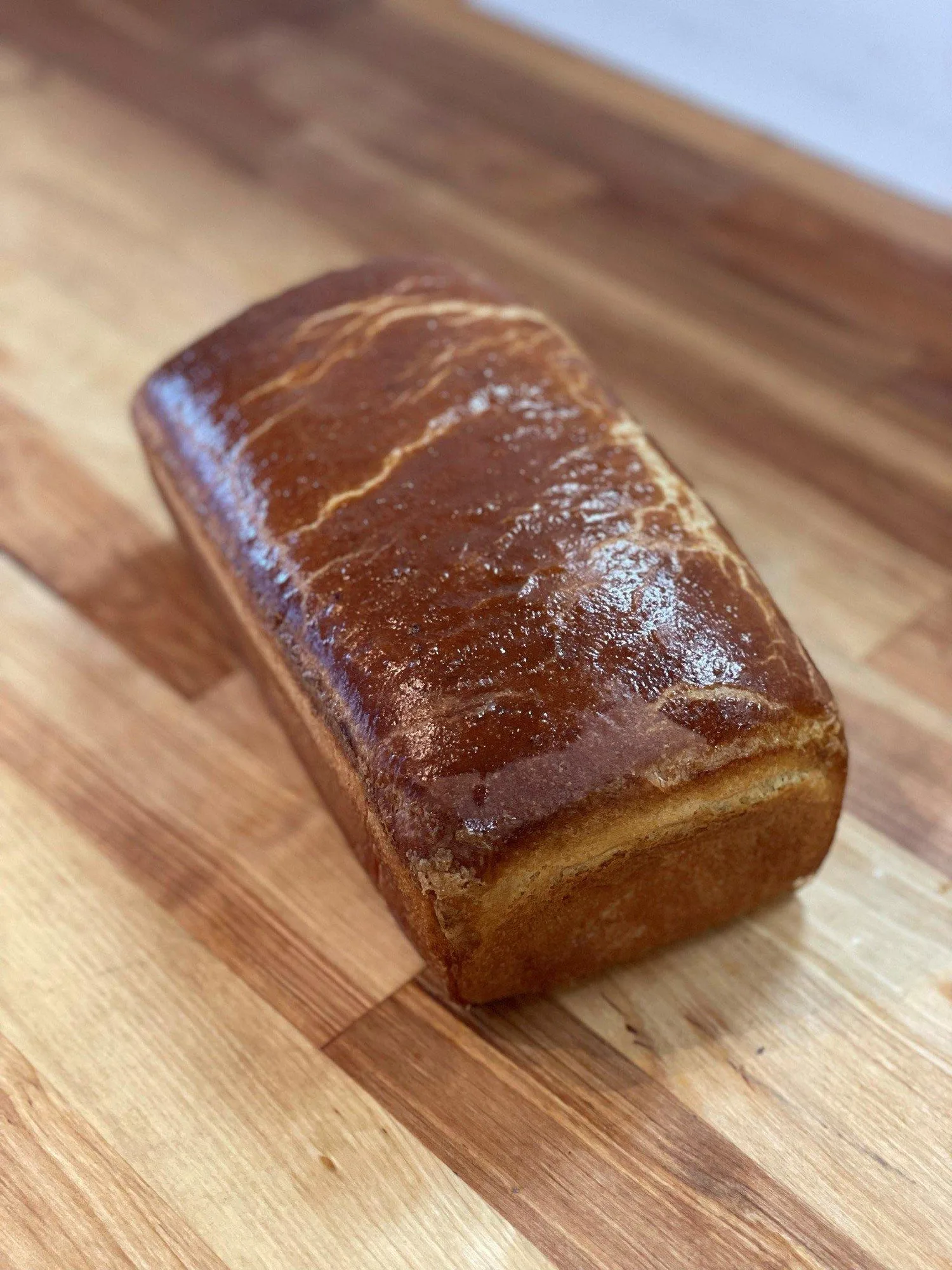
brioche
- Best fits: scones, muffins, pancakes, cookies, pie crust, rustic breads
- Use blends for sandwich bread, pizza, and enriched doughs
- Avoid 100% spelt in recipes that need a very light, airy crumb
Can I use spelt flour in sourdough?
Yes, and it ferments faster than wheat. Spelt's weaker gluten and higher enzyme activity mean the dough can go from well-risen to over-proofed quickly, especially in a warm kitchen. Shorten bulk fermentation or use cooler temperatures to stay in control.
A reliable starting point is a 30–50% spelt blend in your standard sourdough recipe. Keep your starter feeding schedule the same, watch the dough rather than the clock, and shape gently. If the dough feels fragile, a cold retard in the fridge overnight will firm it up and make scoring easier.
- Ferment spelt blends faster than all-wheat dough — check every 30 minutes
- Cold retard overnight to firm up slack dough before baking
- Score gently; spelt crusts can tear if the dough is over-proofed
Spelt Baking Quick Reference
Substitution ratio
Replace 25–50% of wheat flour with spelt in most recipes; start at 25% for yeast breads and up to 50% for quick breads and cookies. Blend first, go 100% only when you accept a denser crumb.
Hydration check
Mix the dough, rest 20 minutes, then add water one tablespoon at a time until it comes together. Spelt absorbs more liquid than wheat — but it also goes sticky fast.
Kneading and fermentation
Knead gently or use stretch-and-folds, and expect spelt blends to ferment faster than all-wheat dough. Watch the dough, not the timer, and retard overnight if it feels slack.
Pantry and Packaging Facts
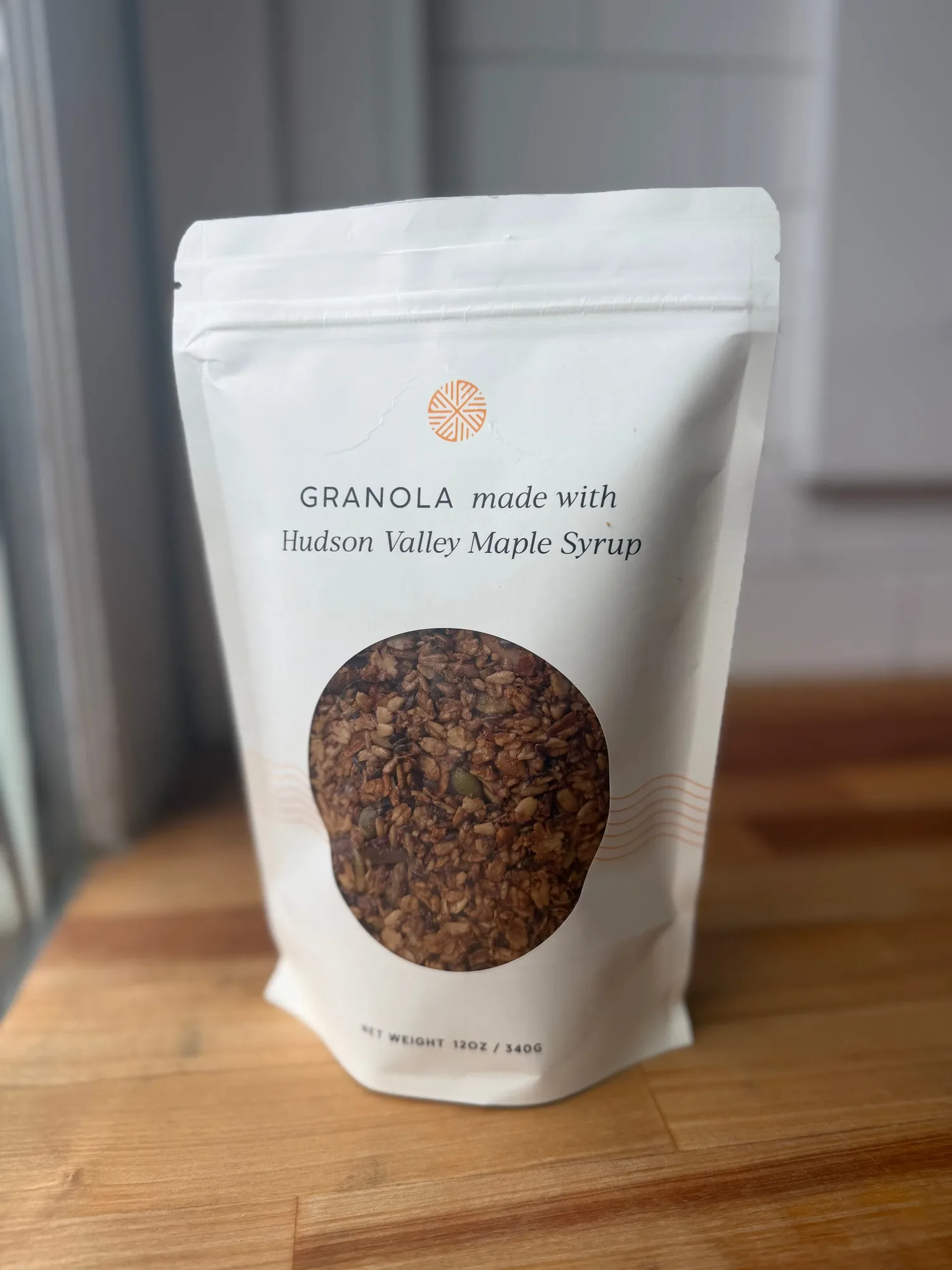
- Granola: Kneads Granola is a bakery-style blend of rolled oats, maple syrup, walnuts, almonds, cranberries, pumpkin seeds, flax seeds, and sunflower seeds, packaged in a 12 oz size. A useful reference point for what a whole grain, seed-forward blend tastes like — the same nutty, slightly sweet profile that whole grain spelt brings to baked goods.
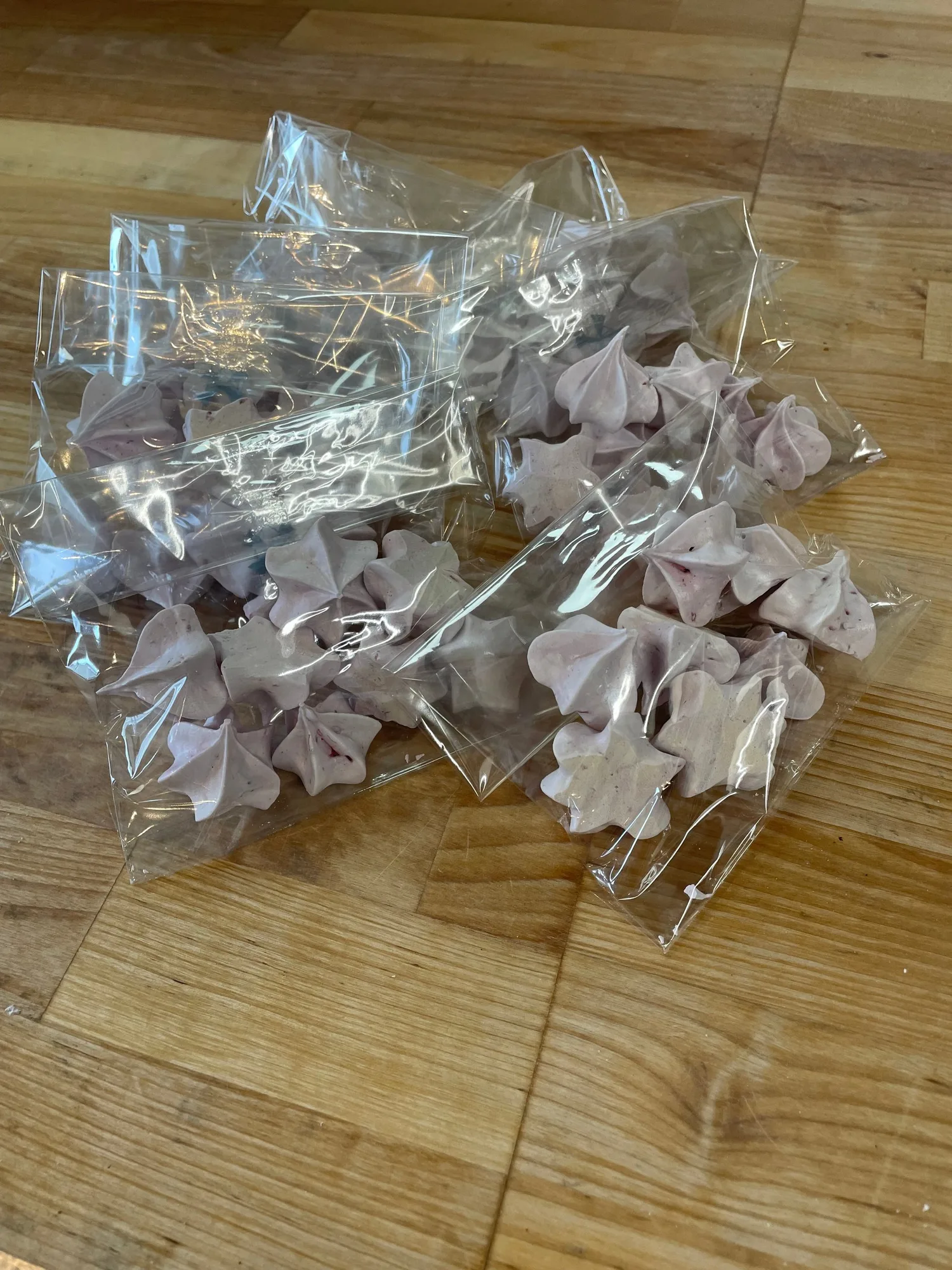
- Raspberry Meringues 18 pk: Raspberry Meringues 18 pk is a packaged meringue treat offered in an 18-piece count and tagged CommissaryRetail and Wholesale-Only. Meringues are naturally gluten-free, so they are a practical option when you are baking with spelt for some items and need a wheat-free counterpart for the same table.
Spelt flour changes hydration, gluten behavior, and flavor — not your ability to bake well. Start with a partial substitution, rest the dough before adjusting liquid, and handle it more gently than wheat. The nutty flavor and tender crumb are worth the small adjustments, especially in scones, muffins, and rustic breads.