Quick Answer
For running, choose a snug boxer brief with moisture-wicking fabric and a supportive pouch. For cycling, opt for a liner with padding if needed, or a seamless brief to avoid chafing. For hiking, prioritize breathability and odor control, especially on multi-day trips.
Whether you're hitting the pavement, the trails, or the saddle, the right underwear can make or break your workout. Chafing, bunching, and discomfort can turn a great session into a miserable one. That's why choosing sports-specific underwear is just as important as your shoes or shorts.
In this guide, we break down what to look for in underwear for running, cycling, and hiking. We'll cover key features, fit considerations, and how BN3TH's lineup can keep you comfortable and supported during any activity.
Running: Prioritize Moisture Management and Support
Running generates heat and sweat, especially in the groin area. The best underwear for running should wick moisture away from the skin to prevent chafing and keep you dry. Look for synthetic fabrics like polyester or blends with spandex for stretch and recovery. Avoid cotton, which absorbs sweat and stays wet, leading to discomfort and potential skin irritation.
Support is also crucial. A supportive pouch that lifts and separates can reduce friction and keep everything in place during high-impact movements. Boxer briefs with a snug fit and longer legs prevent ride-up and provide muscle support. Consider a flyless design for a smoother surface and less bulk.
- Choose moisture-wicking fabrics like recycled polyester or TENCEL Modal.
- Opt for a snug fit to minimize movement and chafing.
- Consider longer legs for thigh chafing prevention.
Cycling: Focus on Seamless Construction and Padding
Cycling involves prolonged pressure and friction in the saddle area. If you're wearing padded cycling shorts, you may not need extra underwear—many liners are designed to be worn without. However, if you prefer underwear, choose a seamless or flat-seam design to prevent chafing from seams rubbing against the saddle.
For mountain biking or long rides, consider a liner with built-in padding. BN3TH offers liners with chamois that provide cushioning and reduce pressure points. If you're not using padded shorts, a supportive brief with a smooth front can help prevent numbness and discomfort.
- Wear padded cycling shorts without underwear for long rides.
- If wearing underwear, choose seamless or flat-seam styles.
- Consider a liner with padding for mountain biking.
Hiking: Balance Breathability and Odor Control
Hiking often involves extended periods of activity, varying temperatures, and limited access to laundry. Underwear for hiking should be breathable to prevent overheating and quick-drying for stream crossings or sweat. Natural fibers like TENCEL Modal offer softness and breathability, while synthetic blends provide durability and moisture-wicking.
Odor control becomes important on multi-day treks. Some fabrics have antimicrobial properties, but even without them, choosing quick-drying materials can reduce bacteria growth. Also, consider the fit: a brief or trunk with a supportive pouch works well under hiking pants or shorts, providing freedom of movement without excess fabric.
- Choose breathable, quick-drying fabrics.
- Look for flat seams to avoid chafing under a backpack waistbelt.
- Consider a longer leg for chafing prevention on long descents.
Decision Rules for Sports Underwear
- Activity Type: Match underwear to the demands of your sport. Running needs moisture-wicking and support; cycling benefits from seamless or padded options; hiking requires breathability and odor control. Identify your primary activity and prioritize its key features.
- Sweat Level: High-sweat activities like running or hot-weather hiking demand synthetic fabrics like recycled polyester that wick and dry fast. Low-sweat activities can use natural fibers like TENCEL Modal for comfort. Choose fabric based on expected perspiration.
- Fit and Length: A snug fit prevents chafing and bunching. Longer legs (boxer briefs) offer thigh support and prevent ride-up, while trunks provide more freedom. Briefs are minimal and work well under tight cycling shorts. Select leg length based on your activity and personal comfort.
BN3TH Products for Sports
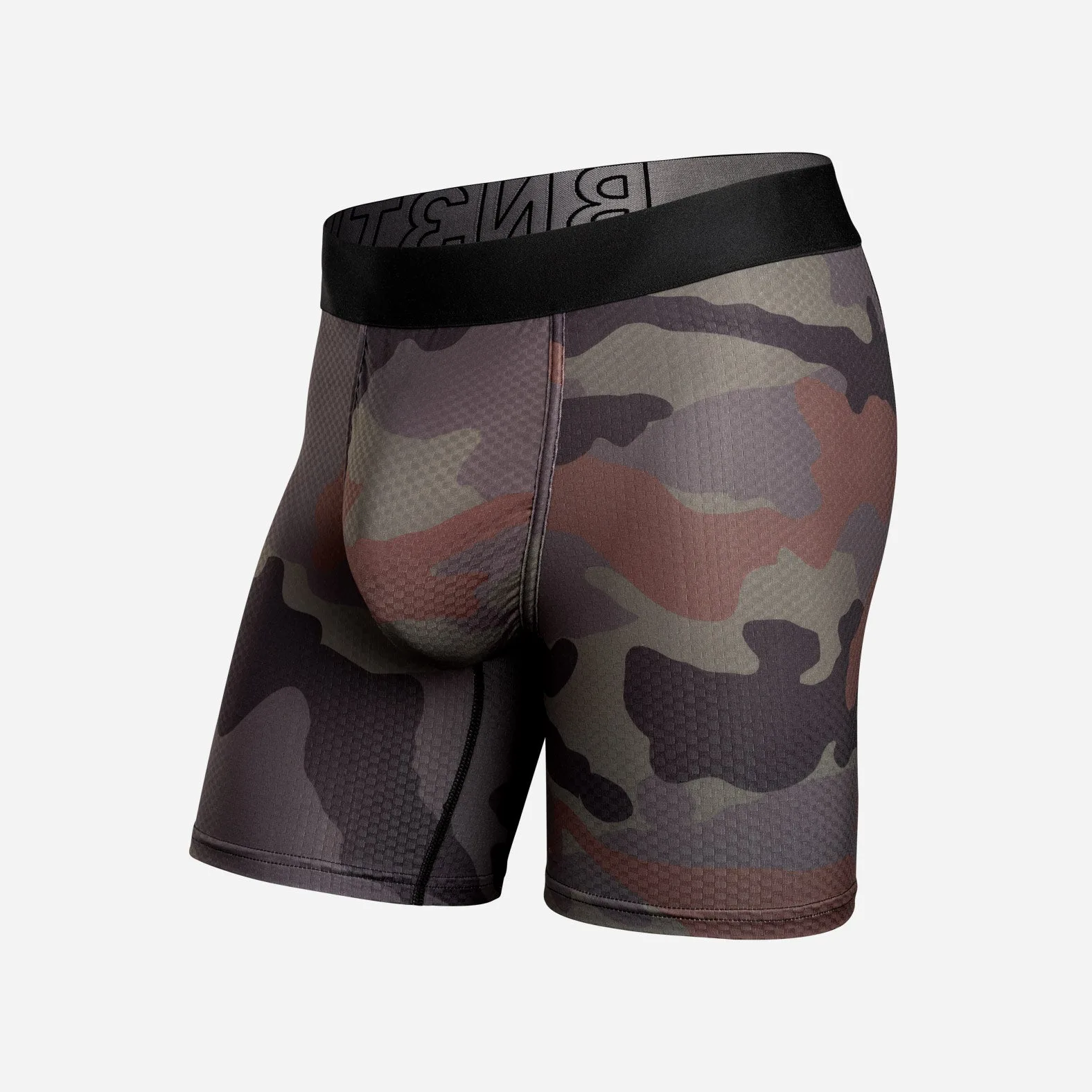
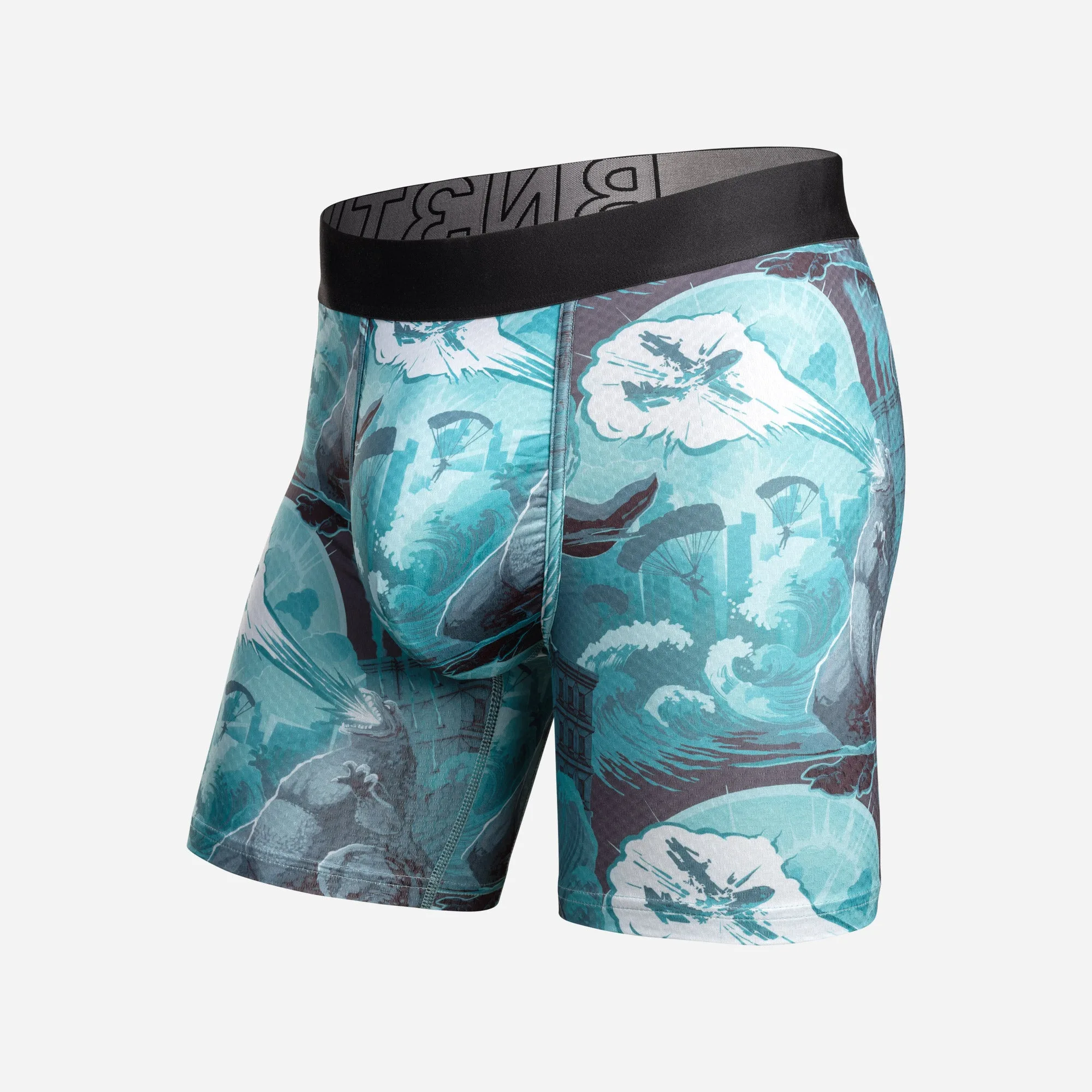
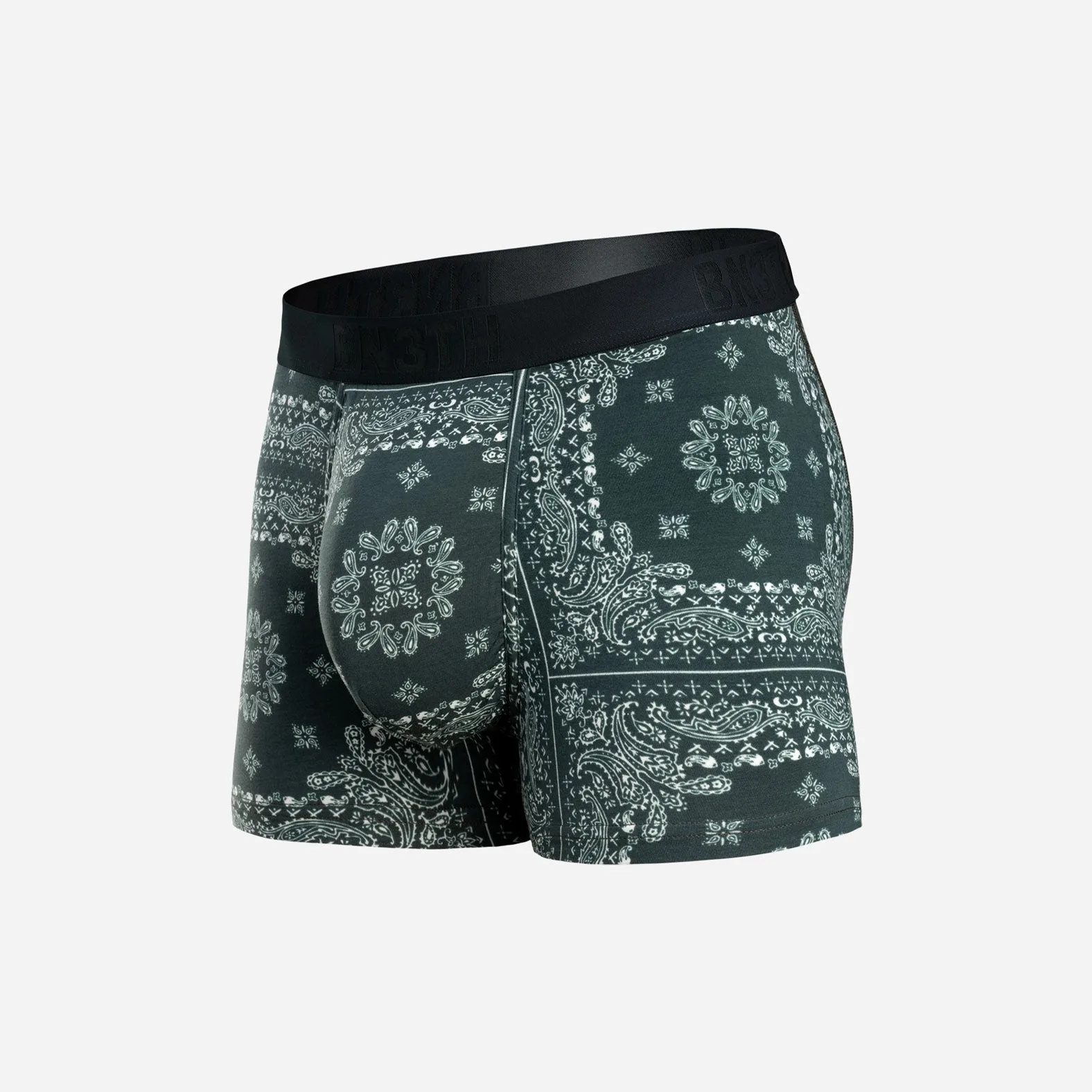
- https://bn3thdxzy.com/products/entourage-boxer-brief-black-22cc2b346d404aa462ed2a11-989258https://bn3thdxzy.com/products/agua-x-boxer-brief-godzilla-canton-98278b25999057d0f9eac11b-989219Pro Agua X Boxer Brief: Black: This active Boxer Brief base layer features The Original 3D Pouch and offers a snugger feel with a thicker waistband that’s perfect for watersports and those with an active lifestyle. The breathable mesh is optimal for men who require both support and air flow. Plus, they're made from 100% post-consumer recycled plastic bottles so you can feel good about feeling good. Fabric: 90% Recycled Polyester, 10% Spandex The snugger fit and breathable mesh make it ideal for high-sweat activities like running or hiking in warm weather. The recycled polyester wicks moisture and dries quickly, while the thicker waistband stays put during movement.
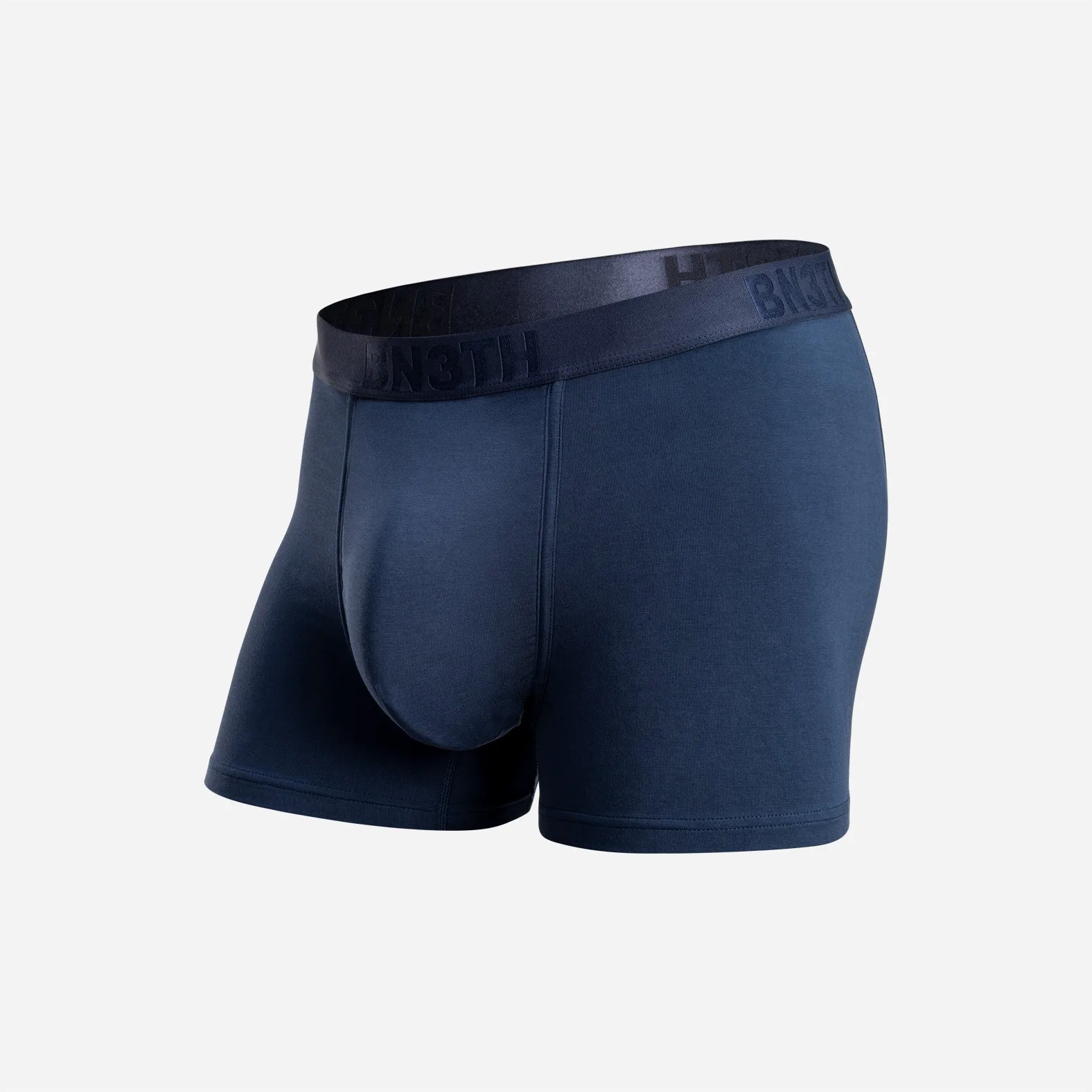
- https://bn3thdxzy.com/products/classics-trunk-navy-d4ee0097f226bbabb664855b-989209Classic Icon Trunk: Navy: The Classic Icon is a luxury Trunk that is ultra-soft, breathable, lightweight TENCELTM Modal that is sustainably sourced, guaranteed to stay smooth and keep you comfortably supported at all times. The Original 3D Pouch lifts and supports everything, eliminating the need to shift or adjust. Fabric: 95% TENCELTM Modal, 5% Spandex For hiking or less intense activities, this trunk offers breathable comfort with a soft, natural feel. The 3D Pouch provides support without the bulk, and the TENCEL Modal keeps you dry and comfortable on the trail.
Fit Guidance
Best For
- Running: Pro Agua X Boxer Brief (snug, moisture-wicking, breathable)
- Cycling: Pro Agua X Boxer Brief (snug fit, no seams) or a padded liner for long rides
- Hiking: Classic Icon Trunk (breathable, soft, supportive)
Not For
- Cotton underwear for any high-sweat activity (holds moisture and causes chafing)
- Boxer shorts with loose fit for running or cycling (cause bunching and friction)
- Underwear with thick seams for cycling (can cause saddle sores)
Choosing the right underwear for your sport is a simple way to boost comfort and performance. Focus on moisture management, support, and fit that matches your activity. BN3TH offers a range of styles with the Original 3D Pouch and performance fabrics to keep you moving comfortably, whether you run, ride, or hike.