Quick answer
Spot patches and pimple creams work differently. Spot patches are best for covering and protecting active pimples, especially overnight, while pimple creams often contain active ingredients that penetrate deeper to treat inflammation. For most people, a combination works best: use a patch on a popped or open pimple to absorb fluid, and a cream on red, swollen bumps to calm them. Choose based on your pimple stage and skin sensitivity.
When a pimple appears, you want it gone fast. Two popular options are spot patches and pimple creams. But which is more effective? The answer depends on the type of pimple, your skin, and how you like to treat breakouts.
Spot patches, also known as pimple patches, are small adhesive stickers that you place over a blemish. They create a protective barrier and absorb fluid from open pimples. Pimple creams, on the other hand, are topical treatments that you apply directly to the skin, often containing active ingredients like salicylic acid or benzoyl peroxide to reduce inflammation and kill bacteria.
How Spot Patches Work
Spot patches are hydrocolloid dressings that stick to your skin and absorb moisture from a pimple. They work best on pimples that have come to a head or have been popped, as they draw out fluid and protect the area from bacteria and picking. Many people use them overnight to see a visible reduction in size by morning.
Patches are discreet and can be worn under makeup or alone. They also prevent you from touching the pimple, which reduces the risk of scarring. However, they do not contain active ingredients to treat deep inflammation, so they may not be effective on blind pimples or cystic acne.
- Apply on clean, dry skin for best adhesion.
- Leave on for at least 6 hours, ideally overnight.
- Do not use on broken or infected skin unless the patch is medicated.
How Pimple Creams Work
Pimple creams are formulated with active ingredients that penetrate the skin to treat the root causes of acne. They can reduce redness, kill bacteria, and unclog pores. Common ingredients include salicylic acid, benzoyl peroxide, and retinol. These creams are effective on a wider range of pimples, including those that haven't surfaced yet.
However, creams can be drying or irritating, especially if you have sensitive skin. They also take longer to see results, often requiring consistent application over several days. Unlike patches, creams don't provide a physical barrier against picking.
- Apply a thin layer to the entire pimple area.
- Use sparingly to avoid over-drying.
- Always follow with moisturizer if your skin gets dry.
Comparing Effectiveness: Speed and Results
When it comes to speed, spot patches often show faster visible results on open pimples because they physically absorb fluid. A study you might have seen suggests they reduce pimple size overnight. Pimple creams take longer to work, but they treat the underlying inflammation, so the pimple may heal more completely without returning.
For deep, painful pimples, creams are more effective because patches cannot reach under the skin. For whiteheads and popped pimples, patches are superior. Some products combine both approaches, but you can also layer them: apply a cream first, let it dry, then place a patch on top.
- Use a patch on a popped pimple to speed healing.
- Use a cream on a blind pimple to reduce inflammation.
- Consider combining both for stubborn breakouts.
Trade-offs at a Glance
- Speed: Patches can flatten a pimple overnight by absorbing fluid; creams take days to reduce inflammation. Choose patches for quick fixes.
- Coverage: Patches only treat the area they cover; creams can be spread over a larger area. Creams may be better for clusters.
- Skin Sensitivity: Patches are generally gentle; creams may cause dryness or peeling. Sensitive skin may prefer patches.
- Cost: Patches can be pricey per use; creams often last longer. Creams may be more economical.
Related Womaness Products
- Neck's Best Thing: Reusable Neck + Chest Patches While not for acne, this shows how patches can be used for skincare. For spot patches, look for hydrocolloid or medicated versions.
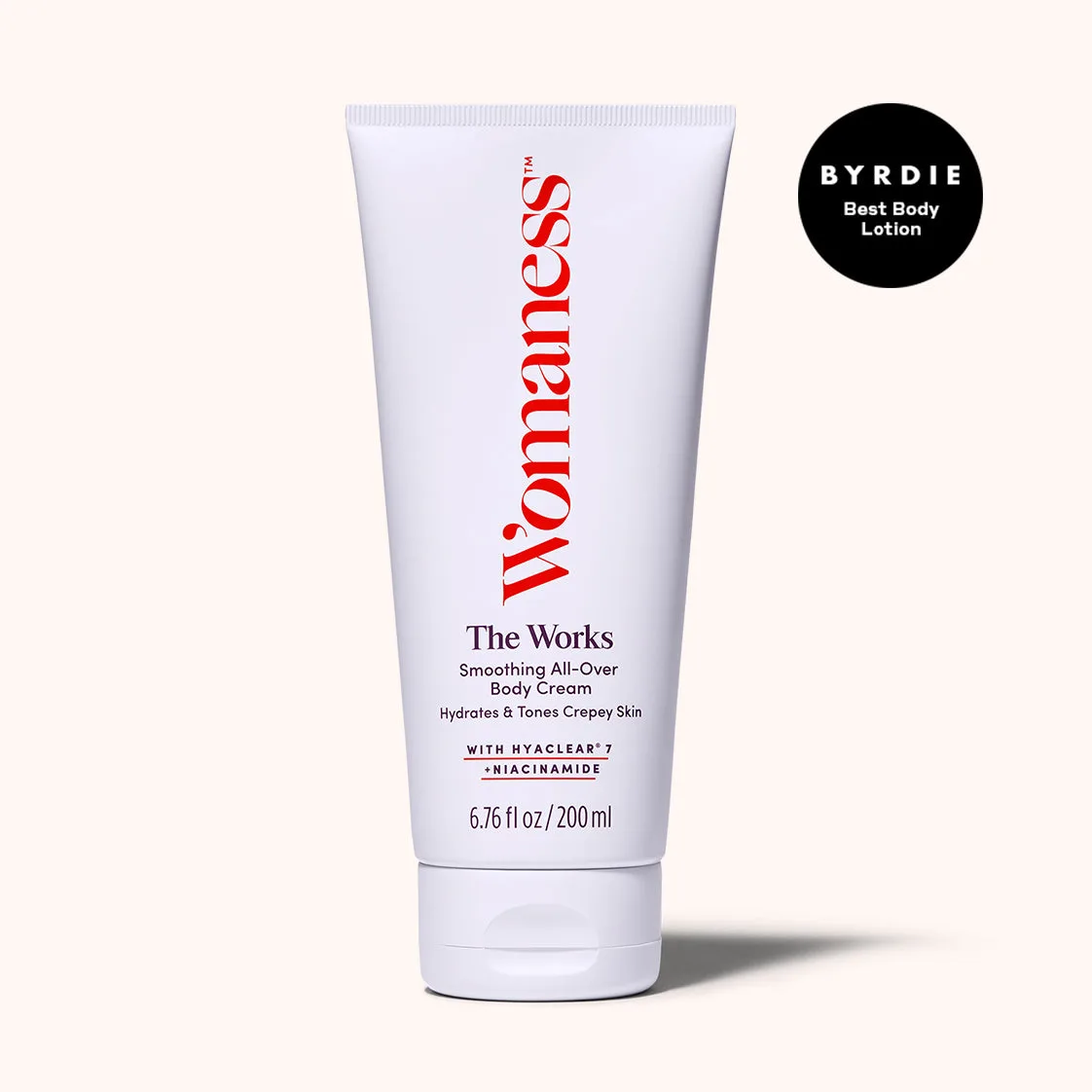
- The Works: All-Over Toning Body Cream If you have body acne, a body cream like this can help with skin texture, but for active pimples, a targeted treatment is better.
Which Should You Choose?
Best for
- People with popped or open pimples who want quick healing and protection.
- Those who pick at their skin and need a physical barrier.
- Anyone looking for a discreet, on-the-go treatment.
Not for
- Deep, cystic acne that requires anti-inflammatory ingredients.
- People with very sensitive skin that reacts to adhesives.
- Those who prefer a budget-friendly option for large areas.
Both spot patches and pimple creams have their place in an acne-fighting routine. For a popped pimple, a patch is your best bet for overnight flattening. For a blind pimple, a cream with active ingredients will work better. Many people keep both on hand to match the treatment to the pimple. Start with one and see how your skin responds, then adjust.