Quick answer
Clean your spotting scope in three stages: blow or brush off loose grit, wipe with a damp lens cloth and lens-safe solution, then dry with a clean microfiber cloth. Set up the tripod before attaching the scope, level the legs, and leave the pan head slightly loose until you have framed your target. Do the lens work at home, not in the field, whenever you can.
Why field cleaning ruins more scopes than dust does
Most lens damage comes from wiping grit across the coating, not from the dust itself. If you are in blowing sand, rain, or heavy pollen, resist the urge to polish the glass on the spot. A bulb blower or a soft lens brush removes the loose layer safely; a cloth dragged over that same grit does not.
Keep a small field kit in your bag: a rocket-style blower, a retractable lens brush, and a microfiber cloth stored in a plastic bag. Save the wet cleaning for a table indoors, where you can see what you are doing and let the optics come to room temperature. Going from a cold truck to a warm room fogs the glass, and wiping foggy lenses just smears the residue around.
A tripod setup order that prevents dropped scopes
Attach the scope to the head before you raise the tripod. It sounds backwards, but it keeps both hands free and stops the head from tipping while you fumble with the mounting shoe. Once the scope is locked down, extend the legs, starting with the top sections and working down. That order makes the tripod stiffer and reduces the shake you would otherwise fight at high magnification.
For an angled spotting scope, the eyepiece points up and toward you, which means you can stand behind it or sit low without craning your neck. That is the main reason angled bodies suit long glassing sessions and shared viewing with a partner of a different height. Straight scopes still have a place, but they demand a taller tripod and a more deliberate stance.
Level the tripod before you tighten everything. A head that is off-level will drift when you pan, and you will chase the image instead of watching it. Leave the pan and tilt locks just snug enough to move smoothly, then lock them once your subject is framed. On windy days, hang a loaded pack from the center hook or spread the legs wider and lower the center column.
Storage and habits between outings
Store the scope with the eyepiece cap and objective cover on, in a case that keeps dust off but lets any trapped moisture escape. If the scope came in with condensation, leave it uncased at room temperature until it dries, then case it. A sealed hard case is fine for travel; a breathable soft case is better for daily storage.
Check the mounting shoe and tripod threads each season. A loose shoe is the most common cause of a scope that will not hold zero on a target, and it is a two-minute fix with the right wrench. Also inspect the rubber armor and focus collar for cracks or grit that has worked its way into the mechanism. If the focus feels gritty, stop turning it and have it serviced rather than forcing it.
Step-by-step spotting scope care
- Blow off loose debris first: Use a bulb blower or a soft lens brush to lift dust, sand, and pollen off the objective and eyepiece. Work from the center outward and never press the brush into the glass. Checkpoint: if you can still feel grit under the brush, stop and blow again.
- Wipe with a damp lens cloth: Breathe on the lens or use a lens-safe cleaning solution on a microfiber cloth, then wipe in a single spiral from the center to the edge. Use a fresh section of cloth for each pass. Common mistake: scrubbing back and forth with a dry cloth, which drags grit and can dull the coating.
- Dry and inspect at an angle: Finish with a dry microfiber cloth and tilt the lens toward a light source to check for streaks, haze, or remaining specks. Repeat only if needed. Checkpoint: a faint sheen is fine; visible smears mean you used too much solution.
- Attach the scope to the tripod head first: Mount the scope on the head before raising the legs, then lock the mounting shoe firmly. This keeps the head from tipping while your hands are busy. Common mistake: extending the legs first and then trying to balance the scope one-handed.
- Extend legs from the top down and level: Open the thickest leg sections first, then the thinner ones, and level the tripod before locking the head. Spread the legs wider or hang a pack on the center hook in wind. Checkpoint: the bubble level should stay centered through a full pan.
- Frame your subject, then lock the head: Leave the pan and tilt locks slightly loose until the target is centered, then snug them down. For an angled spotting scope, position yourself behind the eyepiece rather than leaning over it. Next step: mark your preferred leg height so setup is repeatable next time.
- Case it dry and check hardware each season: Let condensation evaporate before casing the scope, keep caps on, and tighten the mounting shoe and tripod threads at the start of each season. Common mistake: storing a damp scope in a sealed case, which traps moisture against the glass.
Products that fit this routine
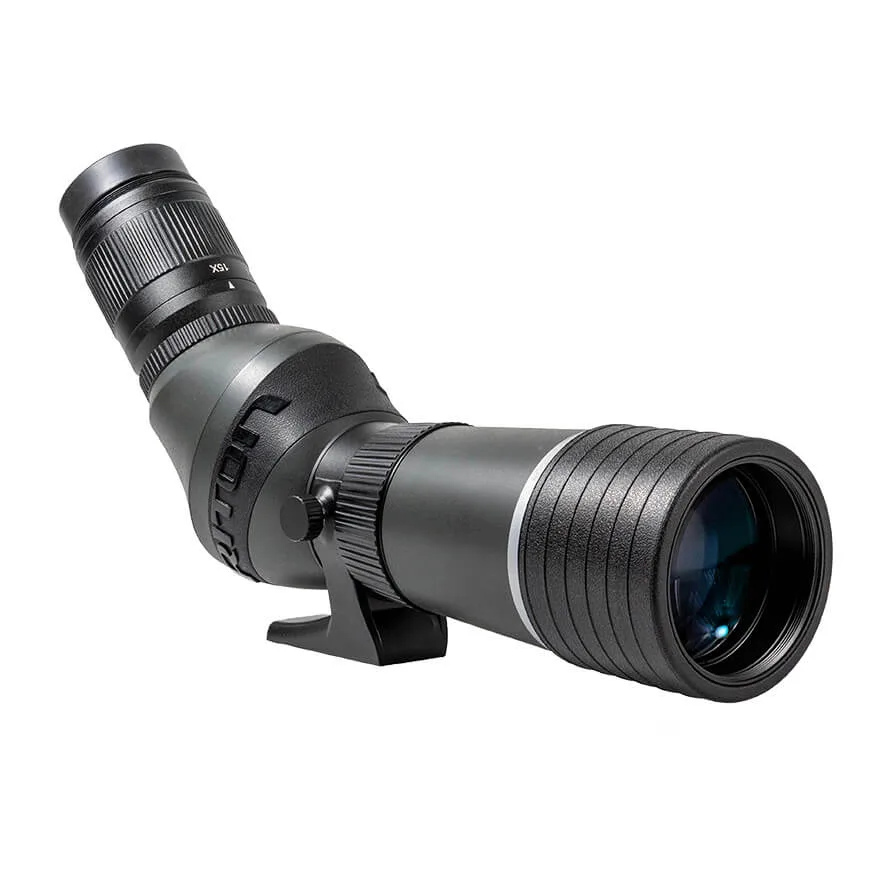
- Riton Optics 5PS1545A23 5 Primal 1545X60 Angled Spotting Scope Black Aluminum 60mm: The Riton 5 Primal 15-45x60 angled spotting scope uses ED glass in a lightweight, compact body with a broad magnification range. The angled eyepiece makes seated glassing and tripod sharing easier, and the compact body is simpler to case and carry between cleanings.
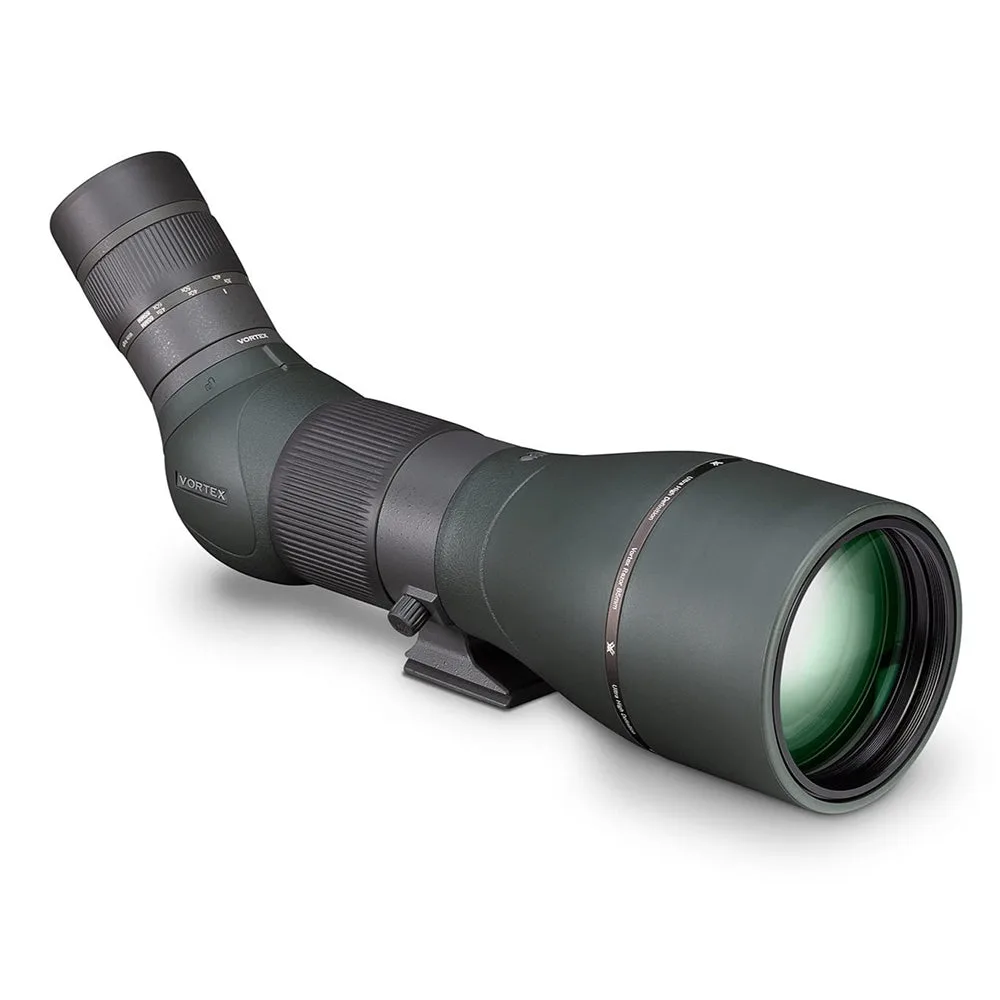
- Vortex Optics Razor HD 27-60x85 Spotting Scope w/ Vortex Mountain Pass Tripod: The Vortex Razor HD 27-60x85 spotting scope ships with a Vortex Mountain Pass tripod and uses premium HD glass elements. If you are buying a first serious scope, a bundled tripod removes one compatibility decision, and the 85mm objective is built for low-light detail at distance.
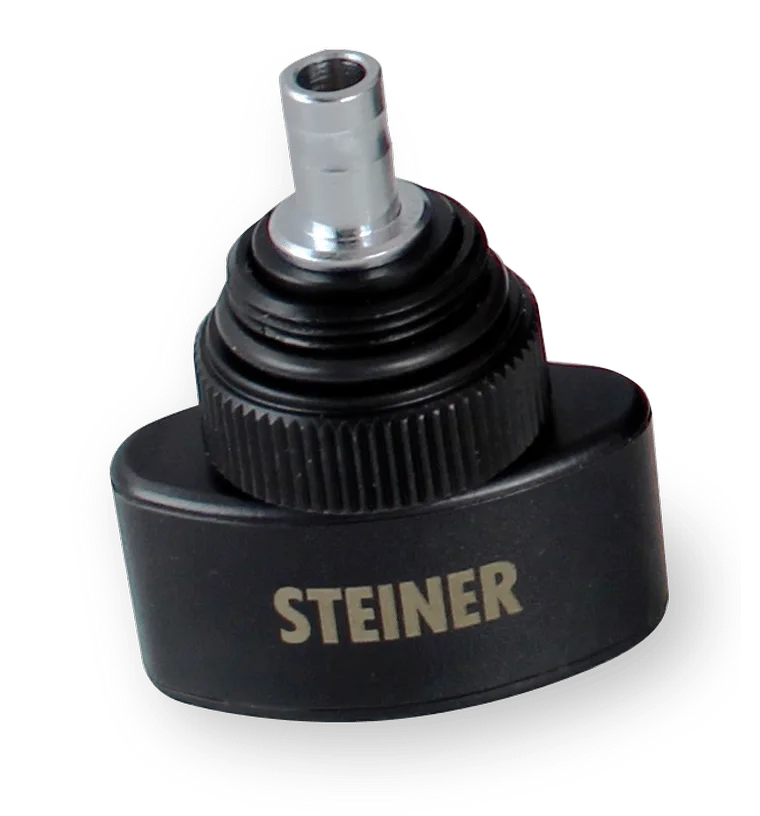
- Steiner Optics Bluetooth Adaptor: The Steiner Optics Bluetooth Adaptor adds Bluetooth capability to compatible devices such as the Kestrel 5700 Elite weather meter with LINK and transmits range data for a firing solution. If you already run a compatible weather meter, this accessory connects your ranging workflow without adding a second handheld device.