Quick answer
Yes, squalane oil is generally safe and beneficial for acne-prone skin. It is a lightweight, non-comedogenic oil that mimics your skin's natural sebum, providing hydration without clogging pores or triggering breakouts.
Why Acne-Prone Skin Needs Hydration
Many people with oily or acne-prone skin skip moisturizer, fearing it will worsen breakouts. In reality, dehydrated skin can overproduce oil to compensate, leading to more clogged pores and acne. A lightweight, non-comedogenic oil like squalane can break this cycle by delivering balanced hydration without heaviness.
How Squalane Oil Works for Acne-Prone Skin
Squalane is a saturated, stable version of squalene, a lipid naturally found in human sebum. Because it closely resembles your skin's own oils, it absorbs quickly and feels weightless. Its non-comedogenic rating means it has a low likelihood of clogging pores, making it a safer choice than heavier oils like coconut or cocoa butter. Additionally, squalane has antioxidant properties that help protect skin from environmental stress, which can aggravate acne.
How to Incorporate Squalane Oil Into Your Routine
Start with a clean face. After applying water-based serums or treatments, dispense 2–3 drops of squalane oil onto your fingertips and gently press it into damp skin. This locks in moisture without stripping. You can use it both morning and night. If you have very oily skin, one drop mixed into your moisturizer may be enough. Always patch test a new product on your jawline for a few days before full-face use.
Diagnosis: Is Squalane Oil Right for Your Acne?
- Symptom: Your skin feels tight or dehydrated after cleansing, yet you still get breakouts. Your moisture barrier may be compromised, leading to excess oil production.
- Likely Cause: Your current moisturizer may be too heavy or too light, or you are skipping hydration altogether. A lightweight, non-comedogenic oil can restore balance without clogging pores.
- Corrective Action: Use 2–3 drops of squalane oil after cleansing and before any heavier creams. Press into damp skin. If your skin feels more balanced and breakouts decrease after 2 weeks, squalane is a good fit.
- Stop or Choose Another Option: If you notice new whiteheads or increased congestion after 7–10 days, discontinue use. Some individuals may still react; try a different lightweight oil like jojoba or switch to a gel-based moisturizer.
Product Spotlight
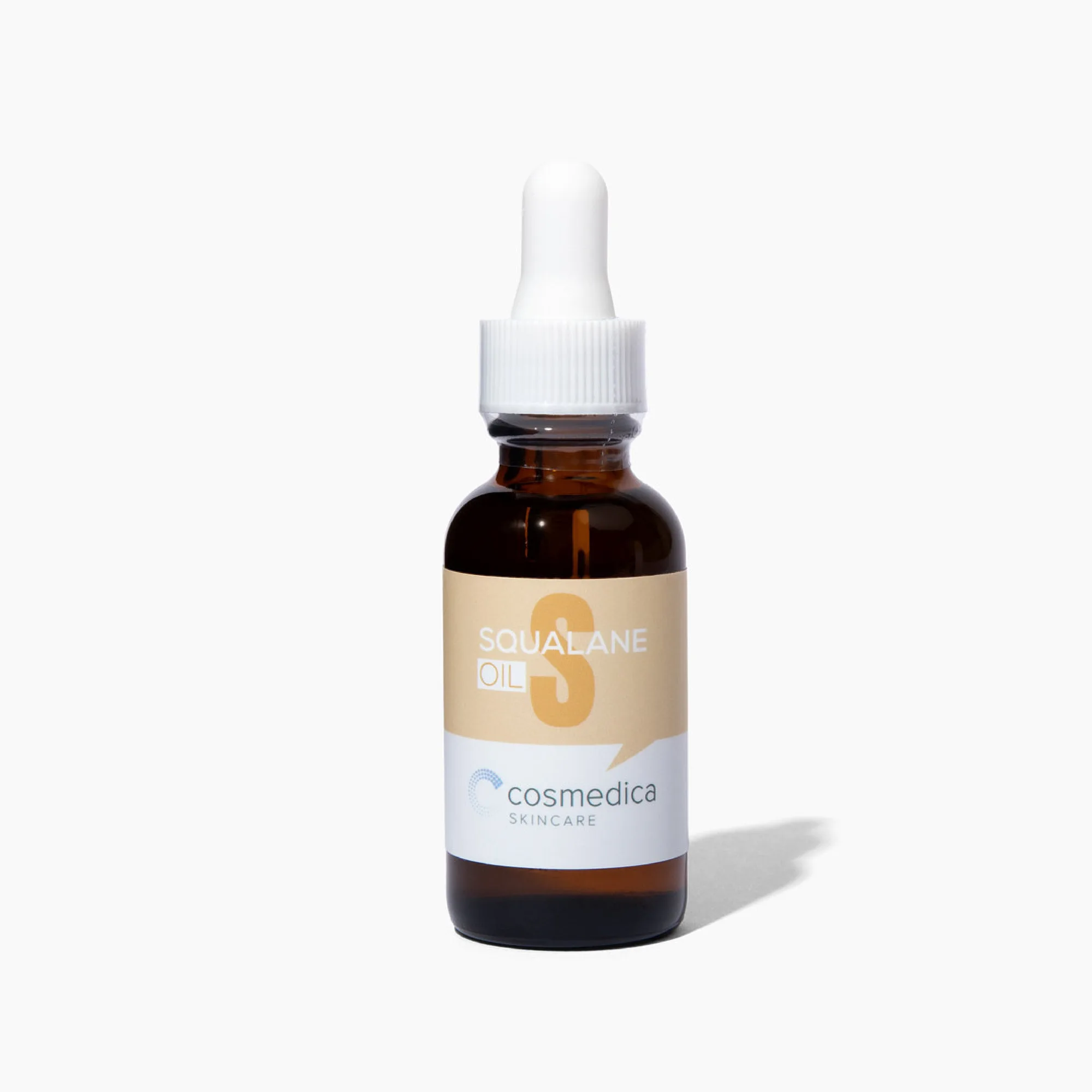
- Squalane Oil: 100% Pure Squalane Oil (derived from olives). It mimics your skin's natural oils, providing effective hydration as a lightweight, non-greasy emollient and natural antioxidant. Because it's derived from olives and is 100% pure, this squalane oil has no added fragrances or fillers that could irritate acne-prone skin. Its lightweight texture means it won't feel greasy, and its antioxidant properties help defend against environmental damage that can worsen breakouts.