Quick Answer
Choose squalane oil if you want lightweight, non-greasy hydration that mimics your skin's natural oils and layers easily under makeup or SPF. Choose a facial balm if your skin is dry, dull, or mature and you want a richer, nutrient-dense formula that corrects tone and texture overnight. For very dry or sensitive skin, layer squalane oil first, then balm to seal in moisture.
Texture and Absorption: What You'll Feel
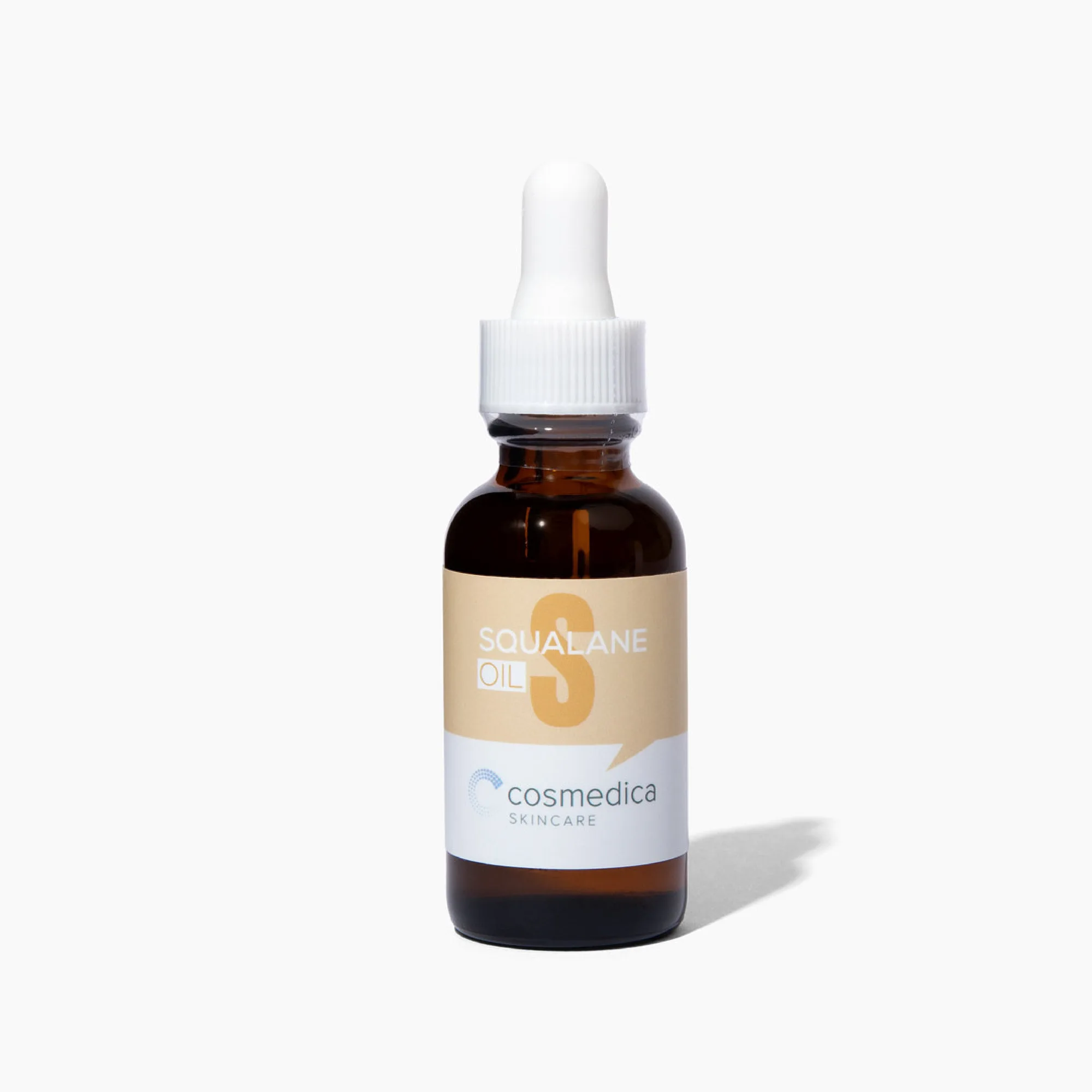
Squalane oil is a pure, olive-derived emollient with a lightweight, non-greasy finish. It absorbs quickly and leaves no heavy residue, making it comfortable for daytime and for skin that tends to get oily. A facial balm is thicker and more occlusive; it sits on the surface longer, so you feel it working. That richness is exactly what dry or compromised skin needs, but it can feel like too much if your skin is already oily.
Key Ingredients and Their Jobs
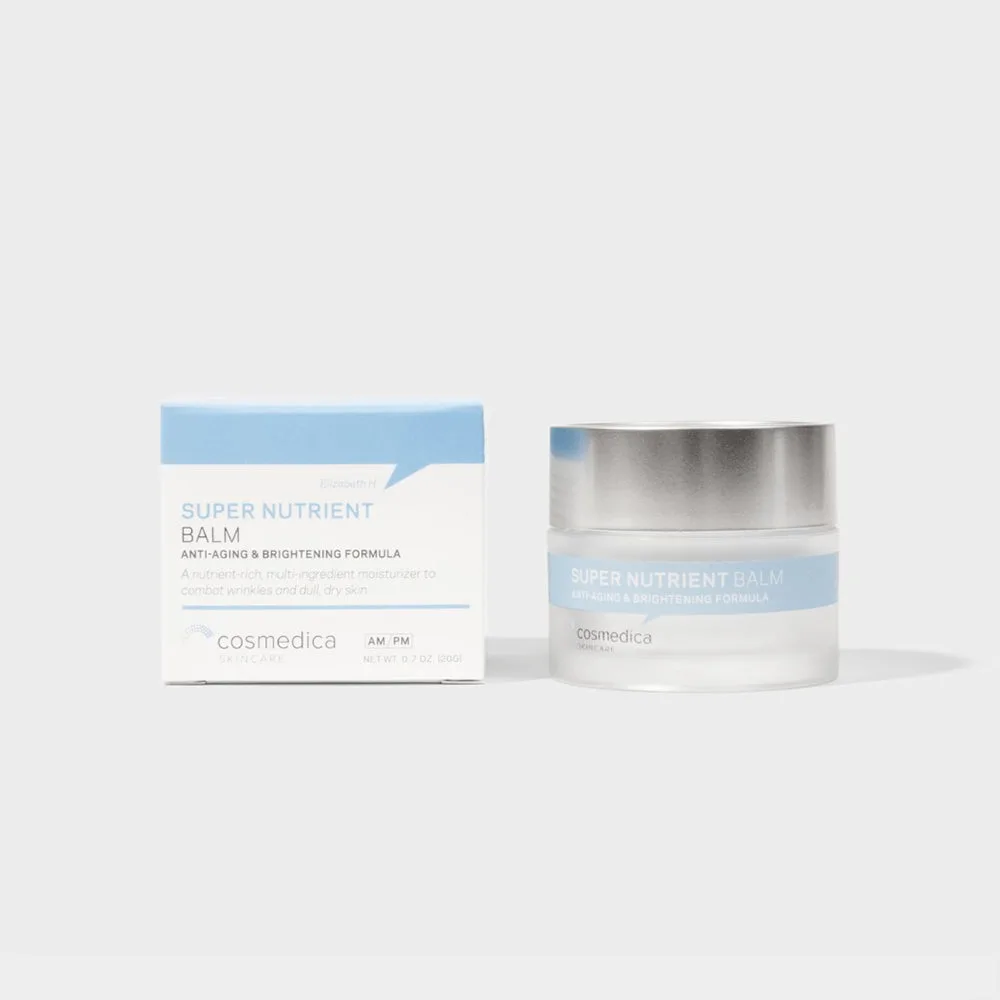
Squalane oil is 100% pure squalane derived from olives. It acts as an emollient and natural antioxidant, mimicking your skin's own oils to hydrate without clogging. A facial balm like Super Nutrient Facial Balm combines rosehip seed, MSM, and vitamin C to target sagging, aging, and dull skin. Rosehip and vitamin C support tone and brightness, while MSM works on texture. If your main concern is simply moisture, squalane covers it. If you want corrective anti-aging benefits in a moisturizer, the balm's active blend is the differentiator.
Layering Squalane Oil and Balm
You can use both. Apply squalane oil to clean, slightly damp skin first. It spreads easily and pulls water into the surface. Then press a small amount of facial balm over the top to seal everything in. This order works because oil is thinner and balm is thicker. At night, this combo is excellent for dry or sensitive skin. In the morning, use squalane alone if you plan to wear makeup or SPF, since balm can pill under some base products.
Which One for Your Skin Type?
Oily or combination skin usually does better with squalane oil alone. It hydrates without adding heaviness. Dry or mature skin often needs the balm's richer texture and corrective ingredients. Sensitive skin can go either way, but patch-test the balm first if you react to vitamin C or rosehip. If your skin is dehydrated but not dry, squalane is the safer daily pick. If it's dry and dull, the balm delivers more visible improvement over time.
Trade-Offs at a Glance
- Squalane Oil: Lightweight vs. Limited Corrective Benefits: Absorbs fast and won't clog pores, but it's a single-ingredient emollient with no vitamin C or MSM for tone and texture. Pick this if you want simple, reliable hydration without extra actives.
- Facial Balm: Rich vs. Potential Heaviness: Delivers rosehip, MSM, and vitamin C for anti-aging and dullness, but the thick texture can feel heavy on oily skin or under makeup. Pick this if your skin is dry, mature, or dull and you want corrective results.
- Layering Both: Maximum Moisture vs. Extra Steps: Oil then balm gives the deepest hydration and seals in water, but it adds time and may be too much for daytime. Reserve layering for nights or very dry skin days.
Product Facts
- Squalane Oil: 100% pure squalane oil derived from olives; lightweight, non-greasy hydration that mimics skin's natural oils. Best for daily use on all skin types, especially oily or combination skin, and layers well under makeup.
- Super Nutrient Facial Balm: Super Nutrient Balm combines rosehip seed, MSM, and vitamin C to combat sagging, aging, and dull skin while providing deep hydration. Ideal for dry or mature skin that needs corrective anti-aging benefits and a richer moisturizer.
Who Should Choose Which
Best for
- Oily or combination skin that needs lightweight hydration
- Anyone who wants a simple, non-greasy moisturizer for day and night
- Layering under makeup or SPF without pilling
Not for
- Very dry or mature skin needing corrective anti-aging ingredients
- Those who prefer a rich, occlusive balm texture
- Skin that needs vitamin C or MSM for dullness and sagging