Quick answer
Replace a squeaky plush dog toy as soon as the outer fabric tears, the squeaker becomes exposed, or stuffing starts escaping. If the squeaker is loose or the seam has opened, remove the toy immediately; repair is only safe when the squeaker is fully enclosed and the fabric can be securely stitched. Otherwise, choose a replacement.
Why plush squeaky toys fail before they look destroyed
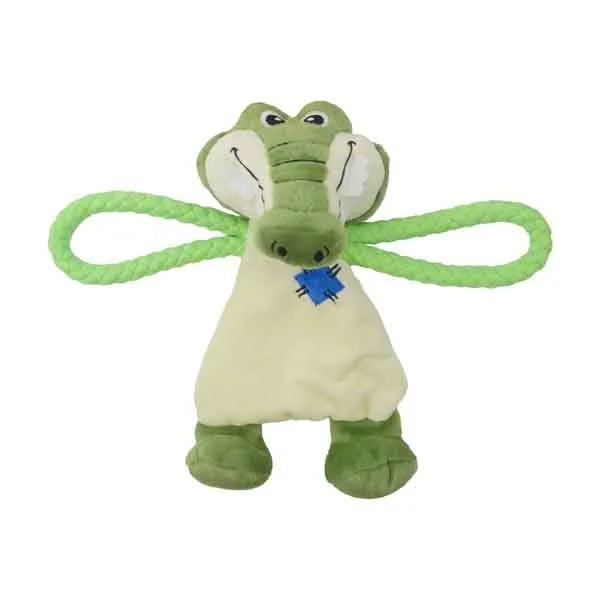
Plush toys wear from the inside out. Repeated squeezing and chewing compresses the batting around the squeaker, while saliva and grit work into the seams. The first failure is usually a seam opening or a thin spot in the fabric, not a dramatic rip. By the time stuffing is visible, the squeaker has often already shifted closer to the surface.
That matters because the squeaker is the hard part. A plastic squeaker that escapes a torn toy can be swallowed or become a choking hazard. Checking the toy by feel once a week catches most problems before they become dangerous.
How to run a two-minute safety check
Squeeze the toy along every seam and listen. A healthy squeaker gives a clear, consistent sound. A muffled or intermittent squeak usually means the squeaker has shifted or the internal pouch has torn. Run your fingers over the fabric with light pressure; any spot that feels thinner than the rest is a weak point.
Then check the ends. Ears, tails, and squeaker pockets are the first places to split because they take the most direct chewing. If you can feel the hard plastic squeaker through the fabric, the toy has lost its protective layer and should come out of rotation.
Repair or replace: the honest tradeoff
A small seam split on a toy with an intact, fully enclosed squeaker can be repaired with a few tight stitches and a knot that will not pull through. This buys time but not indefinite safety, because the fabric around the repair is already weakened. Repair is a short-term fix, not a reset.
Replace instead when the squeaker is exposed, when the fabric is torn in more than one place, or when the toy has been chewed down to a thin sheet. At that point, stitching just moves the failure to the next weakest spot. Replacement is the safer and usually cheaper decision.
Choosing a replacement that lasts longer
Match the replacement to how your dog actually plays. A dog that methodically chews seams will destroy any plush toy eventually, so buy a toy you are willing to replace and check it often. A dog that mostly carries and squeaks a toy will get much longer life from a plush squeaky bone.
Keep two toys in rotation and retire the older one at the first sign of a split. Rotating also lets you inspect each toy while the other is in use, which makes wear and tear easier to spot before it becomes a safety problem.
Diagnosis: symptom, cause, action, stop point
- Muffled or inconsistent squeak: The internal squeaker has shifted or its pouch has torn, so the plastic is no longer held away from the surface. Stop using the toy and check by feel. If you can feel the squeaker through the fabric, replace it.
- Small seam split with squeaker still enclosed: Normal wear and tear from chewing and washing has opened a seam, but the squeaker is fully inside. You can stitch it once with tight, knotted thread. Recheck after every play session; a second split means replace.
- Visible stuffing or exposed squeaker: The fabric has failed completely and the internal parts are accessible to your dog. Remove the toy immediately. Do not repair; choose a replacement.
Product facts
- Flint Stripe Squeaky Bone Dog Toy: Flint Stripe Squeaky Bone Dog Toy, catalog price USD 6.18 (comparison price USD 8.96). An affordable replacement option when a worn toy is no longer safe to repair.
- Grey Tweed Squeaky Bone Dog Toy: Grey Tweed Squeaky Bone Dog Toy, catalog price USD 5.64 (comparison price USD 8.96). A second plush squeaky bone at a lower catalog price, useful if you keep multiple toys in rotation.
- Flint Stripe Brushed Cotton Pillow Dog Bed: Flint Stripe Brushed Cotton Pillow Dog Bed, catalog price USD 50.96 (comparison price USD 72.80). Not a toy, but a reminder that plush accessories also need checking; a bed with a torn seam can expose filling just like a toy.