Quick answer
Squishables are round, overstuffed plush toys with a distinct squishy feel, while traditional stuffed animals often mimic real animal shapes with limbs and faces. If you want a huggable, uniform pillow-like plush, choose Squishables. If you prefer realistic details, poseability, or a wider range of sizes, traditional stuffed animals are the better fit.
When you're shopping for a plush toy, the choice between Squishables and traditional stuffed animals can feel confusing. Both are soft, cuddly, and lovable, but they differ in shape, feel, and how they're best used. Understanding these differences helps you pick the right one for your child, your collection, or a gift.
This comparison breaks down the key trade-offs using real product examples from our catalog. You'll learn which plush works for cuddling, which supports sensory needs, and which offers the most realistic animal details.
What are Squishables?
Squishables are a line of plush toys known for their round, pill-like shape and ultra-soft, squishy filling. They typically have small faces and stubby limbs, giving them a whimsical, cartoonish look. Unlike traditional stuffed animals that stand upright, Squishables are designed to be hugged, squeezed, and used as a soft cushion. They come in many animal designs, from penguins to elephants, and are often collected by teens and adults as well as kids.
The Hugimals Hugarounds Pax the Penguin Stuffed Animal Plush Toy is a good example of a Squishable-style plush with a twist: it has extra-long limbs and a weighted body. Designed with occupational therapists, it offers a weighted neck wrap that can be heated or cooled for comfort. This shows how the squishy plush category can overlap with sensory tools.
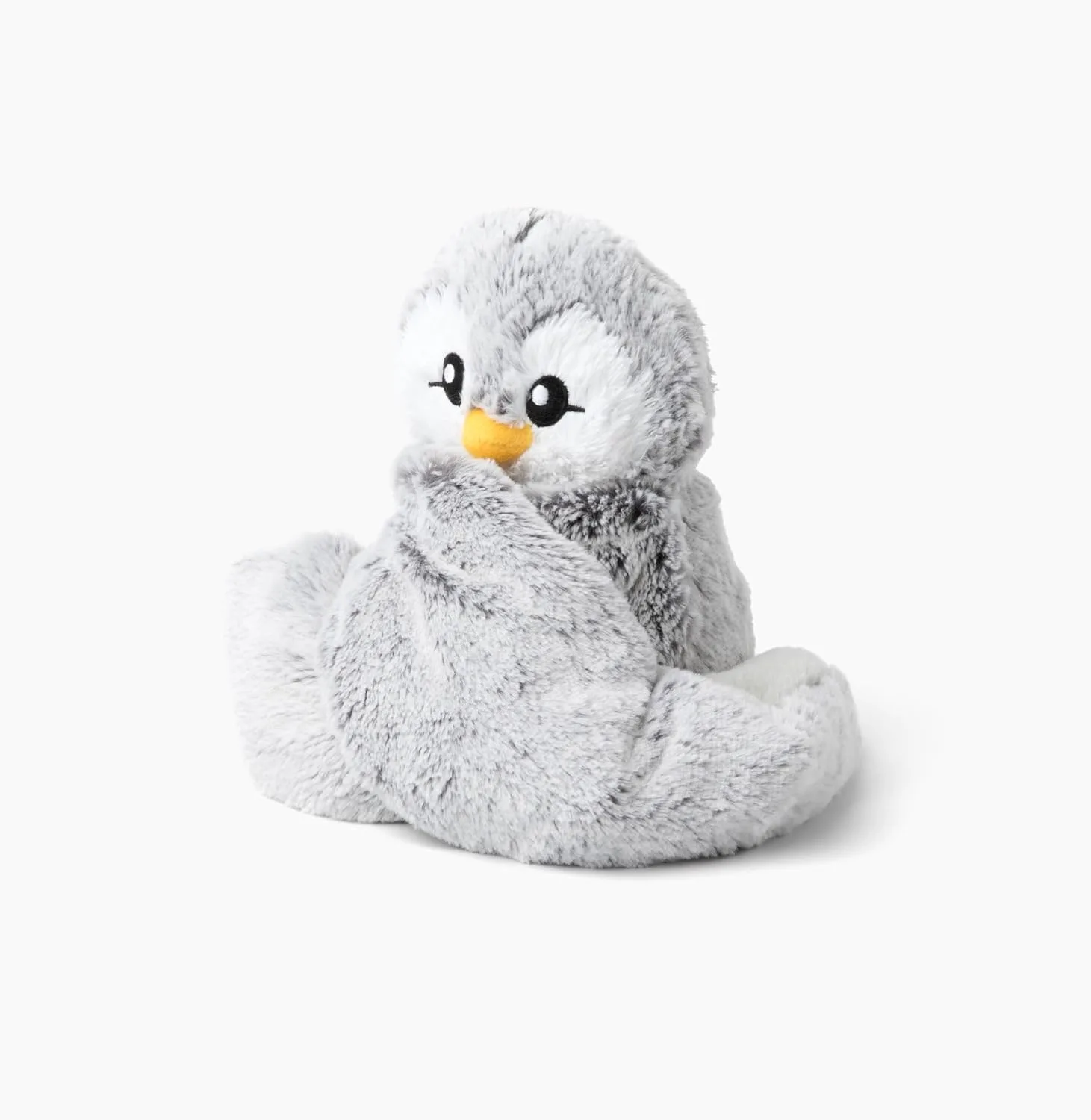
Hugimals Hugarounds Pax the Penguin Stuffed Animal Plush Toy
- Squishables are often round and uniform, making them great for stacking or using as pillows.
- Their soft filling provides a distinct squish that many find calming.
What are traditional stuffed animals?
Traditional stuffed animals aim to look like real animals. They have detailed faces, paws, tails, and sometimes realistic coloring. They come in many sizes, from small figurines to life-sized plush. These toys are often used for pretend play, education, and display. For example, the Big Ear Elephant Plush is a traditional stuffed animal with large ears and a classic elephant shape. It's soft and huggable but stands upright like a real elephant.
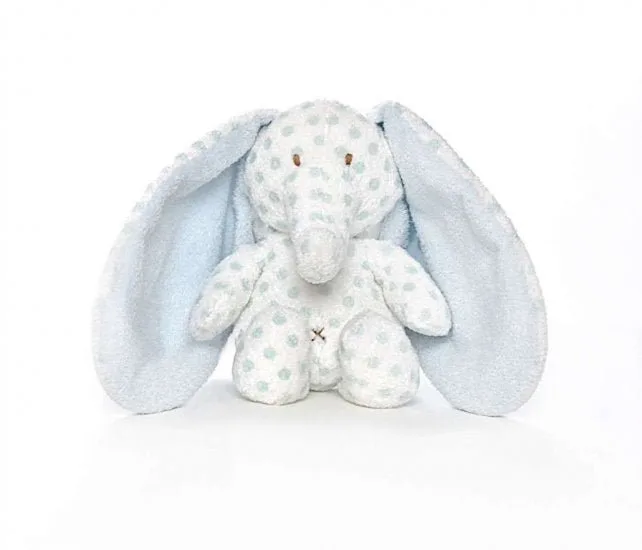
Big Ear Elephant Plush
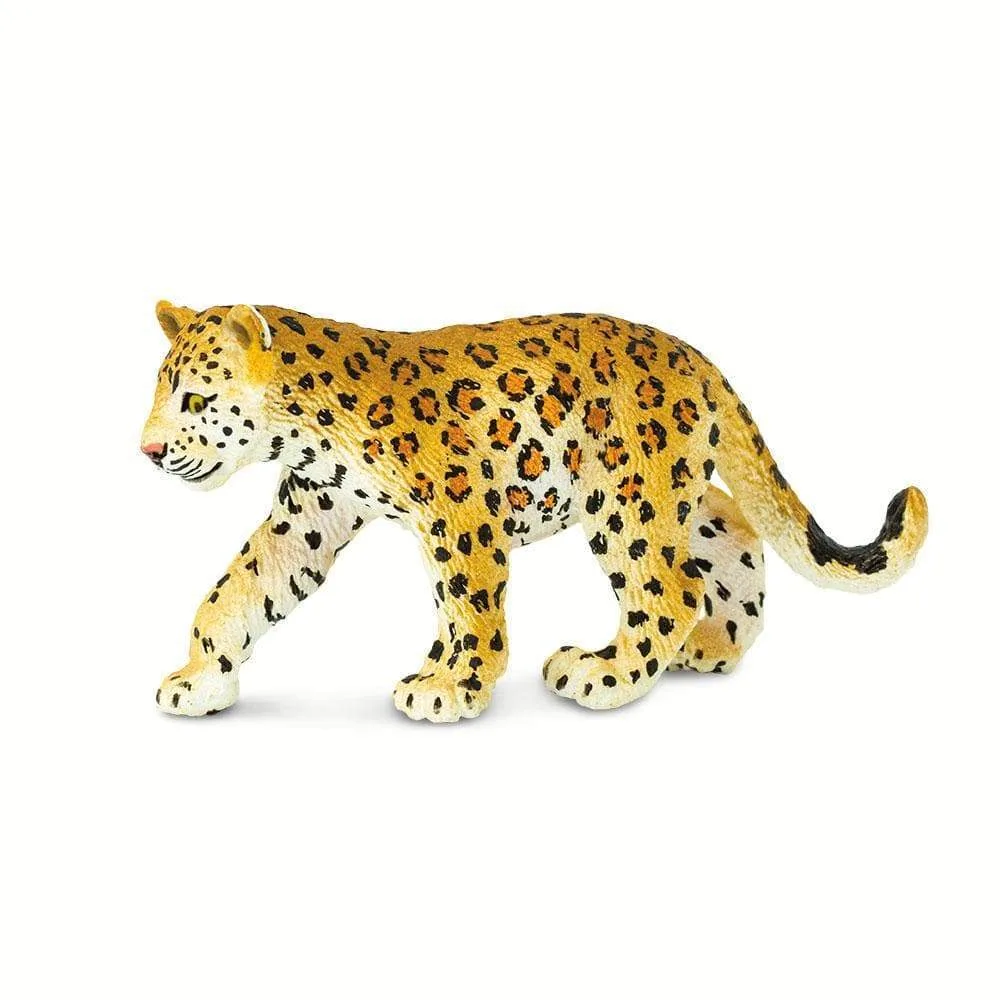
Traditional stuffed animals can also be very small, like the Leopard Cub Toy, which is a detailed figurine rather than a plush. This shows that 'stuffed animal' can mean a soft toy or a hard figure, but in this comparison we focus on soft plush.
- Realistic details make traditional plush great for animal lovers and educational play.
- They often have poseable limbs or can sit upright, which is better for display.
Key differences: shape, feel, and use
The biggest difference is shape. Squishables are typically round or oval, with a consistent squishy density. Traditional stuffed animals have a more varied shape, with limbs and a head that may be stuffed more firmly. This affects how you use them: Squishables are ideal for hugging and squeezing, while traditional plush are better for cuddling in a more realistic way, like holding a pet.
Feel also matters. Squishables often use a soft, stretchy fabric and a dense, squishy fill that slowly returns to shape. Traditional stuffed animals may use faux fur, which can be smoother or more textured. Some, like the Hugimals Hugarounds Pax the Penguin, add weight for sensory input, which is a feature not typically found in standard stuffed animals.
- Squishables are often heavier and denser due to their filling, which can be soothing.
- Traditional stuffed animals may have plastic eyes or noses, which are not safe for babies under 3.
Sensory and comfort benefits
Squishy plush toys like Squishables can provide deep pressure input when squeezed, which some people find calming. The Hugimals Hugarounds Pax the Penguin takes this further with a weighted body and a heatable/coolable neck wrap, making it a tool for sensory regulation. If you're looking for a plush to help with anxiety or sensory processing, a weighted squishy plush may be more effective than a traditional stuffed animal.
Traditional stuffed animals can also be comforting, but their benefits are more about companionship and softness. For example, the Big Ear Elephant Plush is soft and huggable, but it doesn't offer the same deep pressure or temperature options. If sensory support is a priority, a specialized squishy plush is the better choice.
- Weighted plush can be used during quiet time or bedtime to promote calm.
- Always check age recommendations: weighted items may not be safe for infants.
Collectibility and variety
Squishables come in a wide range of animal designs, often with seasonal or limited editions, making them popular for collectors. Their uniform shape means they display well on shelves. Traditional stuffed animals also have collectible lines, like the Wild Safari Wildlife Leopard Cub Toy, which is a detailed figurine rather than a plush. But for soft plush, traditional brands may offer more realistic sizes and breeds.
If you want a collection that looks cohesive, Squishables are a strong choice because of their consistent shape. If you prefer realism and diversity in species, traditional stuffed animals offer more options.
- Squishables are often released in series, encouraging collecting.
- Traditional plush can be found in specific breeds or species for educational themes.
Trade-offs at a glance
- Shape and feel: Squishables are round and uniformly squishy; traditional stuffed animals have varied shapes and may be firmer. Choose Squishables for a pillow-like hug; choose traditional for a more realistic cuddle.
- Sensory features: Some Squishables, like Hugimals Hugarounds, offer weight and temperature therapy; traditional plush rarely do. If you need calming sensory input, a weighted squishy plush is worth the investment.
- Realism and play: Traditional stuffed animals often look like real animals and can be used for pretend play; Squishables are more abstract. For educational play or realistic details, traditional plush is the better choice.
- Collectibility: Squishables come in many designs and are often collected; traditional plush may have fewer collectible lines. If you want a cohesive collection, Squishables are easy to display and collect.
Product facts
- Hugimals Hugarounds Pax the Penguin Stuffed Animal Plush Toy: Hugimals Hugarounds are extra long-limbed plushies designed to keep you cozy with wraparound arms and a weighted body. Pax the Penguin was designed with occupational therapists and provides a weighted neck wrap that can be heated in a microwave or cooled in a freezer. This plush combines the squishy, huggable feel of a Squishable with sensory benefits like weight and temperature therapy, making it a versatile choice for comfort and regulation.
- Big Ear Elephant Plush: A traditional stuffed animal with large ears and a classic elephant shape, soft and huggable. If you want a realistic-looking plush that stands upright and is easy to cuddle, this is a good example of a traditional stuffed animal.
- Leopard Cub Toy: Like other cat species, leopard cubs are born with their eyes closed and rely on their mothers for protection and food. This little guy has gotten separated from its family and wants to tag along with you! This is a detailed figurine, not a plush, but it shows the realism and educational value of traditional animal toys. It's best for older kids who won't put small parts in their mouths.
Which should you choose?
Squishables are best for
- People who want a soft, squishy plush to hug or use as a pillow
- Those seeking sensory support, especially with weighted or temperature-regulating features
- Collectors who enjoy a uniform, cartoonish look
Squishables are not for
- Children who prefer realistic animal details for pretend play
- Babies under 3 if the plush has small parts or weighted beads
- Those who want a plush that stands upright for display
Both Squishables and traditional stuffed animals have their place. Squishables excel at squishy comfort and sensory benefits, while traditional plush offer realism and play value. Consider the recipient's needs and the intended use to make the best choice.