Quick Answer
Choose a https://kindaero.store/products/stainless-clad-saucier-97233https://kindaero.store/products/stainless-clad-saucier-97251https://kindaero.store/products/stainless-clad-saucier-97254https://kindaero.store/products/stainless-clad-saucier-97258stainless clad saucier if you frequently make sauces, risotto, or anything that needs constant stirring—its rounded corners make whisking easier and prevent burning. A regular saucepan with straight sides is better for boiling pasta or simmering soups where you want more volume and less splashing. For most home cooks who love French techniques, the saucier is the more versatile pick.
When you're outfitting your kitchen, the choice between a saucier and a regular saucepan can be puzzling. Both are essential for stove-top cooking, but they serve different purposes. The saucier, a French chef favorite, features a rounded, cornerless bottom that makes stirring and whisking effortless. A traditional saucepan has straight sides and a flat bottom, ideal for boiling and simmering.
In this comparison, we'll break down the key differences, look at the benefits of each, and help you decide which one deserves a spot on your stove. We'll also highlight the Stainless Clad Saucier from Made In Cookware and how it stacks up against a standard saucepan.
What Is a Saucier and How Is It Different from a Saucepan?
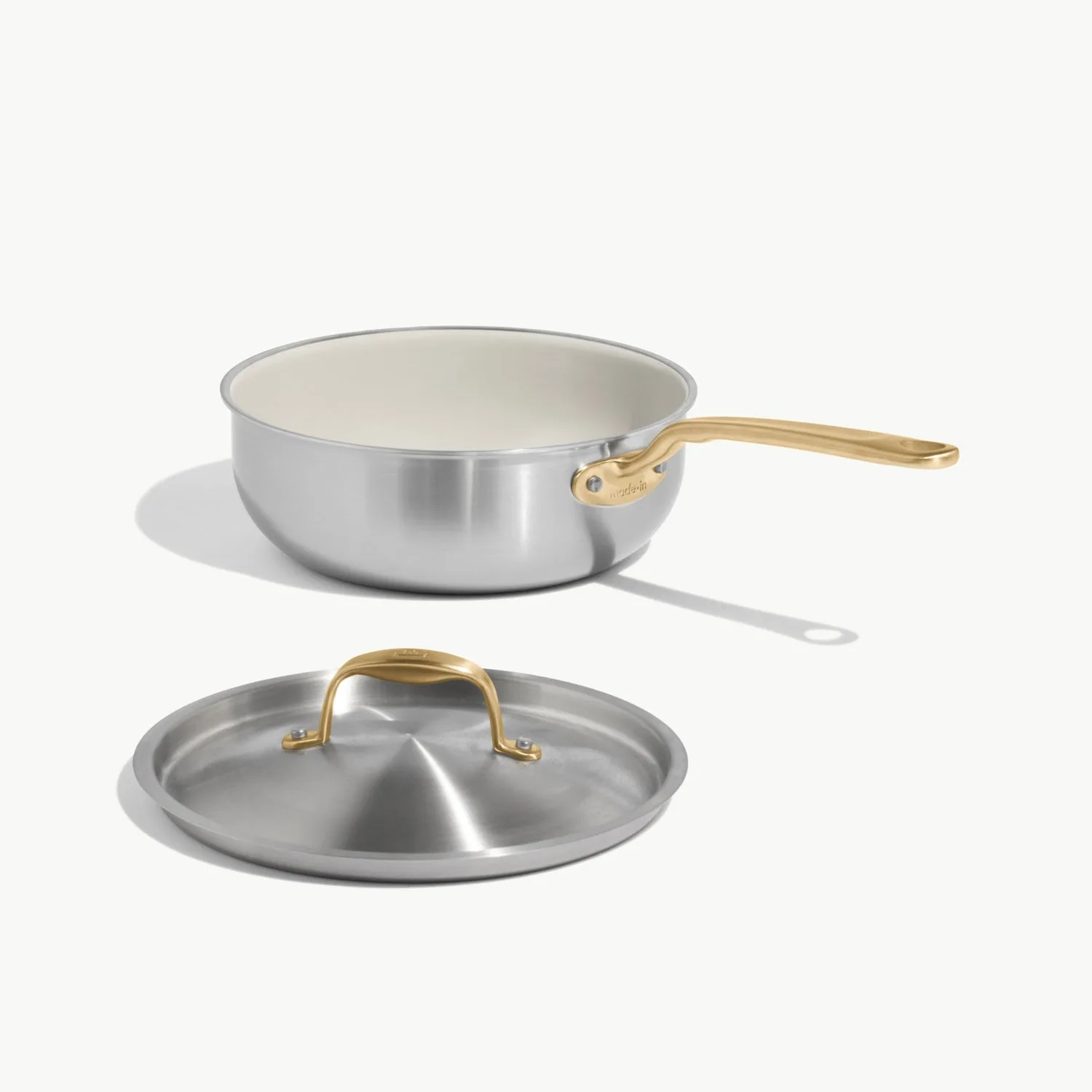
A saucier is a versatile pan with sloped, rounded sides and a wider bottom. This design allows for easy whisking and stirring, making it perfect for sauces, risotto, and reductions. The rounded corners eliminate the 'catch' points where ingredients can get stuck or burn, which is a common issue with straight-sided saucepans.
A regular saucepan, on the other hand, has tall, straight sides and a flat bottom. This shape is great for boiling pasta, cooking grains, and simmering soups. The straight sides help contain liquids and reduce evaporation, but they can make stirring less efficient, especially in the corners.
- Saucier: rounded bottom, sloped sides, ideal for whisking and stirring
- Saucepan: straight sides, flat bottom, best for boiling and simmering
Key Differences in Design and Function
The most significant difference is the shape of the pan. The saucier's rounded bottom allows a whisk to reach every part of the pan, ensuring smooth, lump-free sauces. It also makes stirring more comfortable, as you don't have to constantly push food out of corners. This is a game-changer for dishes like hollandaise or beurre blanc.
A saucepan's flat bottom and straight sides make it more efficient for cooking larger quantities of liquid. The taller sides prevent splashing and reduce the risk of boiling over. However, when you're making a delicate sauce, the corners can become a problem, as they can cause scorching and make it hard to incorporate ingredients evenly.
When to Use a Saucier vs a Saucepan
Reach for a saucier when you're making sauces, gravies, risotto, or polenta. Its shape promotes even cooking and constant stirring, which is essential for these dishes. The rounded bottom also makes it easier to reduce liquids and create emulsions, giving you professional results at home.
A saucepan is your go-to for boiling pasta, cooking rice, or making soups and stews. Its taller sides hold more liquid and reduce evaporation, so you can cook larger batches. If you're short on storage space, a saucepan might be more practical, but for sauce lovers, the saucier is worth the extra room.
Trade-Offs to Consider
- Stirring and whisking: The saucier's rounded bottom allows a whisk to contact every surface, making it easier to create smooth sauces without lumps. A saucepan's flat bottom and corners can trap ingredients, requiring more effort to stir. If you make sauces often, the saucier is the clear winner.
- Boiling and simmering: A saucepan's straight sides and taller profile hold more liquid and reduce splashing, making it better for boiling pasta or simmering soups. The saucier's sloped sides may cause more evaporation and splatter. For large batches of liquid, a saucepan is more practical.
- Versatility: The saucier can handle a wide range of tasks, from sauces to risotto, and even shallow frying. A saucepan is more specialized for liquid-based cooking but can also be used for sauces if you're careful. If you want one pan for multiple uses, the saucier is more versatile.
Product Facts
- Stainless Clad Saucier: A French chef favorite, our Saucier’s rounded, cornerless bottom yields the silkiest sauces, making even a weeknight pasta feel like a five-star meal. The rounded bottom ensures thorough stirring and prevents burning, so your sauces come out smooth and professional every time.
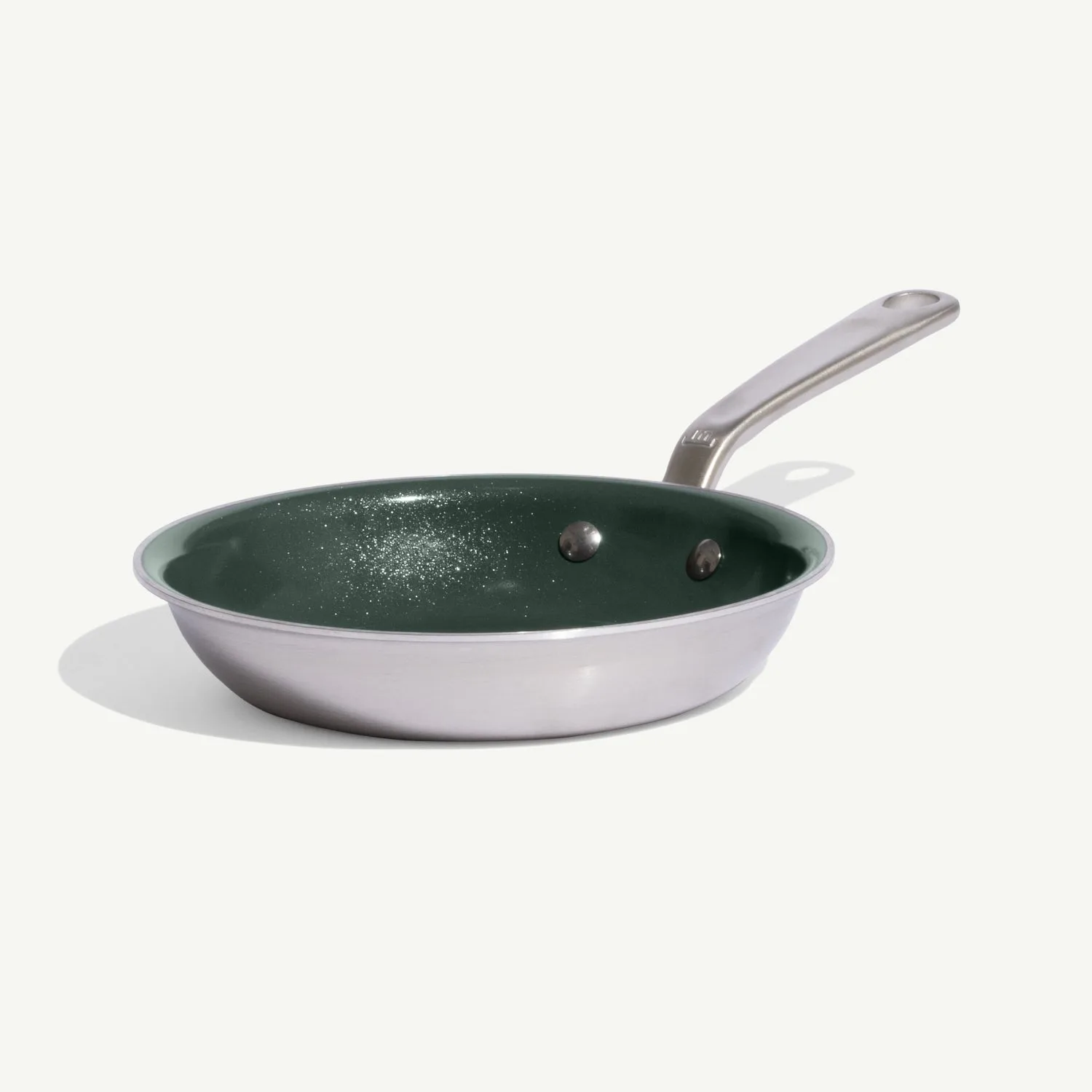
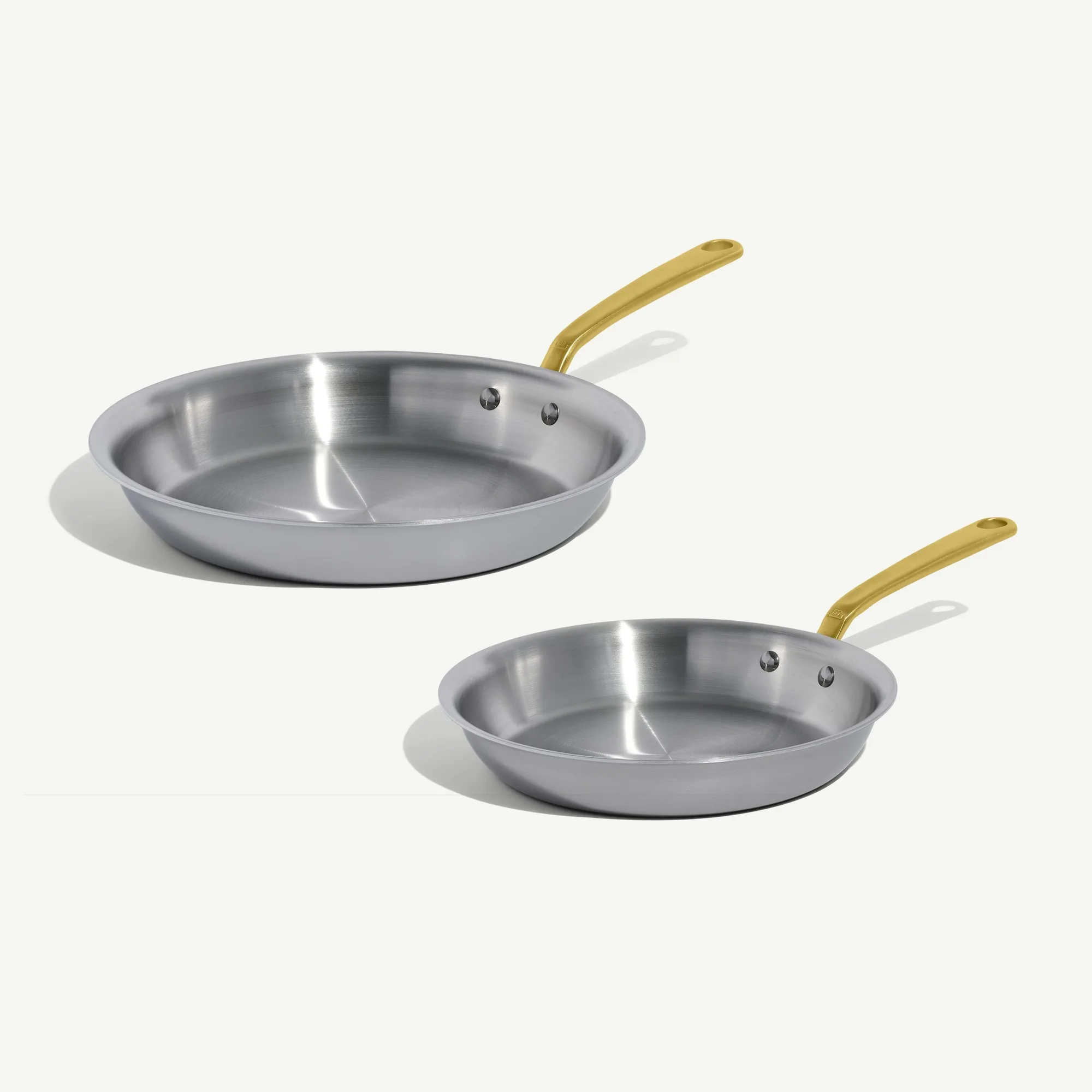
- Stainless Clad Frying Pan Set: These two different sizes of our Award-Winning chef favorite pan will give you perfect sears and sautés no matter the meal. While not a saucepan, this set shows the versatility of stainless clad cookware, which is ideal for searing and sautéing, complementing your saucier.
Which Should You Choose?
Best for
- Home cooks who frequently make sauces, gravies, or risotto
- Those who appreciate French cooking techniques and want professional results
Not for
- If you primarily boil pasta or cook large quantities of soup, a regular saucepan may be more suitable
- If you have limited storage and need a multi-purpose pan, consider a stainless clad frying pan set instead
In the end, both the stainless clad saucier and a regular saucepan have their place in the kitchen. If you love making silky sauces and want to elevate your cooking, invest in a saucier like the Stainless Clad Saucier from Made In Cookware. But if your cooking style leans toward boiling and simmering, a classic saucepan might be all you need. Consider your cooking habits and choose the pan that fits your needs best.