Quick answer
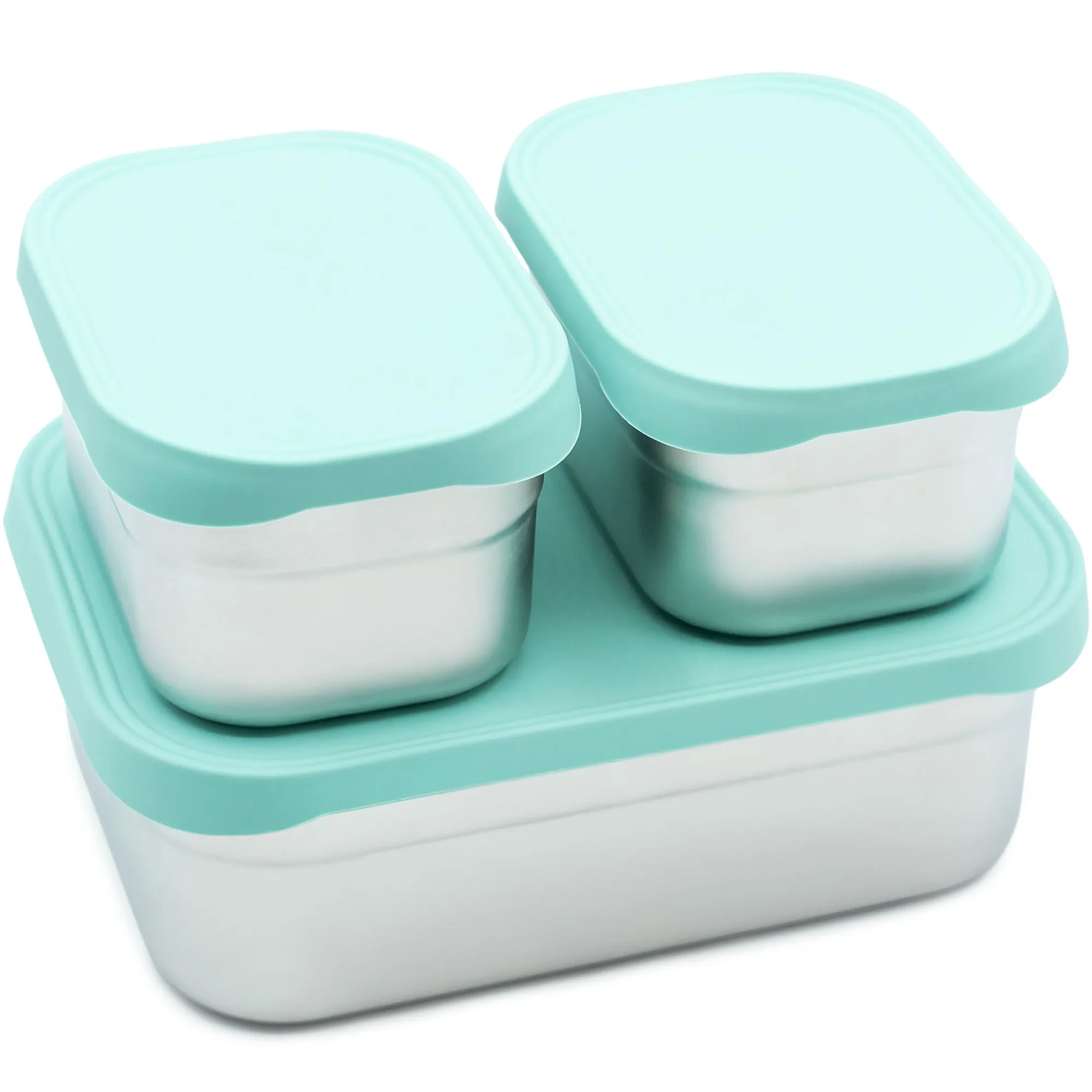
Wash stainless steel toddler cups and plates by hand in warm water with a mild dish soap, using a soft sponge, then dry them right away. Stainless steel is not rust-proof: it resists rust, but it can still spot or pit if it air-dries with food residue, sits in a wet sink, or gets scrubbed with abrasive pads. For sticky, high-fat, or tomato-based meals, a short warm soak before washing does most of the work.
Why stainless steel needs a different routine than plastic
Stainless steel baby plates and cups are popular because they do not hold onto smells or stains the way some plastics can, and they tolerate hot food and repeated washing. The tradeoff is that stainless steel can scratch, and scratched or residue-covered surfaces are where rust spots and pitting usually start. Plastic and silicone dishes are more forgiving if they sit in the sink overnight, but they can absorb strong food odors over time.
That difference changes your care routine. With stainless steel, the drying step matters as much as the washing step. With plastic or silicone, you have more leeway on timing but should still wash thoroughly to avoid lingering smells.
Daily wash and dry: the five-minute routine
Scrape leftover food into the trash or compost, then wash in warm water with a mild dish soap and a soft sponge or bottle brush. Pay attention to the rim of cups, the corners of divided plates, and any rolled edges where residue hides. Rinse with warm water, then dry immediately with a clean towel or air-dry on a rack with space between items so water does not pool inside cups or along plate rims.
If you use a dishwasher, check the manufacturer's instructions for your specific set first. Some stainless steel children's dishes are dishwasher-safe and some are not, and high heat or harsh detergent can dull the finish over time. When in doubt, hand washing is the safer default.
Handling sticky, greasy, and tomato-based meals
Tomato sauce, curry, and oily foods are the usual culprits behind stubborn residue on stainless steel. Fill the dish with warm water and a drop of dish soap, let it sit for 10 to 15 minutes, then wash as usual. Avoid long overnight soaks, especially in salty or acidic liquids, because prolonged exposure can leave marks or pitting on lower-grade stainless steel.
For dried-on food, use a soft sponge or a plastic scraper. Do not reach for steel wool or abrasive cleansers: they scratch the surface, and those scratches create places for rust to begin.
Preventing rust spots and pitting
Stainless steel baby dishes rust when the protective surface is compromised or when they stay wet with food residue. The most common causes are leaving dishes in a wet sink, stacking them while damp, and scrubbing with abrasive pads. Dry thoroughly after every wash, store in a dry cabinet, and avoid leaving acidic or salty food sitting in them for hours.
If you spot a small rust mark, a paste of baking soda and water applied gently with a soft cloth often lifts it. Rinse and dry completely afterward. If pitting has started, the dish is no longer smooth and is harder to clean thoroughly, so it is usually time to replace that piece.
When silicone is the better fit for your toddler
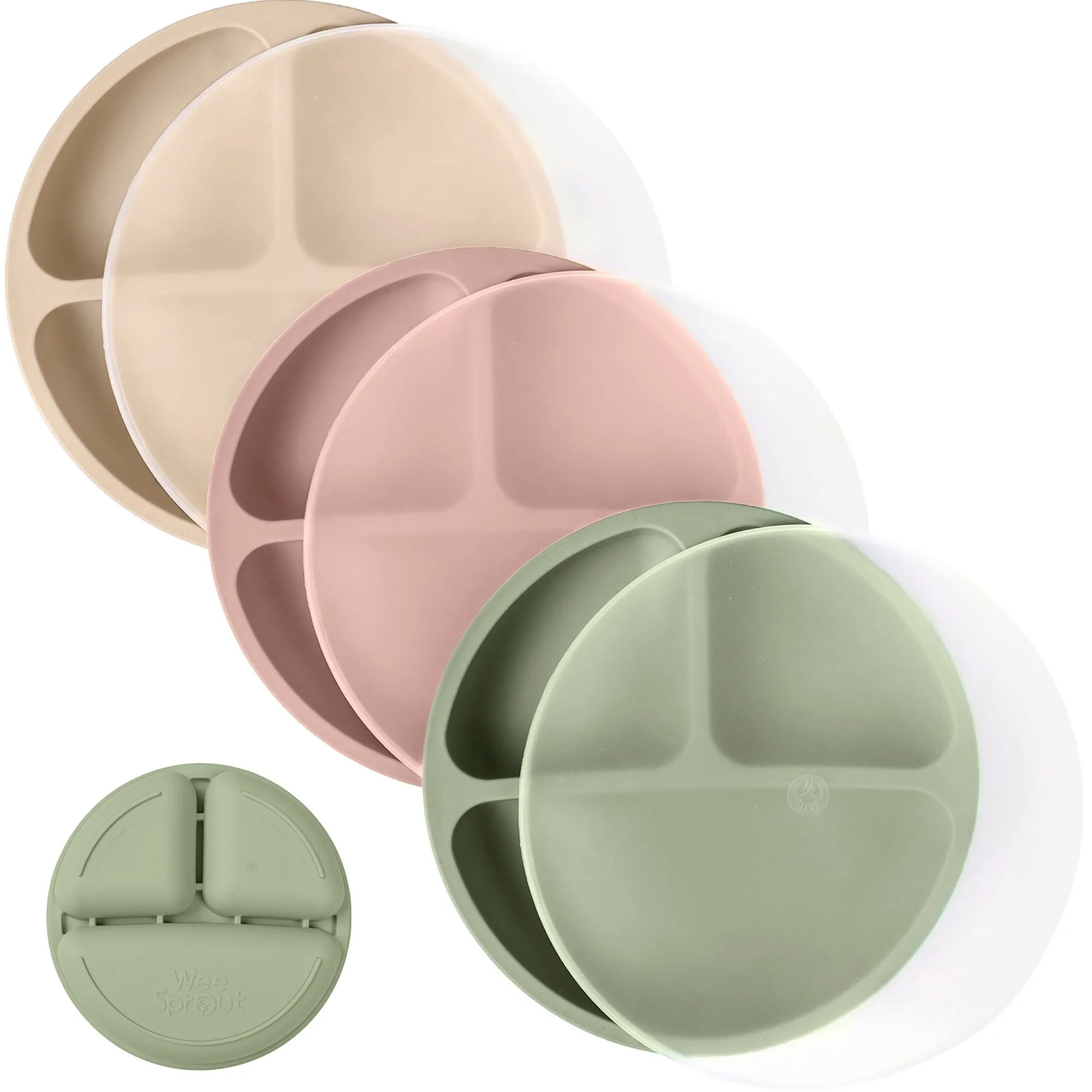
Stainless steel is not the only option, and for some toddlers it is not the best one. If your child is still learning to scoop food or tends to push dishes around the tray, a plate with a raised edge and divided sections can make mealtime easier. WeeSprout's Silicone Divided Plates (Non-Suction) come in a set of three and are designed for toddlers and older children who no longer toss their plates. The divided layout keeps foods separate for picky eaters, and the raised edge helps prevent spills while making it easier for kids to scoop food onto their utensils.
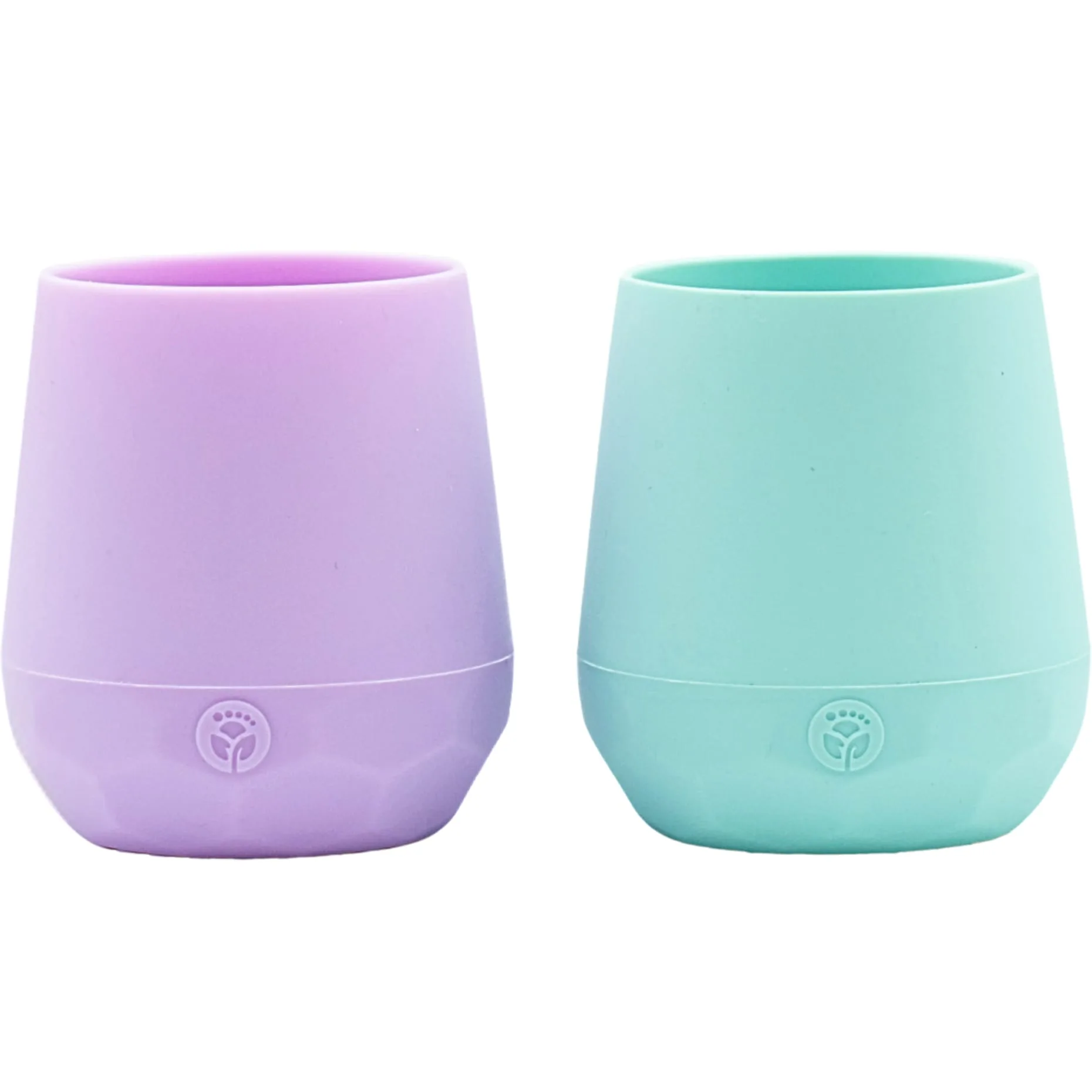
For drinking, WeeSprout's Silicone Straw Cups with Lids come in 4 oz or 8 oz sets of two. The curved straw with an open valve is designed to support jaw alignment and oral strength as children transition from bottles to cups. Silicone is softer and quieter on the table than stainless steel, and it does not show water spots the way metal can. The tradeoff is that silicone can hold onto strong odors if it is not washed promptly, so rinse soon after use.
Step-by-step stainless steel care routine
- Scrape and rinse immediately after the meal: Tip leftover food into the trash or compost, then give the dish a quick warm rinse before residue dries. This single step prevents most of the scrubbing later. Checkpoint: if food has already dried hard, move to the short soak step instead of scrubbing.
- Soak briefly for sticky or acidic meals: Fill the dish with warm water and a drop of mild dish soap. Let it sit for 10 to 15 minutes for tomato sauce, curry, or greasy foods. Do not leave it overnight. Common mistake: using very hot water and harsh detergent for a long soak, which can dull the finish.
- Wash with a soft sponge or bottle brush: Wash the entire surface, including rims, corners of divided plates, and the inside of cups. A bottle brush reaches the bottom of tall cups without scratching. Common mistake: grabbing steel wool or an abrasive pad, which scratches the surface and invites rust.
- Rinse in warm water and check for residue: Hold the dish up to the light. If you can still see or feel a film, rewash that area before drying. Checkpoint: residue left behind is the most common cause of spots and odors.
- Dry immediately and store dry: Towel-dry or air-dry on a rack with space between items so water does not pool in cups or along plate rims. Store only after everything is fully dry. Common mistake: stacking damp dishes in a closed cabinet, which traps moisture and can lead to rust spots.
- Inspect monthly for scratches or pitting: Run a finger over the surface. Small scratches are normal with heavy use, but deep scratches or pitting make the dish harder to clean thoroughly. Next step: replace any piece with pitting, and consider silicone alternatives for toddlers who are hard on tableware.
Products mentioned
- Silicone Straw Cups with Lids – 4 oz or 8 oz (Set of 2): Silicone Straw Cups with Lids in 4 oz or 8 oz sets of two, with a curved straw and open valve designed to support jaw alignment and oral strength during the transition from bottles to cups. A practical alternative to stainless steel cups for toddlers still building drinking skills, and the two sizes let you match the cup to your child's appetite and grip.
- Silicone Divided Plates with Lids (Non-Suction) – Set of 3: Silicone Divided Plates with Lids (Non-Suction) in a set of three, with a divided layout and raised edge for toddlers and older children who no longer toss their plates. Useful when you want separation between foods and easier scooping without the weight and clatter of stainless steel, and the lids help with storage or travel.