Quick answer
If you prioritize hygiene, odor control, and a one-time investment that lasts, go with stainless steel. If you need a lightweight, low-cost option and don't mind replacing it every year or two, plastic works fine.
Why material matters for litter box longevity
Plastic litter boxes are affordable and widely available, but they absorb odors and scratch over time, creating hiding spots for bacteria. Stainless steel, like the Fussy Cat The Litter Box (201-Grade Stainless Steel), is non-porous, so it resists smells and is easier to clean thoroughly.
The trade-off is upfront cost: stainless steel costs more initially, but it can last for decades, while plastic boxes typically need replacement every 1–2 years due to scratches and odor buildup.
Cleaning and maintenance differences
Stainless steel surfaces can be wiped down with any cleaner without worrying about staining or scratching. Plastic boxes require gentle cleaning to avoid creating micro-scratches that trap bacteria and odors.
For households with multiple cats or cats with health issues, the easier sanitation of stainless steel can be a real advantage.
Weight and portability trade-offs
Plastic boxes are lightweight and easy to move for cleaning or if you need to relocate the box. Stainless steel is heavier and may be more cumbersome to lift, but that weight also means the box stays put when your cat jumps in and out.
If you have a senior cat or need to move the box frequently, plastic's lightness is a plus. For stability and durability, stainless steel wins.
Trade-offs at a glance
- Hygiene & Odor Control: Stainless steel is non-porous and won't absorb urine smells. Plastic can become odorous over time, especially if scratched. Choose stainless steel if odor sensitivity is a concern.
- Durability & Cost Over Time: Stainless steel lasts for years with no degradation. Plastic may need replacement every 1–2 years due to scratches and wear. Stainless steel is cheaper in the long run despite higher upfront price.
- Weight & Portability: Plastic boxes are lightweight and easy to move. Stainless steel is heavier and more stable but less portable. Plastic suits those who move the box often; stainless steel is better for permanent placement.
Product facts
-
Fussy Cat - The Litter Box (201-Grade Stainless Steel): 201-Grade Stainless Steel, non-porous surface resists odors and bacteria. Means less scrubbing and no lingering smells, even in multi-cat homes.
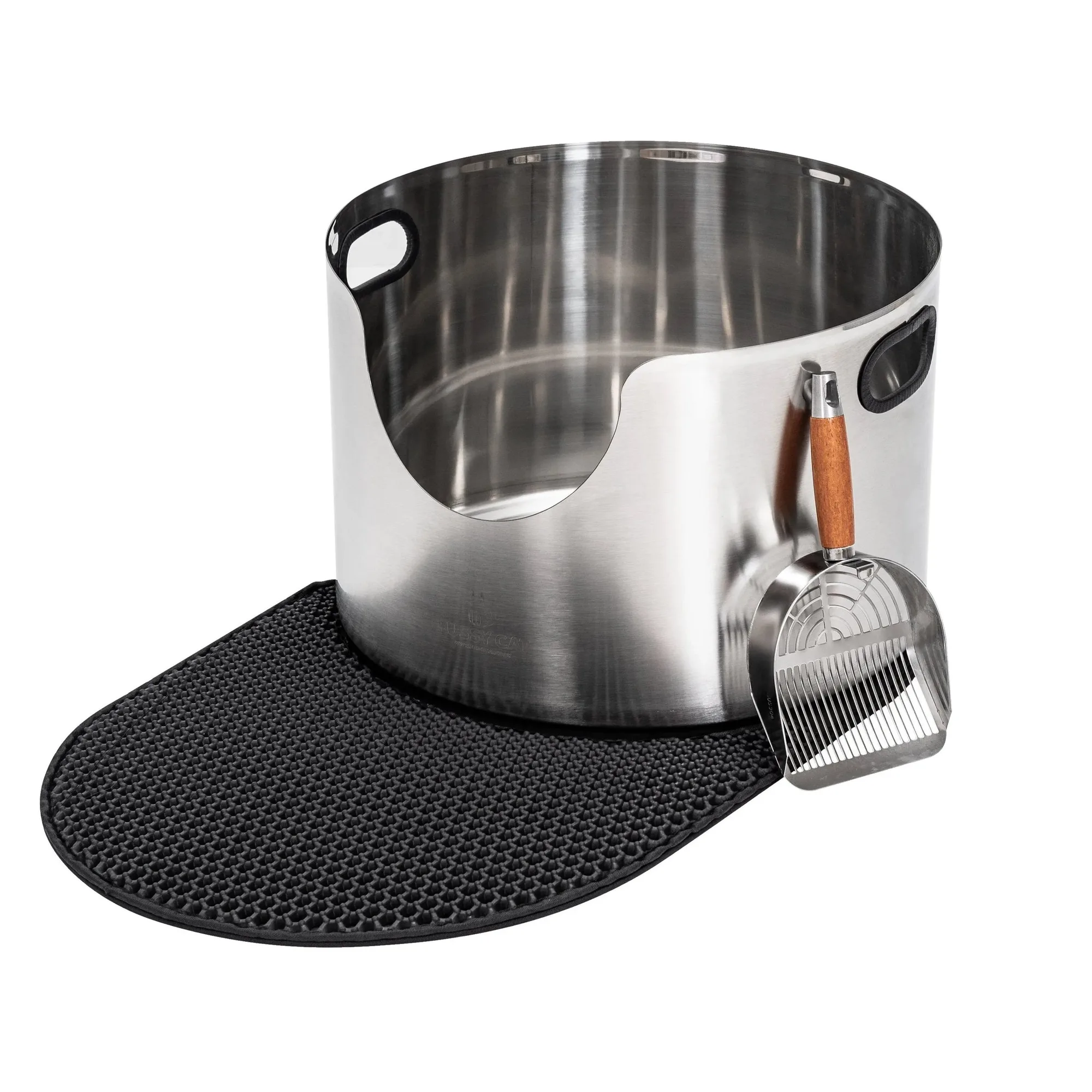
Fussy Cat - The Litter Box (201-Grade Stainless Steel)
Which one should you choose?
Best for
- Cat owners who want a low-maintenance, odor-free box that lasts for years
- Multi-cat households where hygiene is a top priority
- Anyone willing to invest upfront for long-term savings and durability
Not ideal for
- Budget-conscious shoppers who need the lowest possible upfront cost
- Those who need a lightweight box they can move frequently