Quick Answer
Starface pimple patches can help flatten surface-level pimples and reduce redness, but they are not designed to treat cystic acne. For deep, painful cysts, hydrocolloid patches won't penetrate the skin to address inflammation below the surface. Use them for small, popped, or healing spots, and see a dermatologist for cystic breakouts.
If you've ever dealt with a deep, painful cyst under your skin, you know the frustration of trying to shrink it overnight. Starface's adorable star-shaped patches are famous for shrinking spots, but do they work on cystic acne? The short answer is: not really. Here's what you need to know before you stick one on a blind pimple.
Cystic acne forms deep within the skin, unlike surface-level pimples that come to a head. Hydrocolloid patches like Starface's are designed to absorb fluid from open or near-surface blemishes, but they can't reach the inflammation hiding under layers of skin. That doesn't mean they're useless—they just have a different role in your acne-fighting routine.
Why Starface Patches Work on Surface Pimples
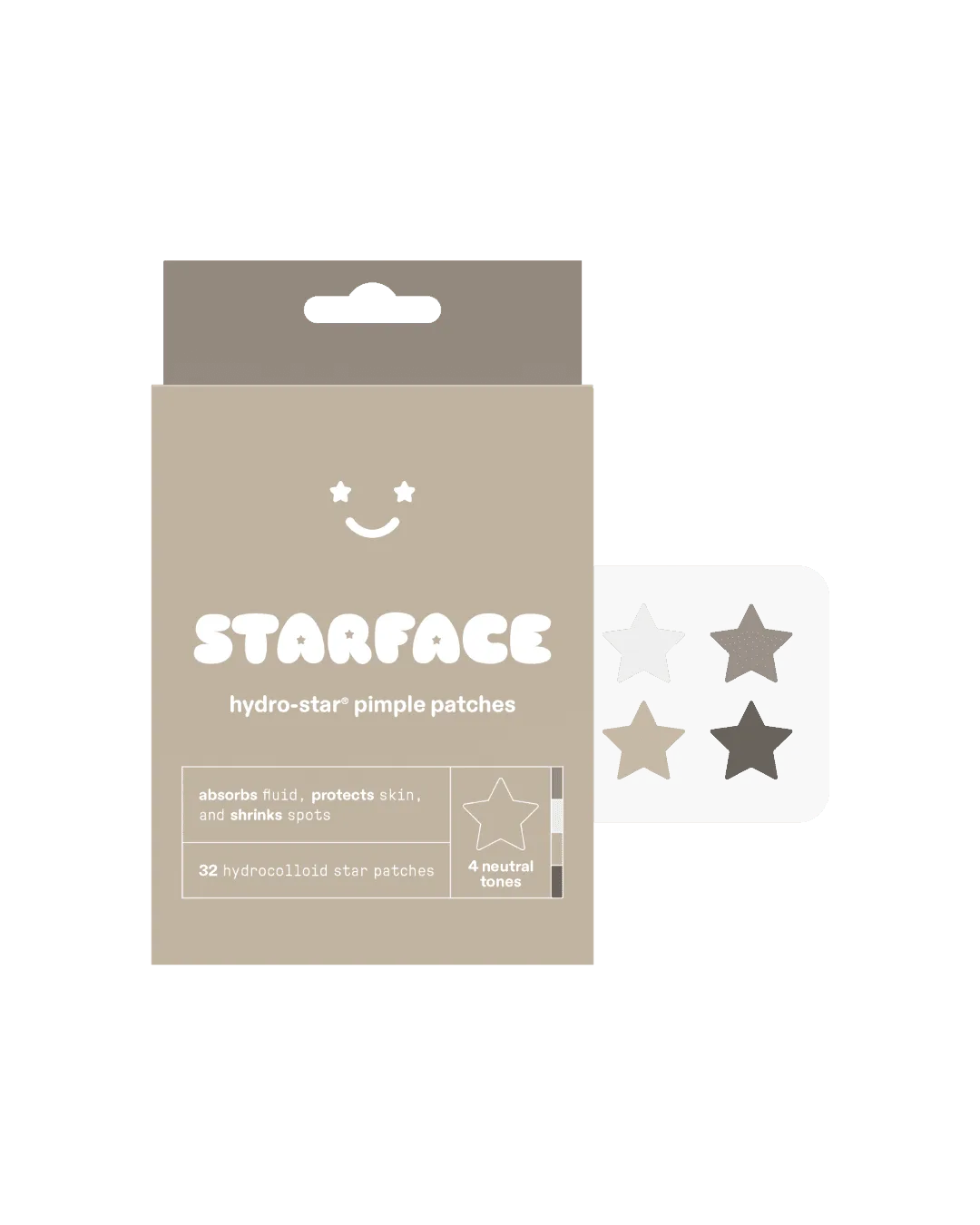
Starface Hydro-Stars are made with 100% hydrocolloid, a material that absorbs fluid and creates a protective barrier over a pimple. When a spot has a head or has been gently popped, the patch can draw out gunk and reduce redness. This is why they're so effective on whiteheads and small, angry bumps.
The patches also shield the area from bacteria and your own picking fingers, which speeds up healing. For surface-level pimples, a patch can visibly flatten the spot in a few hours—sometimes overnight. That's the magic of hydrocolloid.
- Use patches on pimples that have come to a head or have been popped.
- Apply to clean, dry skin for maximum stickiness.
- Leave on for at least 6 hours to see results.
Why They Can't Fix Cystic Acne
Cystic acne is a different beast. It's an inflammatory response deep in the dermis, often caused by hormones, and there's no opening for the patch to work on. Hydrocolloid can't penetrate the skin to reach the cyst, so the patch won't shrink it or reduce the underlying swelling.
Some people find that a patch can help with the surface inflammation or protect the area from friction, but it won't resolve the cyst itself. In fact, placing a patch on a deep cyst might give you a false sense of treatment, delaying more effective options like topical treatments or dermatologist care.
- Don't expect a patch to shrink a deep, blind pimple.
- If a cyst is painful or persists, seek professional advice.
- Avoid popping cysts—it can lead to scarring and infection.
How to Use Starface Patches in Your Acne Routine
Even if you have cystic acne, you likely have other types of breakouts too. Starface patches can be a great addition for those surface pimples and for protecting healing skin. For example, the hydro-star® clear patches are invisible, making them perfect for daytime wear under makeup, while the classic stars add a fun pop of color at night.
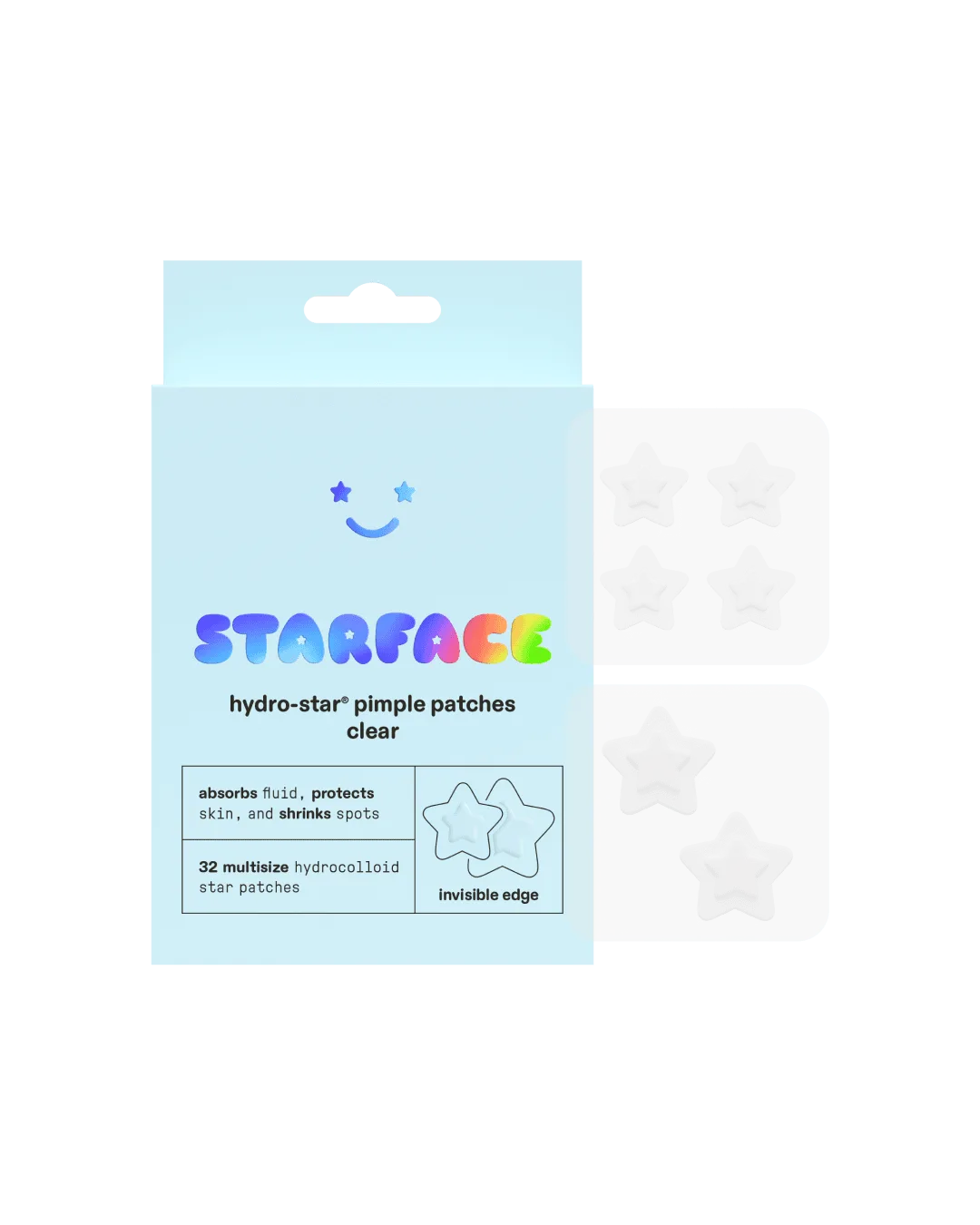
hydro-star® clear
For cystic breakouts, focus on your overall skincare routine: gentle cleansing, non-comedogenic moisturizers, and spot treatments with salicylic acid or benzoyl peroxide. Patches are a complement, not a cure, for deep acne.
- Use patches on any whiteheads or popped pimples to speed healing.
- Pair with a salicylic acid cleanser to keep pores clear.
- For cysts, apply a warm compress and consult a dermatologist.
Diagnosis: Is It a Cyst or a Surface Pimple?
- Symptom: A deep, painful bump under the skin with no visible head, often red and swollen. It may last for weeks. This is likely a cyst or nodule, not a typical pimple.
- Likely cause: Hormonal fluctuations, stress, or genetics can cause deep inflammation in the dermis. Unlike surface pimples, there's no opening for fluid to escape. Hydrocolloid patches cannot reach this deep inflammation.
- Corrective action: For surface pimples, use a Starface patch to absorb fluid and reduce redness. For cysts, apply a warm compress, use a topical treatment with salicylic acid or benzoyl peroxide, and avoid picking. Patches are effective on surface spots, but not on deep cysts.
- When to stop and see a professional: If the cyst is extremely painful, persists for more than two weeks, or you develop multiple cystic breakouts, it's time to consult a dermatologist. They may prescribe stronger treatments like retinoids or antibiotics. Don't rely on patches alone for cystic acne—seek expert care.
Starface Products That Work on Surface Spots
- hydro-star® clear: Made with 100% hydrocolloid, these invisible patches come in two sizes (16 classic 14mm and 16 big 18mm) and are clinically proven to shrink pimples in just six hours. Invisible patches are ideal for daytime use on surface pimples, so you can treat breakouts without drawing attention.
- hydro-stars® + big blue: These patches combine hydrocolloid with salicylic acid, a beta hydroxy acid that dissolves dead skin cells, helping to shrink and soothe spots that need extra care. The added salicylic acid can help exfoliate the surface of a pimple, making it a good choice for stubborn whiteheads that are just starting to form.
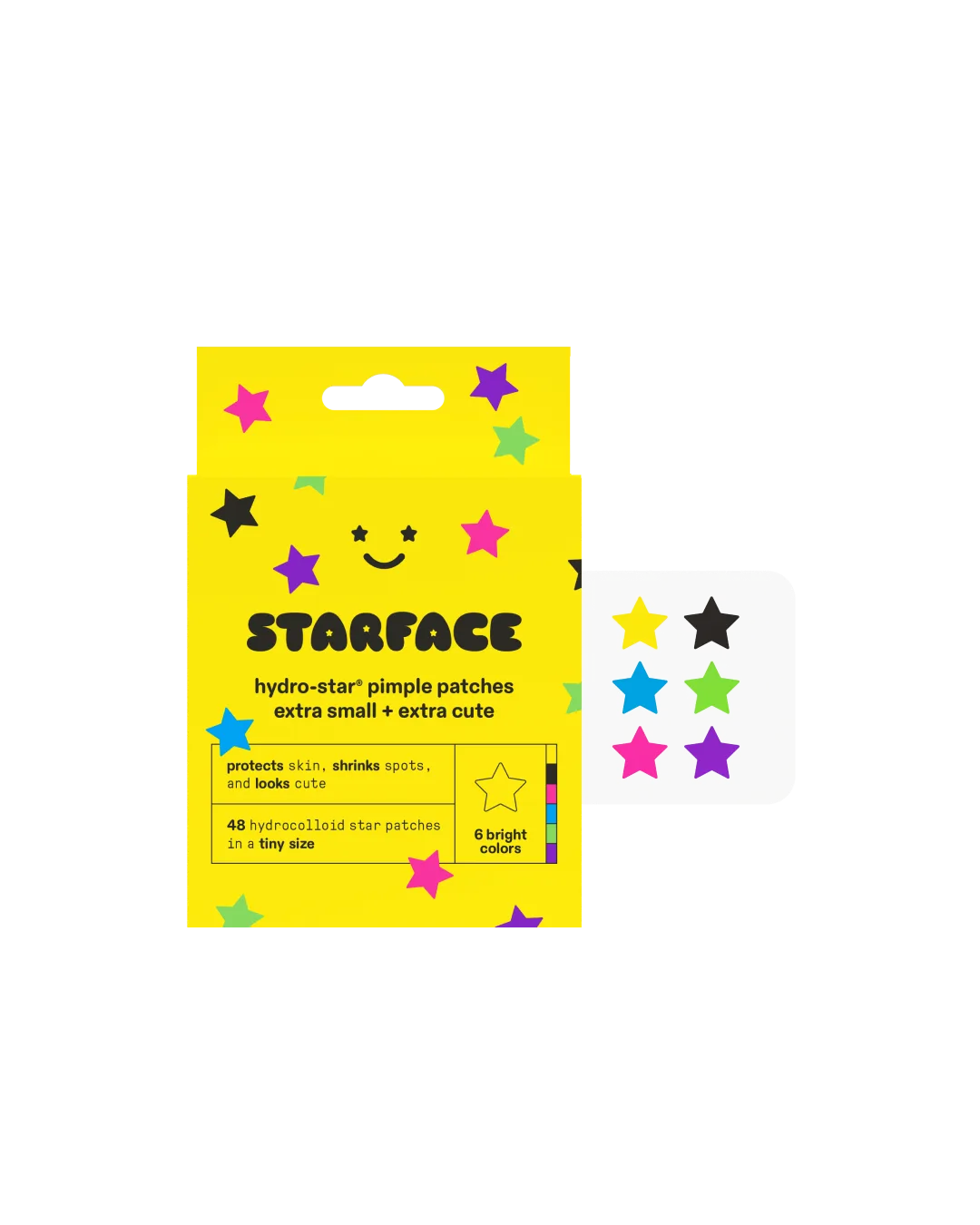
- tiny star: These extra-small 10mm-wide hydrocolloid patches are perfect for tiny spots or wearing just for fun, and they come in six bright colors. The small size is great for precise placement on small pimples or for covering multiple spots without wasting larger patches.
Starface pimple patches are a fun and effective way to treat surface-level pimples, but they're not a solution for cystic acne. For deep breakouts, stick to proven treatments and professional advice. Ready to tackle those whiteheads? Try the hydro-star® clear patches for invisible daytime protection, or the hydro-stars® + big blue for extra salicylic acid power. Your skin will thank you!