Quick answer
Yes, pimple patches can help with cystic acne, but they won't magically vanish a deep, under-the-skin pimple overnight. A hydrocolloid patch works best on whiteheads or pimples that have come to a head, while a spot treatment like Pimple Correct is designed for early-stage and deep pimples. For cystic acne, patches mainly protect the area, reduce picking, and help draw out fluid if the pimple surfaces. They are not a cure for the root cause of cystic acne, which often requires a dermatologist's care.
How a hydrocolloid patch behaves on a cystic pimple
A hydrocolloid patch is a moist wound dressing. On a whitehead or a pimple that has opened, it absorbs fluid and creates a protective seal that keeps you from picking. On a cystic pimple—which sits deeper in the skin and usually has no visible head—the patch can't reach the source of inflammation. You may see little to no fluid on the patch after removal, and the bump may still be there. That doesn't mean the patch failed; it means the pimple isn't at a stage where hydrocolloid can do its main job. If you use a patch on a deep pimple, think of it as a barrier and a reminder to keep your hands off, not as a draining tool.
When to use a pimple patch for deep pimples
The best time to use a patch on a deep pimple is when it starts to form a white head or feels like it's coming to the surface. At that point, a hydrocolloid patch can help absorb what's ready to exit and speed up the healing of the opening. If the pimple is still a hard, painful lump under the skin, a patch alone won't shrink it. Instead, use a targeted spot treatment formulated for early-stage pimples, and save the patch for when the blemish reaches the surface. For under-the-skin pimples that never come to a head, patches are mainly useful for covering the area so you don't scratch or squeeze it.
What to expect after using a patch on cystic acne
After wearing a patch on a cystic pimple, you might notice a smaller, less angry bump if the pimple was already surfacing. If it was deep, expect little visible change. The patch may lift some oil and dead skin, but the cyst itself remains. You may also see a flattened area where the patch was, which is normal. If the pimple is still painful and hard after a few days, that's a sign it's not a surface issue and a patch won't resolve it. In that case, stop applying patches repeatedly and consider seeing a dermatologist for persistent or severe cystic acne.
Cystic acne aftercare: what to do after the pimple drains
Once a cystic pimple drains—whether on its own or with help—the skin is left vulnerable. Keep the area clean and covered with a fresh patch to protect it from bacteria and picking. Avoid harsh scrubbing or drying treatments that can irritate the healing skin. A patch like Mighty Patch Invisible+ can be worn during the day because it's clear and thin, making it easy to keep the area protected without drawing attention. After the opening closes, focus on gentle cleansing and moisturizing to support the skin barrier. If you notice increasing redness, swelling, or pain, that's a sign to seek medical advice.
Cystic acne patch FAQ
Can a hydrocolloid patch drain a cystic pimple?
Only if the pimple has opened or formed a whitehead. A hydrocolloid patch absorbs fluid from surface openings. A closed cystic pimple has no exit point, so the patch can't draw out the contents. Use patches when you see a head; otherwise rely on a spot treatment.
Should I use a patch on a deep, under-the-skin pimple?
You can, but manage expectations. The patch will protect the area and discourage picking, but it likely won't reduce the bump. For deep pimples, a targeted spot treatment like Pimple Correct is designed for that stage. Patches are for surface protection; spot treatments are for early-stage deep pimples.
How long should I leave a patch on a cystic pimple?
Follow the product instructions. Typically, hydrocolloid patches are worn for several hours or overnight. If the patch hasn't changed and the pimple is still painful after a few days, it's time to reassess and possibly see a dermatologist. Don't leave a patch on for days hoping it will work; if it's not helping, try a different approach.
Can pimple patches prevent cystic acne?
No. Patches treat individual pimples; they don't address the hormonal or genetic factors that cause cystic acne. They can help you avoid picking, which can worsen cysts, but they are not a preventative treatment for cystic acne. Use patches as part of a gentle routine, not as a cure.
Products that fit into a cystic acne routine
- Mighty Patch™ for Early-Stage Blemishes: Mighty PatchTM for Early-Stage Blemishes is formulated for early-stage pimples to address them at the first sign and is suitable for combination, dry, normal, and oily skin types. It is not recommended for sensitive skin. This patch is best used when you first feel a pimple forming, before it becomes a deep cyst. It can help you take control early, but it won't treat a fully developed cystic pimple.
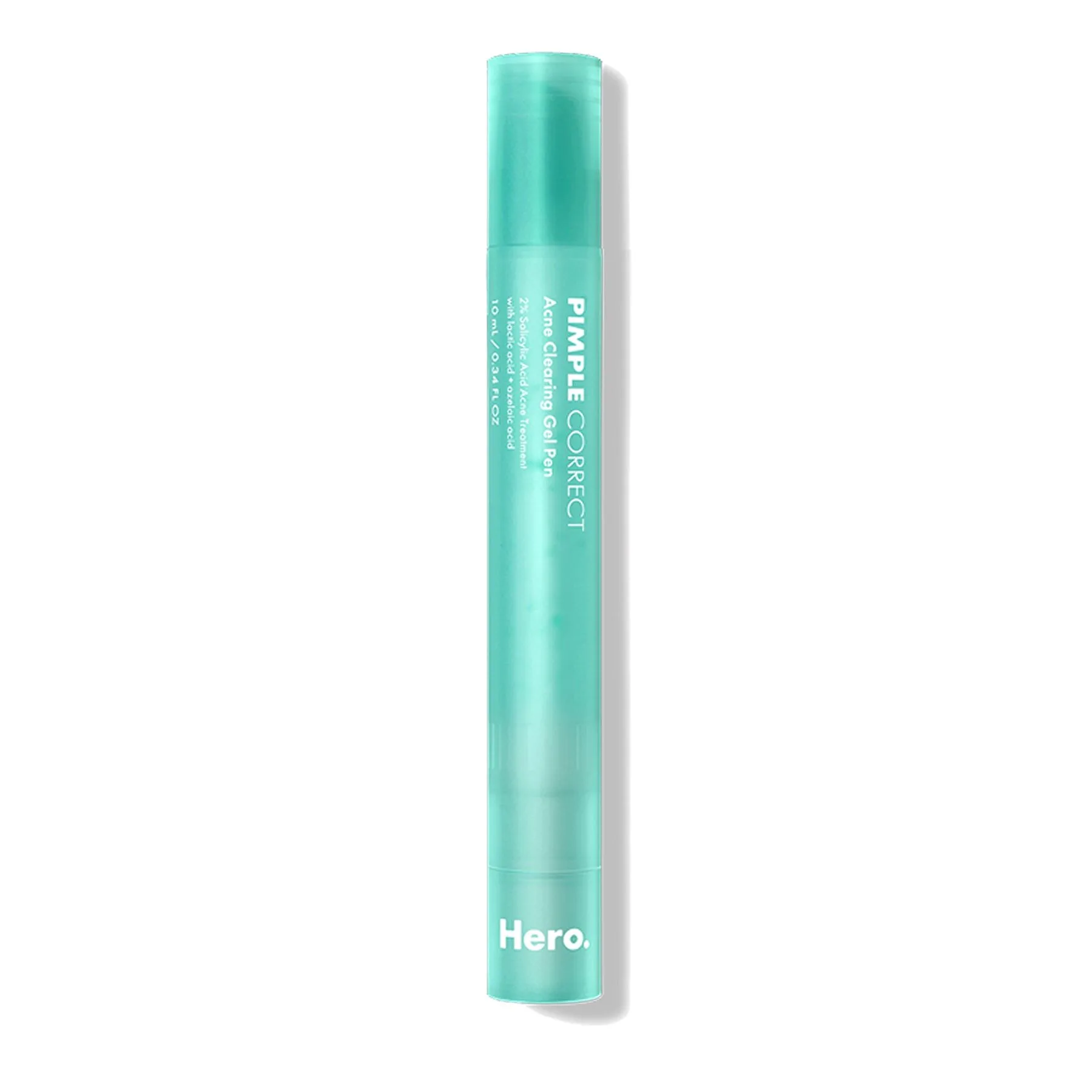
- Pimple Correct: Pimple Correct is a spot treatment designed for early-stage pimples and formulated for use on body acne, clusters, deep pimples, and whiteheads. It is suitable for combination, dry, normal, and oily skin types but not recommended for sensitive skin. For deep pimples that haven't surfaced, a targeted spot treatment like Pimple Correct is a more appropriate option than a hydrocolloid patch. It addresses the breakout before it fully develops.
- Mighty Patch™ Invisible+ patch: Mighty PatchTM Invisible+ patch is clear, super-thin and comfortable, designed to tackle pimples without slowing you down. This patch is a good choice for day wear on a cystic pimple that has come to a head, because it's discreet and protects the area from picking while you go about your day.