Quick answer
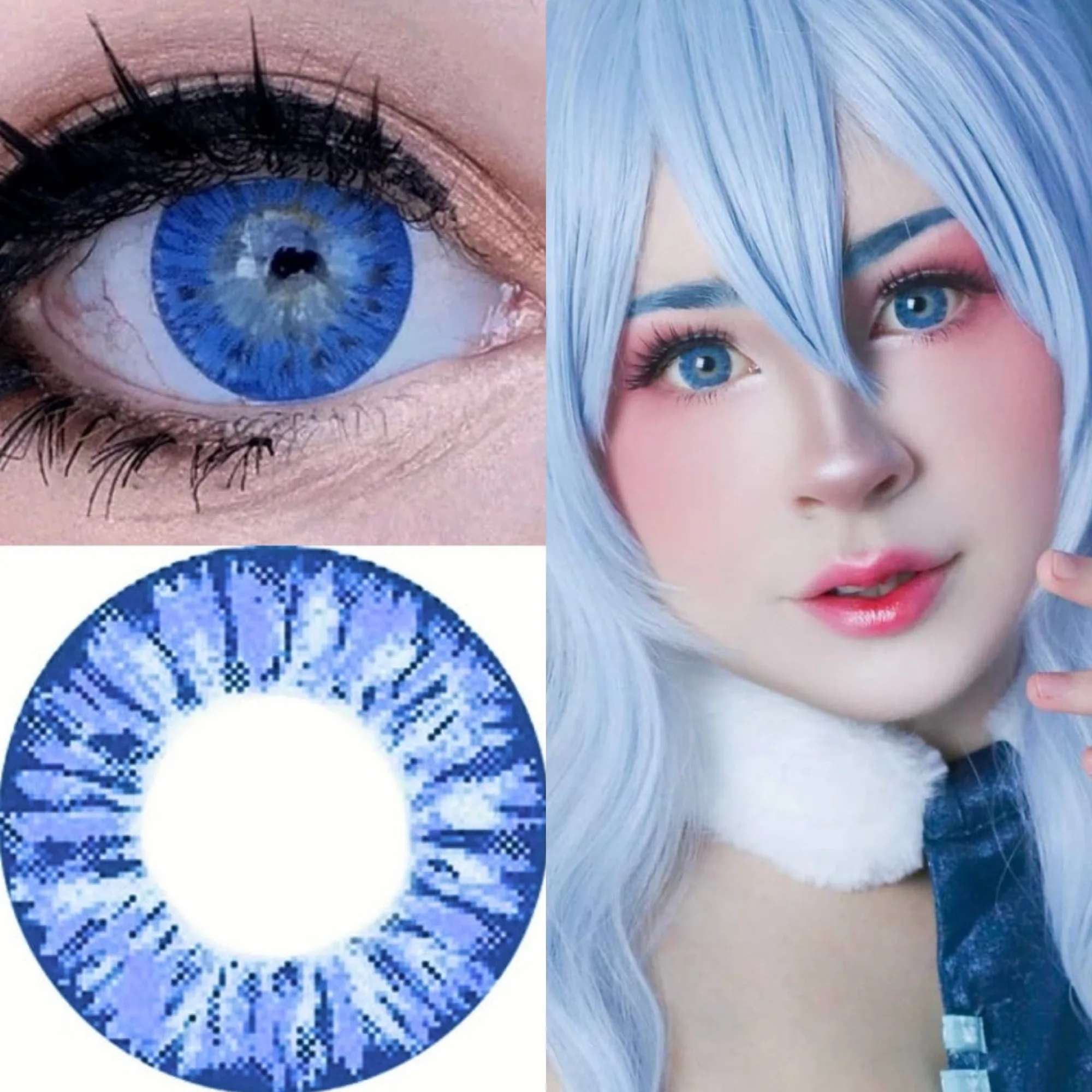
Choose StarryEyes Blue if you want a slightly larger 14.8 mm lens with a 38% water content and a full prescription range. Choose Natural Sorayama Blue if you prefer a smaller 14.2 mm lens with 40% water content for a softer, more natural enlargement. Neither is universally better; the right pick depends on the effect you want and the fit your eyes tolerate.
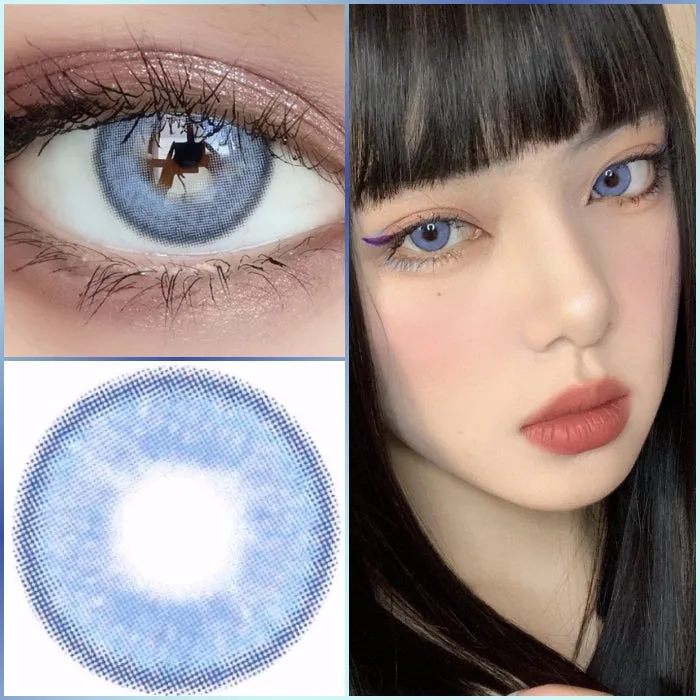
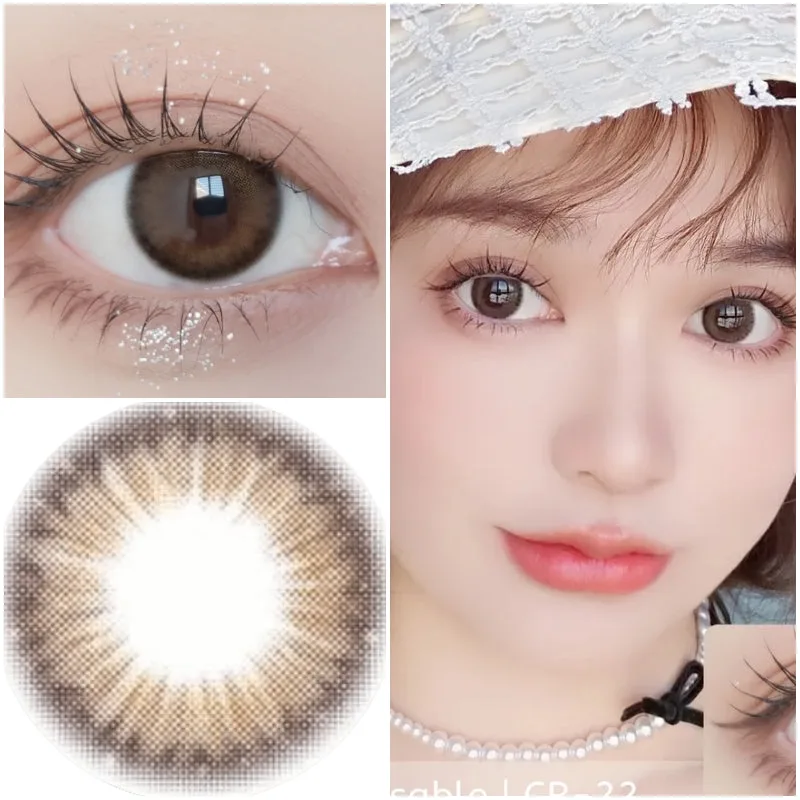
Natural Sorayama Blue
The real differences that matter
These two blue circle lenses are not interchangeable. StarryEyes Blue has a 14.8 mm diameter, which creates a gentle enlarging effect across the whole iris. Natural Sorayama Blue is listed at 14.2 mm, so it adds definition without changing the apparent size of your eyes as much. If you have smaller eyes or want a look that reads as natural up close, the smaller diameter is usually the safer choice.
Water content also differs: StarryEyes Blue is 38%, while Natural Sorayama Blue is 40%. A higher water content can feel more comfortable at first, but it also means the lens may dry out faster in air-conditioned rooms or on long days. The difference is small, but if you already struggle with end-of-day dryness, the lower water content of StarryEyes Blue may hold moisture more steadily.
Prescription range and fit
StarryEyes Blue is available with a range of prescription options, including left and right eye powers. Natural Sorayama Blue is available in prescription powers from 0.00 (plano) to -4.00. If your prescription is stronger than -4.00, StarryEyes Blue is the more likely fit. Both lenses have a base curve of 8.9 mm and 8.6 mm respectively, so the fit will feel different; a base curve that is too flat or too steep can cause rotation, blur, or discomfort.
Neither lens is a substitute for a proper contact lens fitting. If you have never worn circle lenses, start with a short wearing schedule and check that the lens centers well and stays comfortable. A lens that slides or feels tight is a fit problem, not a color problem.
Trade-offs at a glance
- Enlargement vs. subtlety: StarryEyes Blue at 14.8 mm gives a more visible enlarging effect; Natural Sorayama Blue at 14.2 mm stays closer to your natural iris size. Pick the larger lens for photos and dramatic looks; pick the smaller one for everyday wear.
- Moisture vs. initial comfort: StarryEyes Blue has 38% water content; Natural Sorayama Blue has 40%. Higher water content often feels wetter at insertion but can dry out faster over a long day. If you wear lenses for 8+ hours, the lower water content may hold up better.
- Prescription range: StarryEyes Blue covers a range of prescription options; Natural Sorayama Blue stops at -4.00. Check your prescription before choosing; if you are above -4.00, StarryEyes Blue is the only option here.
Product facts
- StarryEyes Blue: Diameter: 14.8 mm for a gentle enlarging effect; water content: 38%; base curve: 8.9 mm; lifespan: 1 year; brand: KAZZUE. The larger diameter gives a more noticeable enlargement, while the 38% water content may suit wearers who find higher-water lenses dry out too quickly.
- Halo Choco (CR22): Diameter: 14.2 mm; water content: 40%; base curve: 8.6 mm; lifespan: 1 year; available in prescription powers from 0.00 (plano) to -4.00. The smaller diameter and higher water content create a softer, more natural look, but the prescription range stops at -4.00, so stronger prescriptions need a different lens.
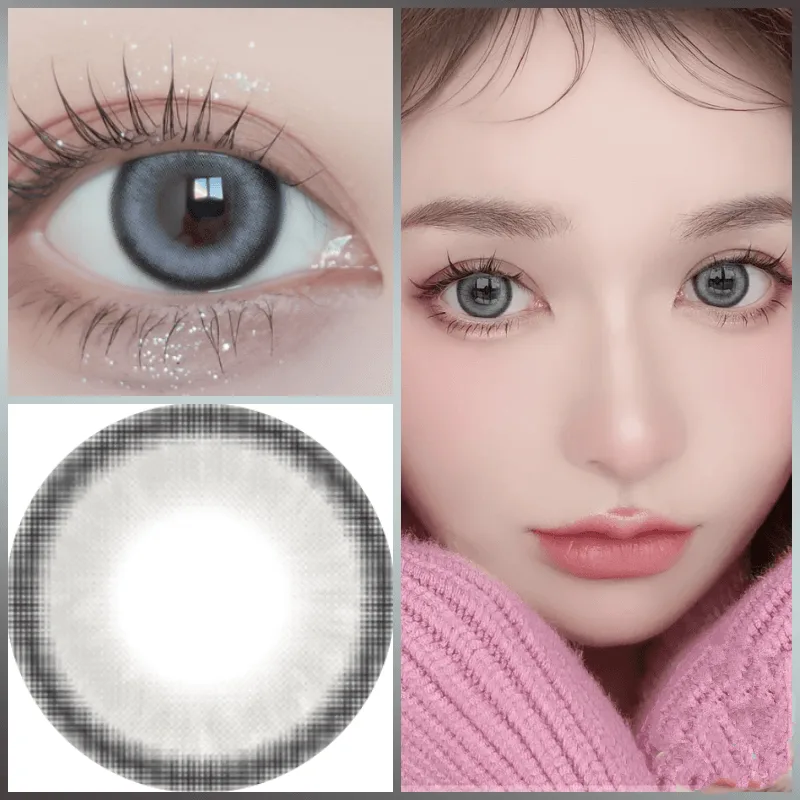
- Ringlight Gray (CR85): Ringlight Gray (CR85) is a 14.5 mm gray circle lens with 40% water content and an 8.6 base curve, available in a range of prescription powers including plano. If you are still deciding between blue and gray, this gives you a middle-ground diameter and a cooler tone without committing to either blue option.
Which should you choose?
Best for
- Wearers who want a noticeable enlarging effect and a prescription stronger than -4.00
- Those who prefer a lower water content lens that may resist drying out over long wear
Not for
- Anyone with a prescription above -4.00 who wants Natural Sorayama Blue
- Wearers who want the smallest, most natural-looking diameter and should choose a 14.2 mm or smaller lens instead