In an era where environmental consciousness is more than a trend, the choices we make in our kitchens carry significant weight. The debate between reusable silicone bags and traditional plastic storage bags is not just about convenience—it's about the future of our planet. Stasher, a leader in reusable silicone food storage, offers a compelling alternative to the disposable plastic bags that clog our landfills and oceans. This article delves into the environmental impact of Stasher bags versus plastic storage bags, helping you make an informed, eco-friendly decision.
Plastic pollution is a global crisis, with millions of tons of plastic waste entering our oceans each year. Single-use plastic bags are a major contributor, often used for mere minutes but persisting in the environment for centuries. By contrast, Stasher bags are designed for repeated use, promising durability and sustainability. But what exactly makes Stasher bags a greener choice? Let's explore the lifecycle, materials, and long-term benefits of both options.
The Lifecycle of a Plastic Storage Bag
The journey of a conventional plastic storage bag begins with the extraction of petroleum, a non-renewable resource. The manufacturing process is energy-intensive and releases greenhouse gases. Once used, these bags are often discarded, ending up in landfills where they can take up to 1,000 years to decompose. Even when recycled, plastic bags are notoriously difficult to process, often contaminating recycling streams and ending up in incinerators or the environment.
The environmental toll of plastic bags extends beyond their disposal. Production requires significant water and energy, and the bags themselves are a source of microplastics that leach into soil and waterways. For consumers, the convenience of a disposable bag comes at a hidden cost to the planet.
- Plastic bags are typically used once for an average of 12 minutes.
- Less than 5% of plastic bags are recycled in the United States.
- Plastic bags are among the top 10 items found in beach cleanups.
Stasher Bags: A Sustainable Alternative
Stasher bags are made from 100% pure platinum silicone, a material derived from sand, which is abundant and non-toxic. Unlike plastic, silicone does not break down into harmful microplastics. Instead, it can be recycled through specialized programs, and its durability means a single Stasher bag can replace hundreds of disposable bags over its lifetime. This longevity is key to its environmental advantage.
The production of silicone has a lower carbon footprint compared to petroleum-based plastics, and Stasher's manufacturing processes are designed to minimize waste. Moreover, Stasher bags are dishwasher-safe, microwave-safe, and freezer-safe, making them incredibly versatile. By investing in a set of Stasher bags, you're not just buying a product; you're adopting a sustainable habit that reduces your plastic footprint.
- One Stasher bag can replace up to 500 single-use plastic bags.
- Silicone is fully recyclable through Stasher's take-back program.
- Stasher bags are free from BPA, BPS, and other harmful chemicals.
Comparing Environmental Impact: Plastic vs. Silicone
When comparing the environmental impact, it's essential to consider the entire lifecycle. Plastic bags have a short useful life and a long, damaging afterlife. Silicone bags, on the other hand, have a longer useful life and a more benign end-of-life, especially when recycled. A life-cycle assessment would show that the carbon footprint of a silicone bag, when used regularly, is significantly lower than that of hundreds of plastic bags.
Furthermore, Stasher bags are designed for a circular economy. The company encourages customers to return worn-out bags for recycling, ensuring that the material is repurposed rather than discarded. This commitment to sustainability is a stark contrast to the linear 'take-make-dispose' model of plastic bags.
- Silicone production emits fewer greenhouse gases per use than plastic.
- Stasher's recycling program ensures bags don't end up in landfills.
- The durability of Stasher bags reduces the need for frequent replacements.
Practical Tips for Reducing Plastic Waste in Your Kitchen
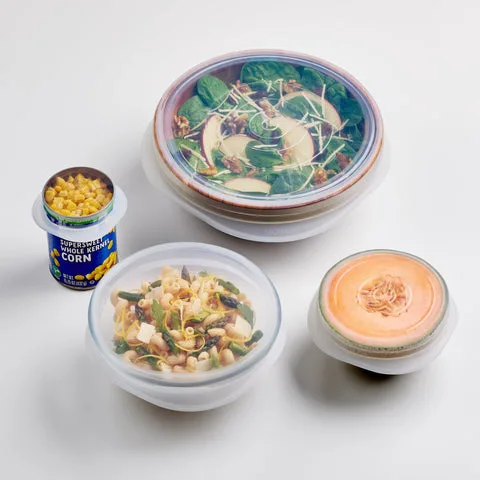
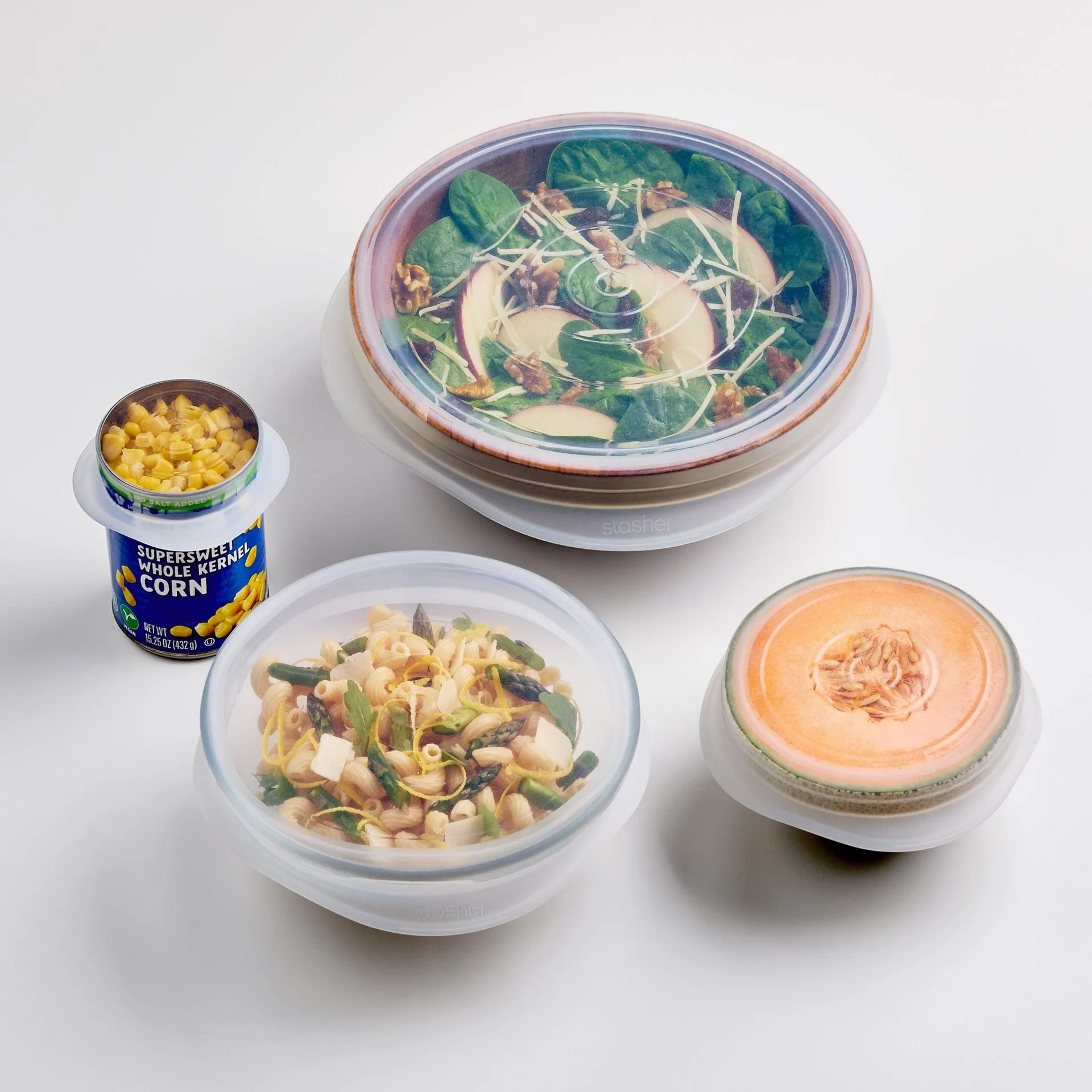
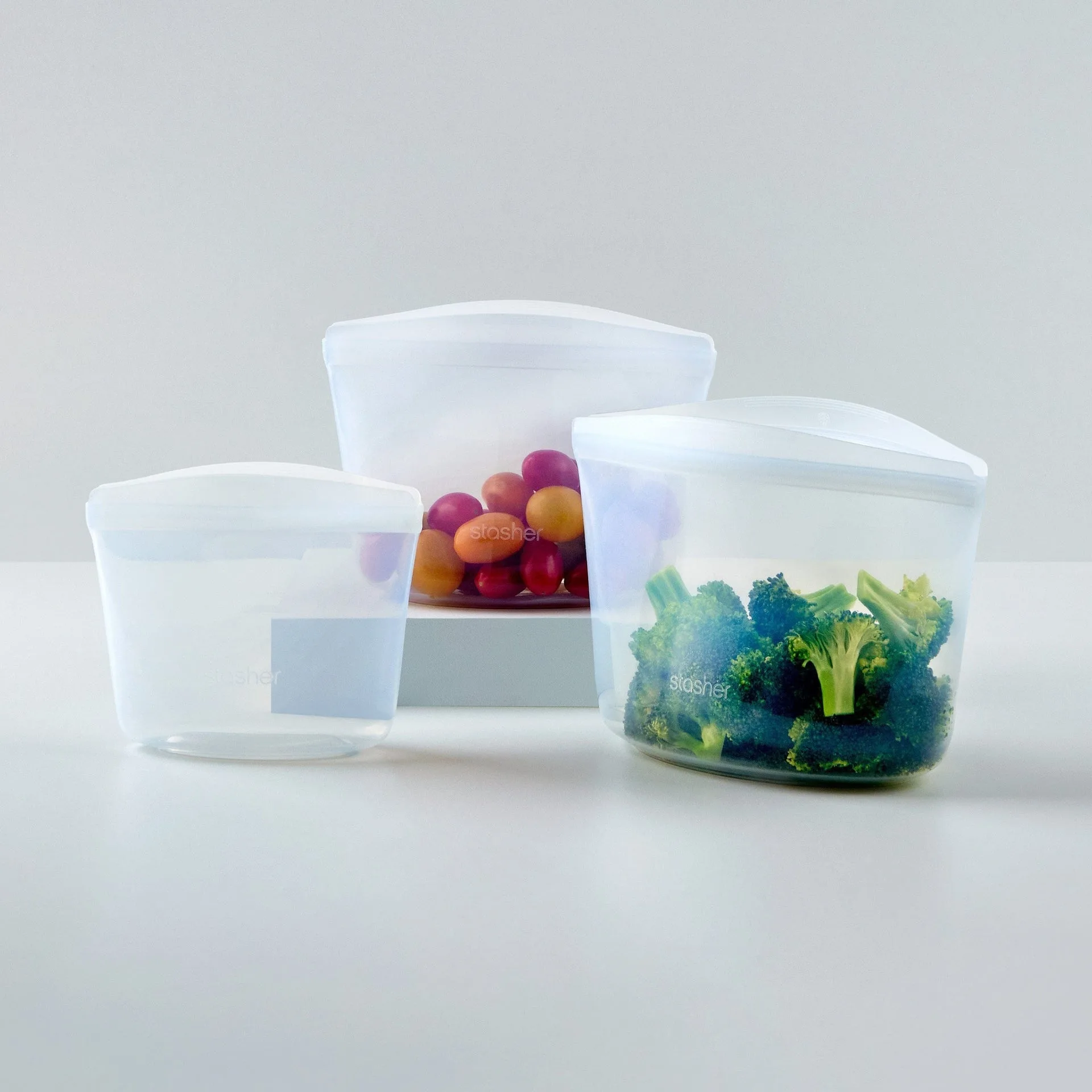
Switching to Stasher bags is a powerful step, but there are other ways to amplify your impact. Start by replacing your most-used plastic bag sizes with Stasher alternatives. For example, the Stasher https://stasherbageyh.com/products/sandwich-bag-12-pack-308411Sandwich Bag 12-Pack is perfect for daily lunches, while the Stasher Bowl 3-Pack can replace plastic containers for leftovers. Additionally, consider using Stasher's Circle Stretch Lids 4-Pack to cover bowls and replace plastic wrap.
Beyond Stasher, adopt habits like buying in bulk, using reusable produce bags, and composting food scraps. Every small change contributes to a larger movement toward zero waste. By making conscious choices, you can significantly reduce your household's plastic consumption.
- Use Stasher bags for sous vide cooking to eliminate plastic bag waste.
- Freeze fruits and vegetables in Stasher bags instead of plastic freezer bags.
- Pack snacks for kids in Stasher bags to teach them about sustainability.
The environmental impact of plastic storage bags is undeniable, but the solution is within reach. By choosing Stasher bags, you're not only investing in a high-quality, versatile product but also making a statement about the kind of world you want to live in. The shift from single-use plastic to reusable silicone is a meaningful step toward a greener future. Explore the Stasher collection today and join the movement to reduce plastic waste, one meal at a time.