When it comes to food storage, the debate between silicone bags and glass containers is a hot topic among eco-conscious cooks. Both have passionate fans, but they serve different needs. In this comparison, we'll pit Stasher silicone bags against traditional glass containers (like Pyrex) to help you decide which is the better investment for your kitchen.
We'll examine durability, space efficiency, weight, versatility, and environmental impact. By the end, you'll know whether to stock your pantry with glass or make the switch to flexible silicone.
Durability and Longevity: Glass vs. Silicone
Glass containers are famously durable in the sense that they don't warp, stain, or retain odors. However, they are prone to cracking, chipping, and shattering if dropped or exposed to extreme temperature changes. Silicone, on the other hand, is practically indestructible in everyday use. Stasher bags can withstand temperatures from -40°F to 425°F, making them safe for freezer, microwave, and oven use without the risk of thermal shock.
While glass can last decades if handled with care, silicone's flexibility means it won't break when you inevitably drop it. For families with kids or busy kitchens, silicone's resilience is a major advantage. That said, glass's rigidity can be a pro for stacking and protecting fragile foods.
- Silicone: shatterproof, flexible, survives drops and temperature swings.
- Glass: brittle, but resistant to stains and odors if not chipped.
- Stasher bags are dishwasher safe and boilable, simplifying sanitation.
Space Efficiency and Portability
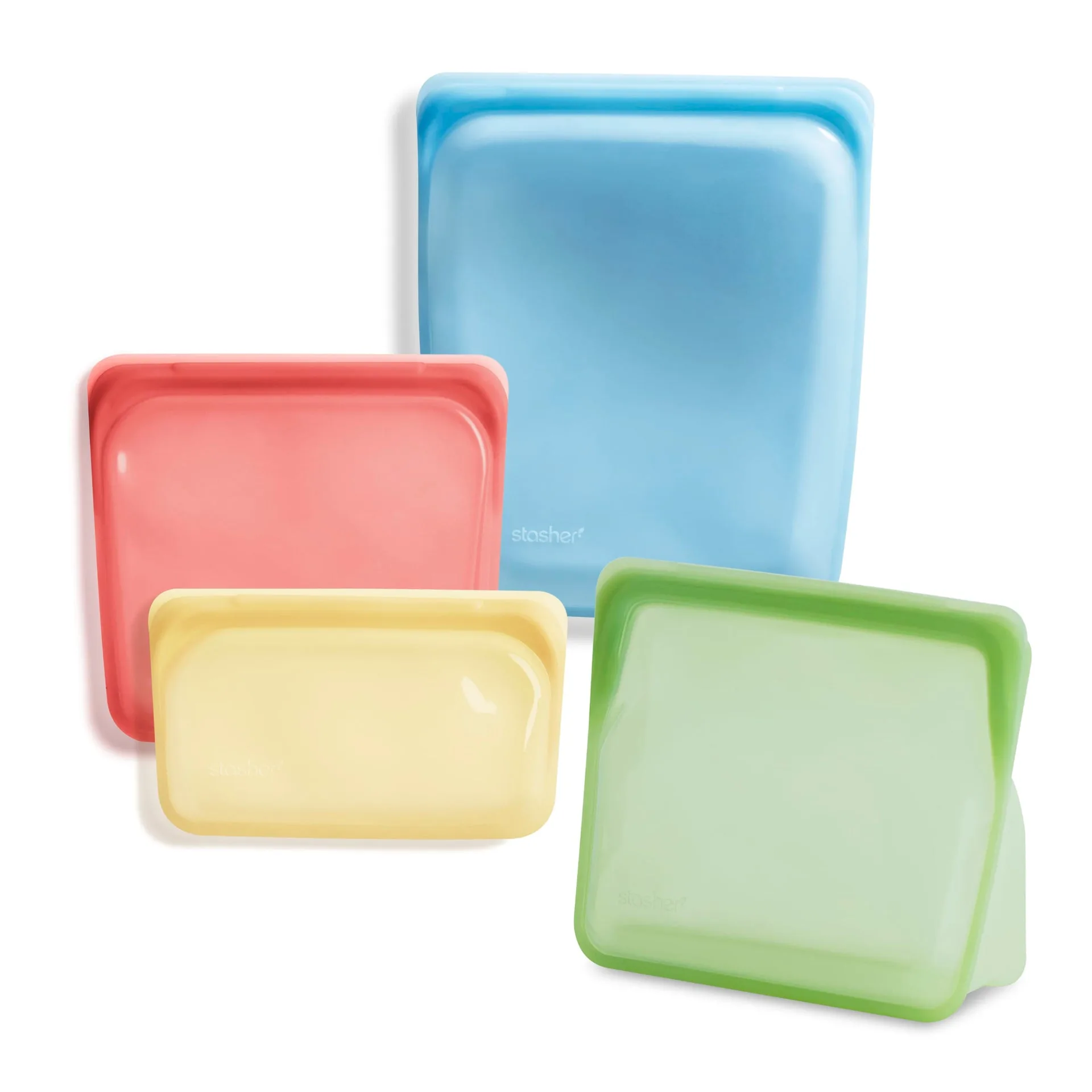
One of the biggest differences is how they store when not in use. Glass containers are bulky and heavy, taking up significant cabinet space even when empty. Silicone bags, like Stasher's Original Bags 4-Pack or Sandwich Snack 4-Pack, flatten down to almost nothing, sliding into drawers or hanging on hooks. This makes them ideal for small kitchens, RVs, or camping trips.
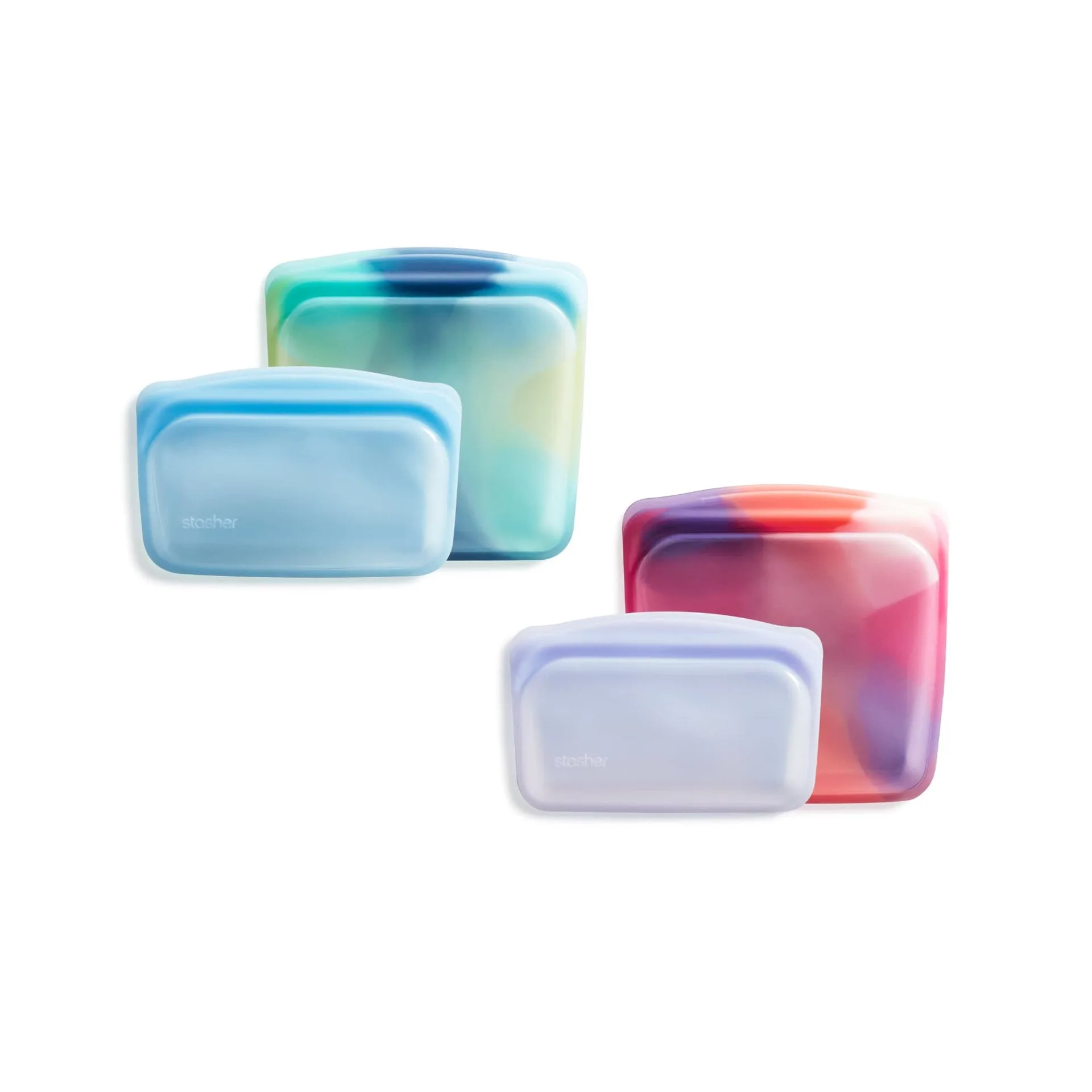
Sandwich Snack 4-Pack
For on-the-go meals, silicone bags are lightweight and flexible, fitting into lunchboxes or backpacks without adding heft. Glass containers, while sturdy, are awkward to carry and add weight to your bag. If you're a commuter or hiker, the portability of silicone is a clear winner.
- Silicone bags compress to save space when empty.
- Glass containers take up permanent shelf space.
- Stasher bags are perfect for picnics, travel, and packed lunches.
Versatility in Cooking and Storage
Glass containers are oven-safe (usually up to 350°F with plastic lids removed) and microwave-safe, but they can't go directly from freezer to oven without risk. Silicone bags, on the other hand, are more versatile: you can marinate, sous vide, microwave, and even bake in them. Stasher bags are also freezer-safe, making them excellent for meal prep and batch cooking.
For sous vide enthusiasts, silicone bags are a game-changer because they're designed to withstand prolonged water immersion. Glass containers are not suitable for sous vide. Additionally, Stasher's airtight seal prevents leaks, which is perfect for soups and liquids. Glass containers with locking lids also seal well, but they're not flexible enough for vacuum sealing or compression.
- Stasher bags work for sous vide, microwave, oven (up to 425°F), and freezer.
- Glass is oven-safe but not for sous vide or extreme temp changes.
- Silicone bags are leakproof and great for liquids.
Environmental Impact and Cost Over Time
Both glass and silicone are more eco-friendly than single-use plastic. Glass is infinitely recyclable, but it's heavy, which increases its carbon footprint during transport. Silicone is made from sand-derived silica and is durable, but it's not as easily recyclable at end-of-life. However, Stasher bags are designed to last for years, reducing waste.
In terms of cost, high-quality glass containers can be expensive, and they may need replacement if chipped or broken. Stasher bags are also an investment, but they often come in bundles like the Best Sellers 8-Pack, which offers a lower per-bag cost. Over time, both save money compared to disposable bags, but silicone's space-saving and multipurpose nature often provides better value for most households.
- Glass: fully recyclable but heavy and breakable.
- Silicone: long-lasting, but recycling options are limited.
- Bundles like the Best Sellers 8-Pack make silicone more affordable.
Which Should You Choose?
The choice ultimately depends on your lifestyle. If you prioritize durability, space, and versatility, silicone bags like Stasher are unbeatable. They're perfect for meal prep, sous vide, and packing lunches. If you prefer the rigidity of glass for stacking and storing leftovers in the fridge, then glass containers may be your go-to.
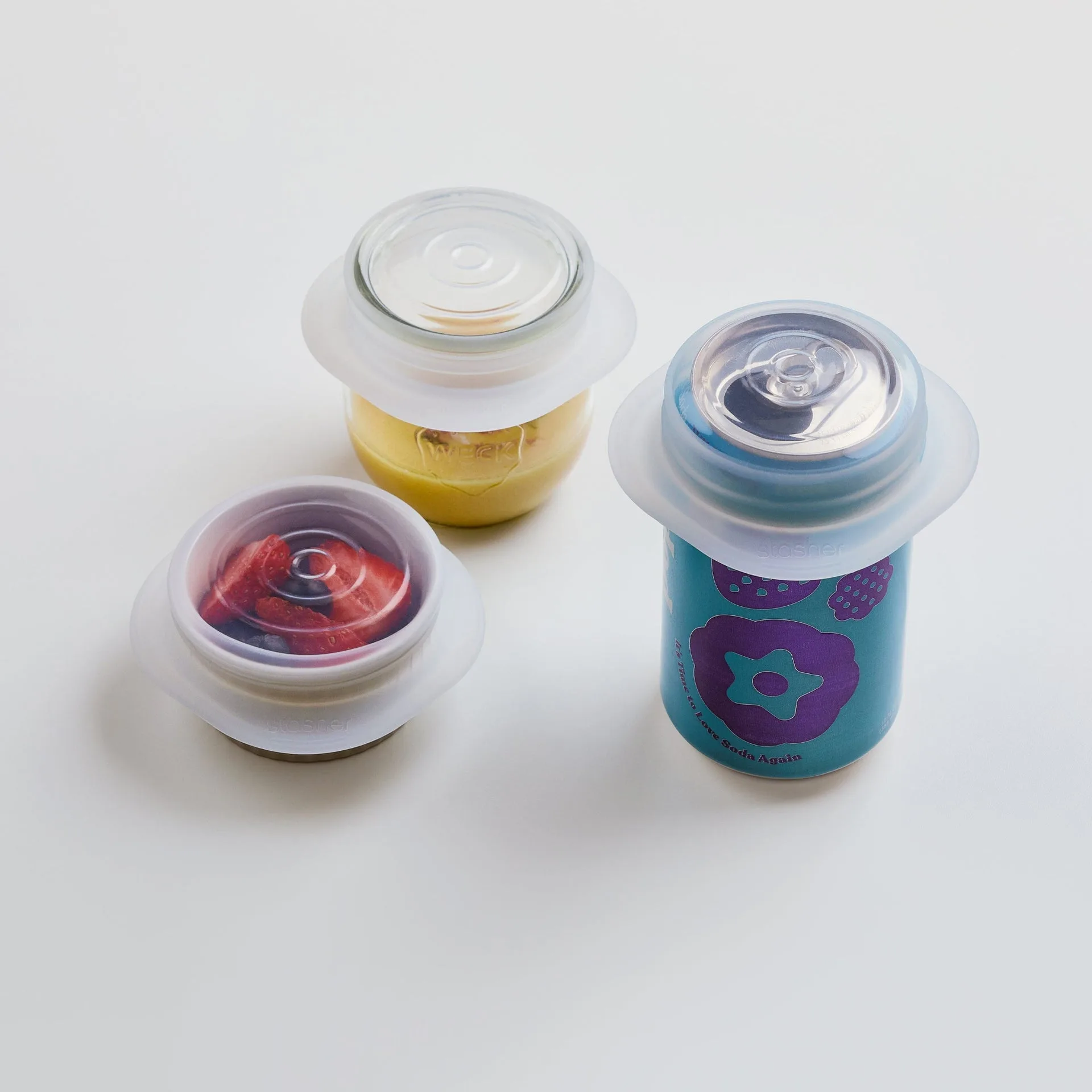
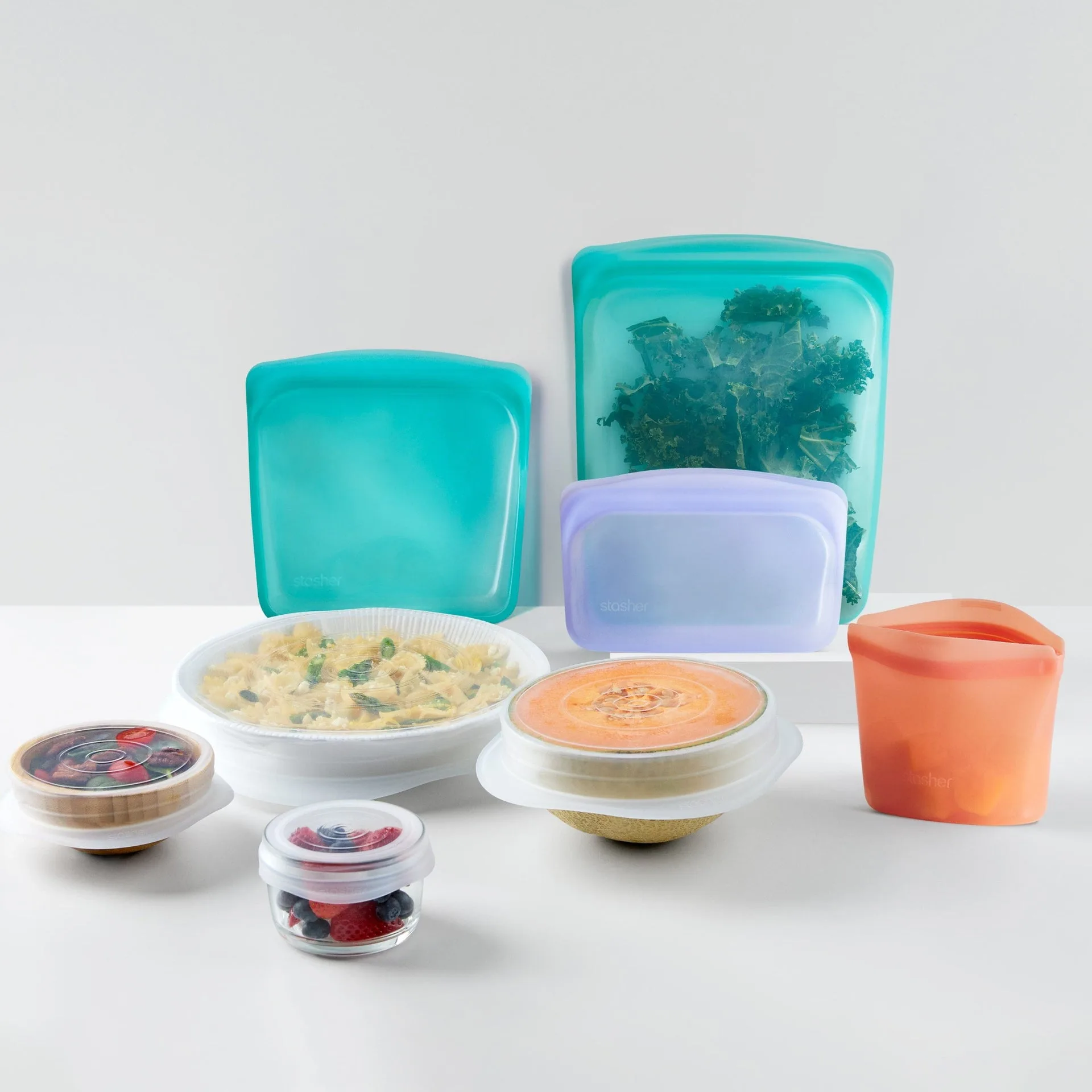
Many households find that a combination works best: use glass for heavy-duty storage at home and Stasher bags for on-the-go or space-saving needs. Stasher also offers accessories like the Small Circle Stretch Lids 3-Pack and Square 8x8 Stretch Lid to cover bowls and dishes, extending your storage options without adding bulk.
- For travel, lunchboxes, and sous vide: choose Stasher.
- For stacking in the fridge and oven reheating: choose glass.
- Combine both for maximum flexibility.
In the battle of Stasher vs. glass containers, there's no one-size-fits-all answer. Both have strengths, but silicone's versatility, space efficiency, and shatterproof nature make it a compelling choice for modern kitchens. If you're ready to upgrade your food storage, explore the Best Sellers 8-Pack to start your Stasher collection and experience the difference.